




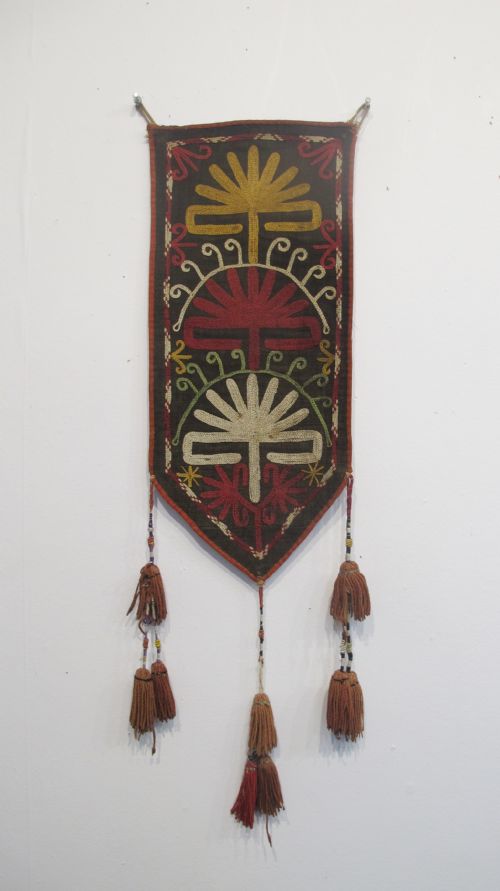
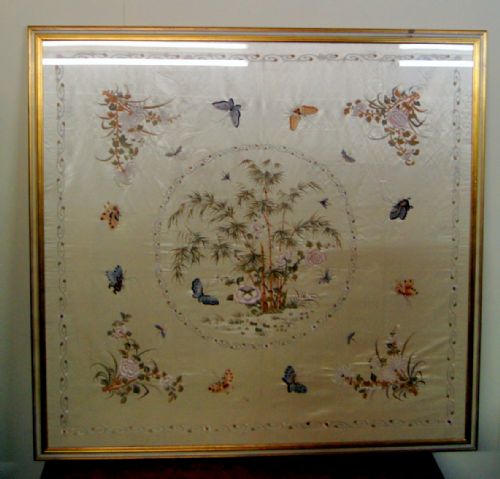
Oriental Embroidered Wall Panel
An oriental embroidered wall panel brings rich texture and intricate needlework to a room, offering a focal point steeped in history.
Oriental Embroidered Wall Panel
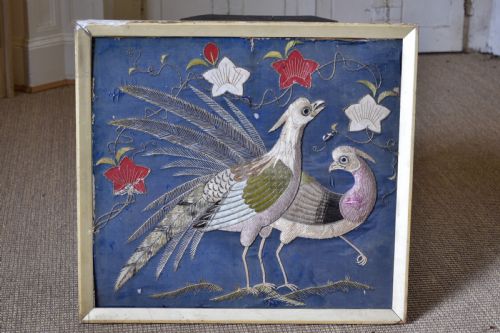
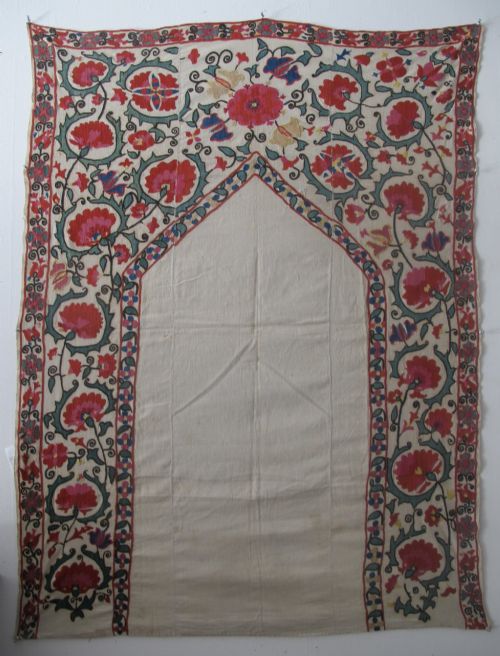
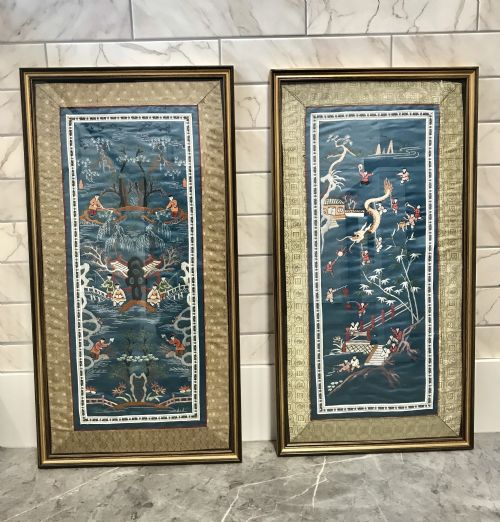
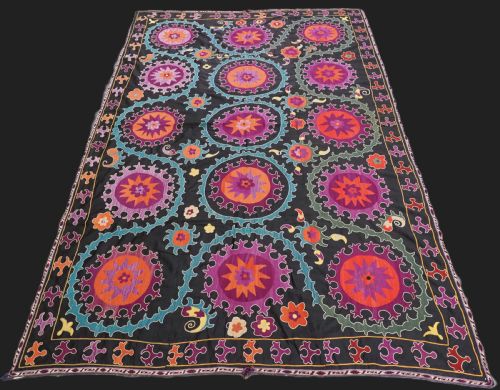
An oriental embroidered wall panel encompasses a range of textile arts from different regions, including Uzbek Suzanis, Chinese silk works, and Persian Rasht embroidery. These pieces function as decorative wall hangings, framed textile art, and relief panels intended to enrich an interior space.
The selections span from the eighteenth century through the nineteenth century and into the early twentieth century. Buyers encounter formats ranging from large architectural Suzanis and prayer designs to smaller amulets and paired panels.
Origins stretch across Central Asia, China, Japan, Turkey, and Persia, bringing diverse cultural motifs into domestic settings. Central Asian tribal works and Qing dynasty styles dominate the visual landscape of these textiles.
How They Were Made
Artisans executed these textiles primarily using silk, cotton, and wool grounds, often enriched with silk thread and metallic thread. Applique work utilising felt appears in specific regional traditions such as Persian Rasht pieces.
Needlework techniques varied from meticulous hand-sewn figures and floral motifs under glass to bold relief hangings depicting tigers and dragons. Artisans worked on cotton foundations, sometimes dyed in black or red, applying dense stitches to build up the imagery.
Materials across these listings include silk, cotton, glass, wood, metallic thread, wool, silk thread, and felt.
What Varies in Quality
The standard of needlework execution dictates the primary distinction between average and exceptional pieces. Finer works display tight, precise hand sewing and complex compositional balance in motifs such as architectural designs and figures.
Material preservation and the integrity of the ground fabric also separate examples. Intact silk threads, stable cotton or felt grounds, and well-preserved framing or mounting elevate the visual impact of the textile.
Iida Takashimaya Company
The Oriental Embroidered Wall Panel Glossary
- Suzani
- A type of embroidered tribal textile originating from Central Asia, traditionally worked in silk on a cotton ground. These large panels often feature striking botanical or geometric layouts.
- Rasht embroidery
- A traditional Persian style characterised by intricate inlaid felt applique work combined with fine chain stitching. It produces bold, colourful designs on heavy textile grounds.
- Cicim
- A flatwoven textile technique often incorporating embroidery, frequently associated with Turkish Konya rugs adapted for wall hanging uses. This method creates textured surface patterns through supplementary weft threads.
- Chinoiserie
- A European stylistic tradition that reflects Chinese artistic influences, frequently appearing in decorative arts and textile panels. It employs whimsical motifs of landscapes, figures, and flora.
- Prayer format
- A specific composition in textiles that includes a mihrab or arch design, guiding the viewer's eye toward a focal point. These panels served both devotional and decorative purposes.
Oriental Embroidered Wall Panel: Frequently Asked Questions
How do I hang a heavy textile safely?
Mounting heavy textiles requires distributing the weight evenly across the structure using a custom sleeve and a sturdy wooden batten or rod. Avoid hanging pieces by direct pinning or stapling, which damages the fabric fibres over time.
For framed pieces under glass, ensure the wall fixings match the weight of the frame and backing board. Keep the textile away from direct sunlight and damp walls to preserve the integrity of the silk and cotton grounds.
What is the difference between a Suzani and a panel?
A Suzani is a specific embroidered textile originating from Central Asian regions like Uzbekistan, traditionally created as part of a bride's dowry. These pieces typically feature large-scale floral, sun, or architectural motifs on cotton foundations.
Other panels encompass diverse regional traditions, including Chinese silk embroidery under glass and Persian felt applique work. While all Suzanis are panels, not all panels share the Central Asian tribal origins of a Suzani.
How do I clean an antique embroidered panel?
Antique textiles require specialist conservation rather than standard domestic cleaning methods. Surface dust can be gently removed using low suction through a mesh screen, but water or chemical washing risks dissolving older dyes and weakening brittle threads.
Consult a professional textile conservator if the piece requires deep cleaning or repair. Preventive care, such as limiting exposure to light and smoke, remains the best method for maintaining the fabric.
How can I tell the age of an embroidery?
Dating relies on examining the materials, dyes, and stitching techniques characteristic of specific periods like the nineteenth or early twentieth century. Natural dye variations, hand-spun cotton grounds, and traditional regional motifs provide key indicators of age.
Comparing the style against documented examples from specific dynasties or tribal workshops helps narrow down the timeframe. Structural wear consistent with age also assists in verifying the era of execution.