



Oriental Display Cabinet
An oriental display cabinet brings the rich craftsmanship of the East into a room, offering both storage and a stage for treasured collections.
Oriental Display Cabinet
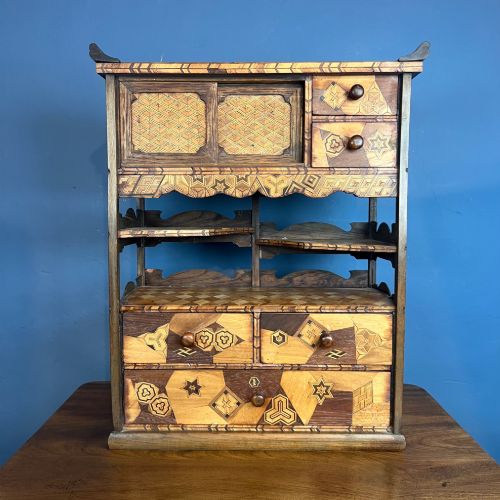
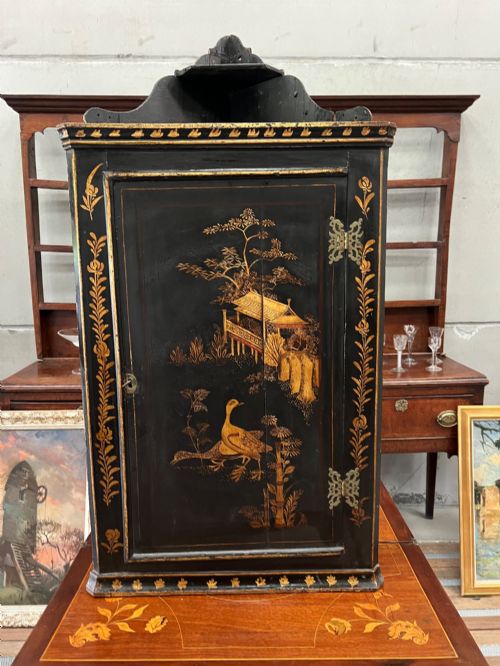
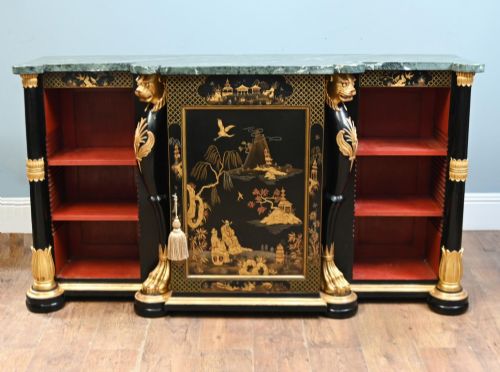
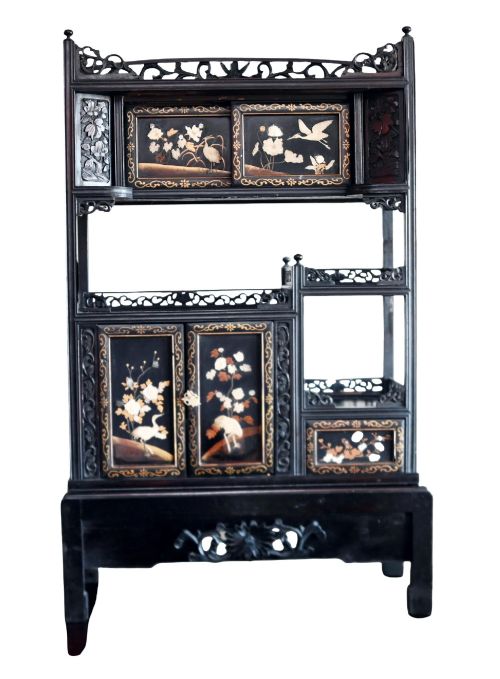
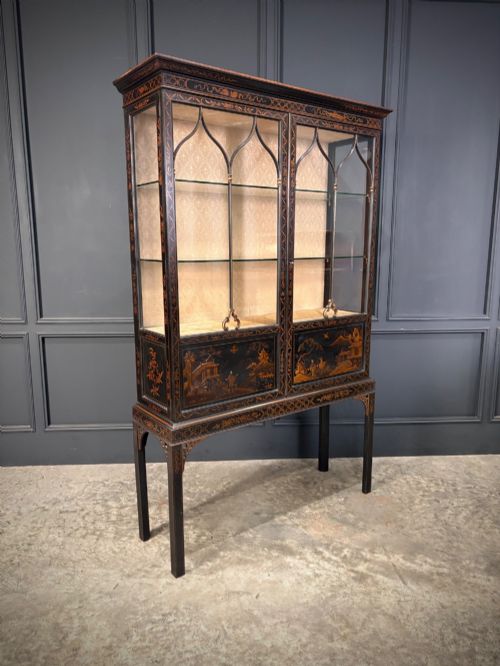
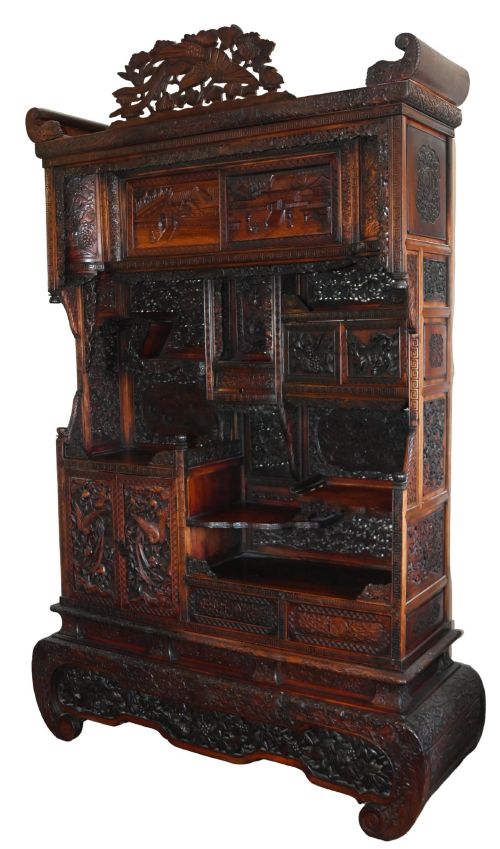
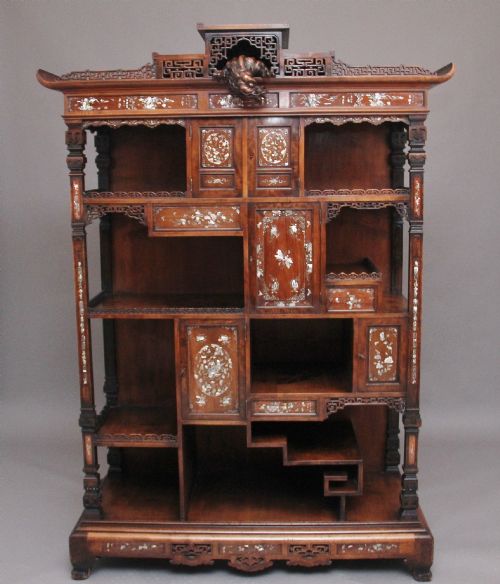
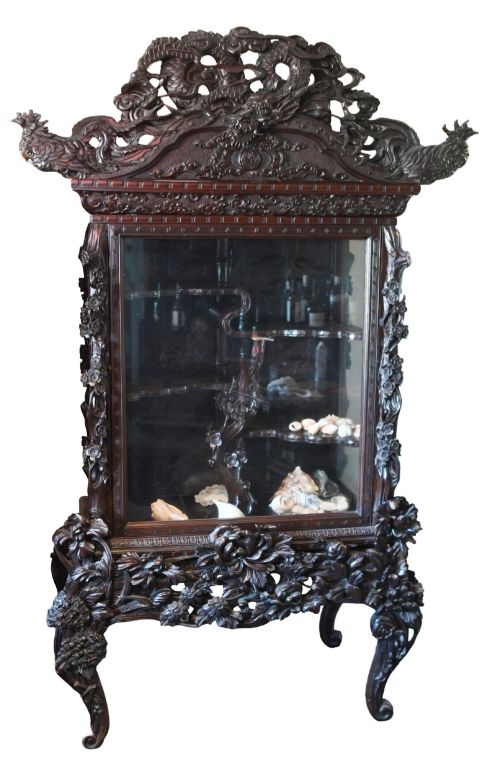
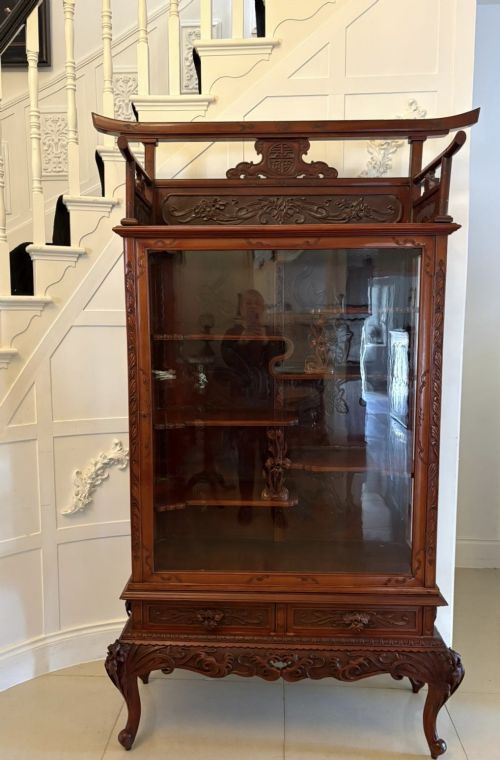
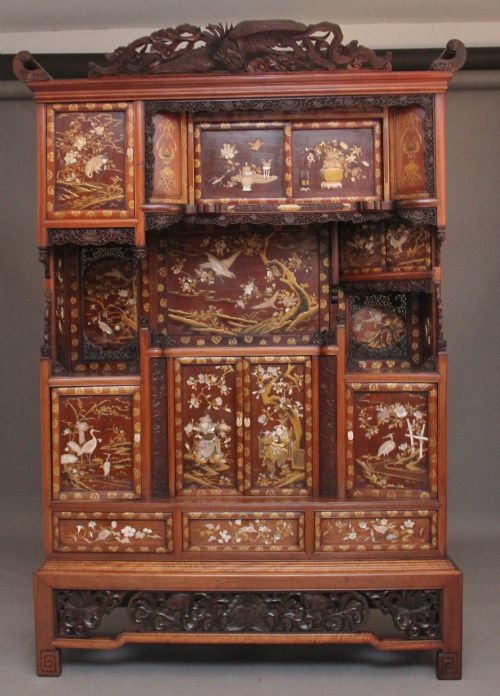
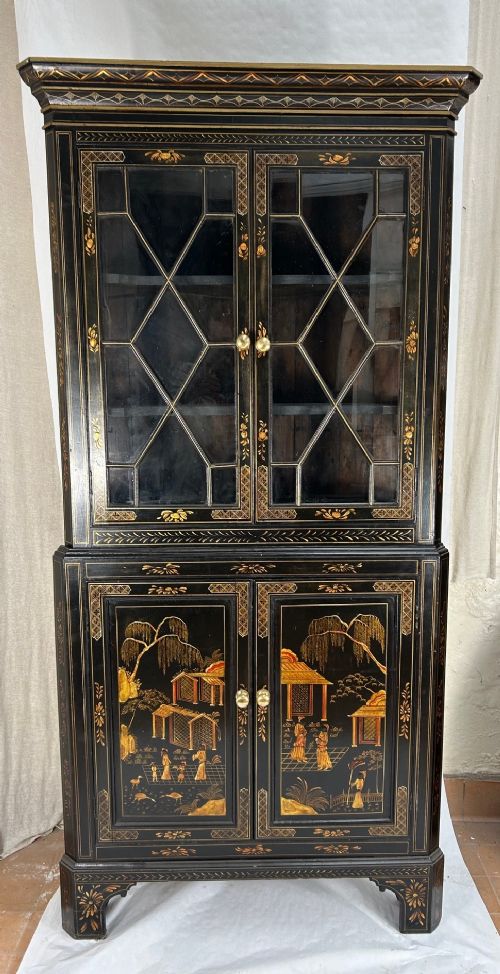
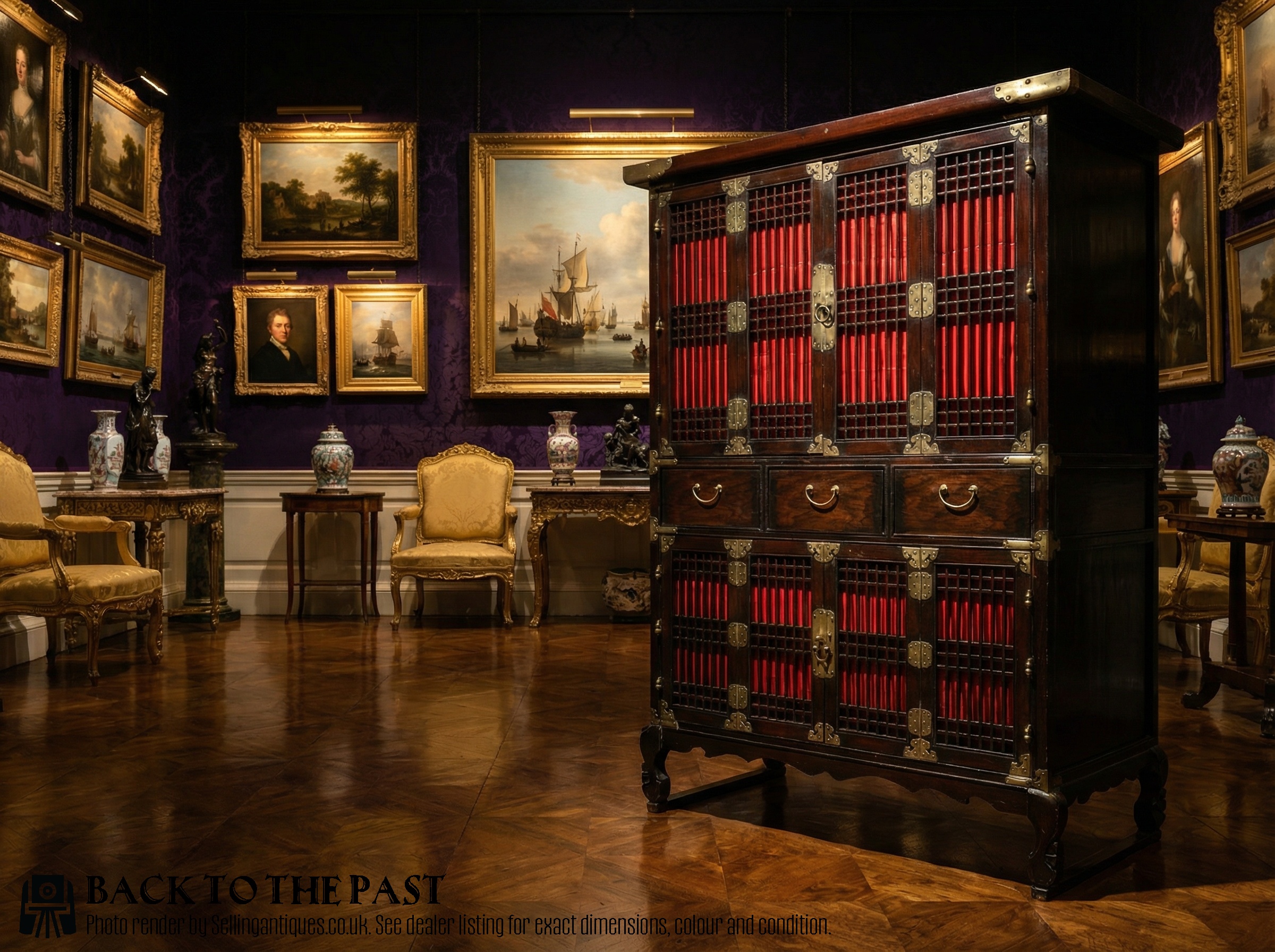
An oriental display cabinet serves to exhibit porcelain, small sculptures and curiosities while providing enclosed storage beneath or within its framework. When searching for this phrase, buyers encounter various forms including freestanding corner cupboards, multi-tiered shodanas and tall marriage cabinets.
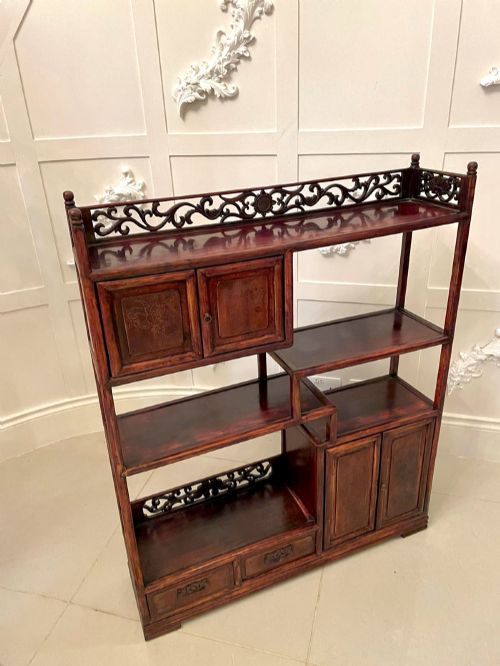
The pieces on this page span the nineteenth and early twentieth centuries, drawing heavily from Chinese and Japanese aesthetics. Examples range from elaborate red lacquered wedding pieces to intricate bamboo and hardwood shelving units.
Makers and workshops from both Asian traditions and European adaptors contributed to this genre. French cabinet makers of the late nineteenth century frequently drew inspiration from Japanese forms, producing distinct hybrid designs.
How they were made
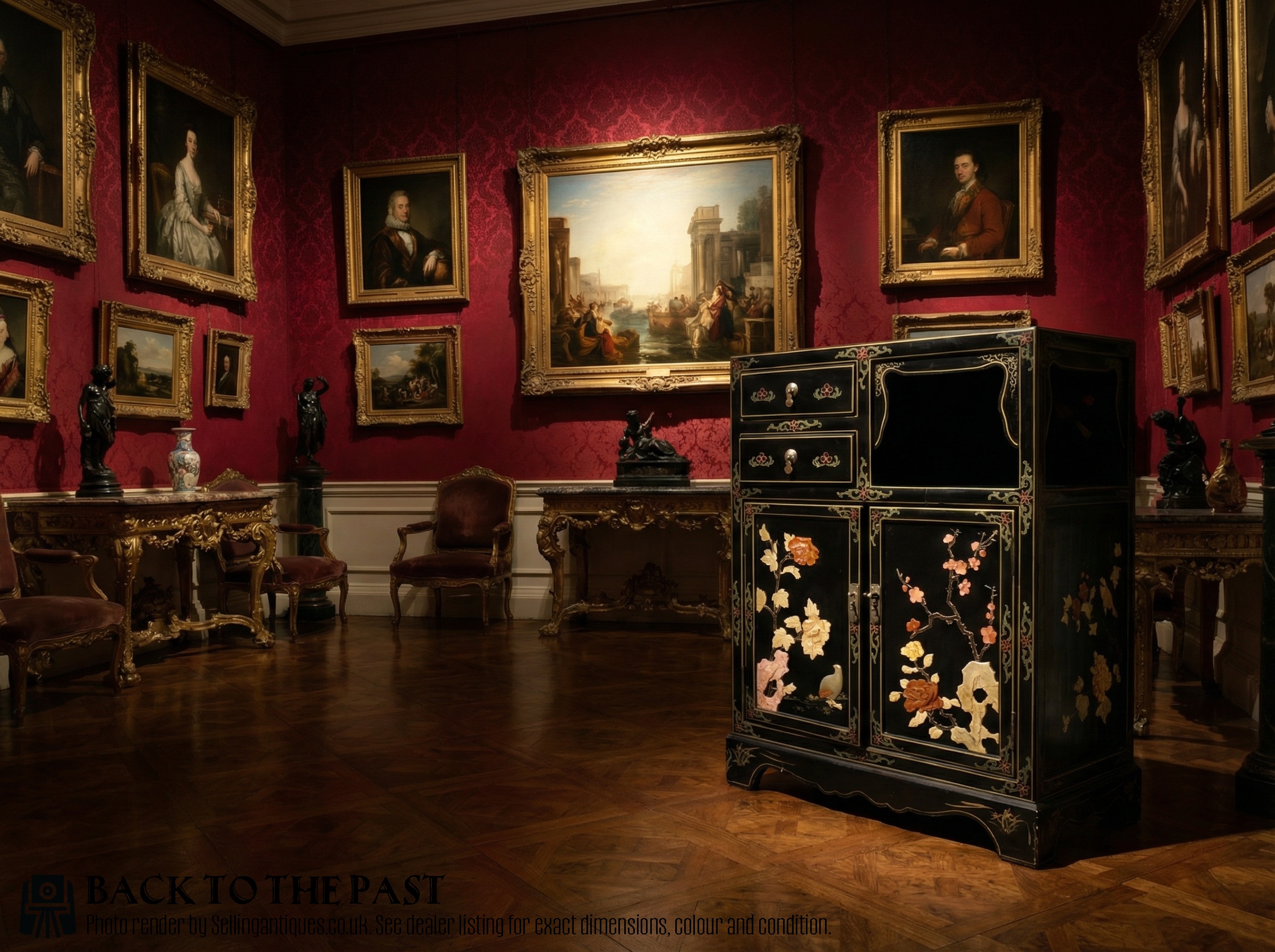
Carpenters utilised dense oriental hardwoods such as elm, mahogany and padouk alongside flexible bamboo to construct the carcasses. These sturdy frames often supported elaborate surface decoration, including hand-carved wood panels and mother of pearl inlay.
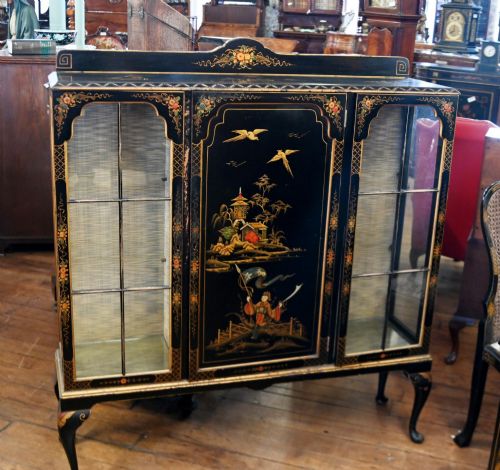
Lacquer work formed a central technique, requiring multiple layers of sap to build a deep, lustrous finish upon wood surfaces. Artisans added contrasting details using gold leaf, brass mounts and cloisonné enamel panels.
Glazing and open shelving were carefully integrated to showcase decorative plates and vessels. Cabinet makers balanced structural stability with delicate fretwork to achieve the tiered display areas seen in shodanas and étagères.
Oriental Display Cabinet Retail Price Guide 2026
Typical asking prices for oriental display cabinet among the pieces listed under this phrase on Sellingantiques today, from the lower quarter to the upper quarter. They describe what is for sale here now, not the wider market.
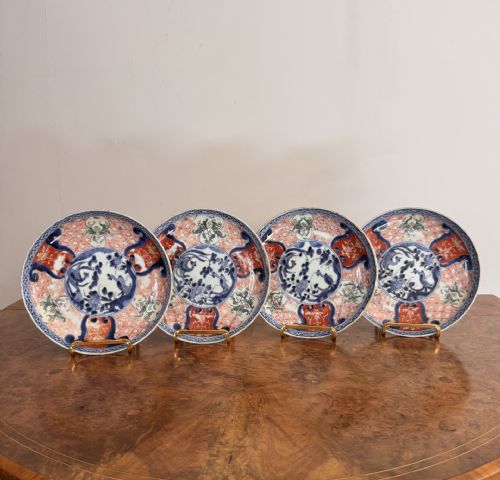
The inventory encompasses diverse object types including display cabinets, corner cabinets, occasional tables and decorative chargers.
What varies in quality
The depth and precision of the carving dictate much of the worth, distinguishing hurried production from careful workshop execution. Hand-applied lacquer with multiple polished coats creates a richer tactile depth than flat, modern painted finishes.
Hardware and joinery reveal the integrity of the construction, from flush-fitting doors to securely pinned mortise and tenon joints. Original brass hinges, locks and decorative plates retain their proper weight and patination over time.
The integration of precious materials such as mother of pearl inlay and genuine gold leaf distinguishes finer examples. Preserved surfaces without excessive restoration maintain historical value for the collector.
Gabriel Viardot·Gabriel Frederic Viardot
The Oriental Display Cabinet Glossary
- Shodana
- A Japanese multi-tiered display cabinet featuring staggered shelves, cupboards and sliding panels. These pieces were designed to exhibit small works of art and porcelain.
- Chinoiserie
- The European interpretation and imitation of Chinese and East Asian artistic traditions, popular in furniture and decorative arts during the nineteenth century.
- Imari
- A type of Japanese porcelain decorated in underglaze blue and overglaze red, gold and black. Plates and chargers in this style frequently accompany oriental cabinetry.
- Japonisme
- A late nineteenth-century Western movement in the arts inspired by Japanese prints and decorative objects. French makers often adopted these motifs in their furniture designs.
- Lacquer
- A durable varnish derived from tree sap, applied in successive layers and polished to a smooth finish. It protects the underlying wood while providing a glossy canvas for decoration.
Oriental Display Cabinet: Frequently Asked Questions
How do I date an oriental display cabinet?
Dating relies on examining the construction methods, wood types, hardware and surface finishes used by the maker. Nineteenth-century examples often display hand-cut joinery and traditional lacquer work.
Stylistic cues such as Meiji period motifs or late Victorian Japonisme influence help narrow the manufacturing era. Comparing the hardware and internal construction to dated archival examples offers further clarity.
Where should I place an oriental display cabinet?
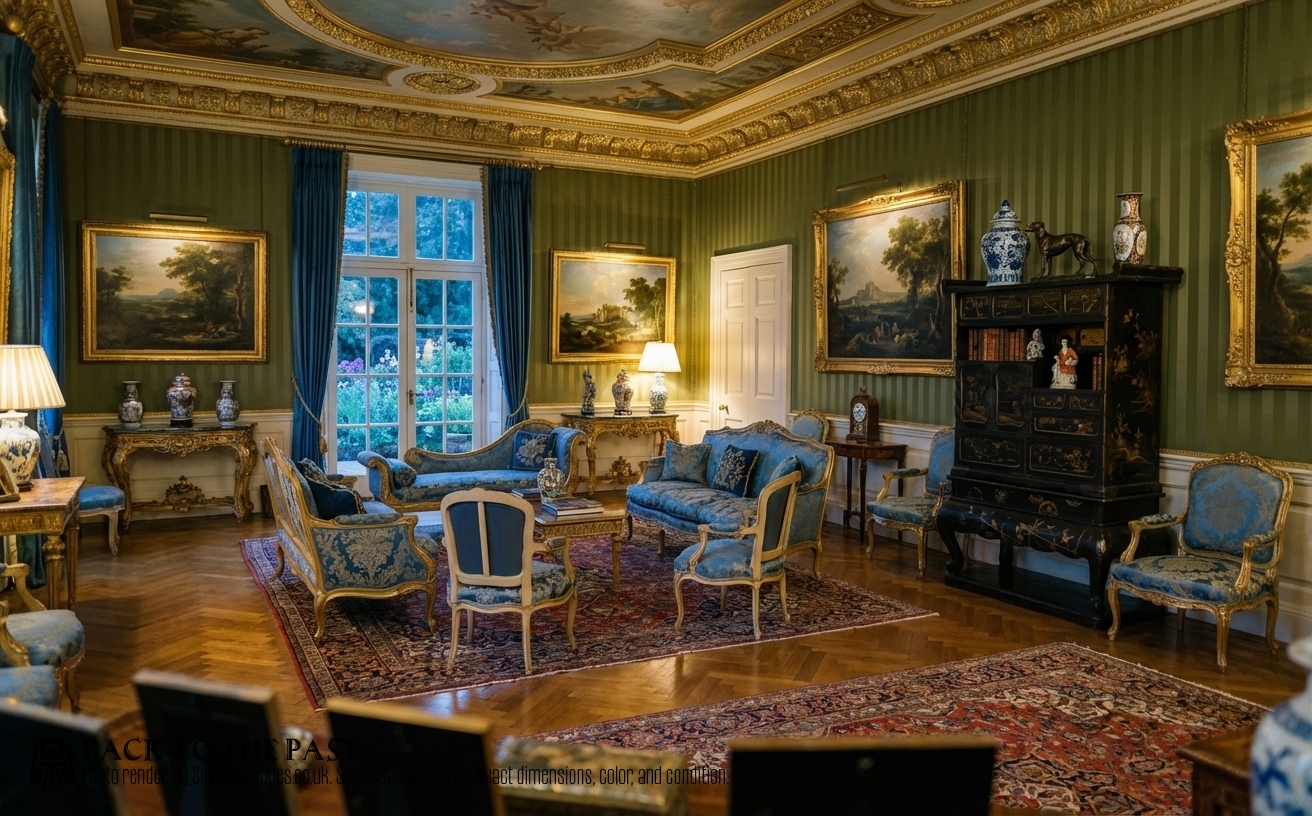
These cabinets work well in living rooms, dining spaces or studies where they can serve as a focal point. Their glass panels and open shelves suit the display of ceramics, glassware and small sculptures.
Positioning them away from direct sunlight protects delicate lacquer and wood finishes from fading. Ensuring stable floor placement prevents strain on tall, multi-tiered structures.
How do I care for lacquer and hardwood furniture?
Maintaining these pieces requires gentle dusting with a soft, dry cloth to prevent surface scratching. Avoiding harsh chemical cleaners preserves the integrity of the original lacquer and polished wood.
Keeping the furniture away from direct heat sources and extreme humidity changes protects the wood from warping. Regular, careful maintenance preserves the historical patina and decorative details.