


Chinese China Cabinet
A chinese china cabinet brings together Eastern design motifs and traditional British display furniture to showcase prized ceramics.
Chinese China Cabinet
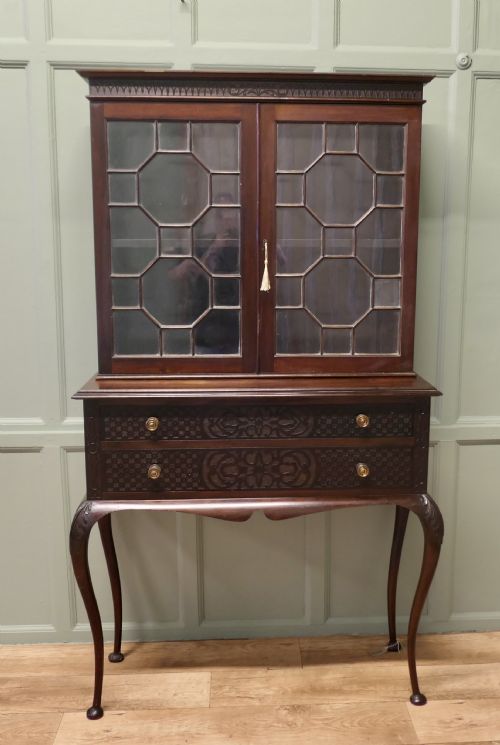
When you search for a chinese china cabinet, you encounter a distinct blend of display furniture and intricate decorative carving spanning the eighteenth to the twentieth centuries. These pieces function primarily as secure housings for porcelain plates and decorative ceramics, utilising glass doors and glazed panels.
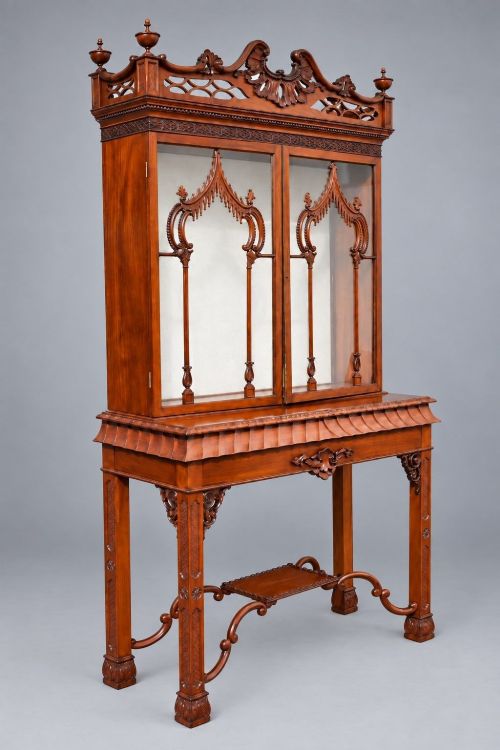
The versions most frequently met on this page include nineteenth-century mahogany pieces built in the Chinese Chippendale and revival styles, alongside solid hardwood cabinets from the late Qing period. Many feature glazed upper sections raised on stands or carved wooden legs.
Alongside major display furniture, the category occasionally encompasses related decorative ceramics such as Famille Rose plates and Imari plates from the eighteenth century. These smaller objects complement the larger cabinetry by representing the exact types of porcelain once housed inside them.
Materials and construction
Cabinet makers relied heavily on dense timbers such as mahogany, rosewood, cherrywood, and general hardwood to build sturdy frames capable of supporting heavy glass panels. These woods were frequently carved with intricate fretwork, lattice patterns, and oriental motifs characteristic of Chinoiserie and Chinese Chippendale aesthetics.
Glazing techniques utilised astral glazed wooden bars or simpler framing to divide the glass viewing areas, while decorative detailing sometimes incorporated mother of pearl inlay, enamel, and traces of gold leaf. Brass hardware often secured the doors and drawers of the larger display cabinets.
Mother of pearl inlay catches the afternoon sun, proving that even a quiet cabinet enjoys a little quiet sparkle.
Judging build and design
Quality in a chinese china cabinet rests upon the crispness of the carved woodwork and the proportional balance of the stand or base. Cabinets featuring deeply undercut fretwork and well-figured mahogany or rosewood represent a higher standard of craftsmanship than simpler, plainer hardwood constructions.
The integrity of the glazing bars and the precision of the joinery further distinguish finer examples from standard production pieces. Superior items display harmonious integration between the structural carcass and the decorative oriental influence applied across the surface.
The Chinese China Cabinet Glossary
- Chinese Chippendale
- A British furniture style from the eighteenth century, later revived in the Victorian era, characterised by pagoda motifs, lattice fretwork, and asymmetric oriental details. It merges English cabinet making with Asian design elements.
- Chinoiserie
- The European interpretation and imitation of Chinese artistic traditions, applied to furniture, ceramics, and interior decoration. It frequently employs motifs of landscapes, figures, and architectural pagodas.
- Astral Glazing
- A method of dividing a glass door or window into smaller panes using slender wooden or metal bars. This technique creates a grid pattern that protects the glass while framing the contents.
- Famille Rose
- A palette of Chinese porcelain enamels dominated by opaque pink or rose colours, introduced during the Qing Dynasty. It appears widely on eighteenth-century decorative plates.
- Qing Dynasty
- The final imperial dynasty of China, lasting from the seventeenth to the early twentieth century. Pieces from this era often define the authentic Asian aesthetic seen in revival furniture and ceramics.
Chinese China Cabinet: Frequently Asked Questions
What is a chinese china cabinet used for?
These cabinets were designed to protect and display valuable porcelain, plates, and decorative ceramics. The glass doors kept dust away while allowing owners to exhibit their collections to visitors.
Today, they serve the exact same purpose in domestic interiors, offering a dedicated focal point for displaying antique porcelain or glassware.
How do I date a mahogany display cabinet?
Dating relies on examining the timber grain, construction techniques, and stylistic markers such as Victorian revival details or original nineteenth-century hardware. The presence of hand-cut joinery and period-specific glass provides strong chronological clues.
Comparing the decorative carving against documented Chippendale revival patterns helps narrow down whether a piece dates to the Victorian period or later.
What is the difference between Chinese Chippendale and Chinoiserie?
Chinese Chippendale specifically refers to a furniture style defined by specific structural motifs like lattice fretwork, pagoda tops, and square legs. It represents a structured British cabinetry approach.
Chinoiserie is a broader decorative term describing European artistic interpretations of Chinese themes, which can appear on painted furniture, lacquerwork, and porcelain without using Chippendale structural forms.
How do I incorporate a hardwood cabinet into a modern room?
A dark hardwood display piece works well as a contrasting anchor against neutral walls, grounding the surrounding decor. Its natural timber tones pair effectively with both contemporary and traditional interior schemes.
內部 lighting or thoughtful placement near a light source enhances the glass panels, ensuring the ceramics inside remain clearly visible.