



Chinese Glazed Cabinet
A chinese glazed cabinet brings the lightness of Oriental motifs and glass display together, offering a striking way to showcase ceramics and silver.
Chinese Glazed Cabinet
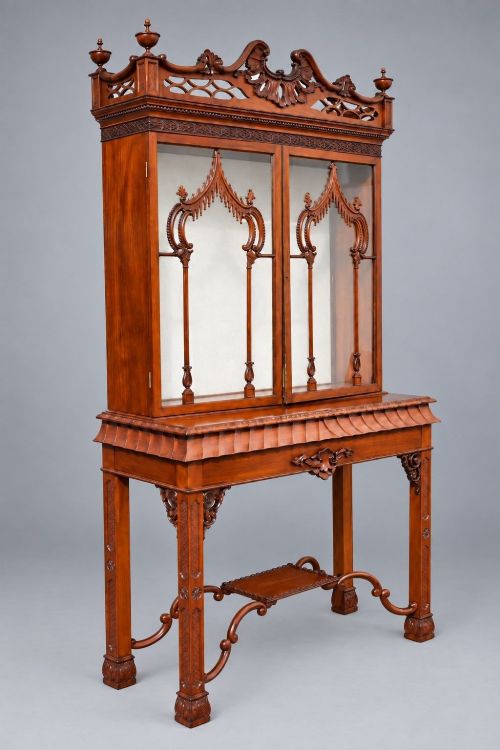
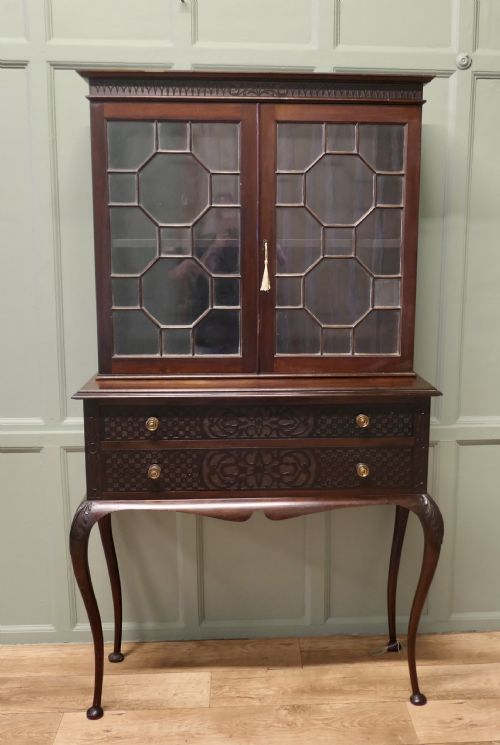
When you search for a chinese glazed cabinet, you are looking at display furniture that merges British cabinet-making traditions with Asian decorative motifs. These pieces typically take the form of display cabinets, bookcases with glass doors, or cabinets on stands designed to elevate collections.
On this page, you are most likely to meet mahogany or hardwood examples created in the Victorian and Edwardian eras. They range from large-scale cabinets to slender silver cabinets, often channeling Chinese Chippendale or Chinoiserie aesthetics.
The periods represented stretch from the late nineteenth century through to the early decades of the twentieth century. Alongside traditional mahogany, you will find pieces fashioned from cherrywood and other hard woods, reflecting varied interpretations of the style.
How they were made
Makers utilised dense timbers such as mahogany and assorted hardwoods to build the structural frames that could support heavy glass panels and internal shelving. Brass hardware often provided functional and decorative accents on doors and stands.
Glazing techniques ranged from astral glass configurations to large single panes designed to maximise visibility of the interior. Carved wood details, painted elements, and mirrored backs were frequently employed to enhance the decorative impact of the Chinoiserie and Chinese Chippendale styles.
Chinese Glazed Cabinet Retail Price Guide 2026
Typical asking prices for chinese glazed cabinet among the pieces listed under this phrase on Sellingantiques today, from the lower quarter to the upper quarter. They describe what is for sale here now, not the wider market.
The listings on this page span the Victorian and Edwardian periods, stretching from eighteen-eighty to nineteen-thirty.
What varies in quality
The refinement of the woodwork largely dictates the standing of a piece, separating straightforward mass-produced furniture from finely carved examples. Crispness in the execution of pierced fretwork and intricate glazing bars marks out the more ambitious workshops.
Proportion and material selection also play a major role in the overall hierarchy. Dense, well-figured mahogany and carefully chosen cherrywood sit at a different level of craftsmanship compared to simpler painted wood alternatives.
The Chinese Glazed Cabinet Glossary
- Astral glass
- Glass held within a fine network of wooden glazing bars, dividing the door into smaller geometric panes. This technique is frequently seen on nineteenth-century bookcases and display pieces.
- Chippendale Revival
- A later nineteenth-century reinterpretation of Thomas Chippendale's eighteenth-century designs, incorporating exuberant Chinese-inspired fretwork and fret-cut brackets. It heavily influences the proportion of these cabinets.
- Chinoiserie
- European artistic style and interpretation of Chinese and East Asian artistic traditions, prominent in decorative motifs and carved wood details. It appears across various periods on this page.
- Hardwood
- Dense, durable timber from broad-leaved trees, used for sturdy cabinet frames that withstand daily use. It is a defining material for many nineteenth-century examples.
- China display cabinet
- A specialised piece of furniture featuring glass doors and shelves specifically built for exhibiting ceramic tableware. These cabinets often include mirrored backs to reflect light.
Chinese Glazed Cabinet: Frequently Asked Questions
What is a chinese glazed cabinet?
A chinese glazed cabinet is a display piece featuring glass doors and Oriental-inspired design motifs, built to showcase precious objects.
These pieces combine functional storage with decorative display, utilising materials like mahogany, hardwood, and brass.
How were they used?
These cabinets were designed primarily for displaying prized porcelain, silver, and curiosities within the formal rooms of a home.
The glass doors kept dust away from delicate collections while allowing guests to admire the contents from across the room.
How do I date a cabinet?
Dating relies on identifying the prevailing style, such as Victorian Chinese Chippendale revival or Edwardian influences, alongside construction methods.
Materials like cherrywood, mahogany, and painted wood also offer clues to the specific manufacturing period between the nineteenth and early twentieth centuries.
Where should I place one?
Position your cabinet in a well-lit reception room or dining space where its glass panels and carved details can be properly appreciated.
Ensure it sits away from direct sunlight to protect both the timber frame and any delicate items stored inside.