




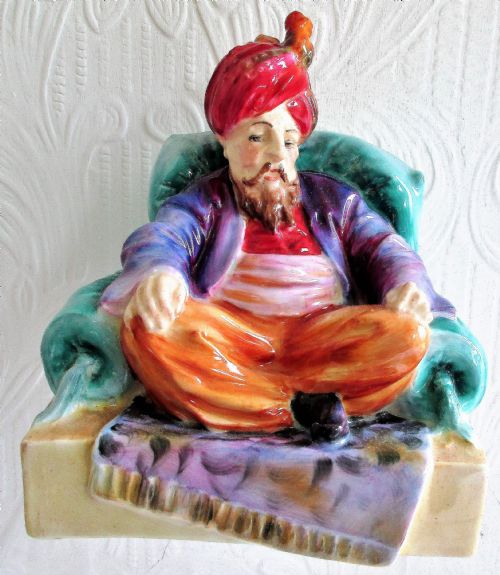
Oriental Decorative Figures
Oriental decorative figures bring centuries of craft from China and Japan into a room through bronze, porcelain, and carved wood.
Oriental Decorative Figures
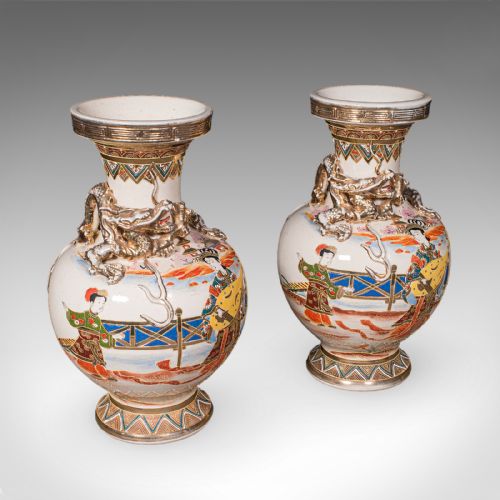
Oriental decorative figures encompass carved sculptures, ceramic figurines, and bronze animals spanning the eighteenth, nineteenth, and early twentieth centuries. These works include figures of deities, animals, and human subjects originating from distinct periods such as the Meiji era and the Chinese Republic period. Satsuma ceramics and cloisonné enamel pieces appear frequently alongside works in hardwood and bronze.
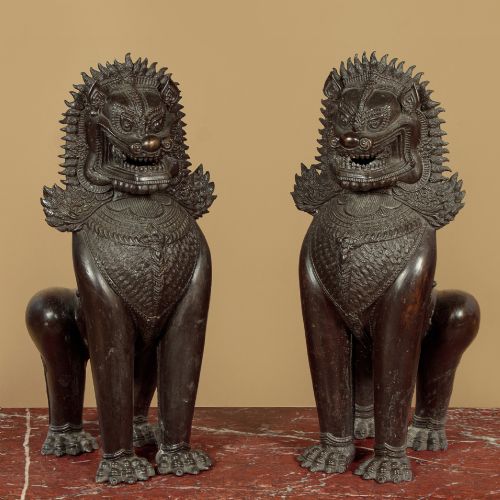
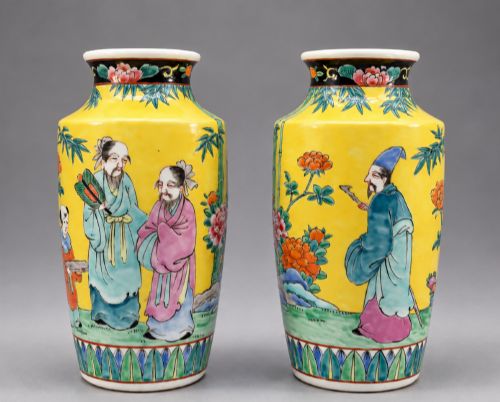
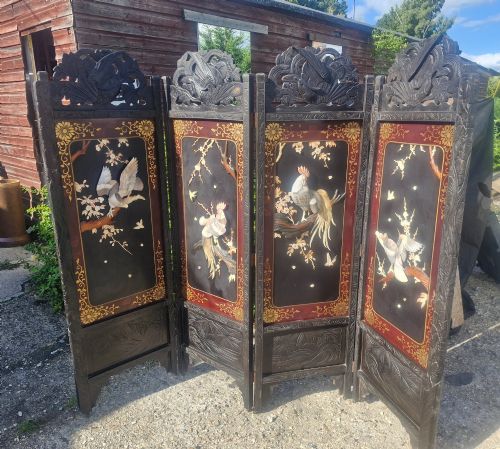
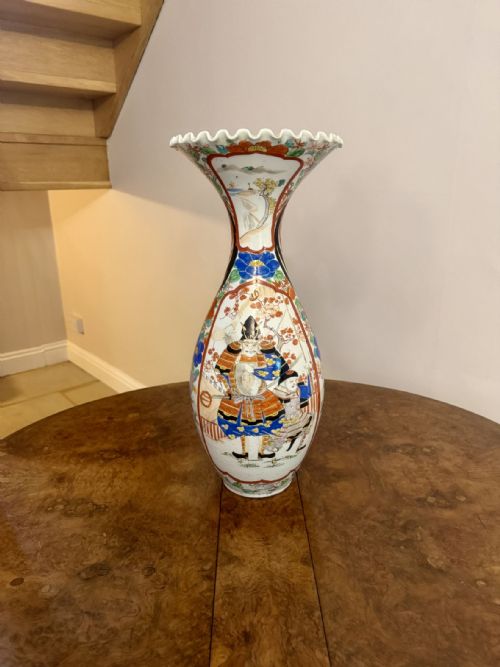
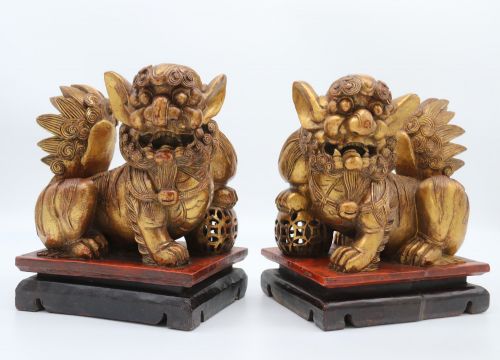
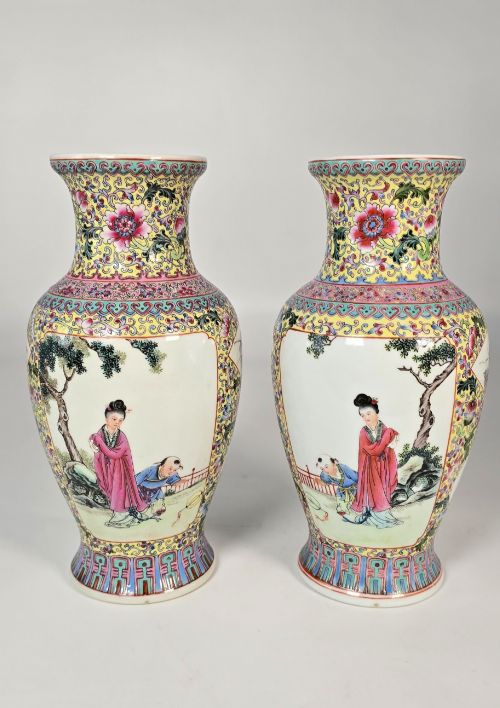
Buyers encounter various forms, ranging from large bronze horses and temple lions to delicate porcelain vases with figural scenes and carved ivory-bone folding screens. Many examples depict specific cultural motifs, such as scholars, deities like Kannon, and animals including monkeys and roosters. The selection draws primarily from Japanese and Chinese traditions produced for both domestic use and export markets.
Materials and Construction
Makers shaped these pieces using traditional media including earthenware, porcelain, bronze, brass, hardwood, and lacquer. Ceramic pieces often utilise detailed enamel painting, gold leaf application, and Sancai glazes.
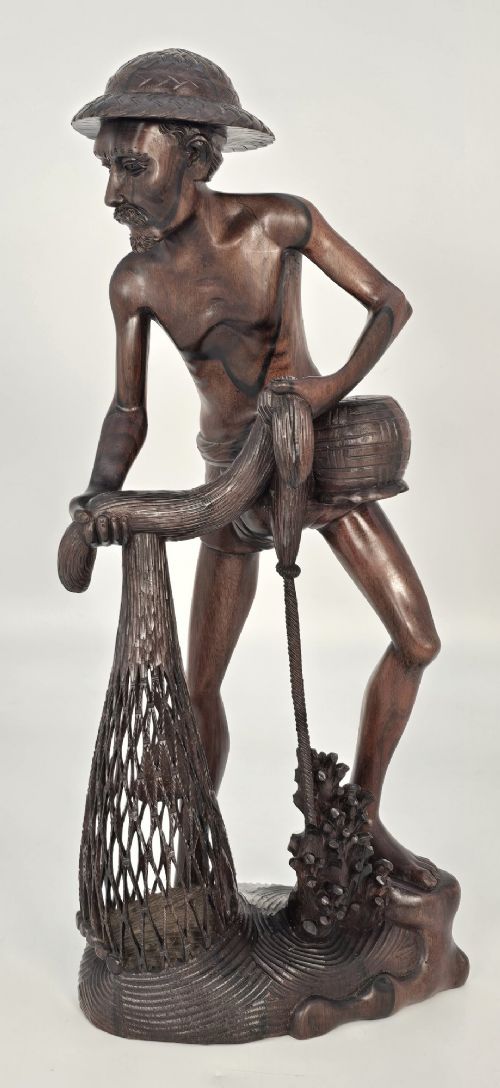
Carved works display intricate handwork in bamboo, bone, and dense hardwoods such as those seen in figures of fishermen and ceremonial elephants. Metal objects combine casting methods with surface finishing like cloisonné wirework and gilding.
Oriental Decorative Figures Retail Price Guide 2026
Typical asking prices for oriental decorative figures among the pieces listed under this phrase on Sellingantiques today, from the lower quarter to the upper quarter. They describe what is for sale here now, not the wider market.
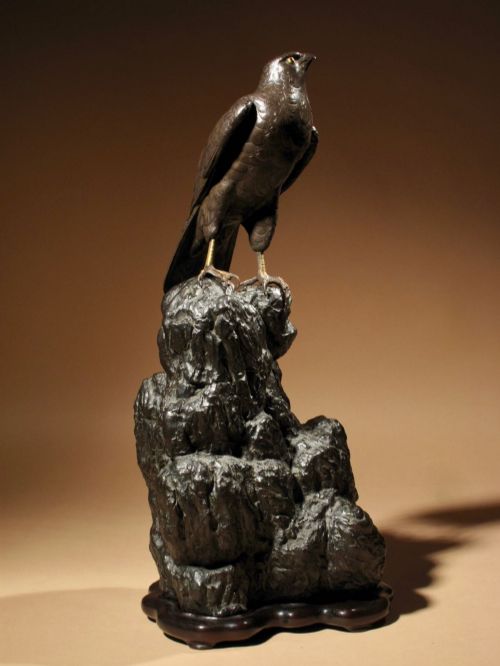
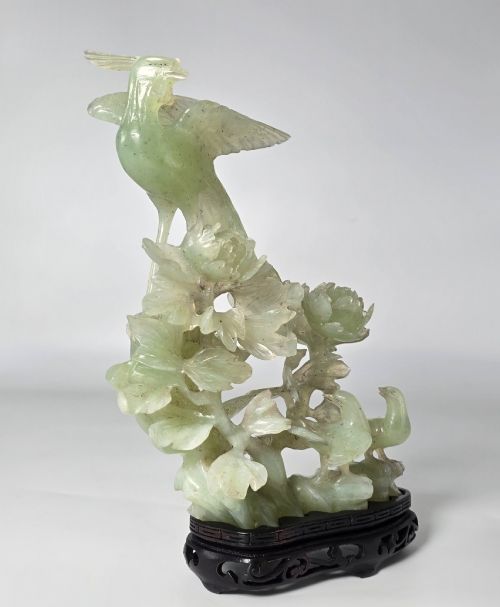
Several items capture animals in unusual poses, including a hawk perched on a craggy rock and a carved monkey inspecting its surroundings.
Assessing Quality and Execution
Quality rests upon the crispness of the hand-carving and the precision of the enamel or painted details. Finer porcelain and ceramic pieces show controlled brushwork and clear glazing without distortion.
Kinkozan Kyoto Satsuma·Famous Meizan mark·Kōko
The Oriental Decorative Figures Glossary
- Satsuma
- A type of Japanese earthenware featuring a crackle glaze decorated with polychrome enamels and gilding. These items were produced extensively during the nineteenth and early twentieth centuries.
- Cloisonné
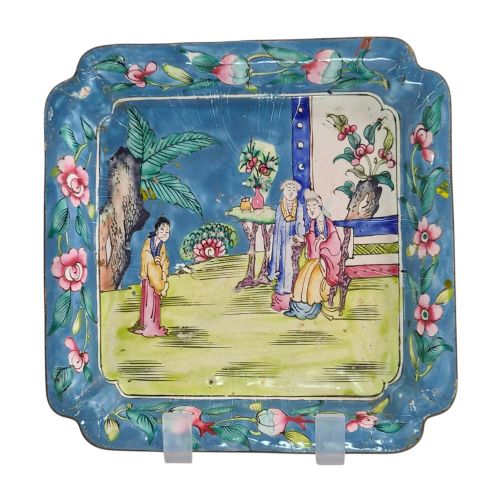
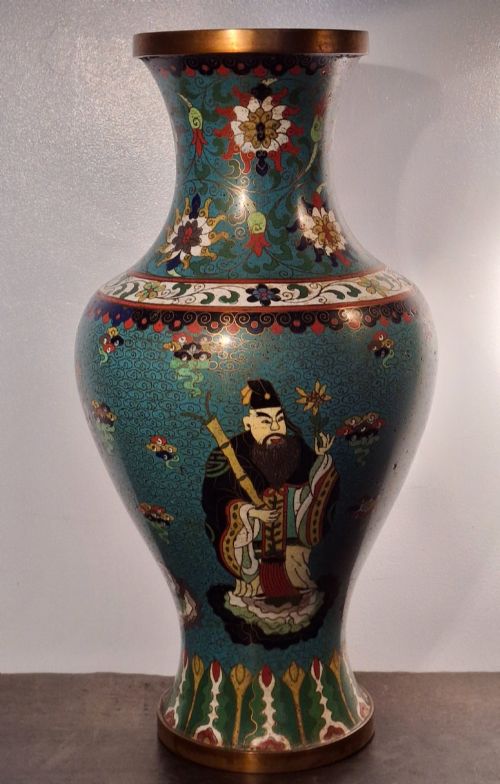
- A metalwork technique where thin wire partitions form compartments that are filled with enamel paste and fired. This method creates intricate patterns on vases, plates, and animal figures.
- Meiji Period
- The era in Japanese history spanning from 1868 to 1912, characterised by opening trade with the West and high artistic output in metal and ceramic crafts.
- Famille Rose
- A palette of opaque rose-pink enamel introduced to Chinese porcelain production during the Qing dynasty. The style gained popularity for domestic vessels and export wares.
- Okimono
- A small Japanese decorative carving intended for display in an alcove or interior space. These sculptures frequently depict figures from folklore, deities, or animals.
Oriental Decorative Figures: Frequently Asked Questions
What are Satsuma ceramics?
Satsuma ceramics are Japanese earthenwares characterised by an ivory-coloured crackle glaze. Artisans decorated these surfaces with detailed hand-painted designs and gold leaf.
These pieces range from small bowls to large baluster vases, often featuring figural scenes of historical or mythological subjects.
How do I care for bronze figures?
Bronze figures require minimal maintenance to preserve their metal surfaces and patinas. Dusting with a soft, dry cloth prevents the accumulation of grime.
Keep these objects away from direct moisture and direct sunlight to protect any applied gilding or lacquer finish.
What is cloisonné enamel?
Cloisonné enamel involves soldering thin metal wires onto a metal base to create enclosed cells. These cells are filled with coloured glass paste before firing and polishing.
This technique produces durable decorative plates, vases, and animal sculptures with vibrant, segmented colour patterns.
How can I date a piece?
Dating relies on stylistic markers, material composition, and any maker marks present on the base. Victorian and Meiji era items often display specific export signatures or regional glazes.
Comparing the manufacturing technique and decorative motifs with documented historical periods helps narrow down the production decade.