



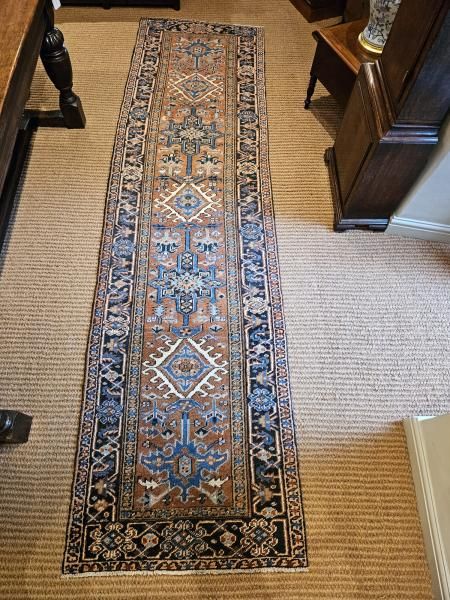
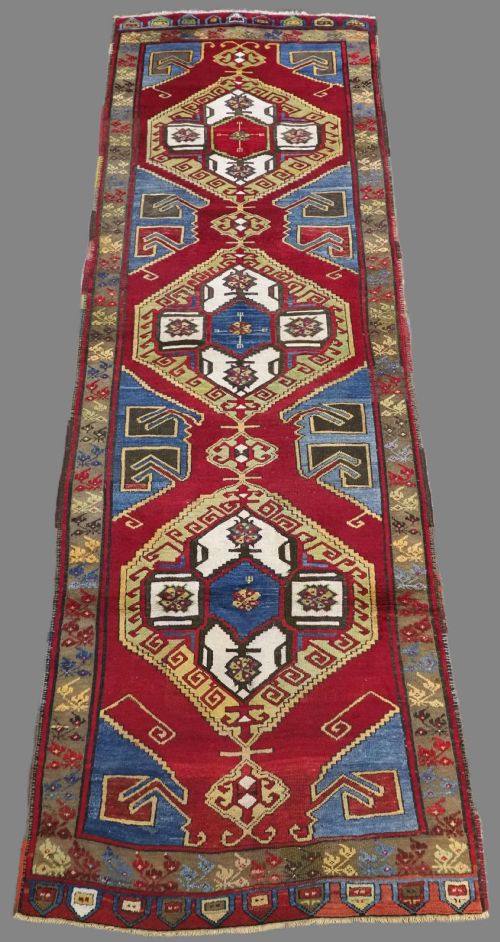
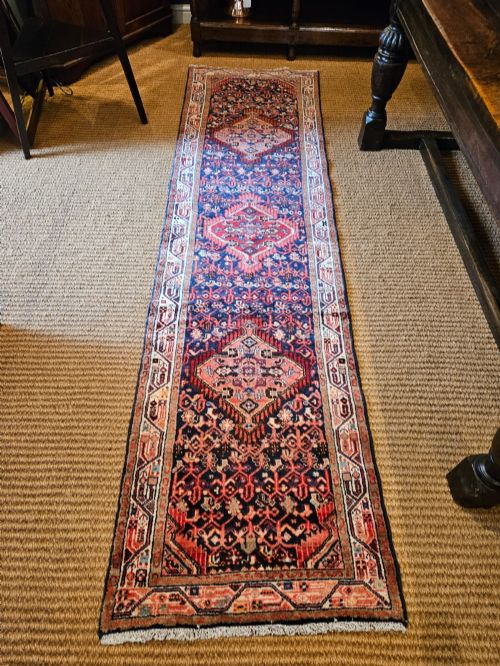
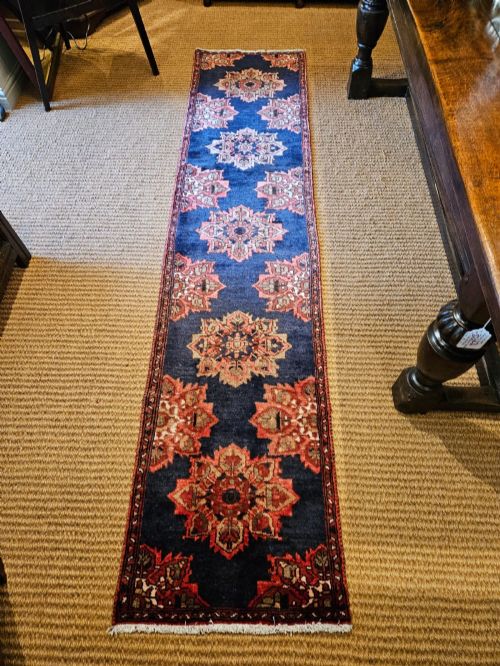
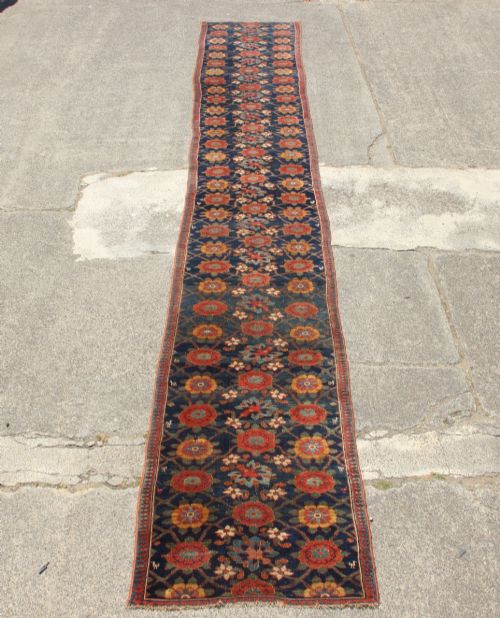
Oriental Corridor Carpet
An oriental corridor carpet brings warmth and striking geometry to long hallways and narrow rooms through traditional hand-knotted craftsmanship.
Oriental Corridor Carpet
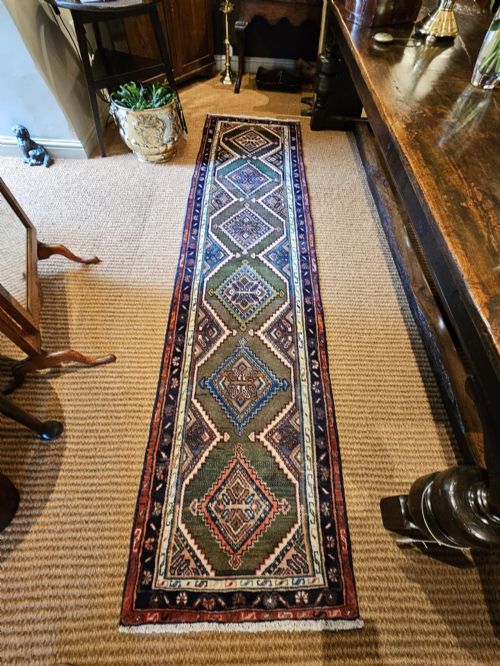
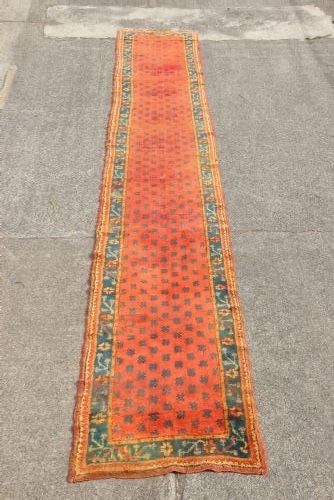
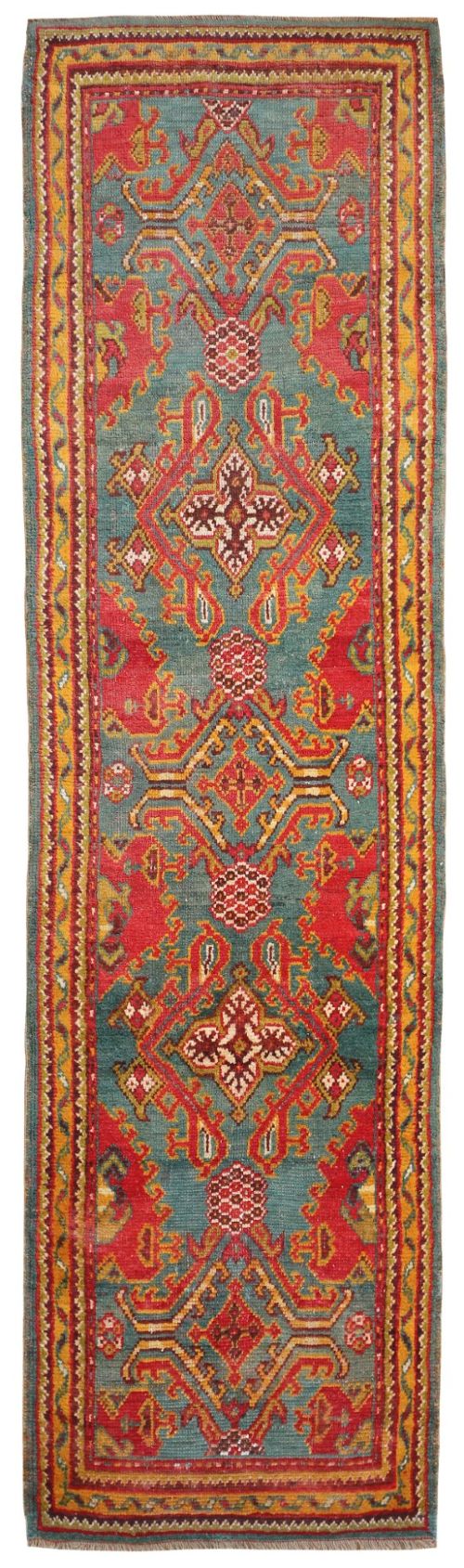
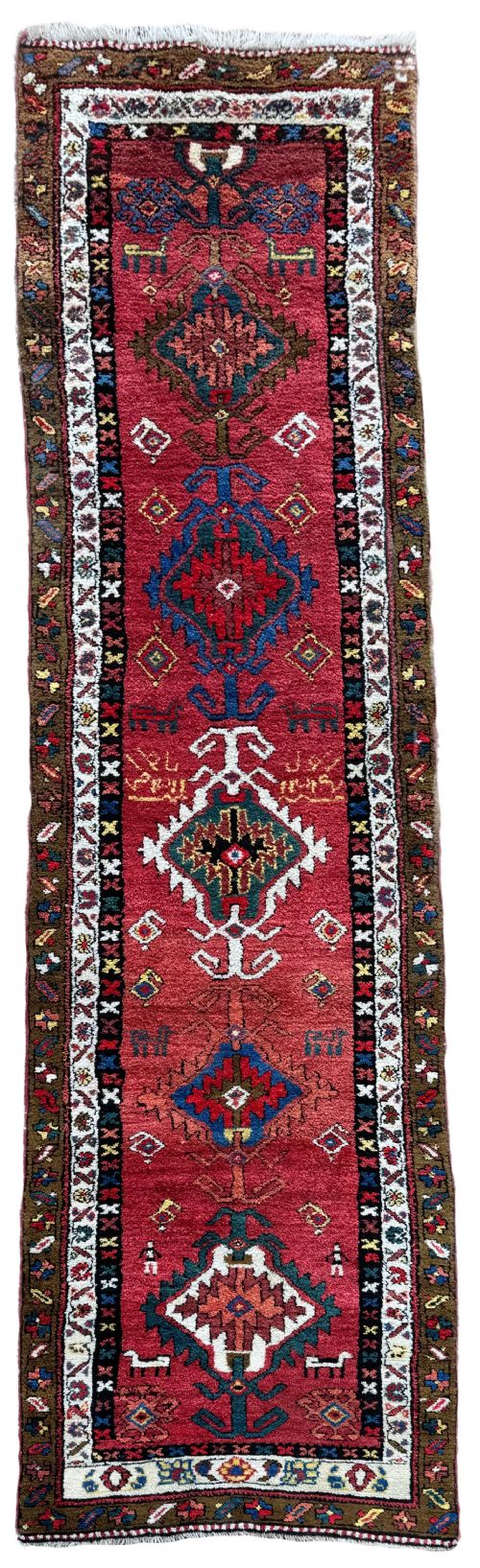
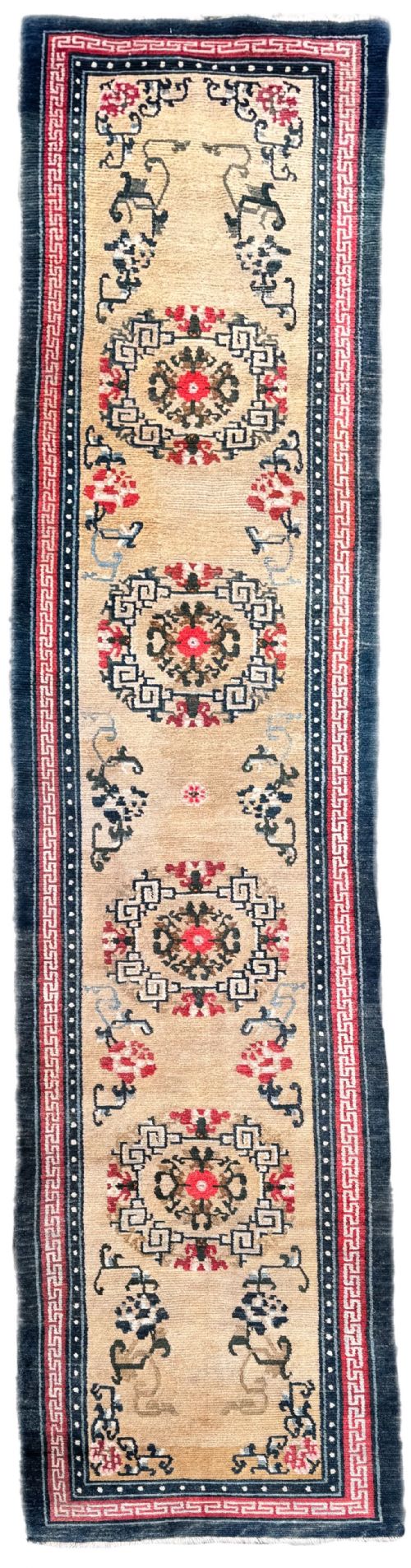
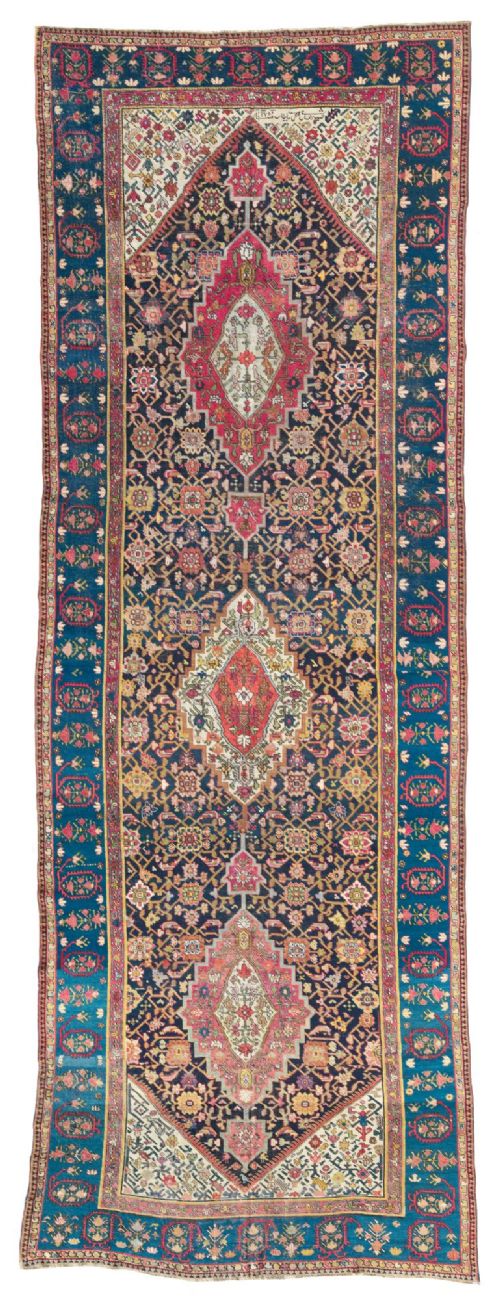
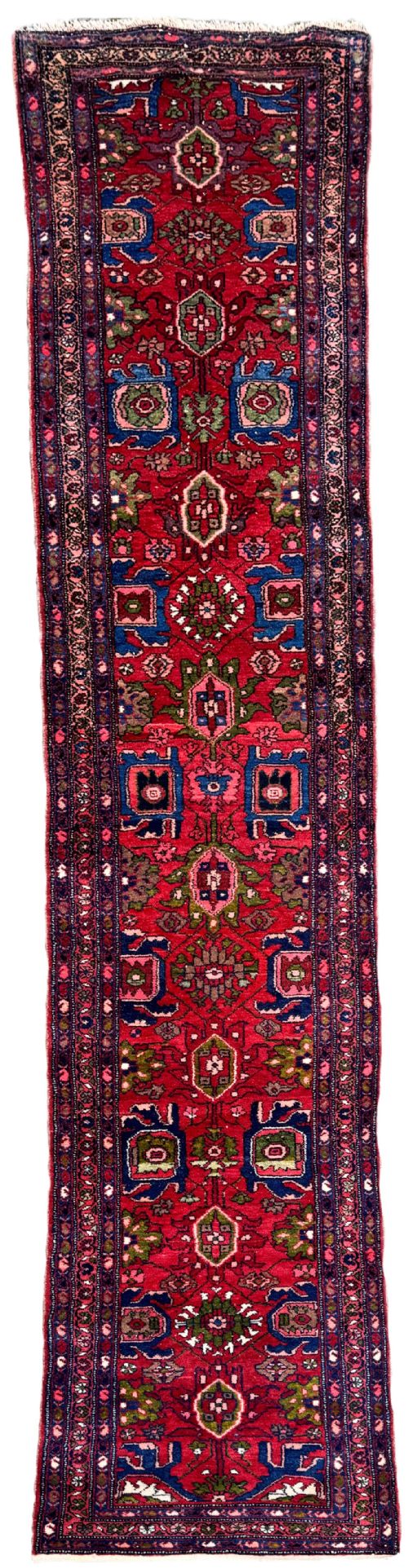
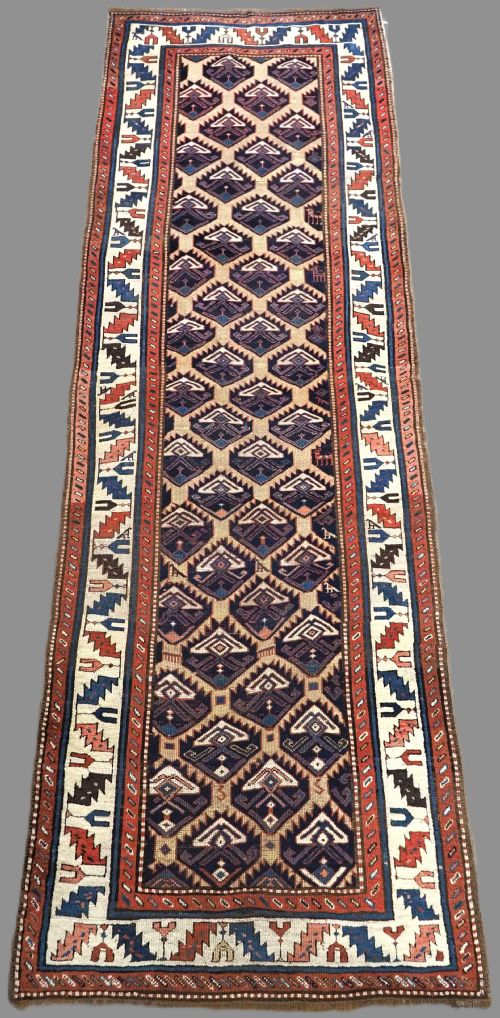
An oriental corridor carpet is a long, narrow textile designed primarily for hallways, landings, and galleries where length is required to anchor the floor space. When searching for an oriental corridor carpet, buyers encounter pieces originating from Persian, Caucasian, Anatolian, Kurdish, and Tibetan weaving traditions. These rugs typically date from the nineteenth and early twentieth centuries, spanning periods such as 1850, 1890, 1900, and 1910.
The format of an oriental corridor carpet ranges from compact runners measuring around two metres to expansive kelims and kellehs exceeding five or six metres in length. Common regional styles include Heriz, Ushak, Kazak, Hamadan, and Shirvan, each bringing distinct tribal or geometric motifs to the interior. These floor coverings bridge the gap between utility and artistry, offering durable footing while displaying centuries-old cultural iconography.
How they were made
Makers of an oriental corridor carpet relied heavily on natural materials such as wool, hand-spun wool, and cotton foundations to build structural integrity. Wool supplied the pile for warmth and resilience under heavy foot traffic, whilst cotton or wool foundations formed the warp and weft grid.
Weavers knotted the pile by hand, tying intricate geometric, floral, or lattice patterns using traditional dyes derived from local plants and minerals. This meticulous hand-knotting process ensured that each oriental corridor carpet could endure decades of use in high-traffic corridors.
Several examples of oriental corridor carpet display a delightfully crooked geometry from being woven on rural nomad looms.
What varies in quality
The quality of an oriental corridor carpet depends largely on the tightness of the knotting and the quality of the wool employed in the pile. Tighter knots allow for sharper definition in intricate motifs like the Mina Khani or lattice designs, distinguishing finer village and tribal pieces from coarser alternatives.
Condition and integrity also dictate the standing of an oriental corridor carpet, as uneven wear, historical repairs, or pile loss alter the visual harmony of the runner. The depth and stability of natural dye colours further separate standard utilitarian rugs from exceptional collector examples.
The Oriental Corridor Carpet Glossary
- Runner
- A long, narrow carpet format specifically proportioned for corridors, hallways, and staircases. It guides the eye and foot along narrow architectural spaces.
- Kelleh
- A large, room-sized or extended format carpet that sits between a standard rug and a corridor runner in traditional Persian and Caucasian weaving. These pieces often feature grander medallion layouts.
- Warp
- The vertical threads stretched tightly on the loom that form the foundational skeleton of a hand-knotted carpet. The pile knots are tied directly onto these structural threads.
- Weft
- The horizontal threads passed back and forth across the warp threads after each row of knots to lock the pile securely in place. It determines the firmness of the rug's body.
- Pile
- The upright cut or looped surface of wool yarn that forms the upper texture of the carpet. A dense pile cushions foot traffic and protects the foundation.
Oriental Corridor Carpet: Frequently Asked Questions
Where should I place a runner?
An oriental corridor carpet works best in high-traffic transition zones such as hallways, long entryways, and wide landings where floor protection and visual impact are needed.
Because of their elongated dimensions, these carpets also suit gallery spaces or narrow kitchen floors where standard rectangular rugs do not fit.
How do I care for antique wool?
Vacuum gently using a suction-only attachment without a rotating brush bar to protect the delicate hand-knotted pile from snagging or pulling loose.
Professional specialist cleaning is recommended every few years to remove embedded grit without damaging the fragile historical fibres.
What is a tribal design?
Tribal designs originate from nomadic or village weaving groups who passed geometric motifs, stylized animals, and symbolic patterns down through generations rather than following rigid court workshops.
These patterns often feature bold medallions, hooked polygons, and striking colour contrasts unique to specific regions like the Caucasus or Kurdistan.
How do I determine the age?
Age is typically assessed by examining the characteristics of the wool, the composition of natural versus synthetic dyes, and the specific structural weave of the foundation.
Stylistic markers, such as traditional Anatolian or Persian village motifs tied to specific nineteenth and early twentieth-century periods, also help narrow down the date of production.