
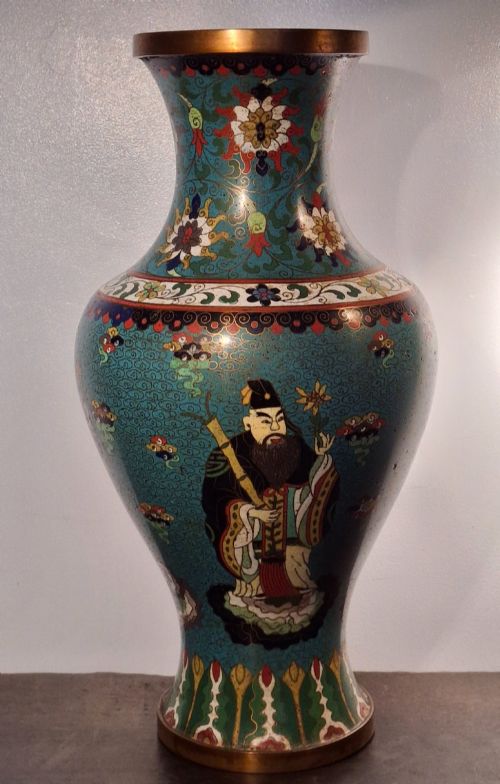
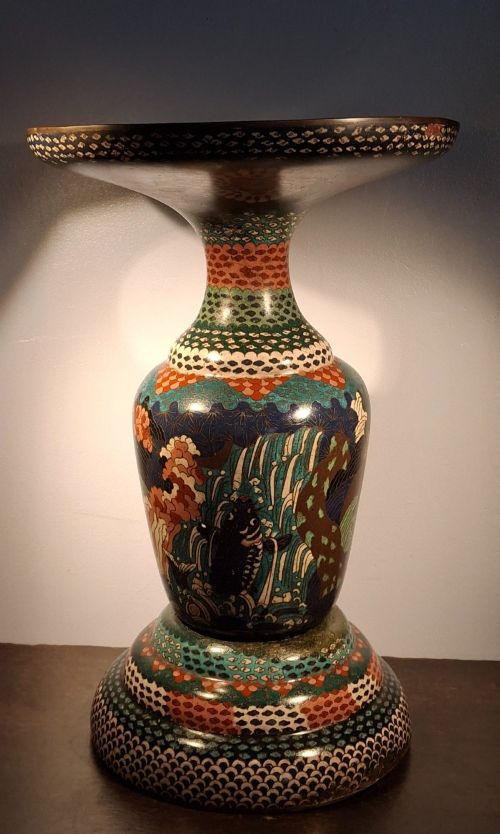
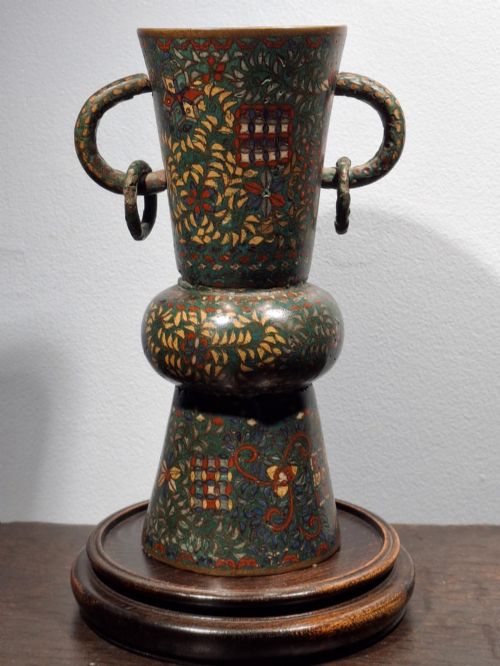
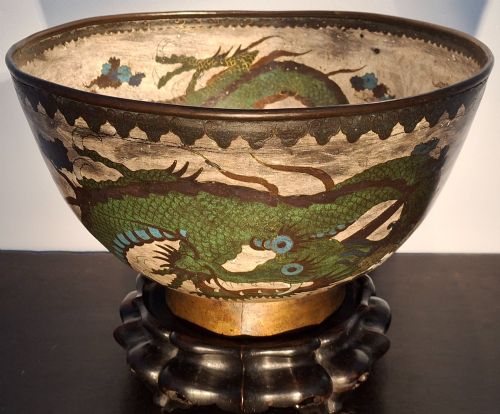
Oriental Cloisonne Vessel
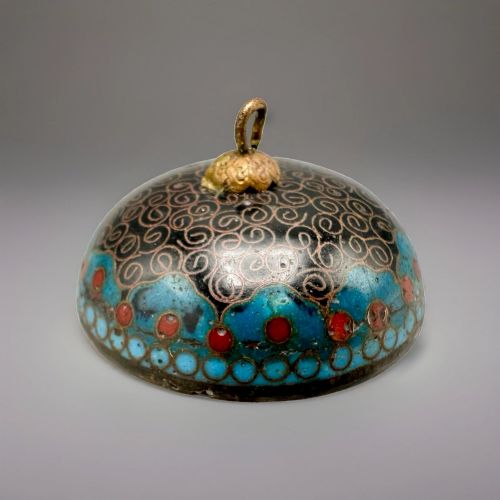
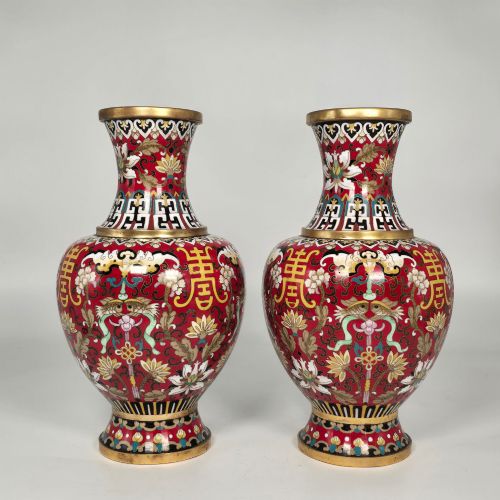
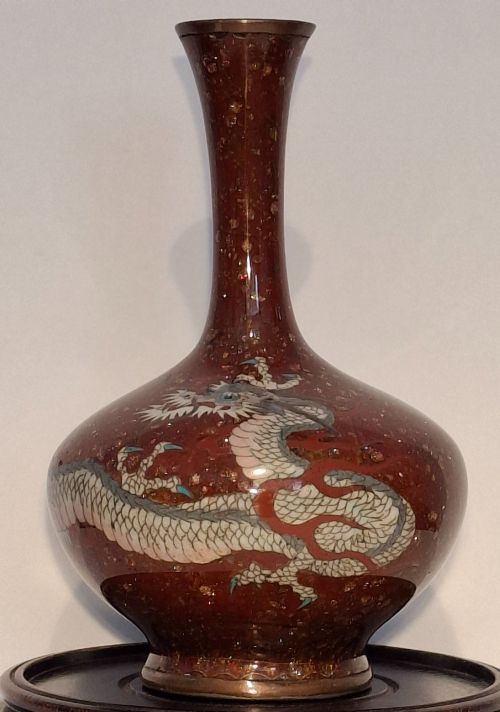
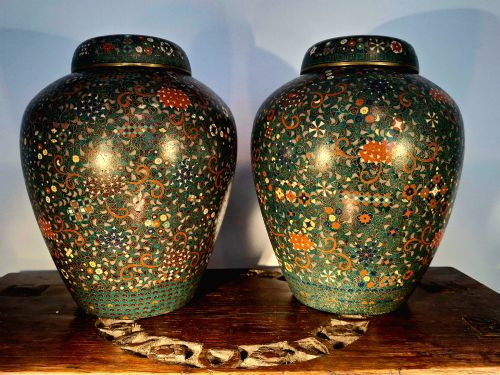
An oriental cloisonne vessel brings vibrant enamel work and detailed metal craft together in decorative vases, censers and bowls.
Oriental Cloisonne Vessel
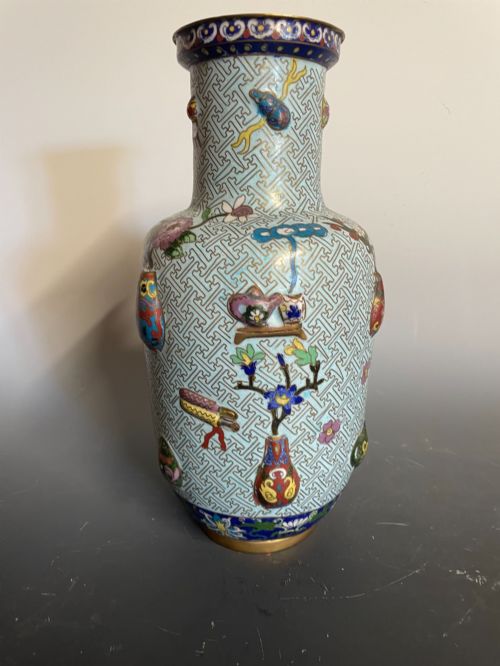
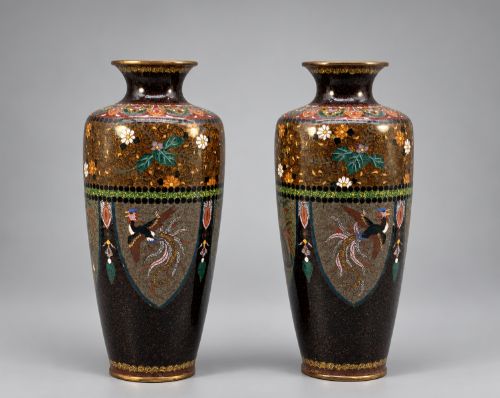
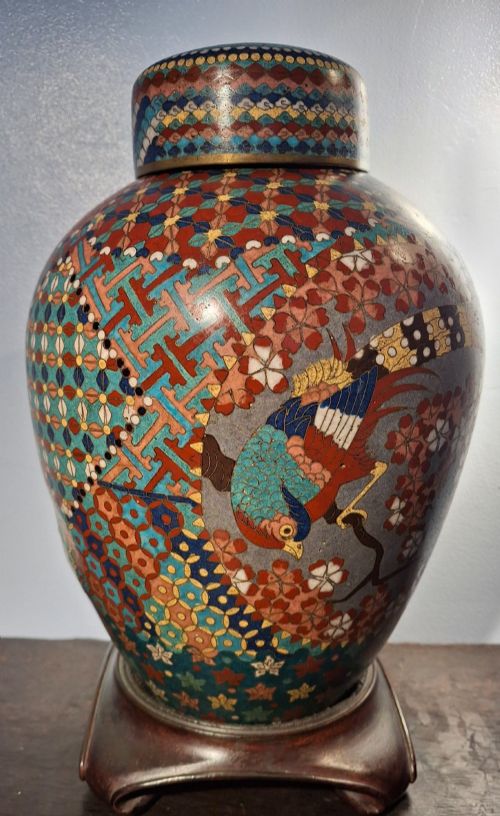
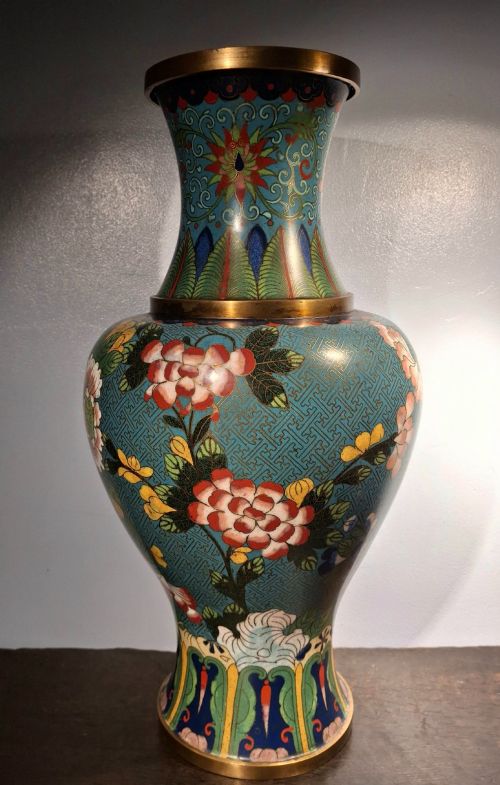
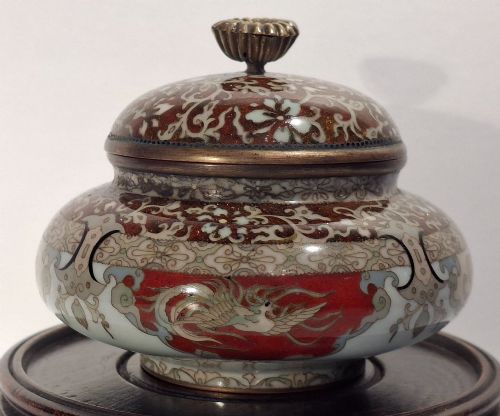
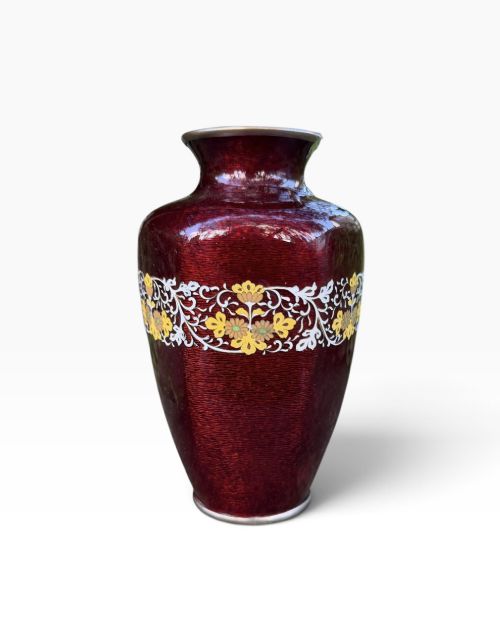
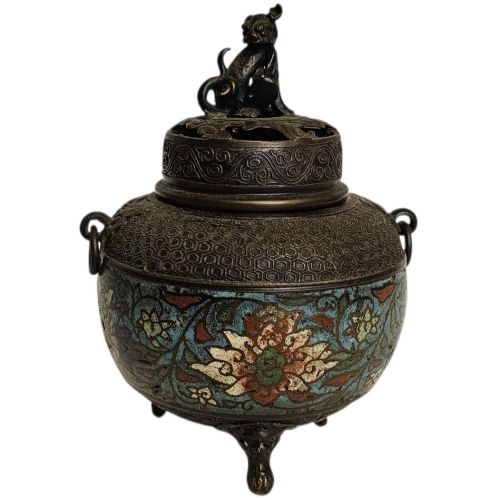
When you search for an oriental cloisonne vessel, you encounter a range of forms designed for display and ritual use, including vases, ginger jars, temple water dispensers, and incense burners. These items originate from distinct stylistic traditions such as the Meiji period in Japan and the Qing dynasty in China.
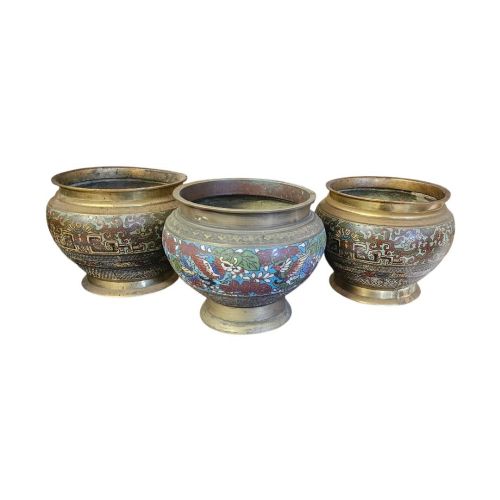
The pieces you are most likely to meet on this page date from the nineteenth century and the early twentieth century. They vary from small scholar's brush washers and miniature vases to large temple pieces and jardinières weighing over a kilogram.
Vessels span both Japanese and Chinese craftsmanship, displaying forms like hanging boat koros, sake kettles with cloisonne lids, and lidded bowls decorated with birds, dragons, and koi.
How they were made
The foundation of these vessels relies on metalworking in bronze, copper, brass, and gilt metal, which are cast or hammered into shape to form the body and raised wire partitions known as cloisons.
Enamel paste fills the cells created by the wire borders before the piece is fired in a kiln and polished to a smooth finish, sometimes incorporating champleve techniques where troughs are carved directly into the metal.
Listings feature items spanning the nineteenth century, the Edwardian era, and the early twentieth century, utilising materials such as bronze, copper, and cloisonne enamel.
What varies in quality
The standard of an oriental cloisonne vessel depends upon the precision of the wirework and the complexity of the enamel palette. Finer examples show thin, uniform metal wires defining intricate motifs without distortion, while simpler pieces rely on broader, coarser partitions.
The depth of the polishing and the richness of the metal foundation, whether solid bronze or gilt metal, further distinguish standard production items from masterworks of the Meiji and Qing periods.
The Oriental Cloisonne Vessel Glossary
- Cloisonne
- Enamelwork technique where metal wire forms raised cells to hold coloured paste before firing. This method creates detailed patterns across vases and bowls.
- Champleve
- Enamelwork method where troughs or cells are gouged directly into a bronze or copper base rather than soldered on top. The cavities are then filled with enamel and fired.
- Koro
- Traditional East Asian incense burner featuring a body, lid, and often three or more feet. These vessels were utilised for burning aromatic resins.
- Meiji Period
- Era of Japanese history lasting from 1868 to 1912 noted for high production of decorative arts. Pieces from this time often exhibit fine wirework and natural motifs.
- Qing Dynasty
- The final imperial dynasty of China, spanning from 1644 to 1912. Works from this period include bronze and enamel jardinières and censers.
Oriental Cloisonne Vessel: Frequently Asked Questions
How do I care for a cloisonne vessel?
Dust the surface gently with a soft, dry cloth to prevent accumulation in the wire recesses. Avoid using liquid cleaners or chemical polishes which can harm the exposed metal and enamel.
Keep the vessel away from direct sunlight and areas of high humidity to protect the integrity of the enamel and the underlying bronze or copper.
What is the difference between cloisonne and champleve?
Cloisonne involves soldering thin metal wires onto a metal base to create small compartments that are subsequently filled with enamel paste. The wire outlines remain visible on the finished surface.
Champleve relies on carving or recessing the design directly into the thick metal body to form troughs for the enamel. The remaining solid metal acts as the border between colours.
Where were these vessels displayed?
These items served as decorative display pieces within scholars' studios, temples, and formal rooms. Large vessels like jardinières and temple dispensers stood on the floor or on dedicated wooden stands.
Smaller objects such as brush washers, tea pots, and miniature vases occupied desks, tables, and cabinets alongside other works of art.
How can I tell Japanese and Chinese pieces apart?
Japanese pieces from the Meiji period frequently employ exceptionally fine, thin wirework depicting naturalistic scenes with birds, fish, and dragons against stark backgrounds. Chinese works often utilise thicker wires and heavier bronze bases with denser floral or archaic patterns.
Examining the base and the style of the mounting can also provide clues to the regional workshop and period of manufacture.