




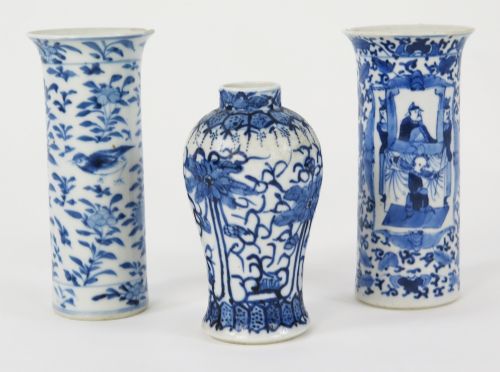
Oriental Ceramic Jar
An oriental ceramic jar brings hand-painted colour and sculptural presence to a room, drawing on centuries of Asian kiln traditions.
Oriental Ceramic Jar
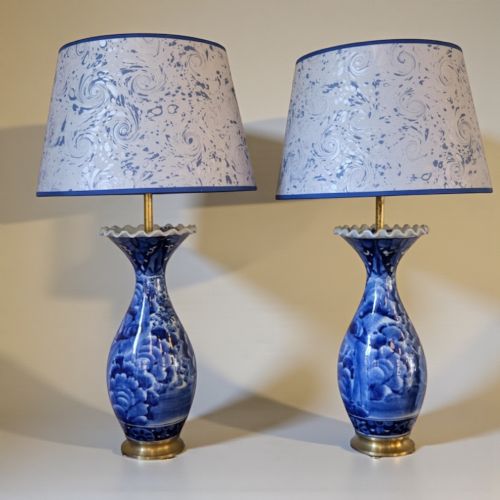
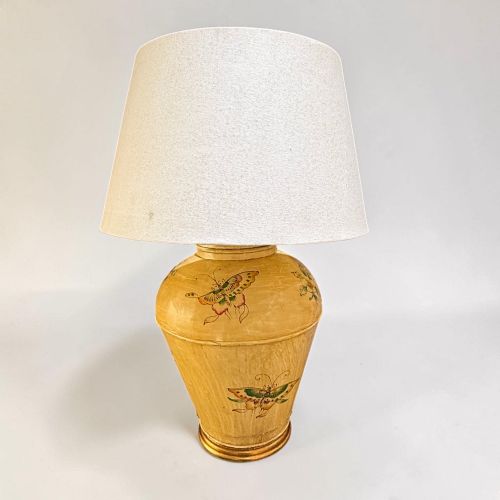
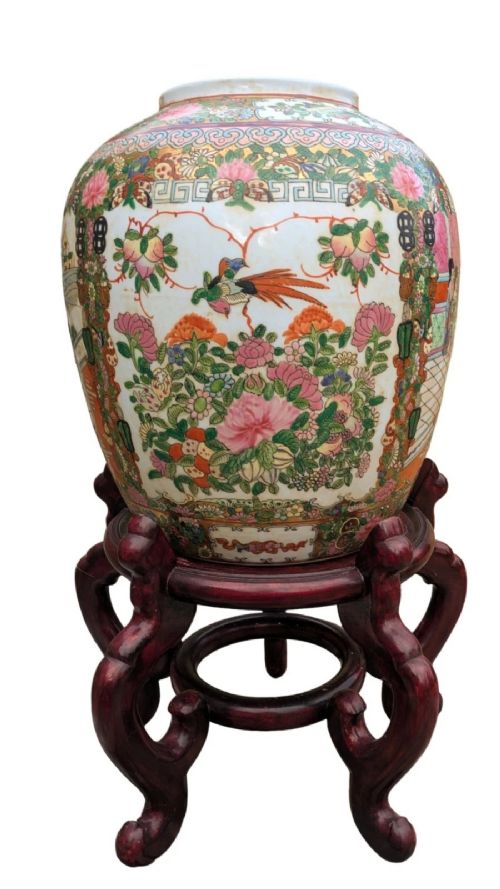
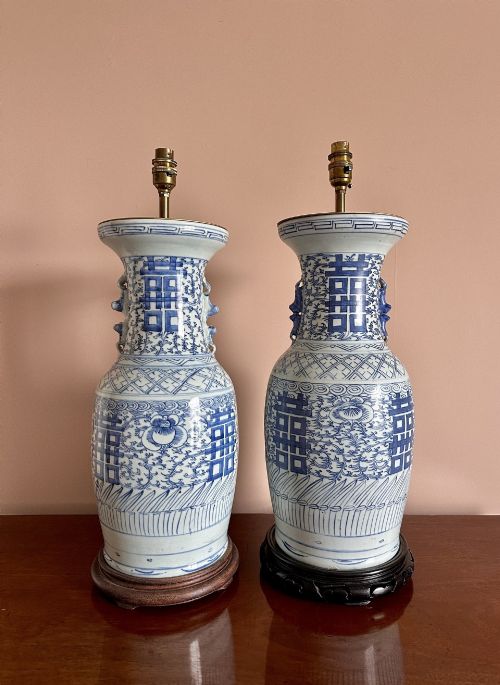
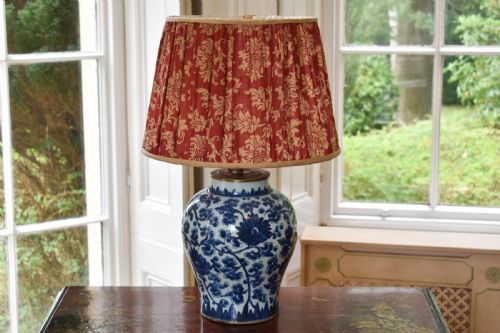
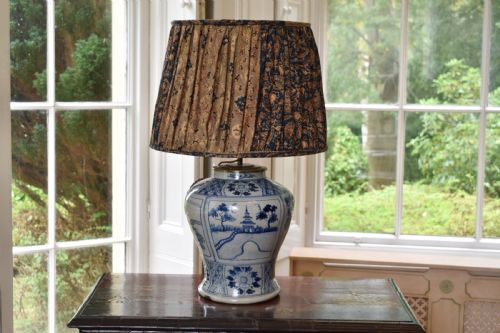
When searching for an oriental ceramic jar, a buyer encounters a diverse group of vessels spanning large floor vases, lidded ginger jars, and table lamps originating from Chinese and Japanese workshops.
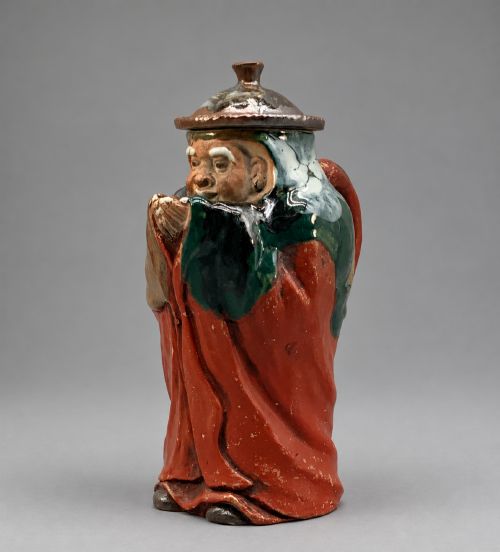
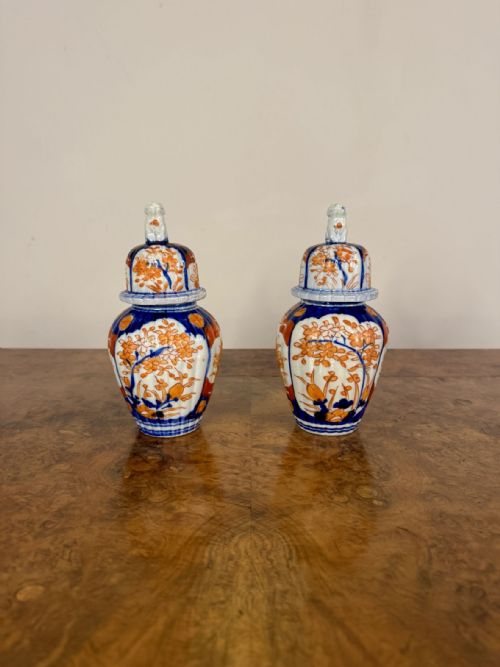
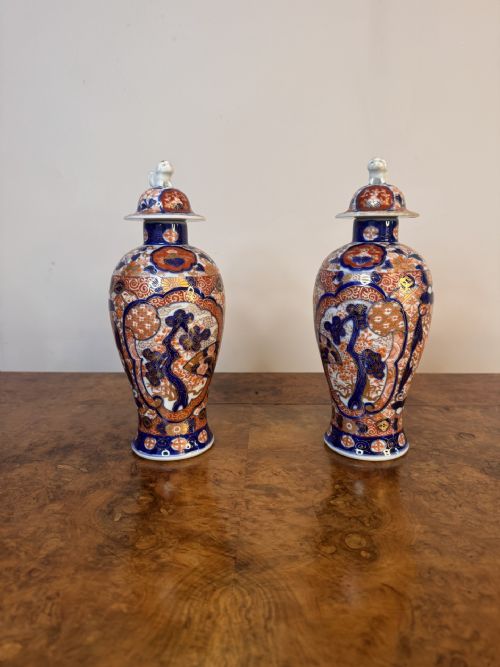
The pieces on this page lean heavily towards the nineteenth century, encompassing Qing Dynasty porcelain, Meiji Period Japanese Imari, and Satsuma wares designed for export or domestic display.
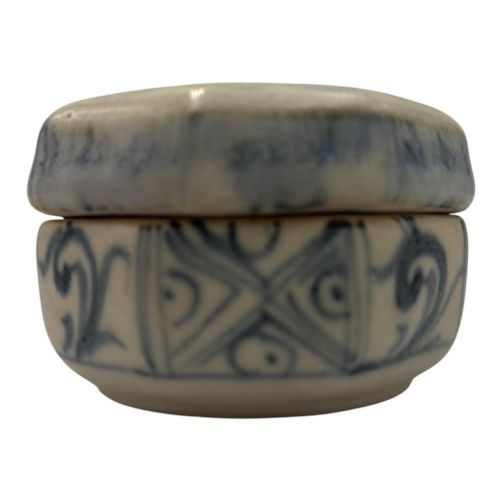
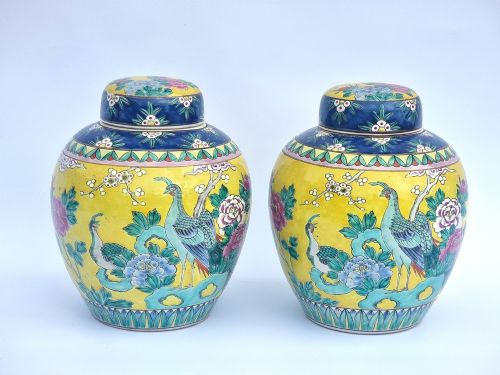
Forms vary from stout covered ginger jars and double-gourd vases to monumental palace containers, often shaped with handles or fitted with covers.
How they were made
Potters shaped these vessels from ceramic and porcelain bodies, applying cobalt blue underglaze, enamel pigments, and occasional gold leaf or gilt highlights before firing.
Decoration relied on hand-painted techniques, with artisans executing intricate floral motifs, dragon panels, and pictorial scenes directly onto the clay or glaze surface.
Oriental Ceramic Jar Retail Price Guide 2026
Typical asking prices for oriental ceramic jar among the pieces listed under this phrase on Sellingantiques today, from the lower quarter to the upper quarter. They describe what is for sale here now, not the wider market.
Listings feature porcelain, earthenware, cobalt glaze, and gold leaf applied across eighteenth- and nineteenth-century forms.
What varies in quality
Quality separates through the crispness and complexity of the hand-painted brushwork, distinguishing carefully articulated figures and foliage from simpler, repetitive patterns.
The refinement of the ceramic body, the depth and clarity of the cobalt glaze or enamel palette, and the overall balance of the vessel shape dictate the upper tier of these pieces.
The Oriental Ceramic Jar Glossary
- Imari
- A style of Japanese porcelain featuring a distinct palette of underglaze blue, iron red, and gilt highlights. These wares were produced in Arita and exported widely to Europe.
- Ginger jar
- A high-shouldered vessel with a domed cover, originally designed for storing spices and tea. Later examples became purely decorative mantel or floor pieces.
- Famille rose
- A Chinese porcelain palette introduced in the Qing Dynasty, dominated by opaque pink enamel derived from colloidal gold. It allowed for soft, shaded pictorial designs.
- Celadon
- A type of ceramic glaze producing pale green or grey-green tones, mimicking jade. The subtle coloration relies on iron oxide reacting in a reduction kiln atmosphere.
- Double-gourd
- A vase form shaped like two stacked bulbous spheres, symbolising fertility and good fortune in East Asian culture. The pinched waist creates a balanced, curving silhouette.
Oriental Ceramic Jar: Frequently Asked Questions
What is an oriental ceramic jar used for?
These vessels served practical storage roles for spices, tea, or dry goods, particularly the lidded ginger jar forms. Over time, many transitioned into purely decorative objects, floor vases, or were converted into table lamps.
Today, they function as interior focal points, adding height, colour, and historical texture to mantelpieces, hallways, and living spaces.
How do I date a Japanese Imari jar?
Dating relies on examining the clay body, the weight of the porcelain, and the vibrancy of the iron-red and gilt pigments. Late nineteenth-century Meiji examples often display dense, elaborate brocade patterns and brighter enamels.
Earlier pieces show heavier potting and deeper underglaze cobalt tones, reflecting the traditions of the Arita kilns during preceding decades.
What is the difference between Satsuma and Imari ware?
Satsuma ware utilises an earthenware body with a characteristic ivory-coloured, crackled glaze, heavily decorated with enamels and raised gold leaf. It offers a matte, textured surface suited to narrative figure scenes.
Imari ware uses a hard porcelain body with a smooth, glossy finish, relying on a brighter palette of cobalt blue, iron red, and gilt geometric or floral motifs.
How do I live with a large floor jar?
Monumental floor jars and palace vases require stable placement away from high-traffic walkways to prevent accidental knocks. They anchor empty corners or flank fireplaces effectively.
Pairing them with neutral walls allows the intricate hand-painted cobalt blue or famille rose details to stand out without competing with other room furnishings.