
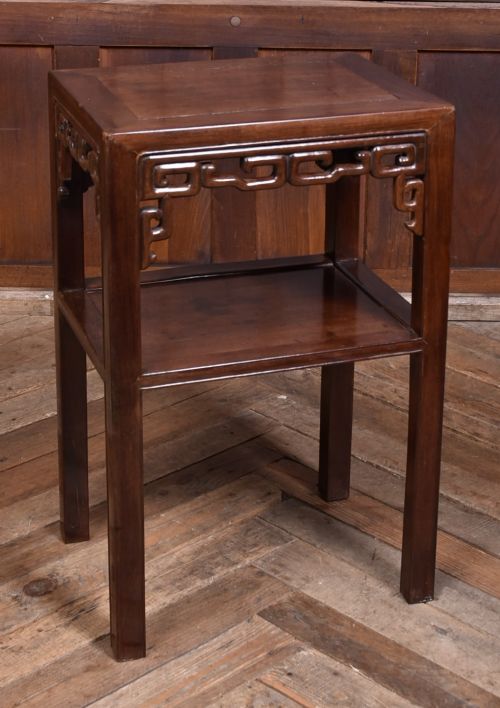
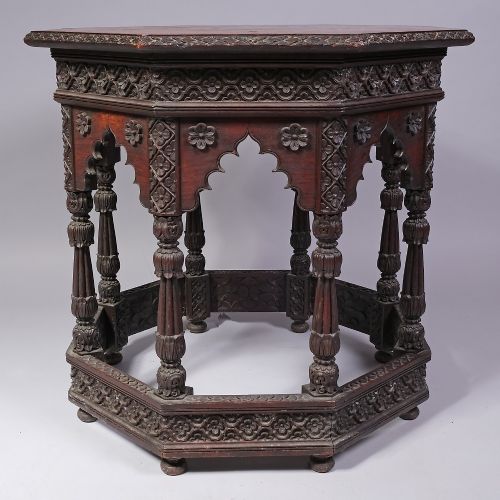
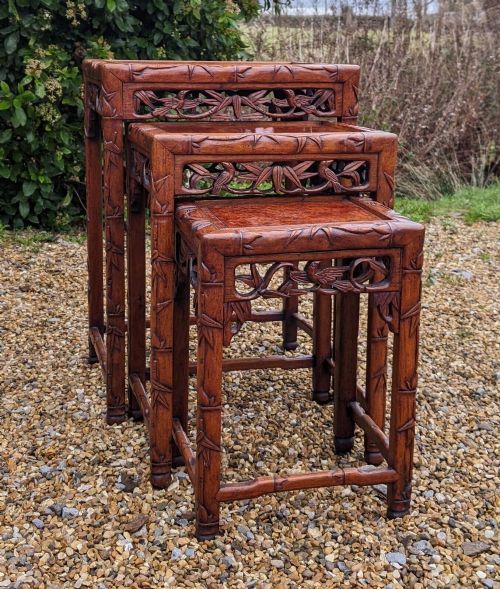
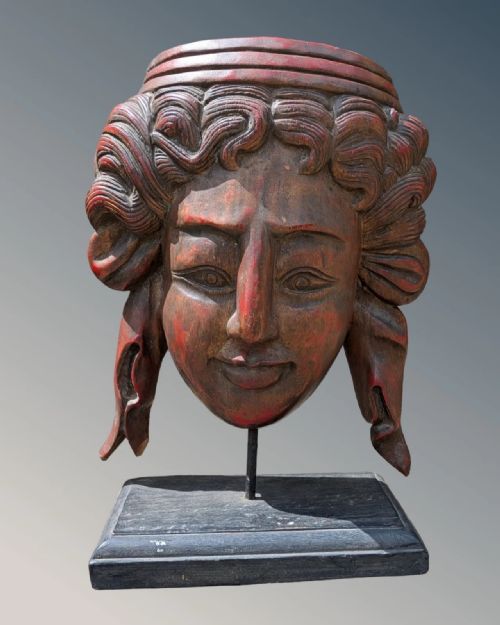
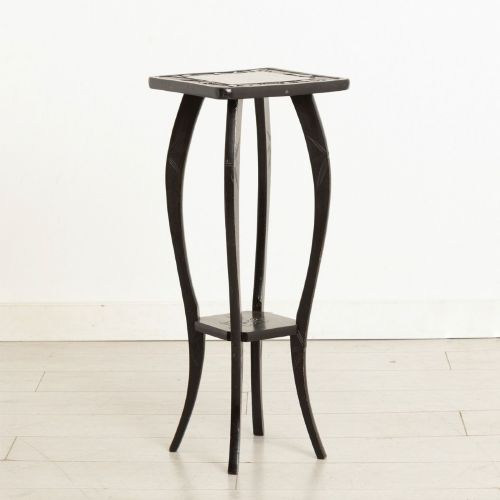
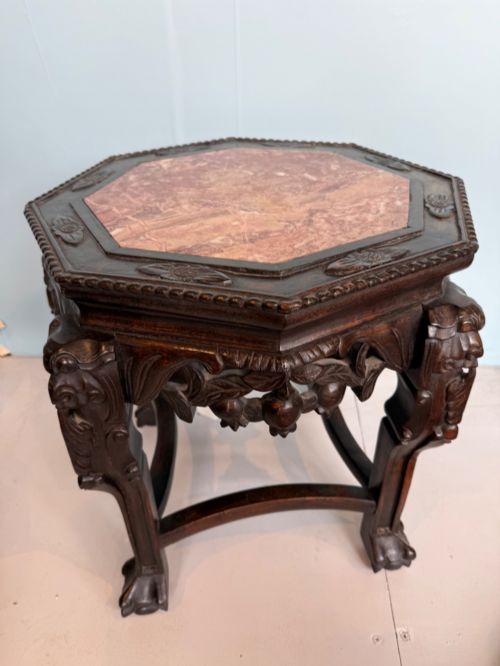
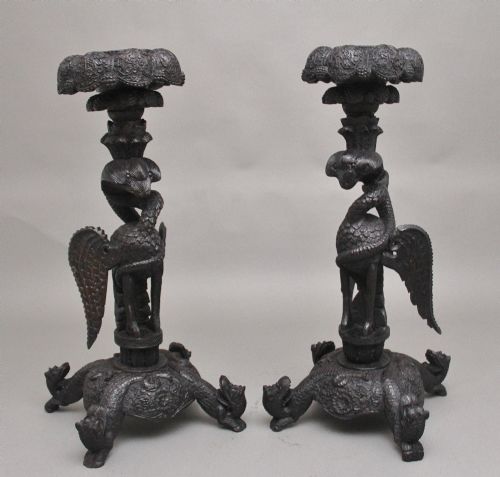
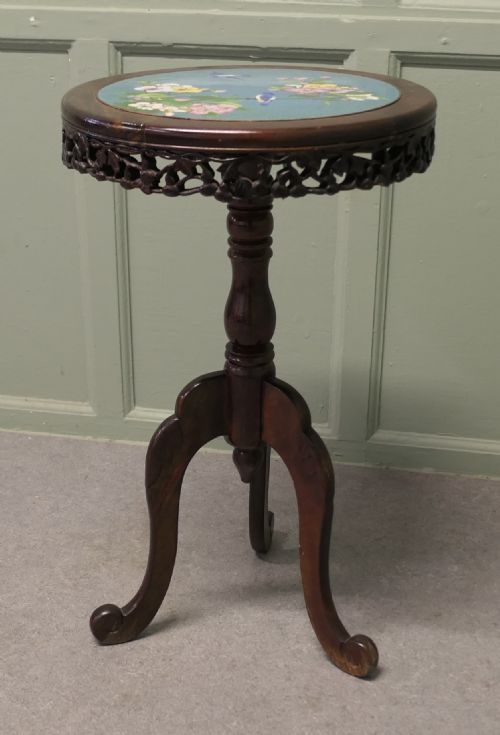
Oriental Carved Wooden Stand
An oriental carved wooden stand brings tactile depth and rich grain to a room, functioning as a sturdy pedestal for plants, vases, or sculpture.
Oriental Carved Wooden Stand
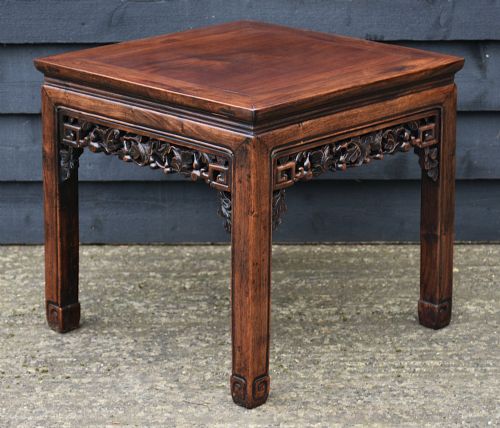
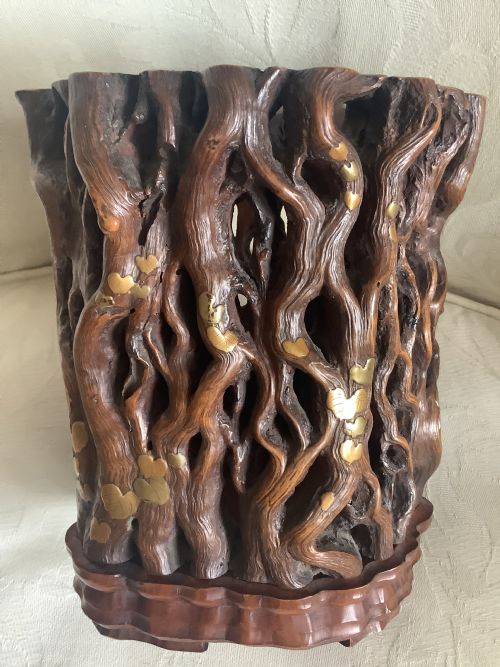
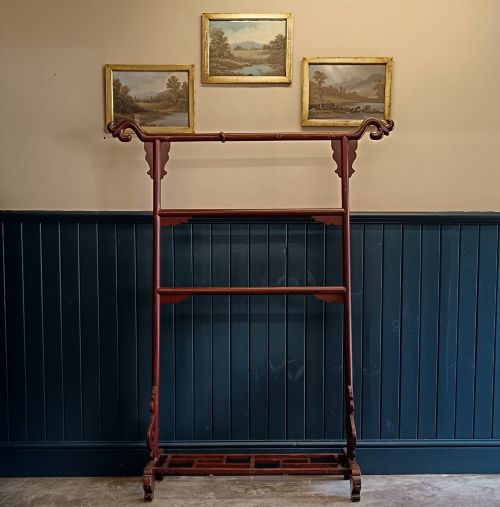
An oriental carved wooden stand serves as a low table, pedestal, or display platform designed to elevate objects of importance. These pieces emerge from traditions across China, Japan, India, and Burma, utilising dense timbers shaped by regional carvers.
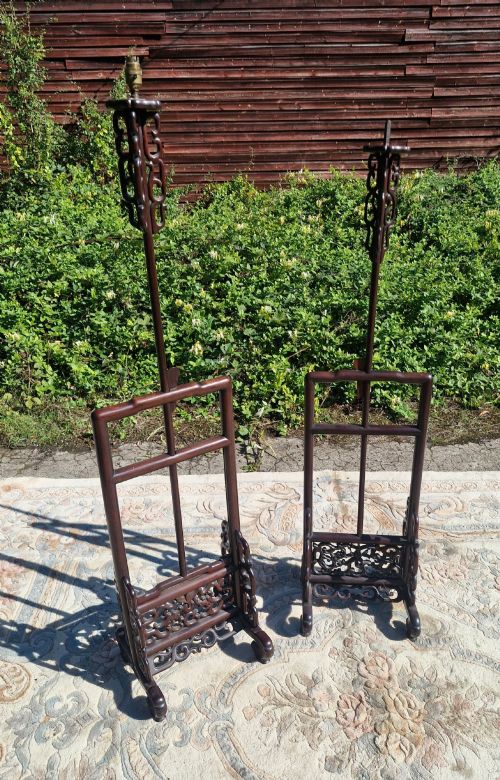
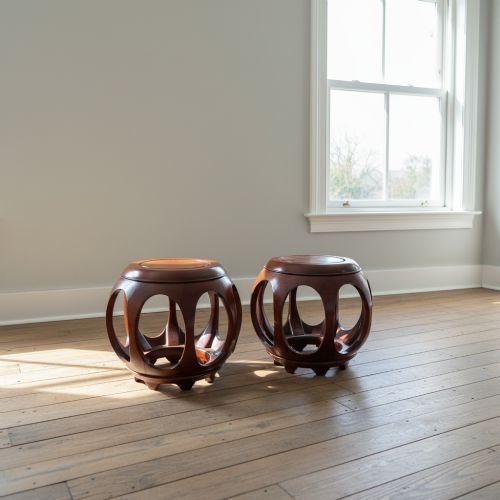
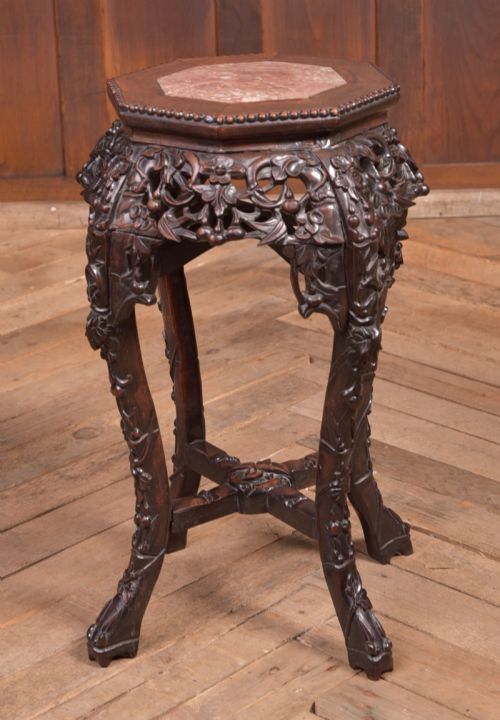
The versions most commonly met on this page include plant stands, vase tables, and jardiniere supports dating from the nineteenth and early twentieth centuries. These items range from simple circular stool forms to elaborate pedestals with inset marble tops.
Makers utilised various regional aesthetics, encompassing Anglo-Indian, Qing Dynasty, and Meiji Period designs. Each object reflects the interior tastes of its period, shifting from utilitarian support to decorative centrepiece.
How they were made
Artisans constructed these pieces using dense regional timbers such as hardwood, rosewood, and teak, which allowed for deep, crisp carving without splintering. Workshops employed traditional joinery techniques, fitting panels and legs together with precise mortise and tenon joints.
Surface treatments varied from clear polishing that emphasised the natural grain to black lacquer and polychrome giltwood applications. Marble inserts were frequently integrated into the tops of plant and vase stands to provide a cool, stable surface for heavy ceramics.
What varies in quality
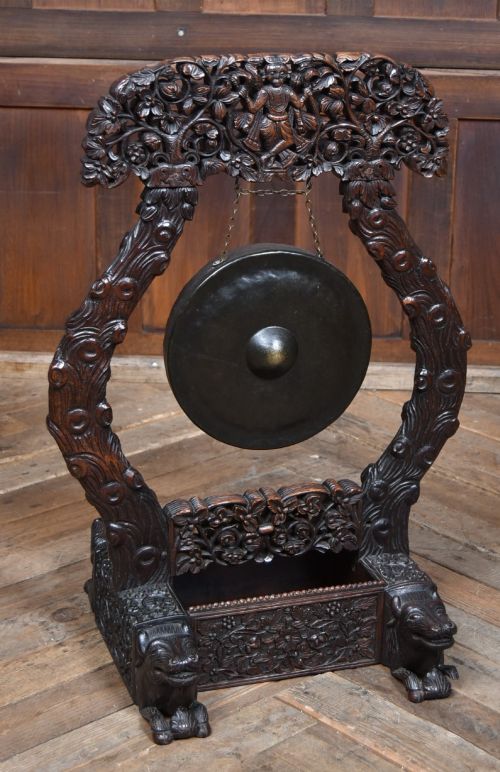
Depth and definition in the carving separate ordinary production from superior examples. Skilled artisans produced undercut foliage and figures with sharp detail, whereas lower quality items rely on shallow, machine-routed patterns.
The choice and stability of timber dictate longevity and visual weight. Dense hardwoods with exceptional grain patterns command attention, while inferior pieces utilise softer woods disguised by heavy stain.
Liberty of London·Gabriel Viardot
The Oriental Carved Wooden Stand Glossary
- Hardwood
- Slow-growing timber prized for density and deep natural colour. It provides the structural integrity required for intricate carving.
- Jardiniere
- A large ornamental pot or planter designed for indoor plants. Stands made specifically for these pots feature reinforced tops to bear heavy weights.
- Marble top
- A polished stone insert fitted into the wooden surface of a table or stand. This addition protected the wood from moisture and heat.
- Qing Dynasty
- The final imperial dynasty of China, spanning from the seventeenth to the early twentieth century. Objects from this period often display formal symmetry and symbolic carving motifs.
- Meiji Period
- An era in Japanese history marked by the opening of trade and distinct craftsmanship in metal, lacquer, and wood. Works from this time demonstrate refined naturalistic detail.
Oriental Carved Wooden Stand: Frequently Asked Questions
What were oriental carved wooden stands used for?
These stands functioned primarily as elevated platforms for decorative objects such as porcelain vases, bronze sculptures, and potted plants. Placing an item on a carved wooden base drew the eye and protected delicate surfaces from floor-level dampness.
In domestic settings, smaller versions served as occasional tables for tea ceremonies or reading material. Larger pedestals anchored corners of reception rooms, displaying prized art pieces at eye level.
How do I tell a Chinese stand from a Japanese one?
Chinese stands often utilise dense hardwoods like rosewood or huanghuali with symmetrical motifs derived from imperial traditions. The carving tends to be deep and geometric, incorporating auspicious symbols and dragons.
Japanese pieces from the late nineteenth century frequently reflect Meiji Period aesthetics, focusing on asymmetrical naturalism. Artisans utilised varied woods and occasionally incorporated lacquer or delicate joinery characteristic of Japanese cabinet-making.
Are marble inserts original to these stands?
Marble inserts were standard additions for nineteenth-century plant and vase stands originating from China and Anglo-Indian workshops. The stone provided a stable, water-resistant surface that accommodated damp flowerpots without staining the underlying timber.
When inspecting a piece, check that the marble sits flush within the wooden frame and matches the wear patterns of the surrounding wood. Replacement stones are common due to accidental breakage over decades of use.
How do I care for antique hardwood furniture?
Maintain antique hardwood by keeping pieces away from direct heat sources and sudden temperature fluctuations. Excessive dryness causes timber to split, while moisture damages older lacquered finishes.
Dust regularly with a soft, dry cloth rather than modern chemical sprays. Occasional application of microcrystalline wax helps nourish the wood and preserves the natural lustre of the grain.