


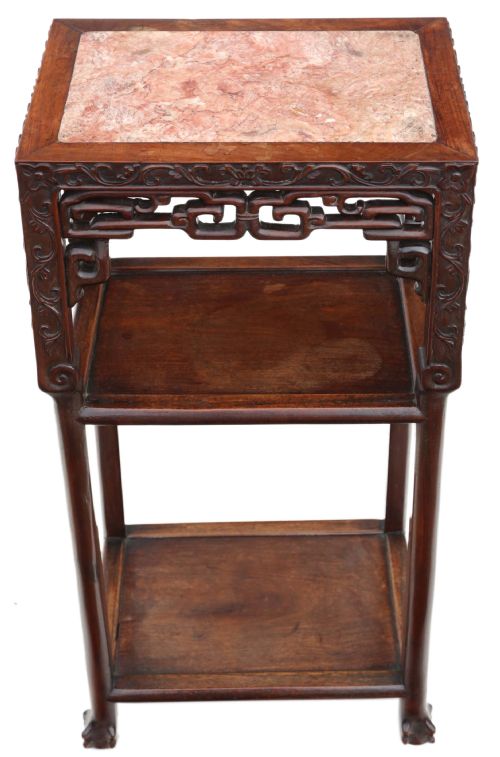

Chinese Tier Side Table
These chinese tier side table pieces bring traditional joinery and carved timber into a room with quiet presence.
Chinese Tier Side Table
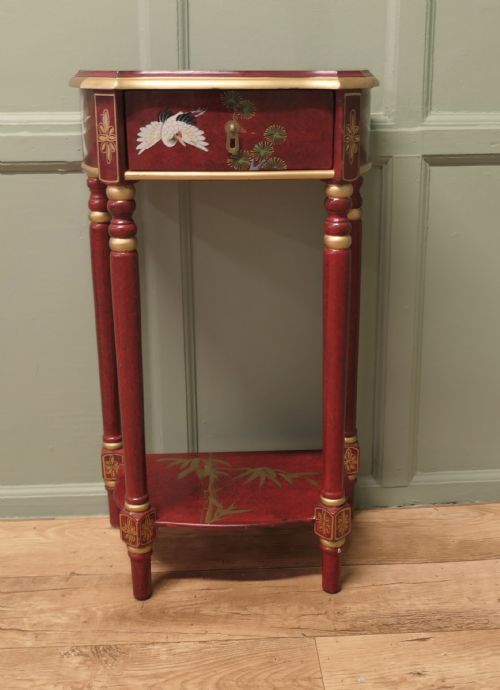
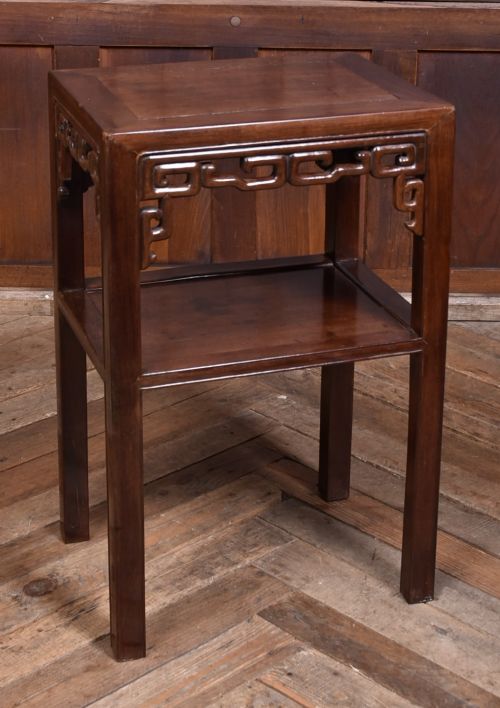
A chinese tier side table appears in forms ranging from two-tier lamp tables to three-tier occasional tables and tall plant stands. These works generally date from the nineteenth century, including specific years like eighteen-eighty, eighteen-ninety, and nineteen-ten.
Makers designed these tiered pieces during the Qing dynasty and in Chinese traditional styles to hold porcelain vases, urns, or lamps. The layout relies on stacked surfaces joined by uprights rather than a single surface.
Most examples on this page are constructed as square or rectangular side tables and pot stands. They function well beside seating or as freestanding pedestals in a hallway.
How they were made
Artisans built these tables using dense timbers such as rosewood, hongmu, and general carved hardwood. These heavy woods provided the structural strength needed for multi-tiered stands without requiring thick legs.
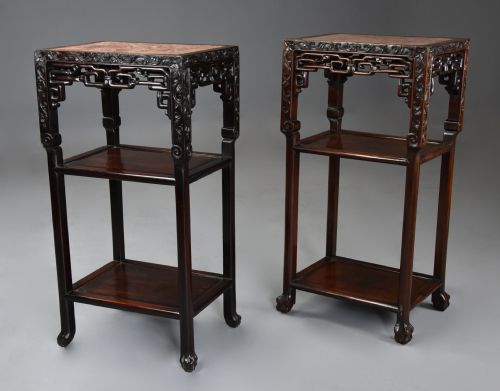
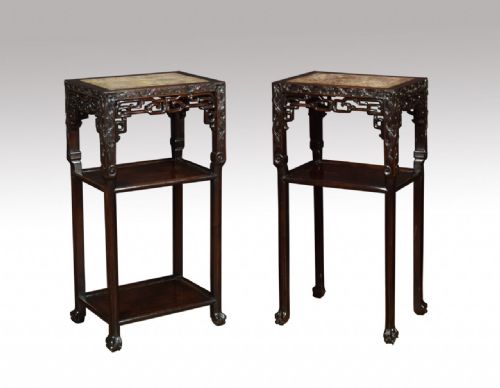
Many surfaces incorporate inset marble panels within the wooden frames to create a cool, smooth top. Craftspeople also embellished the timber frames with carved details and mother-of-pearl accents.
Joinery techniques kept the multiple tiers stable and level under weight. Carvers worked directly into the hardwood to shape aprons, legs, and shelves.
Listings feature nineteenth-century dates, including eighteen-eighty, eighteen-ninety, and nineteen-ten.
What varies in quality
The choice of timber creates a distinct difference across these tables, with dense hongmu and rosewood examples standing apart from simpler hardwood pieces. Grain selection and weight indicate the care put into selecting the raw material.
Carving depth and sharpness show the hand of a more skilled workshop. Crisp detailing on the aprons and legs separates standard production from finer work.
The integration of inset marble tops and mother-of-pearl inlay requires precise fitting. Tiers that remain level and secure display superior structural execution.
The Chinese Tier Side Table Glossary
- Hongmu
- A category of dense, dark tropical hardwoods used in traditional Chinese furniture. It translates literally to red wood and holds fine detail well.
- Rosewood
- A heavy, richly grained timber valued for its durability and deep colour. Artisans polish it to a smooth finish that highlights the natural grain.
- Occasional table
- A small, movable table designed for a specific, non-permanent use in a room. These pieces can function as lamp tables or plant stands.
- Mother-of-pearl
- An iridescent inner layer of shell used for inlay work. Craftsmen cut thin pieces to form floral or geometric patterns set into the wood.
Chinese Tier Side Table: Frequently Asked Questions
What were Chinese tier side tables used for?
These tables served primarily as stands for heavy porcelain vases, urns, and lamps within traditional interiors. The multiple tiers allowed households to display decorative objects at different heights.
They also functioned as convenient occasional surfaces beside seating areas. Their sturdy construction supported heavy items without wobbling.
How do I identify a Qing Dynasty table?
Late nineteenth-century pieces often display traditional Chinese carved motifs and structural joinery typical of the Qing period. Materials like hongmu and rosewood are characteristic of these dates.
Look at the form and the style of the carving on the aprons. These details align with pieces produced around eighteen-eighty and eighteen-ninety.
Where should I place a tier side table?
A multi-tiered table works well as a freestanding plant stand or pedestal in a corner. It also fits beside a chair or sofa to hold a lamp and small objects.
The vertical format makes efficient use of floor space while providing more than one display surface.
Are marble top tables difficult to maintain?
The inset marble panels require simple dusting and occasional wiping with a damp cloth. Avoid harsh chemical cleaners that can etch the polished stone surface.
The wood frame benefits from standard waxing suited to dense hardwoods like rosewood or hongmu.