

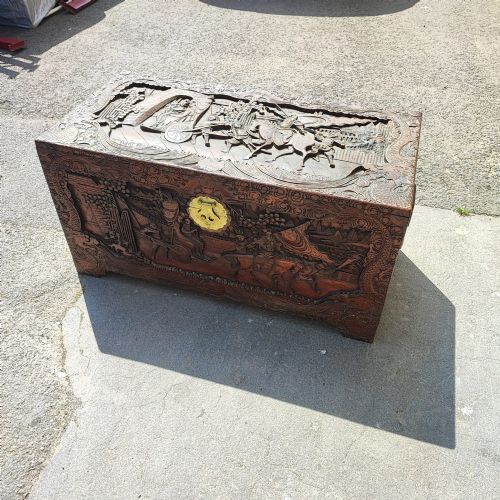


Oriental Camphorwood Coffer
An oriental camphorwood coffer is a robust storage piece built to hold textiles and travel securely, prized for its distinctive aroma and longevity.
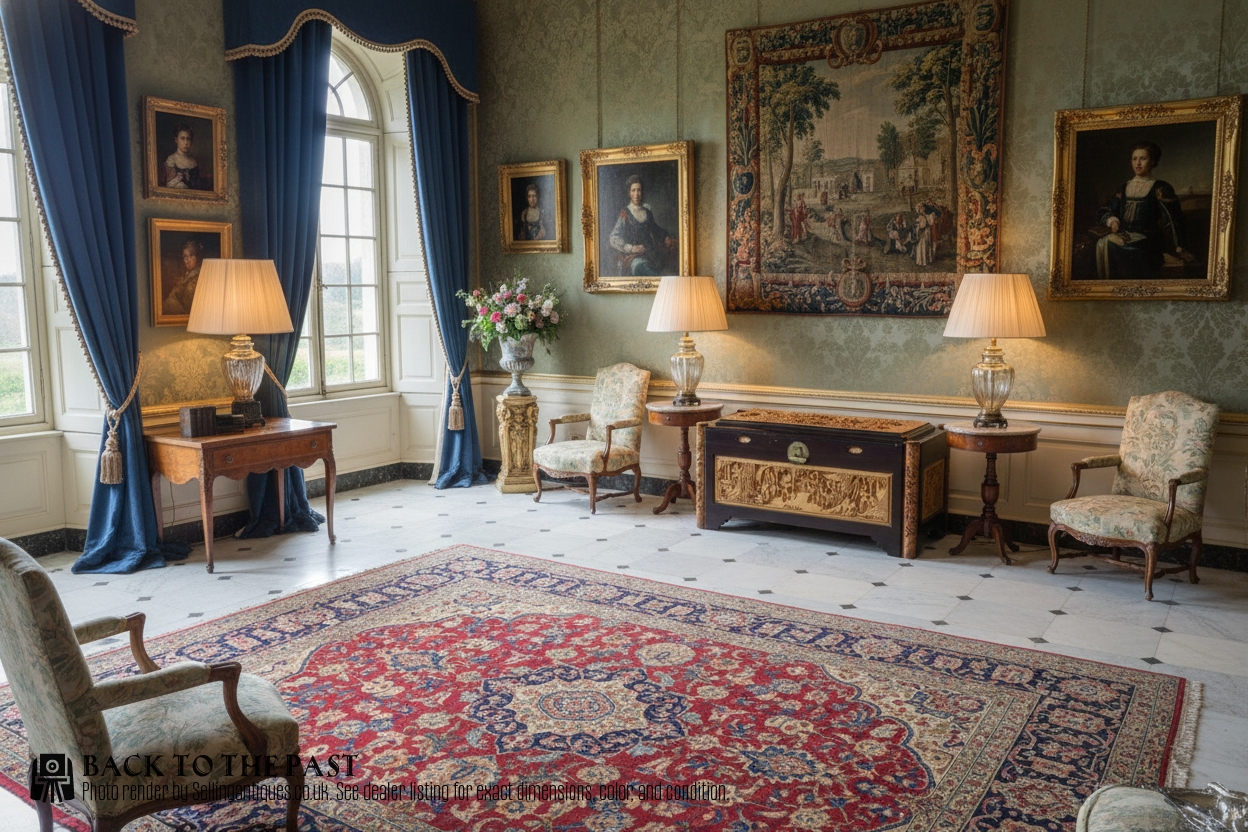
Oriental Camphorwood Coffer
When you search for an oriental camphorwood coffer, you are looking at substantial storage chests and trunks originating from Chinese export workshops. These pieces appear primarily from the nineteenth century, alongside examples dated across the early decades of the twentieth century.
The forms function as blanket boxes, storage trunks, and occasional coffee tables depending on their height and proportion. You will frequently encounter heavy carving depicting traditional Chinese motifs across the exterior panels.
Makers designed these trunks to protect contents from moisture and insects during maritime transport. Their enduring utility makes them popular for modern interiors requiring practical storage with distinct character.
Materials and construction
Workshops built these coffers primarily using solid camphor wood and hardwood timbers selected for natural insect-repellent qualities. The timber yields a characteristic aromatic scent that distinguishes these boxes from standard hardwood furniture.
Metal hardware such as brass strapping and corner reinforcements provide structural strength and secure closure for travel. Some examples incorporate painted leather finishes alongside traditional carved wood surfaces.
Oriental Camphorwood Coffer Retail Price Guide 2026
Typical asking prices for oriental camphorwood coffer among the pieces listed under this phrase on Sellingantiques today, from the lower quarter to the upper quarter. They describe what is for sale here now, not the wider market.
Listings span the nineteenth century through the 1930s, featuring brass, leather, and hardwood timbers.
Judging quality
Quality rests upon the depth and clarity of the exterior carving and the integrity of the timber joints. Pieces with crisp, deeply undercut relief work demand closer attention than shallow or worn surface decoration.
The condition of the brass mounts and the survival of original hinges influence the overall integrity of the coffer. Heavy timber construction without excessive warping separates superior examples from more basic utility boxes.
The Oriental Camphorwood Coffer Glossary
- Camphor wood
- A fragrant timber native to Asia utilised for its resistance to insects and dampness. It forms the primary material for these storage coffers.
- Chinese Export
- Goods manufactured in China specifically for Western markets during the trade period. These pieces often blend traditional local techniques with European size requirements.
- Coffer
- A large box or chest traditionally used for holding valuables, linen, or documents. In modern usage, the term frequently overlaps with storage trunk.
- Brass-bound
- Furniture reinforced with brass corners, straps, and corner plates to withstand rough handling during transit. This method adds both structural resilience and decorative contrast.
Oriental Camphorwood Coffer: Frequently Asked Questions
What is a camphorwood coffer used for?
These coffers serve primarily as robust storage chests for blankets, winter textiles, and household linens. The natural properties of the wood help protect stored fabrics from moths and moisture.
Many people also adapt them as decorative coffee tables or low storage units in living spaces. Their sturdy tops and substantial presence suit varied interior layouts.
How do I date an antique camphor chest?
Dating relies on examining the construction methods, the style of the brass hardware, and any visible tool marks on the interior. Nineteenth-century examples often feature hand-cut joinery and heavy brass strapping.
Later pieces from the early twentieth century may show standardised fixings or differing carving depths. Comparing the timber patina and decorative motifs helps narrow the period of manufacture.
Are these trunks waterproof?
While the tight-fitting lids and dense camphor wood offer strong protection against dust and damp air, they are not completely waterproof. They were engineered for shipboard cargo holds rather than outdoor exposure.
Keep them in stable indoor environments to prevent the timber from drying out or splitting. Good ventilation around the chest preserves both the wood and its characteristic fragrance.
How do I maintain the wood scent?
The natural aromatic oils within camphor wood tend to fade on the surface over many decades. Lightly sanding the interior with very fine sandpaper can occasionally release fresh oils and restore the scent.
Avoid applying heavy polishes or chemical treatments to the inside of the box where linens rest. Regular gentle dusting is usually sufficient for exterior maintenance.