



Oriental Cabinet on Stand
An oriental cabinet on stand brings surface depth and contrasting proportions to a room, pairing a decorated upper chest with a raised support.
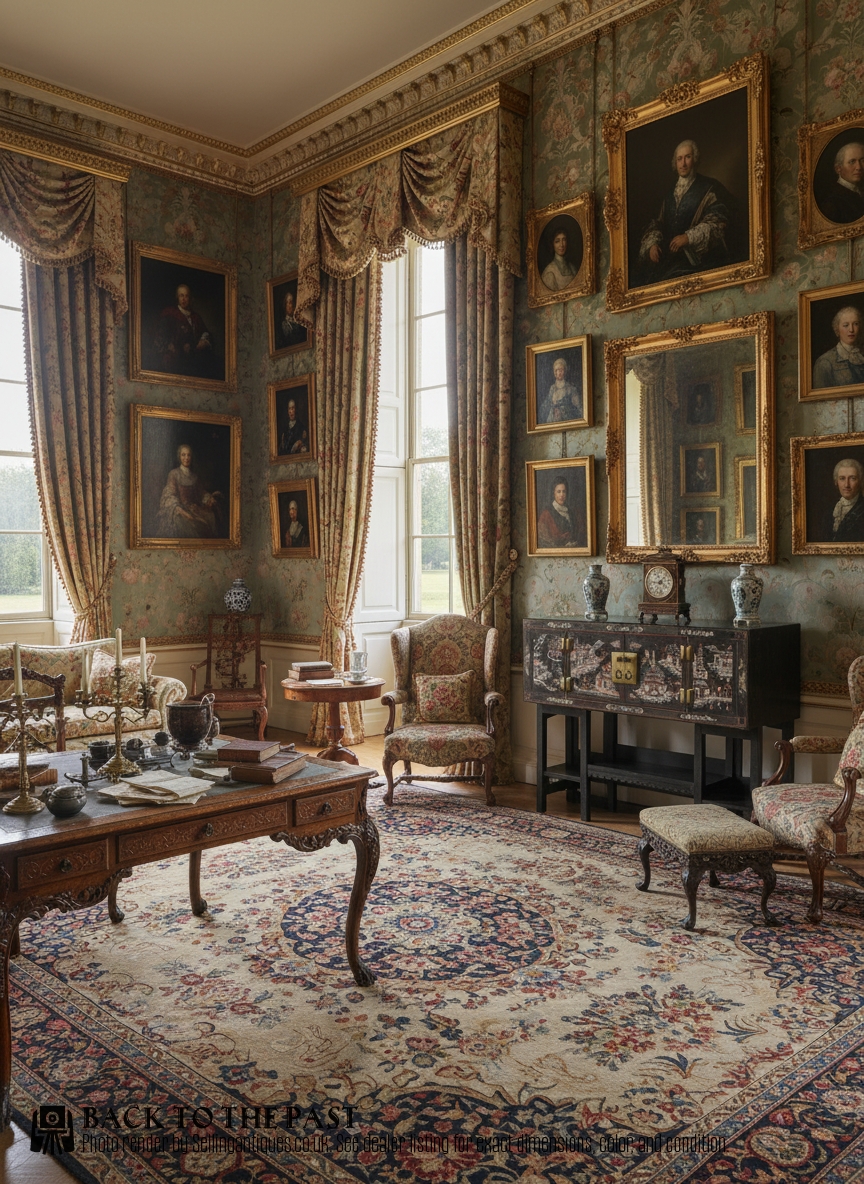
Oriental Cabinet on Stand
An oriental cabinet on stand combines an enclosed storage compartment with a distinct supporting base, forming a substantial architectural piece for domestic interiors. Buyers searching this phrase encounter examples ranging from 17th-century export pieces to Edwardian and later interpretations.
Origins span Chinese and Japanese workshops, alongside European creations influenced by Eastern aesthetics. Pieces emerge from periods such as the Edo and Meiji eras, the Qing Dynasty, and subsequent Victorian and Edwardian revivals.
Materials and construction methods
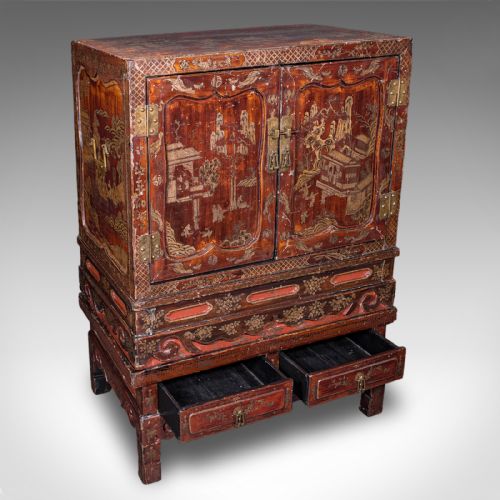
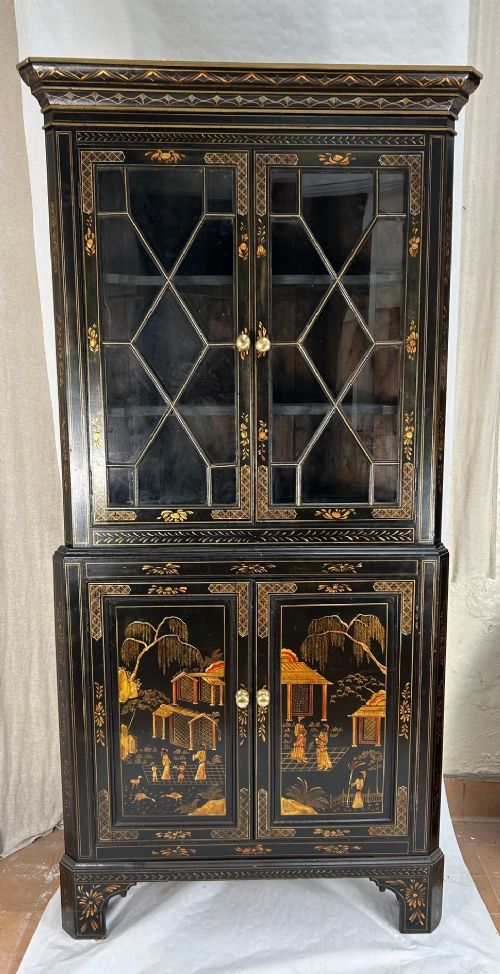
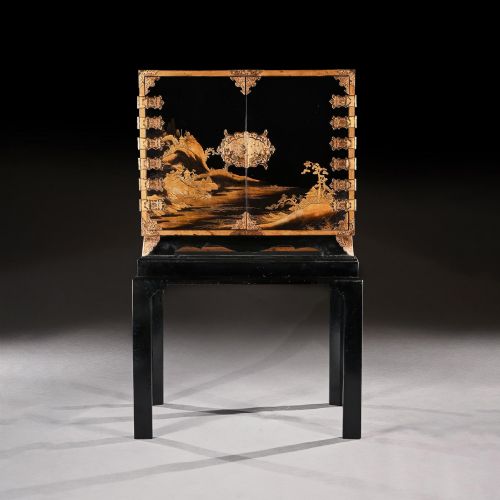
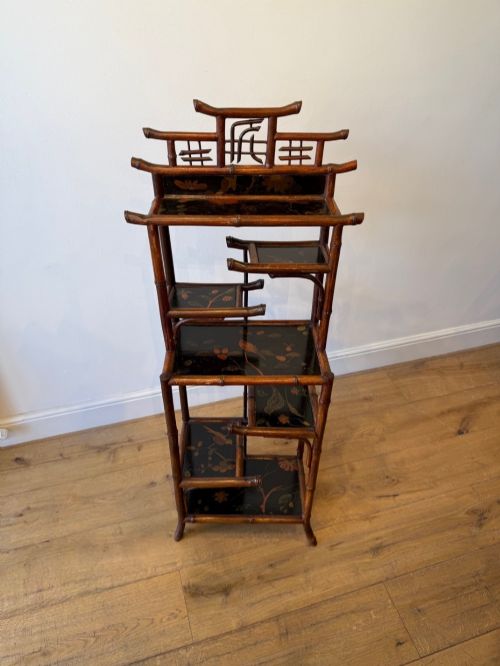
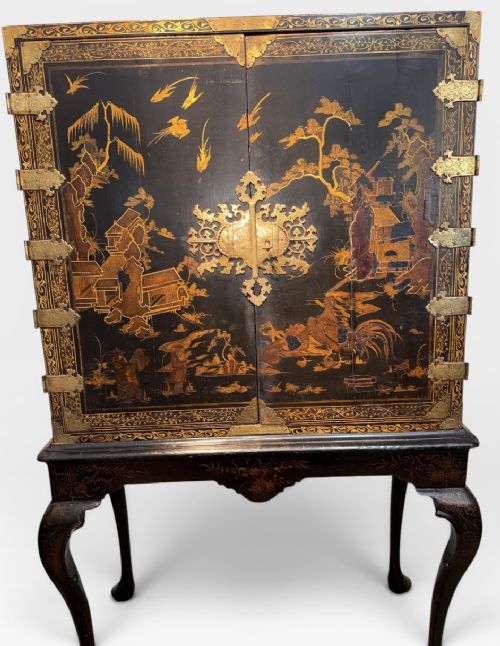
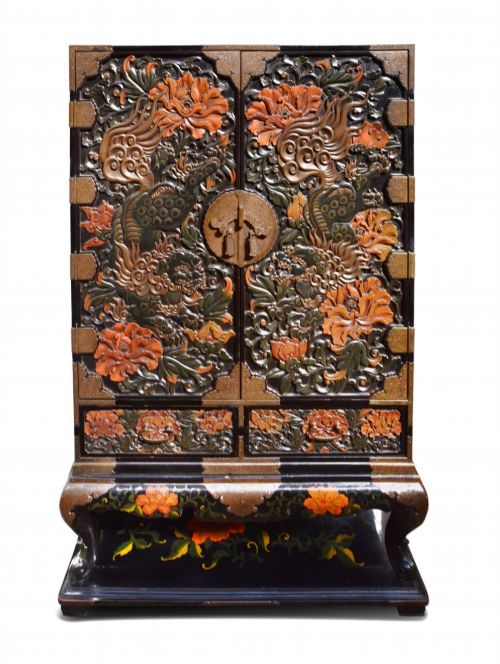
Makers utilised dense timbers such as hardwood, rosewood, and ebonised wood alongside bamboo to form the primary structures of the cabinets and their stands. Lacquer served as a primary surface medium, applied in multiple coats and finished with gold leaf or painted Chinoiserie scenes.
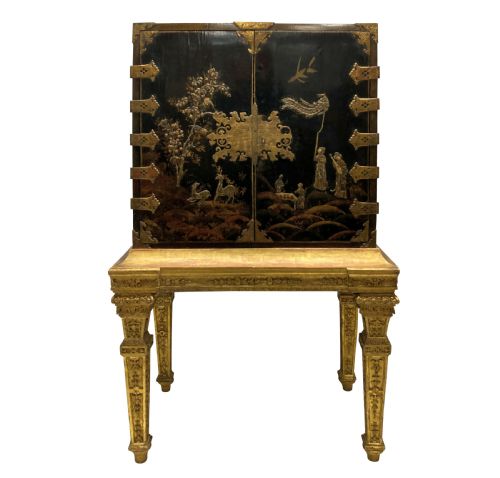
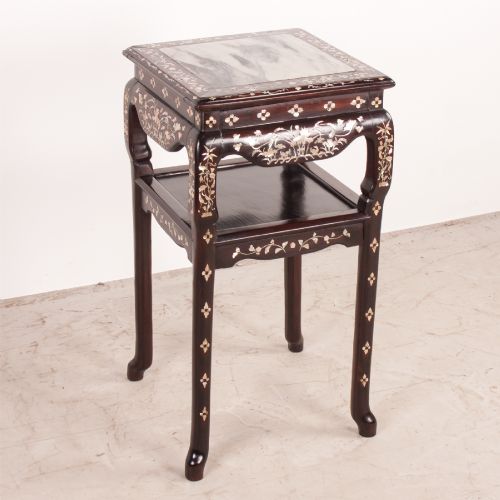
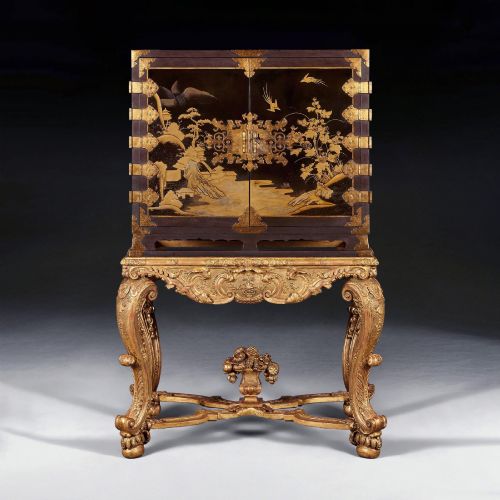
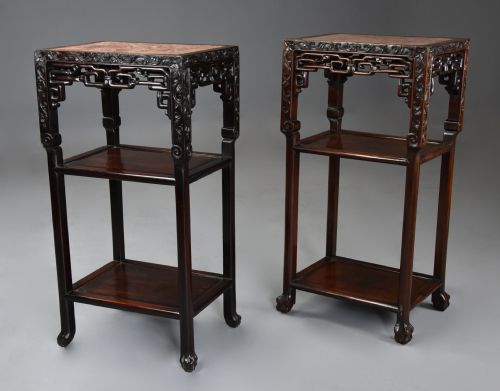
Detailing involved mother-of-pearl inlay, brass hardware, carved wood panels, and marble inserts set into table tops and display surfaces. European interpretations often married imported Japanese lacquer panels with French giltwood or English stands.
Oriental Cabinet on Stand Retail Price Guide 2026
Typical asking prices for oriental cabinet on stand among the pieces listed under this phrase on Sellingantiques today, from the lower quarter to the upper quarter. They describe what is for sale here now, not the wider market.
Listings feature items spanning the 17th century to the 1930s, utilising lacquer, hardwood, bamboo, and brass across Chinese and Japanese aesthetic traditions.
Evaluating the standard of execution
Quality rests in the depth and preservation of the lacquer work, the crispness of carved wooden details, and the integration between the upper cabinet and its stand. Superior examples exhibit finely rendered figures and landscapes on the lacquer surface without excessive loss or later repainting.
Construction integrity defines the upper tier of pieces, seen in the stability of the joinery and the original pairing of the cabinet with its base. Finer items retain their original brass mounts, internal fittings, and structural hardware.
Gabriel Viardot
The Oriental Cabinet on Stand Glossary
- Chinoiserie
- European artistic style reflecting Chinese decorative motifs. It appears extensively on 17th and 18th-century furniture and later revival pieces.
- Shodana
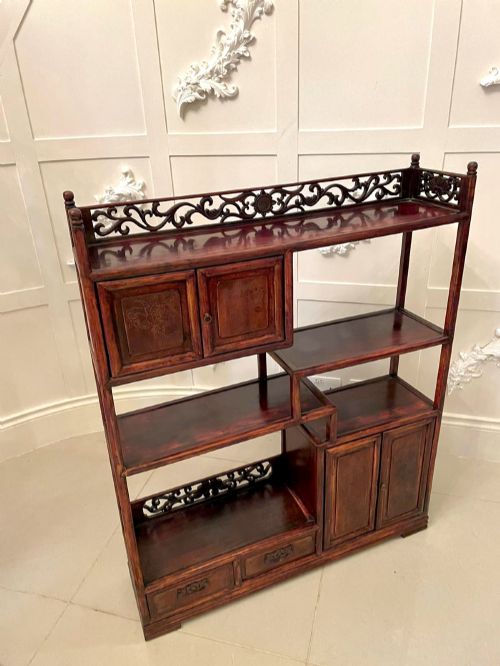
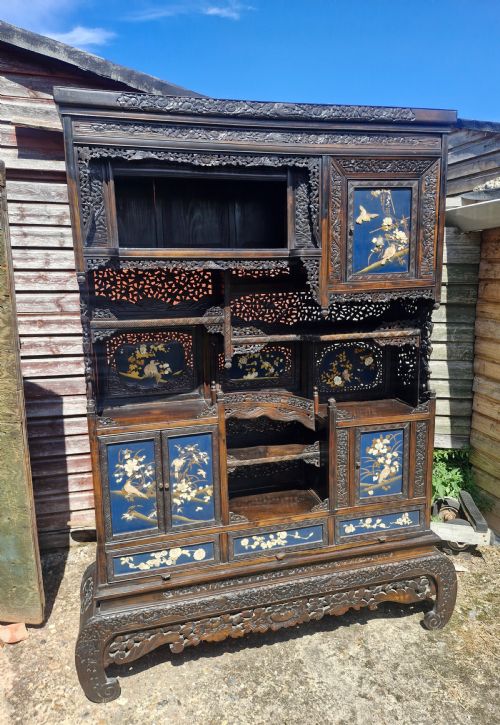
- Traditional Japanese display cabinet featuring asymmetrical shelving and small cupboards. These items date predominantly from the Meiji and Taisho periods.
- Japanning
- European imitation of East Asian lacquerwork using layered varnishes and metallic dust. This technique became popular during the 17th and 18th centuries.
- Hongmu
- Dense, dark Chinese hardwood frequently utilised for furniture and stands during the Qing Dynasty. It provides a heavy, durable frame for display items.
- Meiji Period
- Era in Japanese history lasting from 1868 to 1912. Cabinets from this time often display intricate carving and lacquer decoration.
Oriental Cabinet on Stand: Frequently Asked Questions
How were cabinets on stands used historically?
These cabinets served primarily for the storage and display of valuable commodities, small collections, and writing materials. Elevated on stands, the storage compartments were placed at a convenient height for viewing and daily access.
In grand interiors, they acted as decorative focal points that showcased the owner's taste for imported goods and exotic craftsmanship. The upper cupboard protected delicate items from dust while the stand lifted the composition off the floor.
How do I distinguish between periods?
Differentiating periods relies on examining the wood species, lacquer techniques, and the architectural style of the stand. 17th and 18th-century examples often feature European stands paired with imported panels, whereas Victorian and Edwardian pieces show unified revival styling.
Material choices also offer chronological clues, such as the specific hardwoods utilised in Qing Dynasty items versus the bamboo frameworks favoured during the Aesthetic Movement. Hardware styles and construction marks further confirm the date of manufacture.
Are the stands original to the cabinets?
Many historical cabinets were paired with stands created in European workshops to suit local interior fashions. Determining originality involves inspecting the mounting points, the wear patterns where the cabinet rests, and the consistency of the finish.
Matched pairs and unified designs from later periods often show integrated construction methods between the upper section and the base. Expert examination helps identify whether a stand is contemporaneous with the cabinet or a later replacement.
Where should I place one in a room?
An oriental cabinet on stand works well against a solid wall where its height and decorative surface can be appreciated without visual competition. Placing it in a hallway, drawing room, or study allows the carved details and lacquerwork to catch ambient light.
Ensure the piece sits away from direct heat sources and strong sunlight to protect the fragile lacquer and wood finishes. Pairing the cabinet with complementary low tables or related display pieces creates a balanced arrangement.