



Oriental Bronze Statuette
These oriental bronze statuette pieces capture Asian craftsmanship across the nineteenth and early twentieth centuries, offering detailed figures of animals, deities, and demons for your collection.
Oriental Bronze Statuette
When you search for an oriental bronze statuette, you look at solid metal sculptures originating from China, Japan, Tibet, Thailand, and Burma. These works portray figures from various Asian traditions, ranging from Buddhist deities to naturalistic animals.
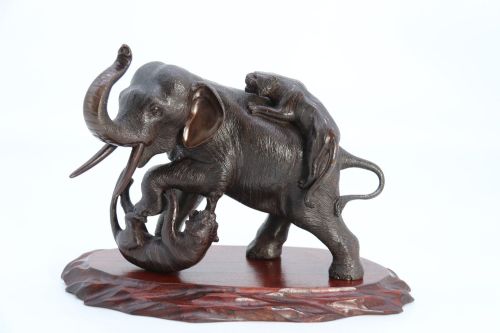
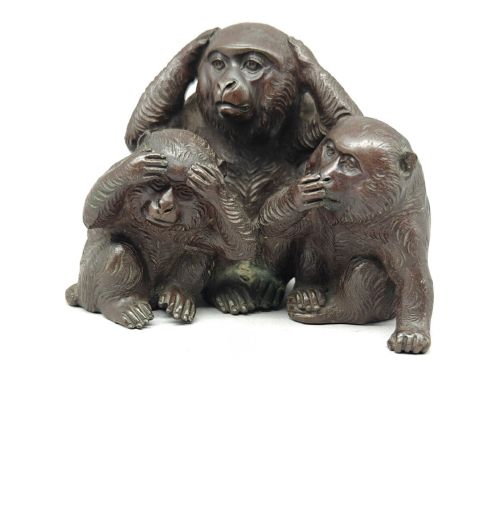
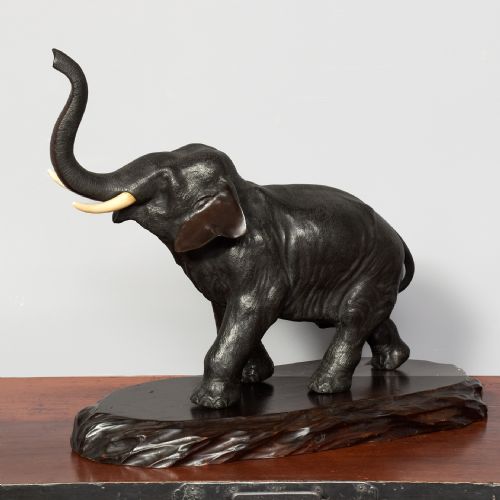
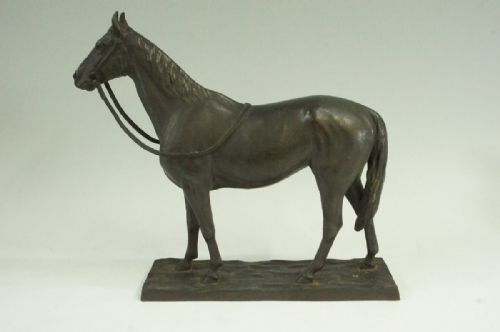
The versions you are most likely to meet on this page date from the nineteenth century through the early twentieth century, including the Meiji period and the Qing dynasty. Formats vary from small okimono to large sculptural groups involving elephants, tigers, horses, and temple lions.
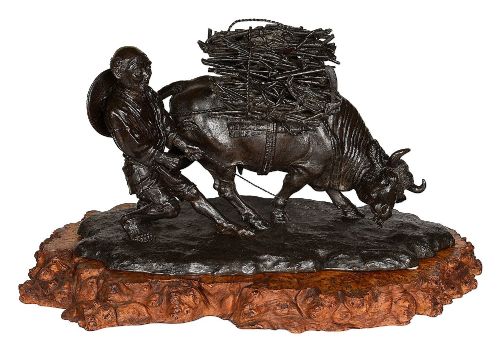
Materials extend beyond pure metal, as several pieces incorporate gilt surfaces, ivory tusks, burr wood bases, marble, and mineral inlays. These combinations reflect the distinct aesthetic preferences of their respective Eastern origins and periods of production.
How they were made
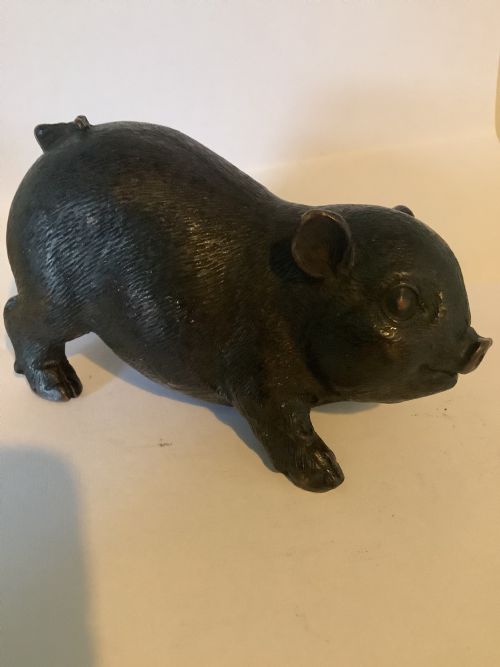
The makers utilised traditional casting methods to shape bronze into complex animal forms, human figures, and mythological demons. Surface treatments range from natural patinated brown finishes to applied gilding.
Mixed media elements frequently accompany the metalwork, incorporating carved ivory, dense hardwoods, and mineral inlays to add textural contrast and botanical bases. Skilled artisans combined these substances to anchor substantial bronze sculptures.
Oriental Bronze Statuette Retail Price Guide 2026
Typical asking prices for oriental bronze statuette among the pieces listed under this phrase on Sellingantiques today, from the lower quarter to the upper quarter. They describe what is for sale here now, not the wider market.
Listings feature bronzes from the nineteenth century through nineteen twenty, alongside materials including marble, ivory, and mineral inlays.
What varies in quality
The degree of anatomical precision and naturalistic detail in the casting separates standard items from superior works. Finer examples display intricate feather, fur, and facial expressions that reveal the sculptor's direct observation.
The integration of secondary materials such as ivory tusks or stone bases influences the overall execution. Superior objects maintain a balanced composition where every inlaid detail and patinated surface contributes to the harmony of the whole.
Kunio Itô
The Oriental Bronze Statuette Glossary
- Okimono
- A Japanese term for a tabletop display piece or ornament. These carvings and metal sculptures sit independently on flat surfaces.
- Patination
- The natural or chemical coloration developed on the surface of bronze over time. This process alters the appearance of the metal.
- Gilt bronze
- Bronze that has been coated with a thin layer of gold or gold leaf. The technique imparts a bright metallic sheen to the sculpture.
- Meiji period
- The era in Japanese history spanning from eighteen sixty-eight to nineteen twelve. Metalwork from this time achieved notable technical refinement.
Oriental Bronze Statuette: Frequently Asked Questions
How do I date a bronze statuette?
Dating relies on stylistic markers, casting methods, and historical attribution tied to specific Asian periods. Meiji and Qing pieces carry distinct aesthetic traits characteristic of their eras.
Examining the patination and secondary materials like ivory or wood helps confirm the age of the item.
Where were these bronzes made?
These sculptures originate from various Eastern workshops across Japan, China, Tibet, Thailand, and Burma. Each region maintained distinct artistic traditions and iconographic styles.
Local techniques dictated whether a piece took the form of a temple lion, a Buddha, or a naturalistic animal.
What materials are used besides bronze?
Many sculptures incorporate gilt surfaces, ivory tusks, and mineral inlays to enhance specific details. Bases are frequently fashioned from burr wood, hardwood, or naturalistic stone.
These mixed media elements provide structural support and aesthetic contrast to the cast metal.
How should I display my statuette?
Place your sculpture on a stable, flat surface away from direct sunlight and excessive humidity. Solid wood bases and naturalistic stands help anchor heavier bronze figures safely.
Regular dusting with a soft, dry cloth preserves the patinated or gilt finish without harming the metal.