

Bronze Figure on Base
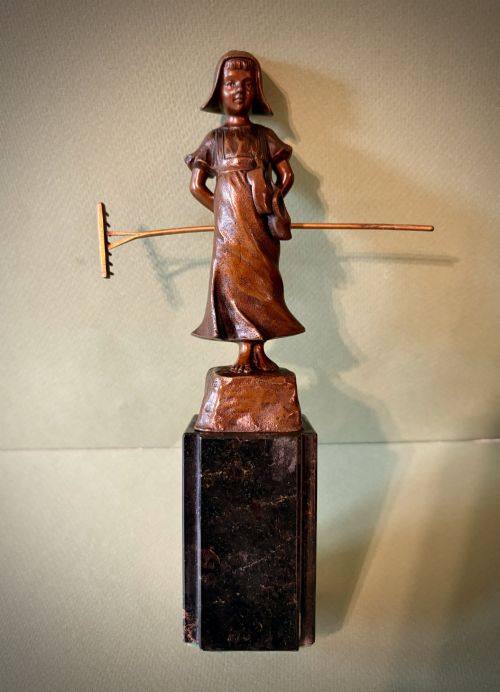
When you search for a bronze figure on base, you are looking at sculptural works permanently mounted on stone or metal supports.
Bronze Figure on Base
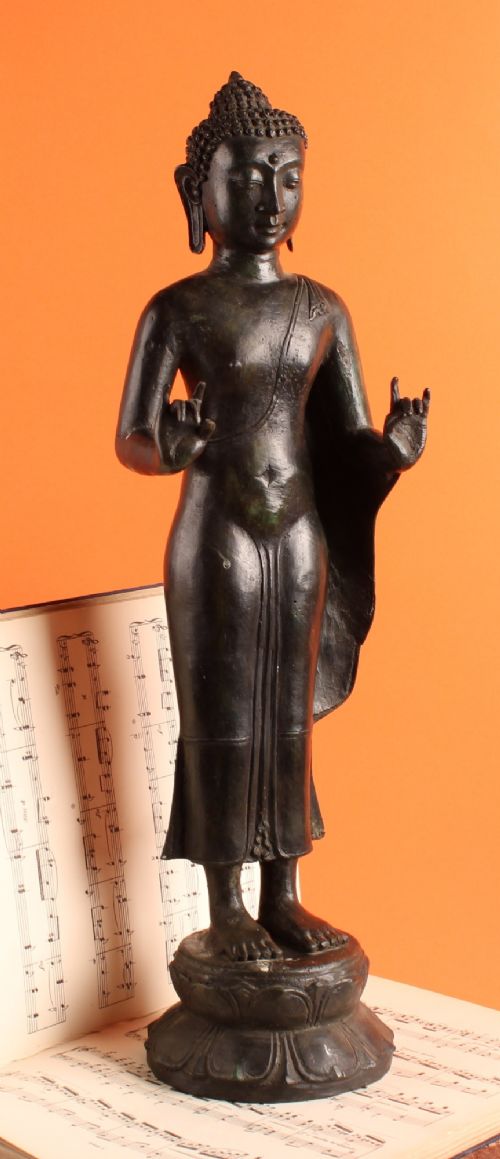
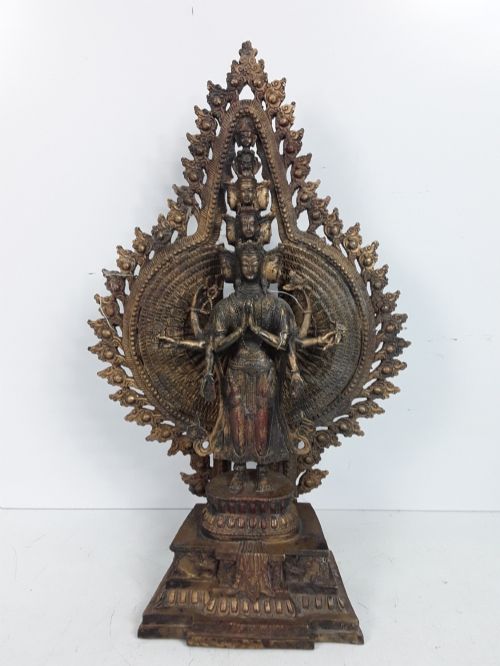
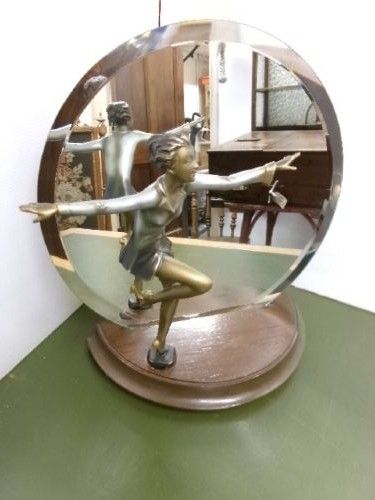
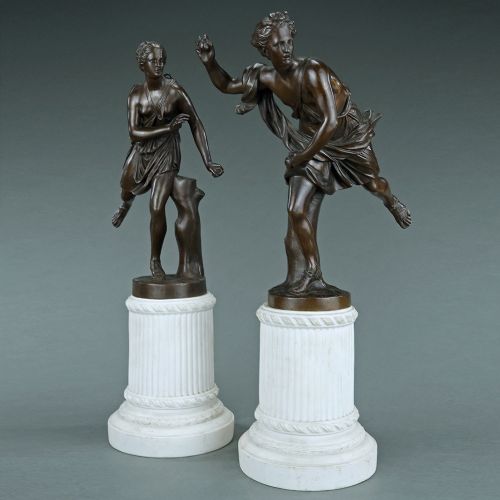
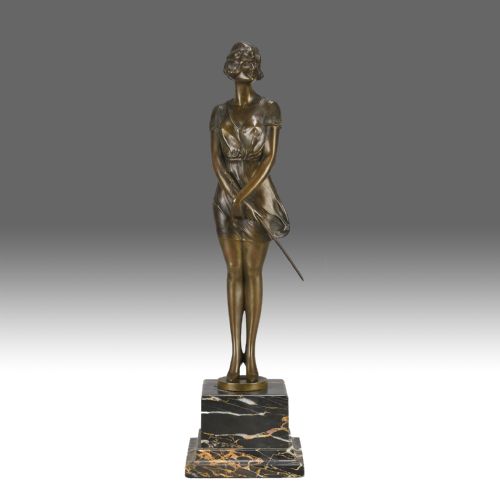
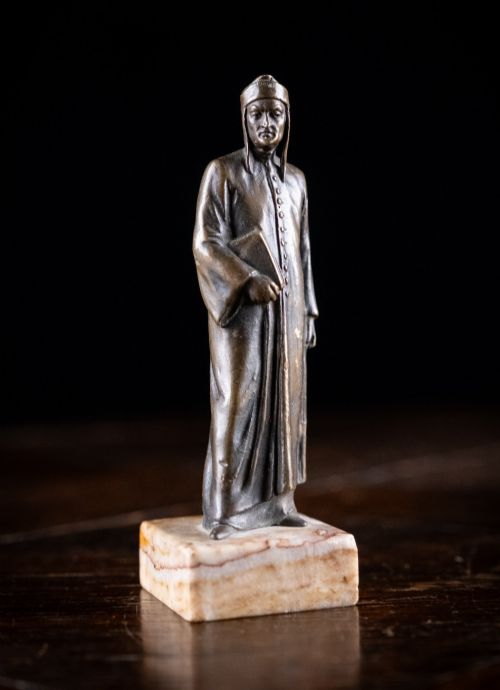
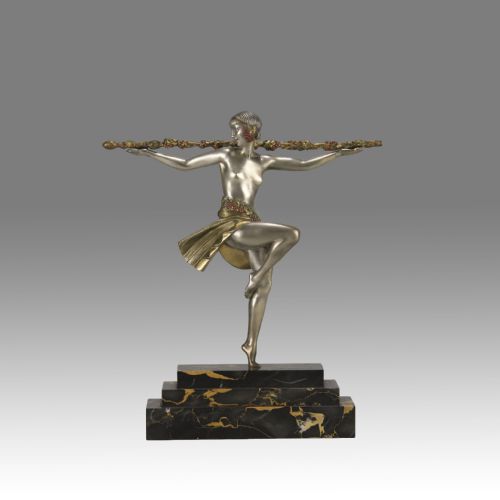
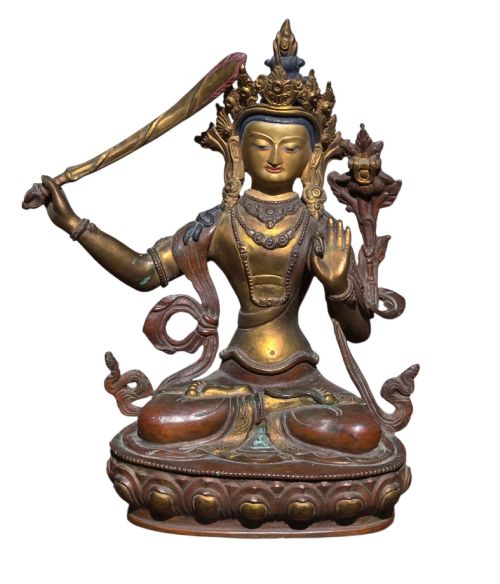
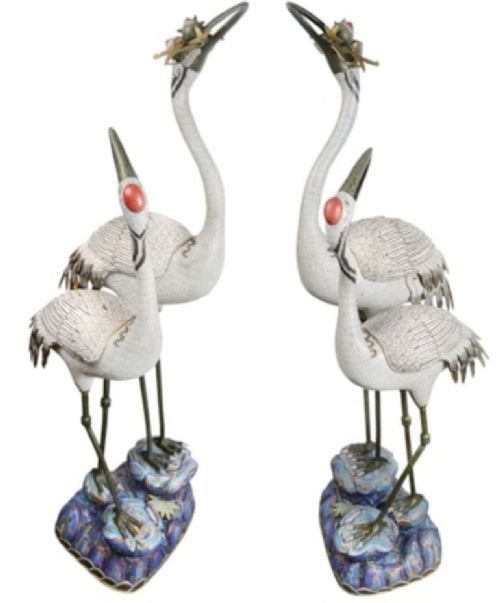
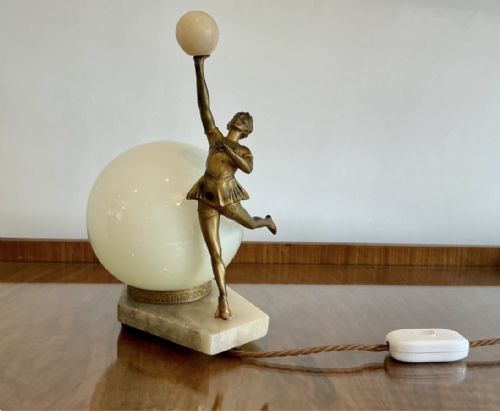
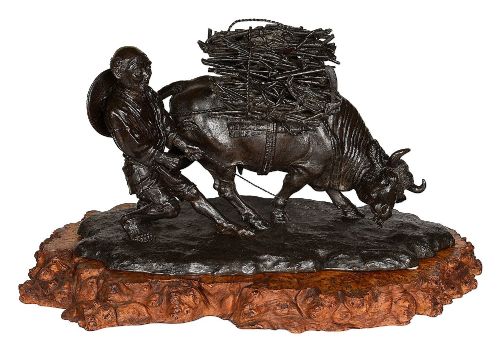
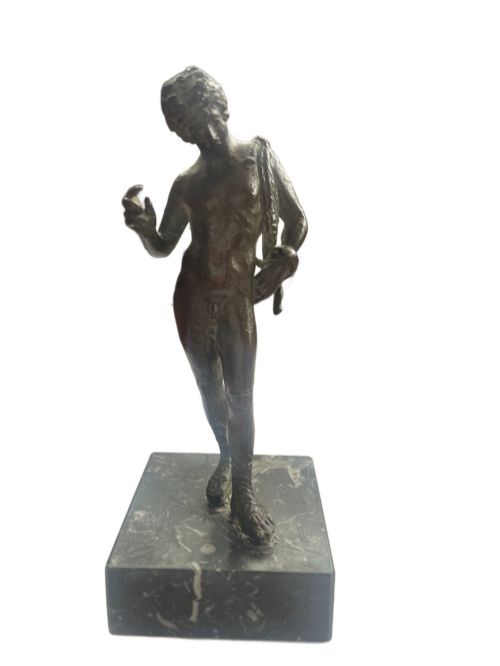
A bronze figure on base encompasses a wide variety of subjects, ranging from classical mythological figures and Grand Tour souvenirs to Art Deco dancers and animal studies. These pieces are united by their integral mounting onto a separate foundation, which often provides structural stability and visual contrast.
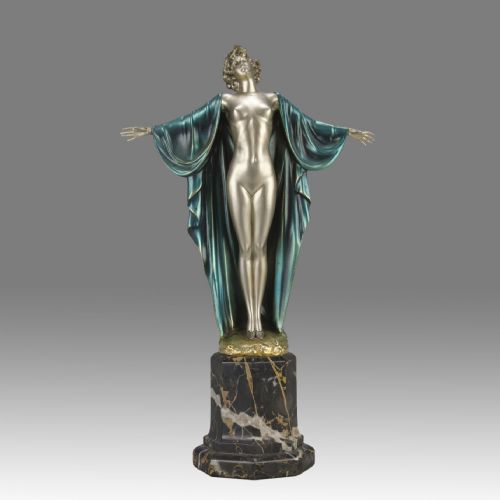
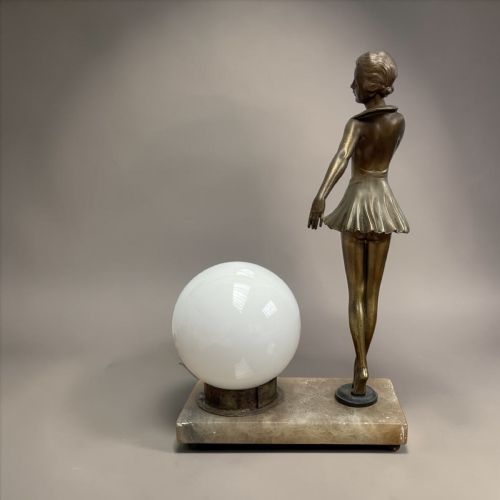
The version you are most likely to meet on this page is either a 19th-century French or Italian classical reduction or an early 20th-century Art Deco dancer. Makers cast these works in bronze, gilt bronze, or spelter, subsequently mounting them on marble, onyx, or slate plinths.
The forms extend beyond traditional standalone statues to include functional items such as table lamps, bookends, and candlesticks. Whether depicting human figures, animals, or mythological scenes, each piece relies on its base to elevate the sculpture and complete its composition.
How they were made
Foundries typically utilised the lost-wax casting method to produce these figures, allowing for intricate detail in the final metalwork. Artisans then chased the surface, refining the bronze through filing and polishing before applying patination.
Makers paired the metal sculptures with heavy natural stone foundations, drilling the base to secure threaded rods or pins projecting from the feet of the figure. Some items received additional surface decoration, such as cold-painted polychrome enamel or gilding applied over the bronze or spelter substrate.
Materials recorded across the inventory include cast bronze, gilt bronze, spelter, marble, onyx, and cold-painted enamel finishes.
What varies in quality
The selection and preparation of the supporting plinth also dictate the overall standard of the piece. Dense, figured stones such as Siena marble or banded onyx, cut with precise bevels and fitted flush to the sculpture, elevate the presentation far above plain or hastily assembled mountings.
Barbedienne·Bruno Zach·Pierre le Faguays·Ferdinand Preiss·Josef Lorenzl·Emile Carlier·Demetre Chiparus·Henri Godet·Franz Xaver Bergman·Paul Gayrard
The Bronze Figure on Base Glossary
- Spelter
- A zinc alloy commonly utilised as a less expensive substitute for bronze, especially in decorative Art Deco figures. It takes patination and cold-painting well, though it is softer and more brittle than copper-based alloys.
- Cold-painted
- A technique where enamel paint is applied to a metal sculpture without subsequent firing in a kiln. The fragile paint sits on the surface of the bronze and is easily damaged by moisture or cleaning.
- Grand Tour
- A cultural phenomenon of the 18th and 19th centuries where wealthy travellers purchased miniature bronze copies of classical antiquities in Italy. These reductions were mounted on marble bases to serve as desk ornaments or cabinet displays.
- Animalier
- A 19th-century sculptural style focused on realistic depictions of animals, often shown in dynamic motion or naturalistic combat. Artists studied live subjects in menageries to capture accurate anatomy and musculature.
- Patina
- The chemical layer or applied coating on the surface of bronze resulting from age or deliberate treatment. It ranges from warm brown and deep black to green verdigris.
Bronze Figure on Base: Frequently Asked Questions
What is a bronze figure on base?
A bronze figure on base is a sculptural object cast in metal and permanently secured to a distinct plinth made of marble, onyx, or slate. These objects range from small cabinet bronzes to functional items like bookends and lamps.
The base serves both a practical purpose, anchoring figures that might otherwise be top-heavy, and an aesthetic one by framing the sculpture and lifting it off the surface below.
How can I tell bronze from spelter?
Spelter is significantly lighter than bronze and possesses a softer, more brittle structure that can sometimes reveal a silvery-grey metal beneath chips in the finish. Bronze maintains a heavier, denser feel in the hand and develops a warm, stable patination over time.
Examining the underside or interior of the piece often reveals the distinct colour and texture of the underlying metal without causing damage to the display surfaces.
Were these figures always attached to marble?
Not all figures are mounted on stone, as many historical casts rely on integral bronze bases cast as part of the primary sculpture. However, the combination of metal figures on contrasting marble or onyx plinths became particularly popular during the 19th century and the Art Deco period.
Grand Tour bronzes and European salon sculptures frequently utilised multi-coloured marble bases to enhance their decorative appeal.
How do I care for cold-painted figures?
Cold-painted bronzes require dry dusting with a soft brush, avoiding any liquid cleaners, polishes, or abrasive cloths. The enamel paints used in this technique sit on the surface without kiln-firing, making them vulnerable to moisture.
Keep these pieces away from direct sunlight and high humidity to prevent the paint from flaking or fading over time.