



Oriental Bronze Scholar
Oriental bronze scholar pieces are fine metalwork figures and desk objects from Asian traditions, offering tactile history and scholarly refinement to any collection.
Oriental Bronze Scholar
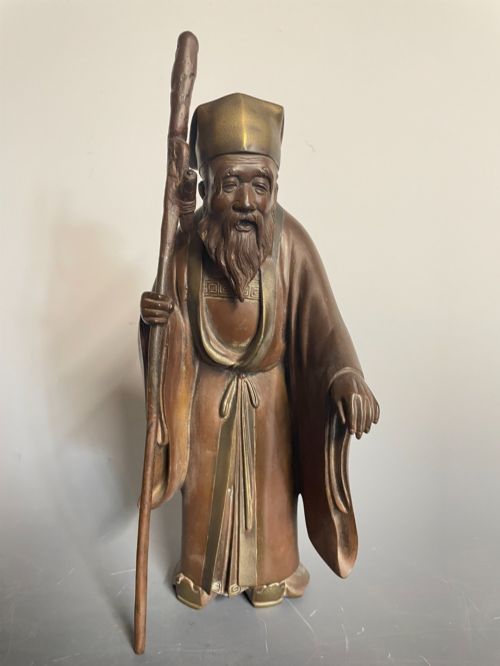
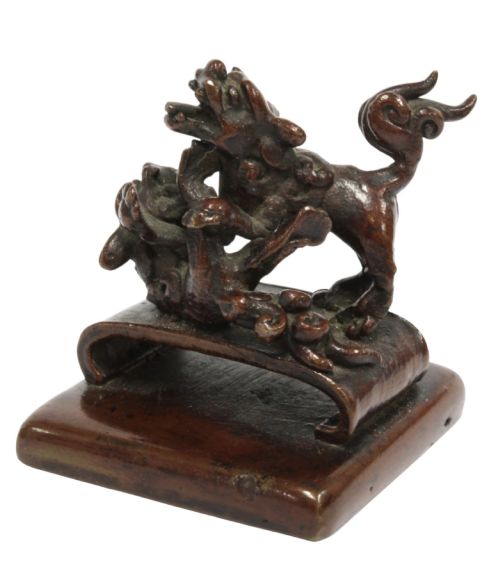
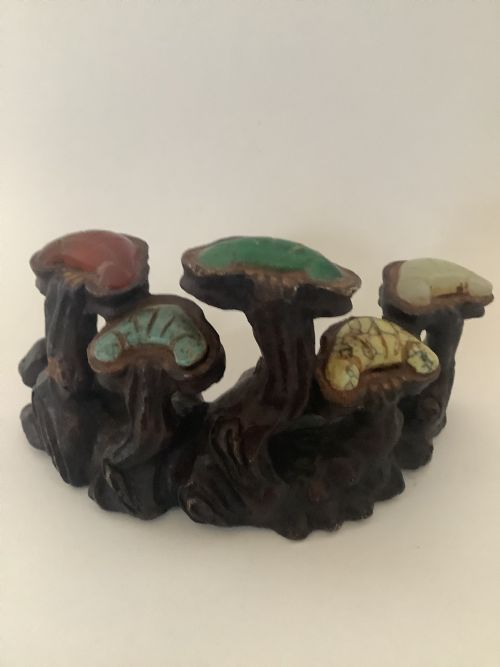
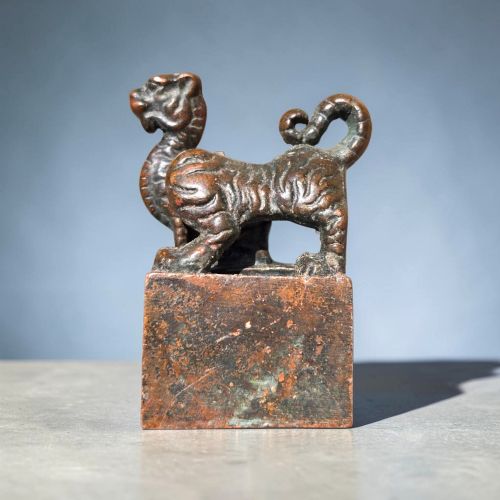
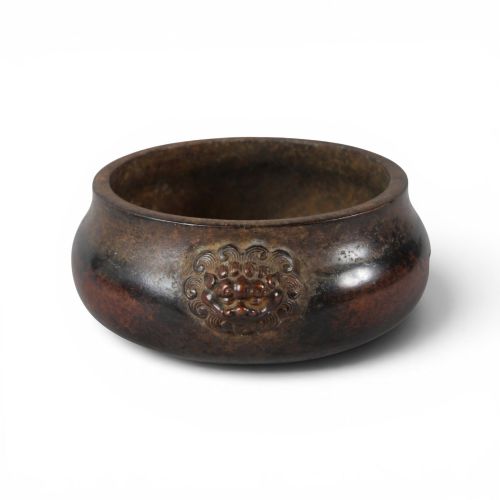
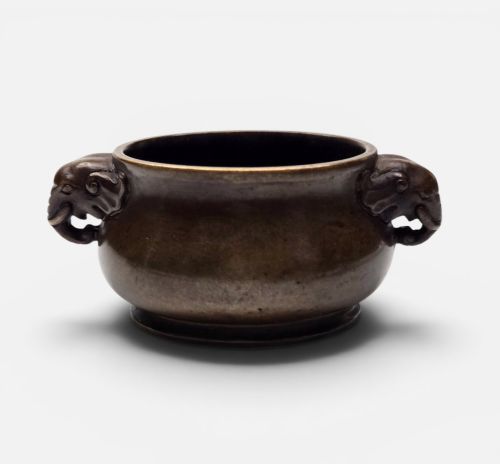
When you search for oriental bronze scholar objects, you encounter a specialised category of desk accessories, censers, seals, and figures associated with the traditional literate elite of China and Japan. These items range from utility pieces like brush rests and paperweights to sculptural figures of scholars and animals.
The pieces on this page span several centuries, with particular strength in Ming and Qing dynasty items alongside Japanese Meiji period examples and early twentieth-century works. You are most likely to meet cast bronze censers and figural paperweights or seals originating from Chinese and Japanese workshops.
Materials and Techniques
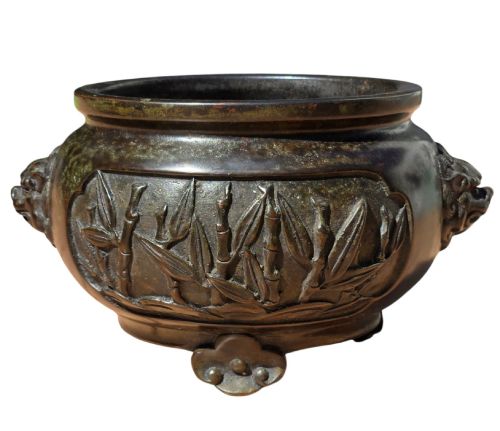
The foundational material across these listings is bronze, frequently accompanied by brass, copper, and mixed metals, sometimes utilising gold leaf, gold inlay, or cold-painting for surface enrichment. Metalworkers employed traditional casting techniques, including solid-casting and lost-wax methods, to produce heavy, durable forms with intricate relief panels.
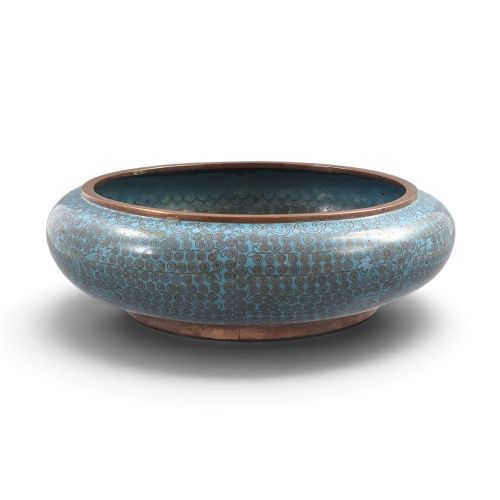
Surface treatments play a crucial role in the appearance of these pieces, with makers applying selective fire-gilding, patination, and cloisonné enamel. These applied finishes highlight specific details such as relief panels featuring traditional motifs or decorative borders.
A scholarly monkey occasionally holds court over your desk, reminding you that intellect and mischief go hand in hand.
Distinctions in Quality
Quality in these scholar objects rests on the crispness of the casting and the depth of the finished patina, which reveals the maker's mastery over the metal. Heavyweight cast pieces with deliberate attention to anatomical detail or architectural relief stand apart from simpler commercial productions.
The integration of secondary materials, such as selective gold inlay, fire-gilding, or mixed-metal detailing, elevates a piece through the sheer skill required in execution. Studio marks and well-defined relief work further separate standard decorative items from superior scholarly examples.
Franz Bergman
The Oriental Bronze Scholar Glossary
- Censer
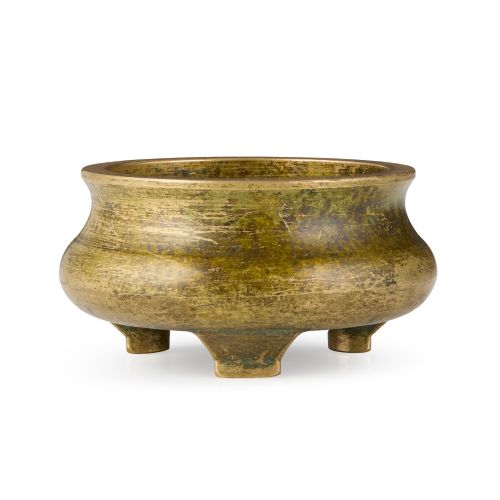
- A vessel used for burning incense, commonly found in bronze among scholar's studio items. These range from miniature tripod designs to heavyweight lion-mask forms.
- Okimono
- A Japanese decorative object designed for display on a shelf or desk. These figures often depict anthropomorphic subjects or traditional scenes.
- Paperweight
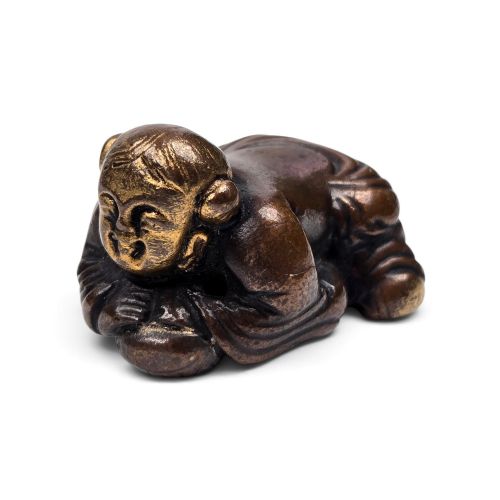
- A heavy desk accessory used to hold papers in place, frequently cast in the form of reclining figures or animals. These objects combine utility with miniature sculpture.
- Seal
- A carved stamp or die utilised for marking documents with ink or cinnabar. Scholar's seals often feature mythical creatures such as shishi or qilin.
- Patina
- The surface coloration and sheen developed naturally over time or applied chemically by the maker. A fine patina enhances the visual texture of antique bronze.
Oriental Bronze Scholar: Frequently Asked Questions
What is an oriental bronze scholar piece?
These pieces comprise metalwork objects created for the traditional studies of East Asian scholars, including desk accessories, censers, and figural sculptures. They reflect the refined artistic tastes of the literate elite.
Items encompass utilitarian objects like brush rests alongside decorative seals and paperweights cast in bronze, brass, or mixed metals.
How were bronze censers used?
Bronze censers served to burn aromatic incense during meditation, reading, or writing within the scholar's studio. They created a contemplative atmosphere conducive to scholarly pursuits.
Many examples feature tripod legs and relief panels, designed to sit securely on a desk while releasing fragrance through pierced covers.
How do I care for antique bronze?
Antique bronze requires minimal intervention to preserve its historical surface and patination. Keeping the metal dry and dusting gently with a soft brush maintains its condition.
Avoid using abrasive cleaning agents or polishes that strip away the natural patination acquired over centuries of handling and exposure.
How can I tell periods apart?
Differentiating periods relies on examining the casting style, surface finish, and stylistic markers associated with dynasties like the Ming and Qing, or the Meiji period in Japan. Studio marks and specific motifs also provide chronological clues.
Early pieces often display heavier casting and distinct traditional relief work, whereas later nineteenth and twentieth-century works may incorporate mixed metals or cold-painting techniques.