
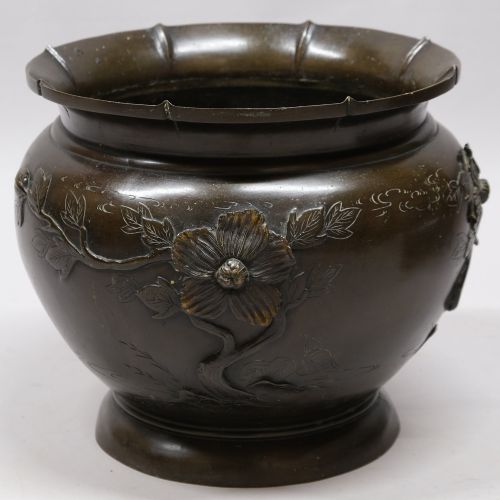


Oriental Bronze Planter
An oriental bronze planter brings heavy, patinated weight and intricate cast or enamelled detail from nineteenth-century Japan, China, or Siam directly into a room.
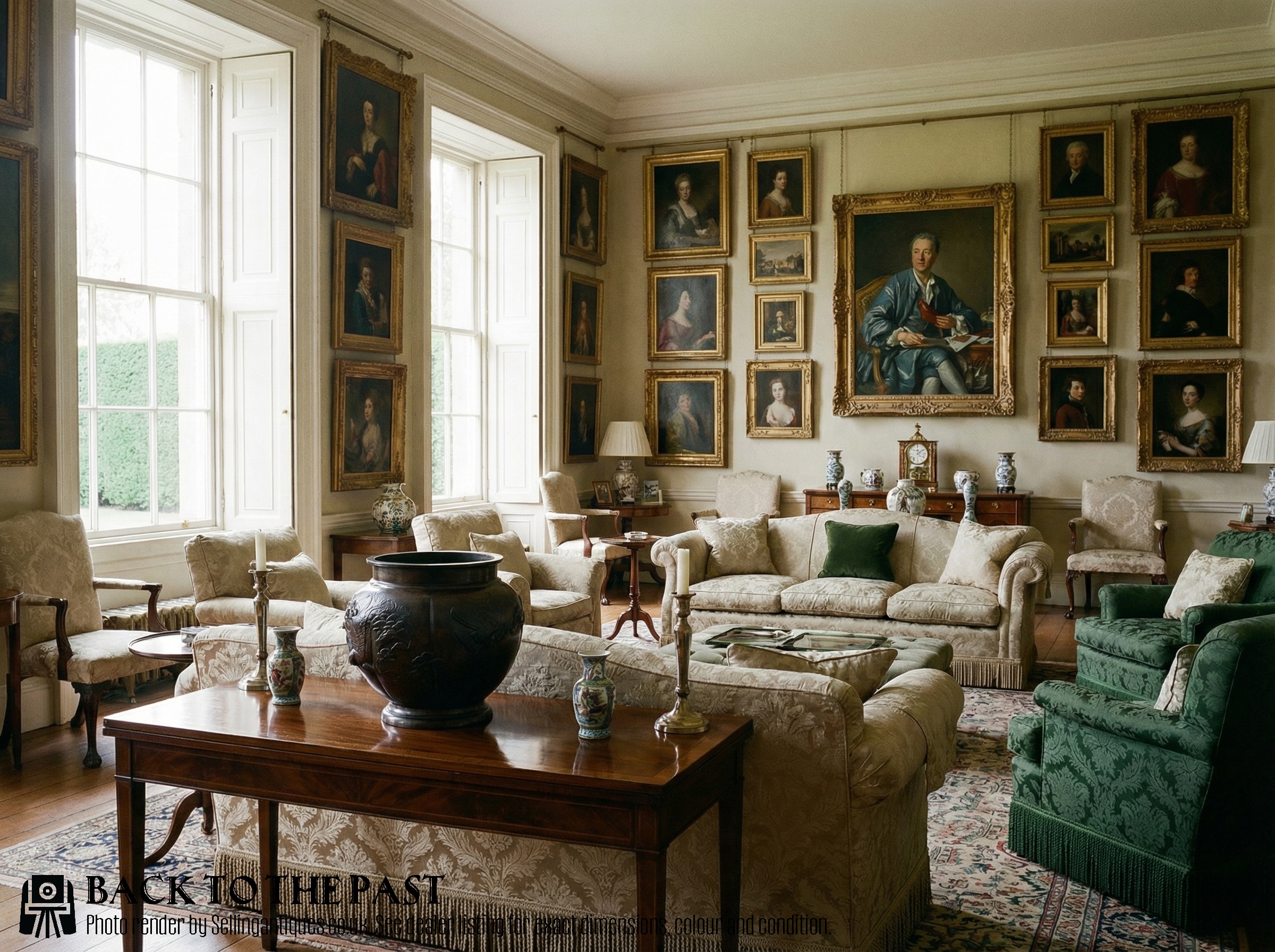
Oriental Bronze Planter
An oriental bronze planter is a substantial vessel designed for horticulture, floral display, or interior decoration. Buyers searching for an oriental bronze planter encounter wide jardinières, deep bowls, and garden urns intended to hold plants or cut stems.
The pieces on this page stem predominantly from the nineteenth and early twentieth centuries, spanning the Japanese Meiji and Edo periods alongside the Chinese Qing dynasty. Forms range from broad ceremonial vessels and tearai to heavy Suiban and Ikebana containers.
Originating from workshops in East and Southeast Asia, these items often served ritual or domestic functions before reaching Western drawing rooms during the Victorian era. They combine functional depth with sculptural external relief and surface decoration.
Materials and construction
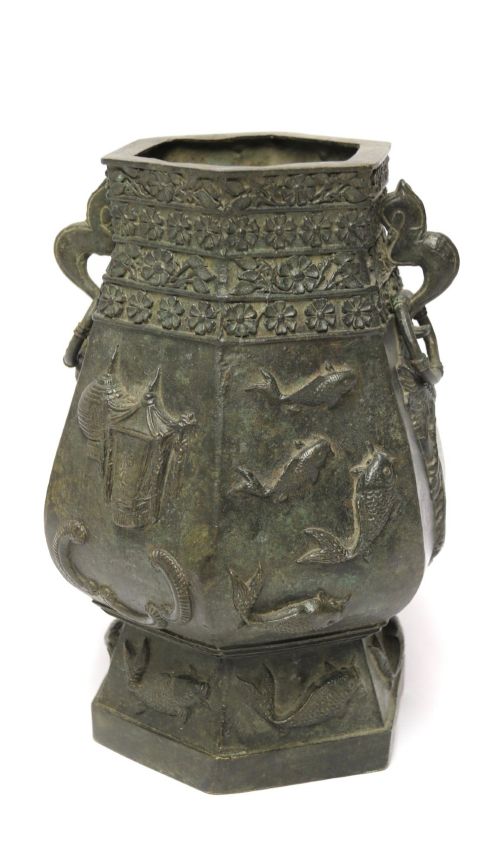
Makers utilised solid bronze and brass, casting vessels in single sections or joining pieces structurally. Surfaces received chemical patination, verdigris treatments, or applied gilt finishes to alter the natural tone of the metal.
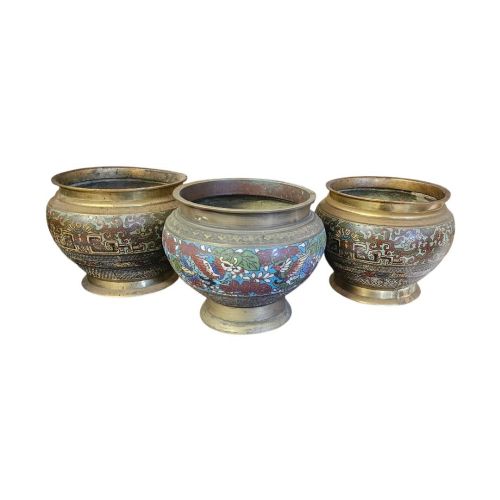
Many examples incorporate cloisonné and champlevé enamel work, fusing vitreous coloured pastes within wire cells or recessed channels across the bronze body. Artisans chased and engraved fine details by hand into the cast metal before finishing the surface.
Oriental Bronze Planter Retail Price Guide 2026
Typical asking prices for oriental bronze planter among the pieces listed under this phrase on Sellingantiques today, from the lower quarter to the upper quarter. They describe what is for sale here now, not the wider market.
Materials span patinated bronze, brass, verdigris bronze, and gilt bronze, frequently decorated with champlevé and cloisonné enamel.
Determinants of quality
Quality rests on the crispness of the casting and the density of the metal, with superior vessels displaying sharp relief work and heavy physical weight. Finer examples feature intricate, perfectly fired enamel cells without pitting or irregular shrinkage.
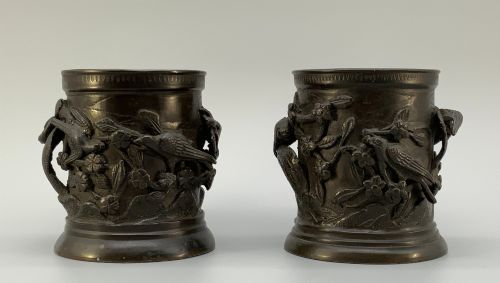
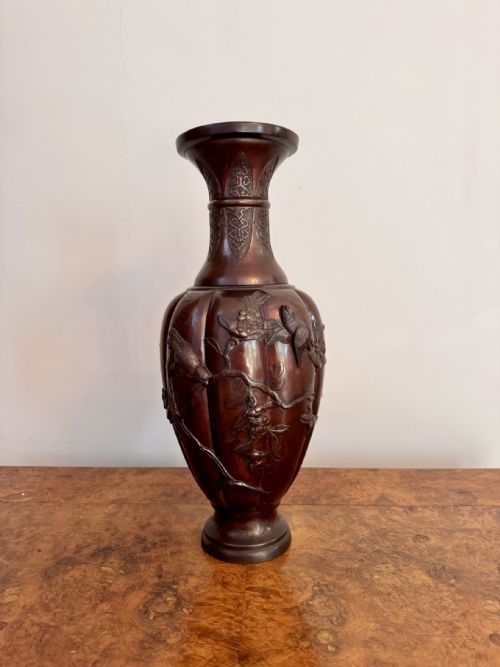
Design complexity elevates a piece, particularly where panels depict naturalistic subjects like birds and blossom with nuanced depth rather than generic stamping. The harmony of the patination and the integrity of any applied handles or feet further distinguish standard domestic wares from exceptional studio output.
The Oriental Bronze Planter Glossary
- Jardiniere
- A large ornamental pot or bowl designed to hold growing plants or flowers. These vessels often sit directly on floors, plant stands, or heavy tables.
- Cloisonne
- An enamel technique where metal wire is soldered to a bronze base to form compartments filled with coloured paste. Firing hardens the paste into decorative coloured fields.
- Champleve
- A method of enamelling where troughs or cells are carved directly into the thick bronze surface and filled with enamel. The remaining exposed metal forms the outline of the design.
- Suiban
- A shallow Japanese basin used primarily for displaying arrangements of stones or water plants. These vessels emphasise horizontal breadth and stable, flat bases.
- Patinated Bronze
- Metal treated with chemicals or heat to produce a stable surface oxidation layer. This process alters the raw bronze colour to deep browns, greens, or mottled blacks.
Oriental Bronze Planter: Frequently Asked Questions
What is an oriental bronze planter used for?
These vessels originally served as indoor planters, water containers, or decorative display bowls within Asian households and temples. Victorian collectors repurposed them as jardinières to house large potted ferns and palms.
Today, they function as standalone decorative objects or heavy plant pots that anchor traditional and contemporary interior spaces alike.
How do I care for antique bronze?
Antique bronze requires minimal intervention to preserve its original surface patination and historic wear. Dusting with a dry, soft cloth prevents particulate buildup without disturbing the underlying metal.
Avoid commercial metal polishes, abrasive pads, and chemical cleaners that strip away the aged patina. If using the vessel for live planting, insert a plastic liner to protect the interior from moisture and soil acids.
How can I tell the period of a planter?
Dating relies on stylistic markers, casting methods, and decorative motifs associated with specific eras like the Japanese Meiji period or late Qing dynasty. Nineteenth-century examples often display deep, hand-chased relief work and rich chemical patinas.
Comparing the weight, construction seams, and enamel composition against documented pieces helps establish a reliable window of origin.