

Oriental Bronze Ornaments
Oriental bronze ornaments span Japanese Meiji period okimono and Chinese vessels, bringing detailed metalwork and patination into a room.
Oriental Bronze Ornaments
When you search for oriental bronze ornaments, you encounter a diverse array of figural sculptures, decorative vases, and scholar's desk items originating from Japan, China, India, and Burma. These pieces range from small paperweights and brush rests to large garden dragons and animal groups.
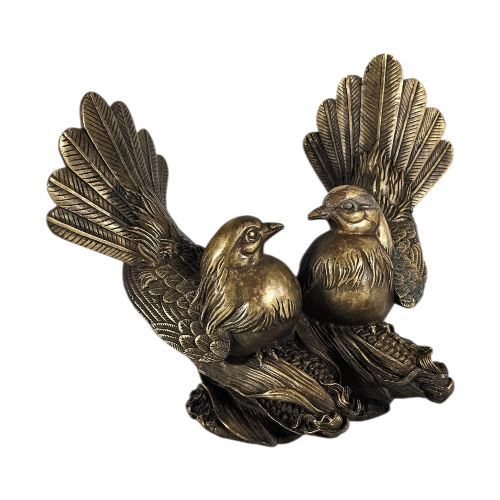
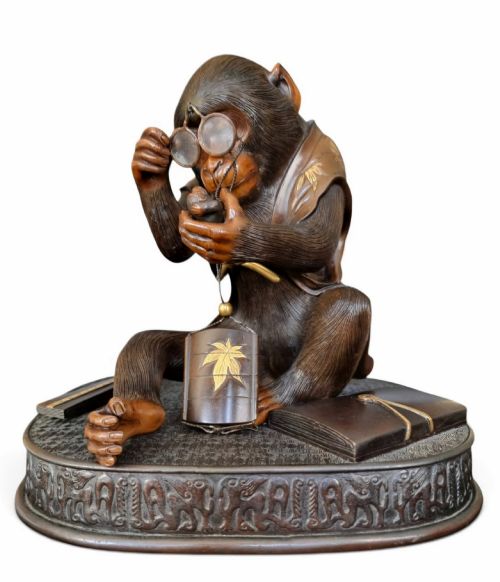
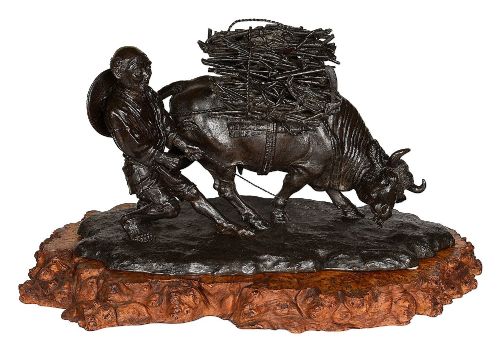
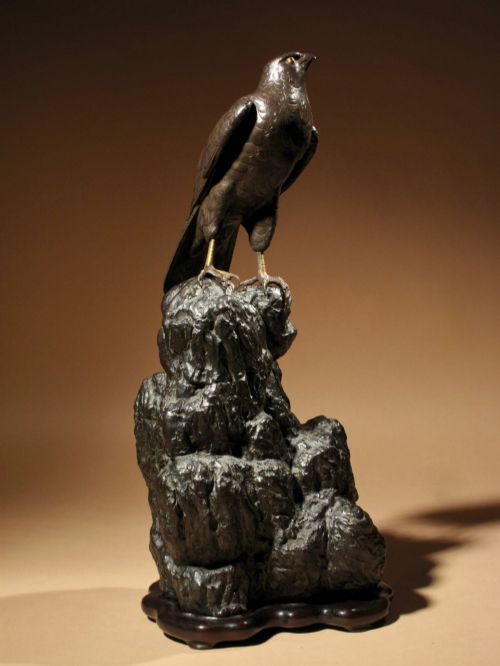
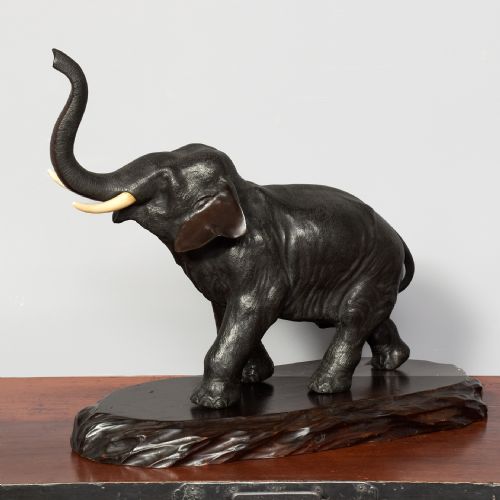
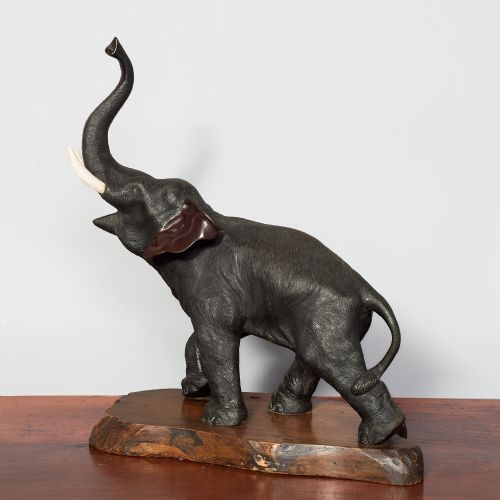
Japanese Meiji period works dominate this selection, frequently taking the form of okimono depicting animals such as elephants, tigers, monkeys, and birds. Chinese examples often feature mythical creatures, horses, and birds with specific dynasty or reign marks.
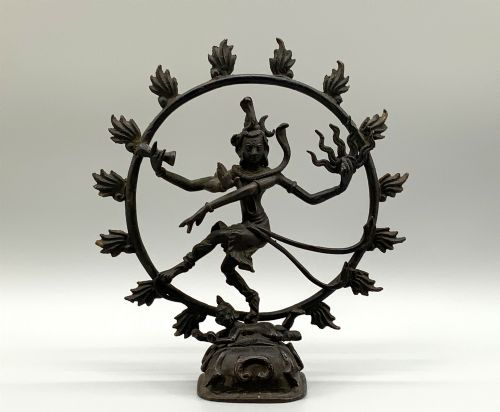
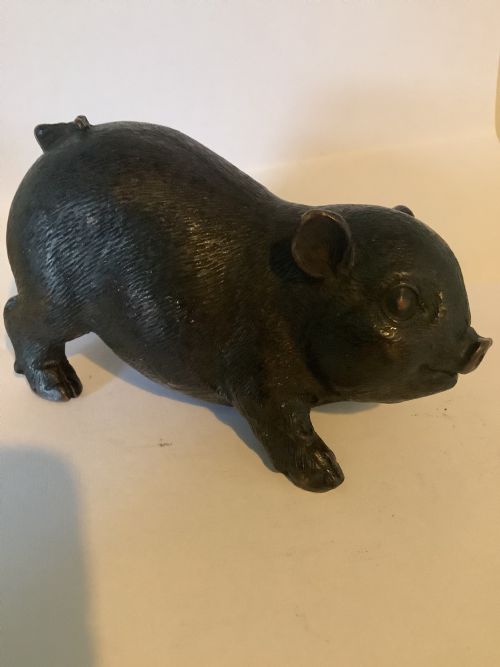
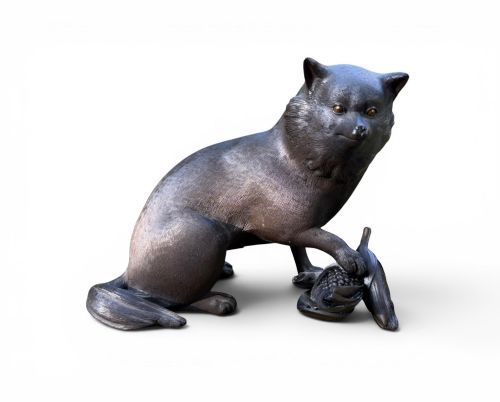
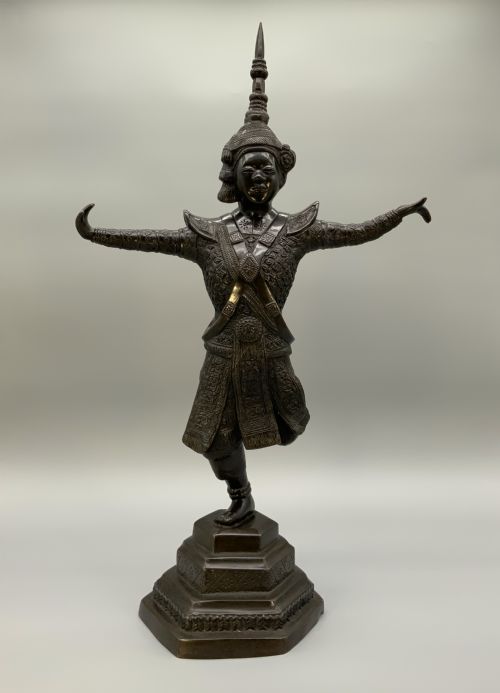
The assortment also includes Indian representations of deities like Shiva Nataraja alongside Burmese elephant figures and Vietnamese court dancer statues. Figures of dogs, pigs, buffalo, and frogs appear alongside architectural models like drum bridges.
Materials and Technique
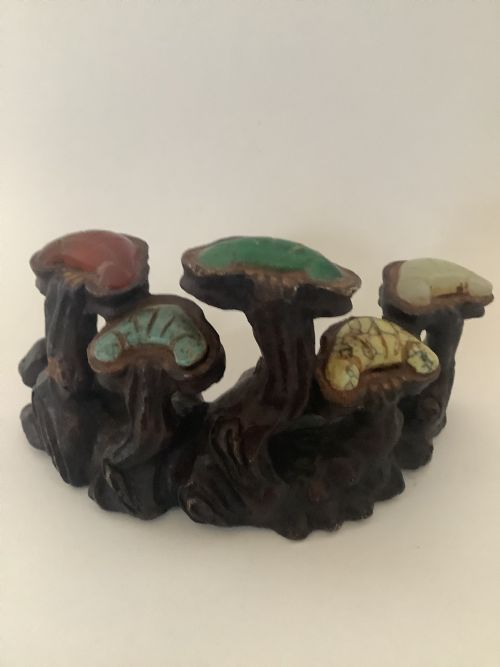
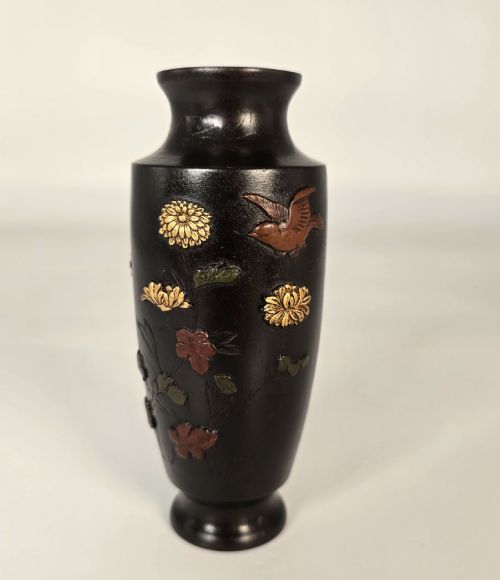
The primary material is cast bronze, frequently complemented by brass, copper, and mixed metal alloys including shakudo. Artisans utilised solid-cast and hollow-cast methods to shape figures, vases, and okimono, often applying rich patinated finishes to the metal surface.
Select pieces incorporate contrasting elements such as gold inlay, ivory tusks, wood bases, and lacquered details. Fire-gilding and mixed metal applications provide visual depth to the surface ornamentation of vases and scholar objects.
A bronze frog might sit quietly on your desk, reminding you that metal amphibians require considerably less maintenance than the living variety.
Evaluating the Pieces
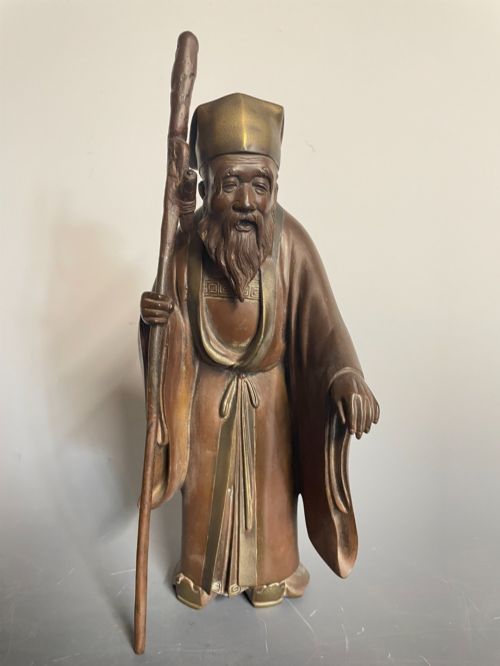
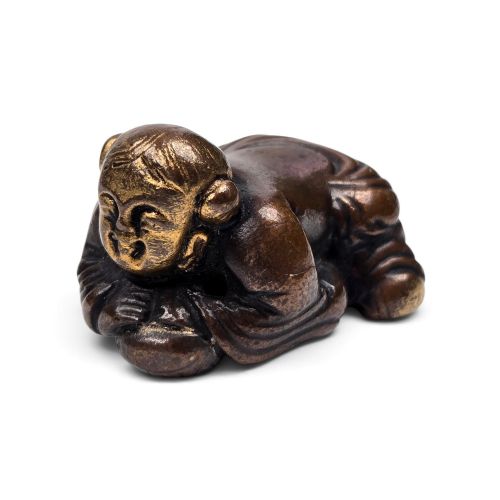
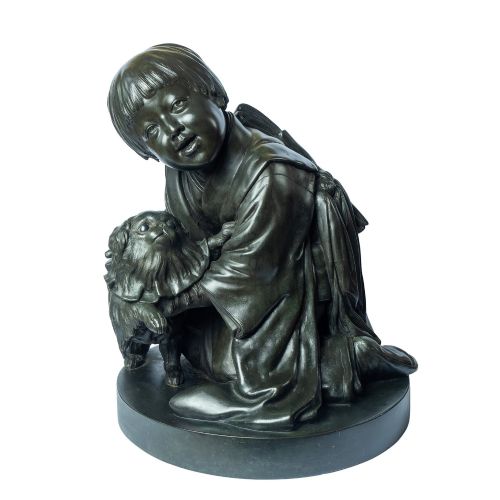
The distinction between standard production and superior craftsmanship lies in the precision of the casting and the expressiveness of the subject. Finer animal and human figures display acute attention to anatomical detail, texture, and naturalistic posture rather than rigid symmetry.
Surface treatment significantly influences quality, where skilfully applied patination, gold inlay, or mixed metal integration enhances the sculptural form. Maker signatures and workshop marks on the base further differentiate notable studio output from unsigned items.
Jomi Eisuke·Shosai·Masaaki·Kaniya Kuniharu·Haruyama Shunzan
The Oriental Bronze Ornaments Glossary
- Okimono
- A Japanese display piece designed for placement in an alcove or on a cabinet. These standalone sculptures frequently depict animals, people, or mythical subjects.
- Shakudo
- A Japanese billon of copper with a small percentage of gold that forms a dark blue or black patina when treated. It provides rich colour contrast in mixed metal decorative objects.
- Patinated Bronze
- Metal treated with chemical solutions to produce a coloured or weathered surface layer. This finish adds visual depth and protects the underlying bronze.
- Cloisonne
- An enamel technique where metal wire forms compartments on a vase or vessel surface to hold coloured paste. The piece is subsequently fired and polished smooth.
- Scholar's Desk
- Items associated with the traditional East Asian scholar, including brush rests, paperweights, and small vessels. These objects combined utility with artistic contemplation.
Oriental Bronze Ornaments: Frequently Asked Questions
What is an okimono?
An okimono is a Japanese decorative sculpture designed for interior display rather than religious use. These pieces celebrate everyday subjects, nature, and folklore through detailed metalwork.
Craftsmen created them in various sizes, ranging from small desk objects to substantial room sculptures. They reflect the high technical skill of the workshops that produced them.
How do I identify Meiji period bronzes?
Meiji period bronzes date from the late nineteenth to the early twentieth century during the reign of Emperor Meiji. They often display naturalistic animal behaviour, mixed metal highlights, and occasionally artist signatures.
These works depart from earlier ritual vessel traditions by embracing dynamic realism and narrative scenes. The integration of patination and inlay techniques is a hallmark of this era.
Where were these bronze ornaments placed?
Historically, smaller scholar items rested on writing desks for practical use while viewing pieces enjoyed prominent placement in reception rooms. Vases held floral arrangements or stood alone as decorative focal points.
Larger figures and bridges served as garden ornaments or interior gallery centerpieces. Their placement depended on their scale and original domestic function.