




Pair Victorian Bronze Vases
These pair victorian bronze vases bring heavy classical casting and ornate metalwork into a room, offering symmetrical display pieces shaped by nineteenth-century revival tastes.
Pair Victorian Bronze Vases
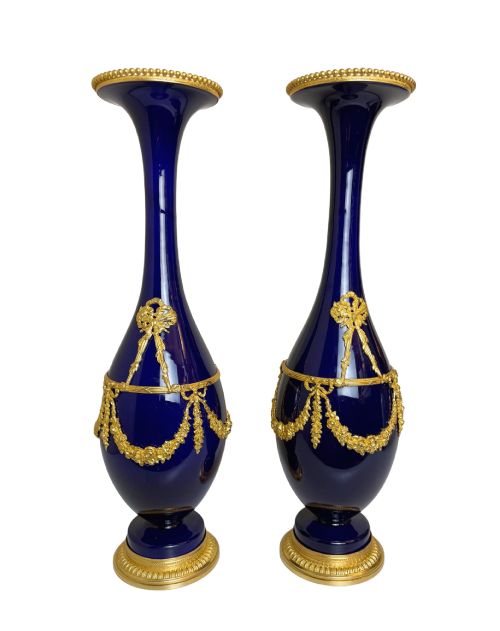
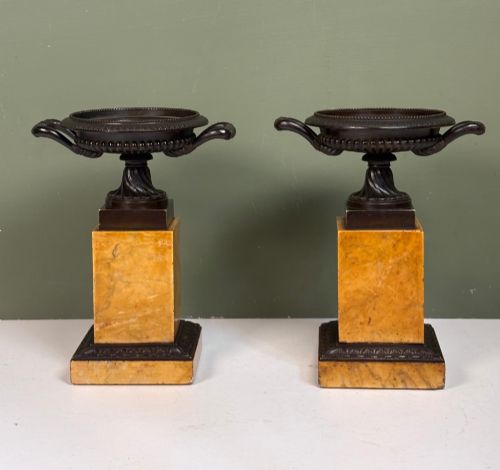
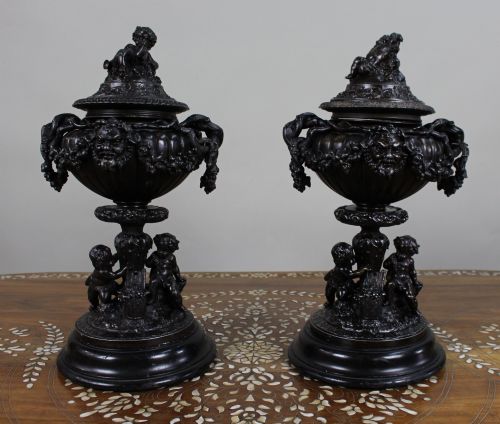
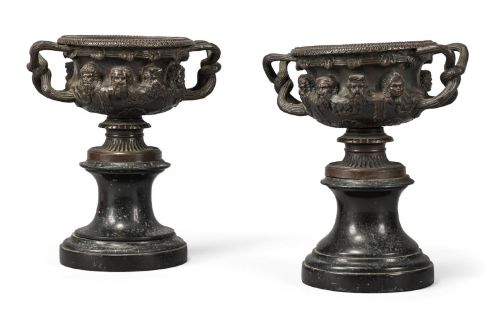
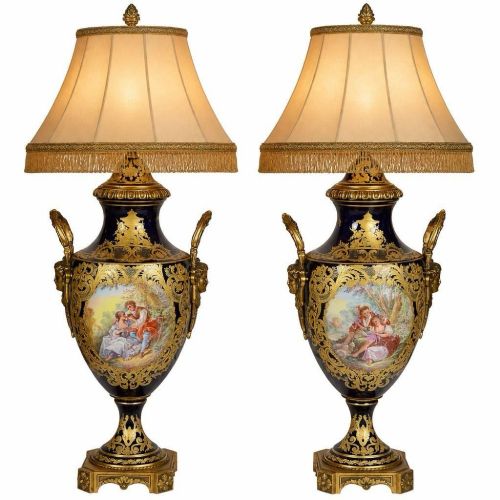
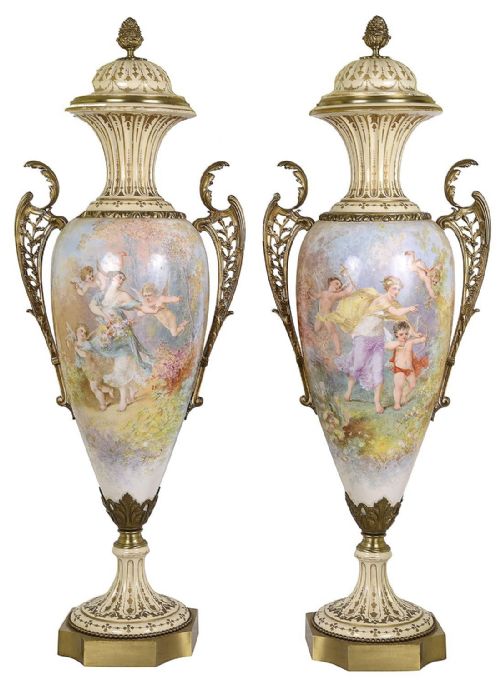
When you search for pair victorian bronze vases, you find dual decorative vessels shaped during the nineteenth century, often drawing on French Rococo Revival, Grand Tour, and Neoclassical styles. The selection frequently includes matched table lamps, lidded urns, and ewers rather than simple domestic flower holders.
Many examples incorporate porcelain bodies with gilt bronze trim, marble plinths, or patinated bronze surfaces. Japanese Meiji and Chinese bronzes also appear alongside European revival works, showing how diverse nineteenth-century production was for symmetrical display sets.
Makers and workshops across Britain, France, Italy, and Asia produced these items for formal interiors and collector cabinets. The surviving pieces demonstrate heavy casting techniques designed to anchor a mantelpiece, side table, or console.
How they were made
The primary material is bronze, frequently paired with contrasting marble bases, ormolu mounts, and hand-painted porcelain sections. Metal elements rely on traditional foundry casting, creating crisp relief details like Bacchic masks, putti, and classical foliage.
Surface finishes range from dark patination to polished gilt highlights and bronzed spelter treatments. Workshops combined metalworking with ceramic arts, mounting porcelain bodies into cast bronze collars and handles with threaded pins and screws.
Materials recorded on this page include marble, porcelain, silk, brass, and gilt bronze alongside traditional cast bronze.
What varies in quality
The refinement of the casting separates standard production from exceptional examples, visible in the sharpness of chased details and the weight of the metal. Superior pieces retain crisp facial expressions on figures and clean separation between cast elements.
The integrity of the construction determines durability, particularly how securely handles, bases, and mounts are joined to the main body. Quality also shows in the depth of the patina and the harmony of mixed materials such as marble and porcelain.
The Pair Victorian Bronze Vases Glossary
- Ormolu
- Gilt bronze mounted on decorative objects and furniture, created by applying finely ground gold to a bronze base. This technique gives the metal a bright, durable golden surface.
- Spelter
- A zinc alloy used as a cheaper alternative to bronze during the nineteenth century, often given a bronze-like finish. It is softer and lighter than genuine bronze.
- Grand Tour
- A nineteenth-century cultural phenomenon where travellers collected classical antiquities and revival souvenirs across Europe. Pieces in this manner imitate ancient Roman and Greek forms.
- Ewer
- A large jug with a wide spout and elaborate handle, originally used for pouring water. In nineteenth-century metalwork, ewers served purely decorative functions.
- Tazza
- A shallow saucer-like dish mounted on a stem and foot, designed for display. These pieces highlight classical proportions and decorative casting.
- Bleu Celeste
- A bright sky-blue porcelain glaze used frequently on decorative Sevres style pieces. It provides a striking contrast against gilt bronze mounts.
Pair Victorian Bronze Vases: Frequently Asked Questions
How do I clean bronze vases?
Dust gently with a soft, dry cloth to protect the historic surface patination. Avoid water, harsh chemical cleaners, or metal polishes that strip original finishes.
Keeping them away from direct sunlight and moisture preserves the underlying metal and any applied gilt or painted details.
Were these used for flowers?
Most of these symmetrical decorative vessels served as architectural ornaments on mantelpieces, sideboards, or pedestals rather than utilitarian flower holders. Their heavy cast metal or mounted porcelain construction made them ideal for formal interior display.
Some variations were later converted into table lamps with wiring running through the centre.
How do I tell French from English pieces?
French examples often lean towards Rococo Revival, Louis XVI style, or Sevres porcelain combinations with intricate gilt mounts. English works frequently reflect classical revival tastes and sturdy domestic casting traditions.
Examining the assembly methods and foundry marks helps identify the likely country of origin.
What is the difference between bronze and spelter?
Bronze is a heavy, durable copper alloy that takes a deep, stable patina over centuries of handling. Spelter is a lighter, softer zinc-based metal that mimics bronze appearance but feels less substantial.
Testing weight and inspecting the underside often reveals the softer nature of spelter.