
Oriental Bronze Metalwork
When you search for oriental bronze metalwork, you encounter vessels, figures and lamps forged across Asian traditions.
Oriental Bronze Metalwork
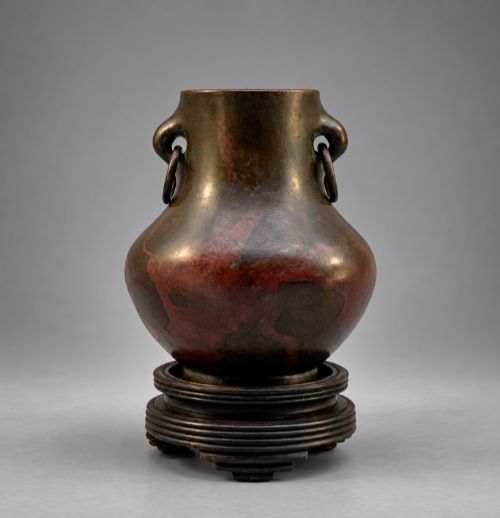
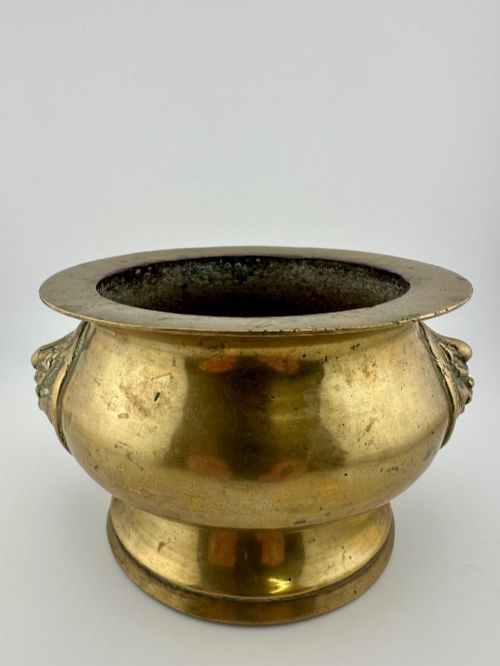
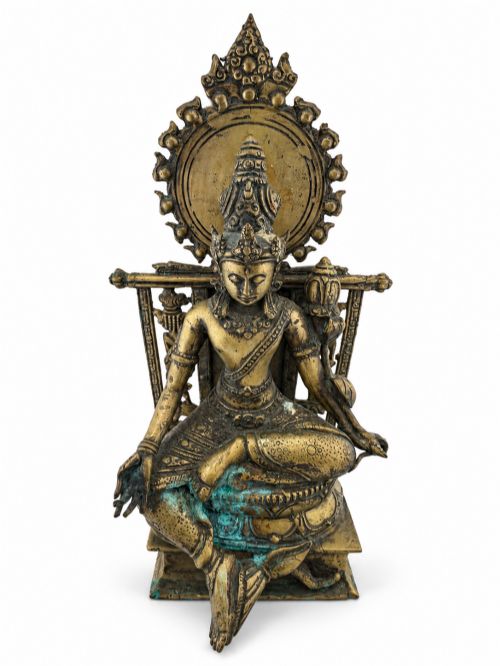
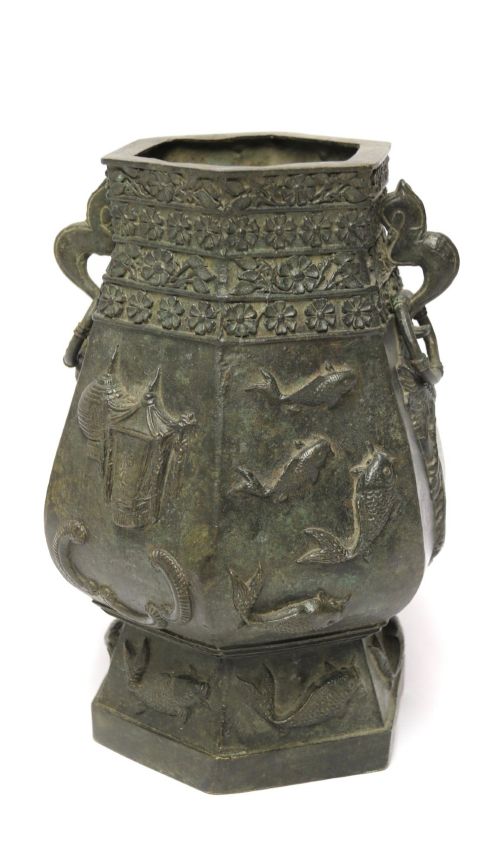
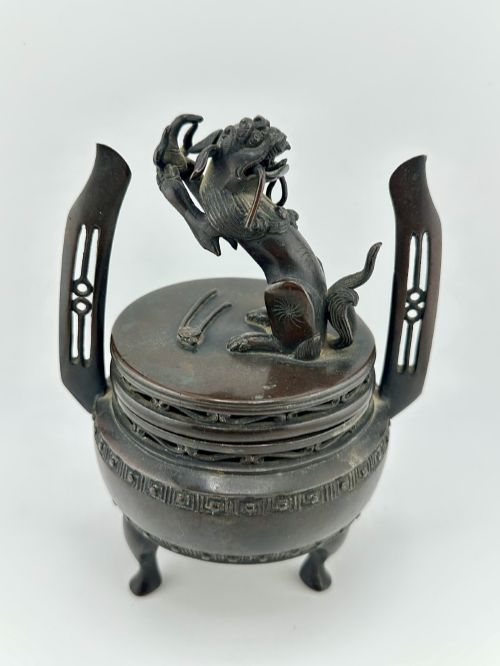
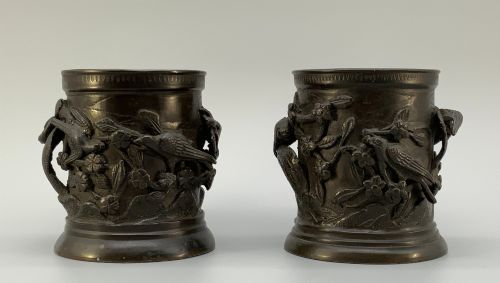
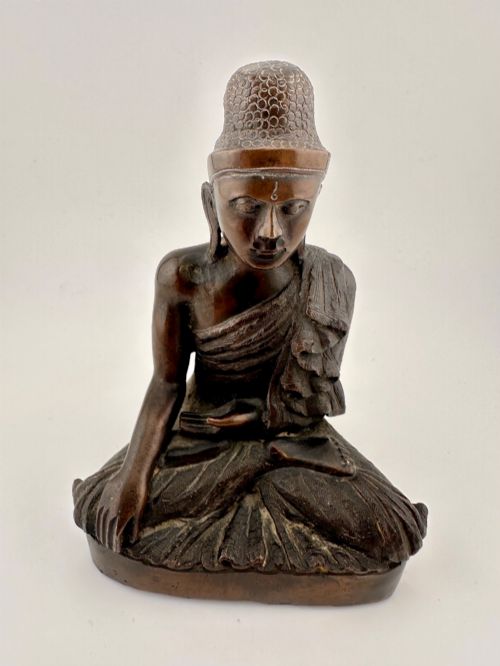
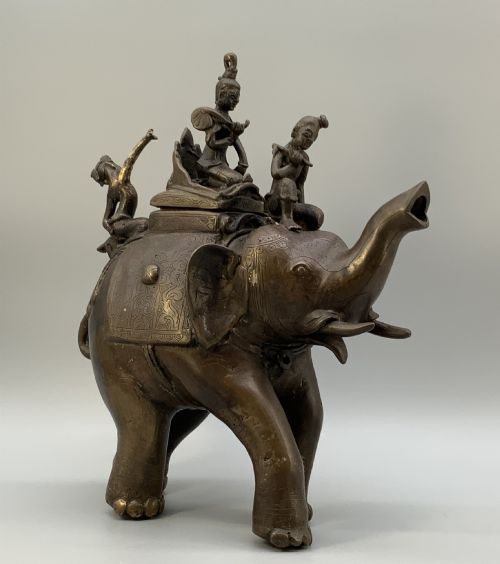
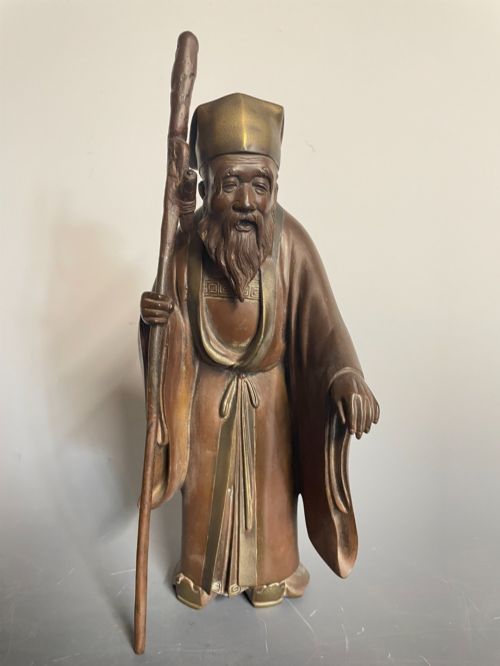
Oriental bronze metalwork encompasses objects fashioned across centuries in China, Japan, India and Burma. The items range from ritual censers and scholar's brush washers to naturalistic animal sculptures and anthropomorphic figures.
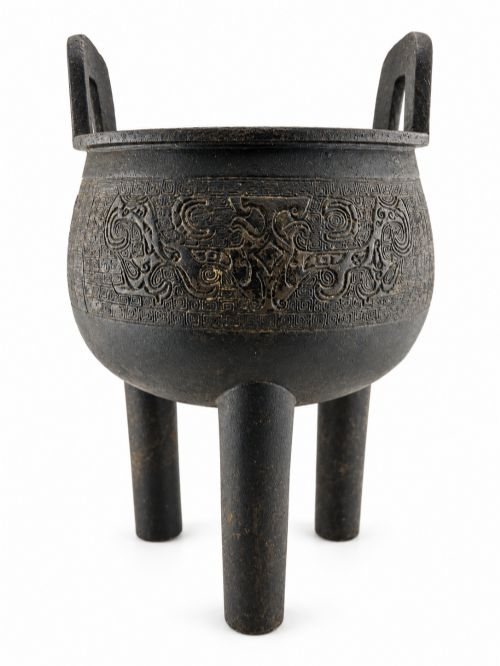
The selections encountered here lean heavily towards the nineteenth century, capturing periods such as the Japanese Meiji era and the late Chinese Qing dynasty. Vases, tripod vessels and cast statues dominate the physical forms available.
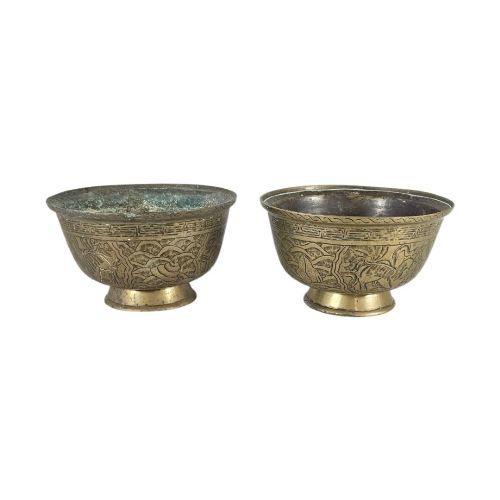
Utilitarian items alongside decorative sculptures populate the category, including pricket candlesticks, table lamps, jardiniere bowls and oil lamps. Many pieces reflect specific regional workshops or imperial styles.
How they were made
Foundry work relies heavily on bronze, brass and copper alloys cast into vessels and figurative shapes. Makers employed lost-wax casting and sectional moulds to achieve complex anatomical details and architectural forms.
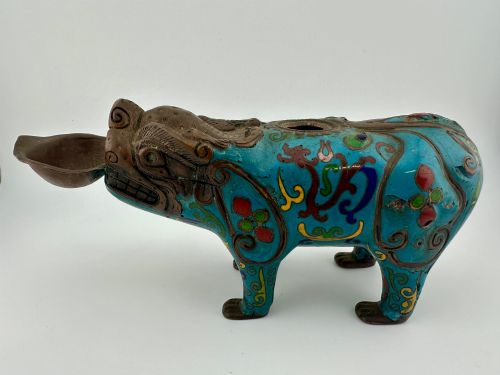
Surface enhancement involved patinated finishes, cloisonne enamel work, gold inlay and gilt bronze applications. Artisans integrated mixed metals, shakudo accents and stone inlays such as turquoise to enrich the metallic surfaces.
Listings feature items from the eighteenth century through to the nineteen-twenties, incorporating Chinese Qing dynasty pieces and Japanese Meiji period works.
What varies in quality
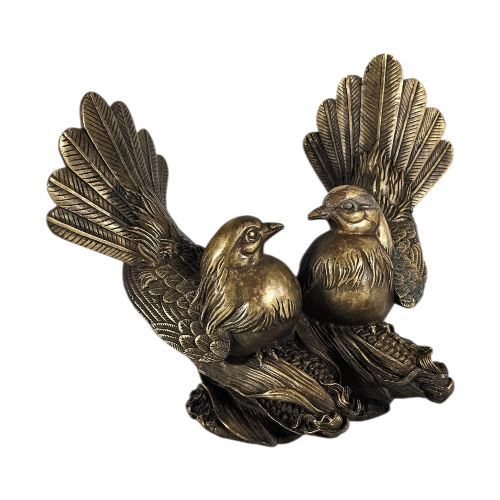
Execution of cast detail divides ordinary work from exceptional output, particularly in the rendering of feathers, scales and facial expressions on animal and human figures. Crisp chasing and clean finishing after the casting stage separate workshop grades.
The precision and complexity of inlay work, whether in gold, silver or enamel cells, dictate the standing of a vessel or okimono. Heavier, solid-cast metal objects generally demonstrate greater ambition in design than hollow, thin-walled pieces.
KANASAWA·Jomi Eisuke·Kunio Itô
The Oriental Bronze Metalwork Glossary
- Patinated bronze
- Metal treated with chemical solutions to produce a controlled surface colour or aged finish. This process highlights relief details and protects the underlying alloy.
- Cloisonne
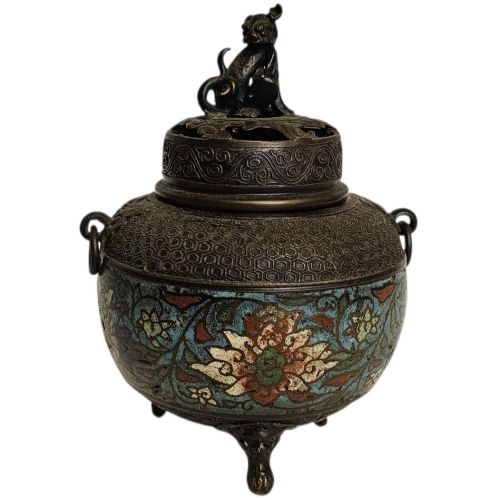
- Enamel work created by soldering flat metal wire to a metal base to form partitions, which are then filled with coloured paste and fired. The resulting surface shows distinct cells of colour.
- Okimono
- A Japanese term for a decorative object designed for display on a tokonoma alcove or shelf. These small-scale sculptures depict animals, figures and historical scenes.
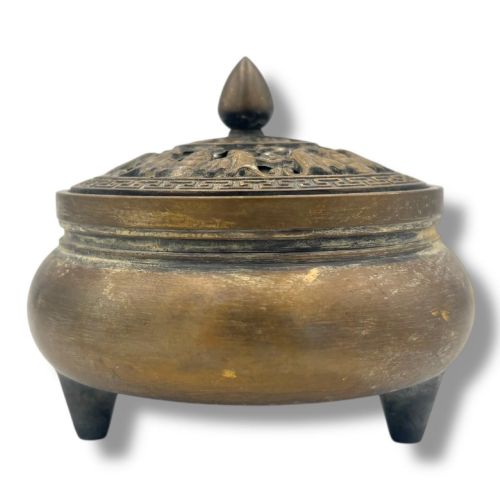
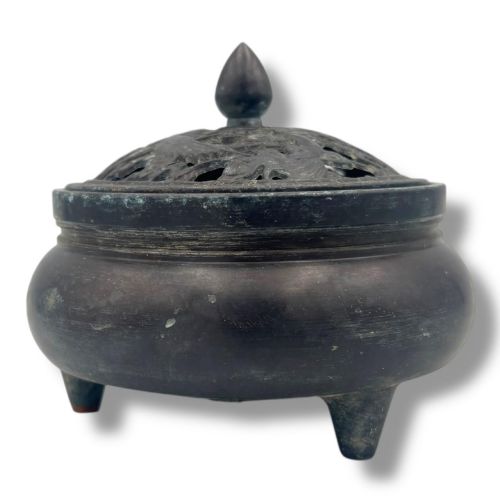
- Tripod censer
- A ritual vessel supported by three legs, typically utilised for burning incense in scholarly settings or temples. Covers often feature mythical beasts or qilin finials.
- Shakudo
- A Japanese billon alloy of copper with a small percentage of gold, treated to achieve a dark purple-black patination. It appears frequently in intricate decorative mounts and small fittings.
Oriental Bronze Metalwork: Frequently Asked Questions
What is an oriental bronze censer?
A censer is a vessel designed to burn incense, frequently cast in bronze with tripod legs and elaborate covers. These items often feature mythical beasts or qilin finials serving as handles.
Historically utilised in temples and scholar's studios, they combine ritual function with decorative metalwork. Many examples carry dynasty marks or studio stamps on the base.
How do I identify Meiji period metalwork?
Meiji period pieces originate from Japan between eighteen sixty-eight and nineteen twelve, a time of immense technical expansion in foundry arts. Look for high levels of naturalism in animal sculptures and intricate mixed-metal decoration.
Signatures from individual artists or specialised workshops frequently appear on the base of these objects. Patinated finishes and shakudo elements are also common indicators of this era.
What is cloisonne enamel?
Cloisonne is a technique where wire partitions are soldered onto a bronze or copper body to create compartments for enamel paste. The piece is fired and polished to achieve a smooth, patterned surface.
This method appears on vases, jars, censers and scholarly accessories. The colours and density of the enamel work often help indicate the period of manufacture.
How should I care for antique bronze?
Antique bronze benefits from gentle dusting with a soft, dry cloth to prevent the accumulation of dirt within chased details. Avoid liquid cleaners and polishes, which can strip away historic patina and surface treatments.
Stable indoor environments away from direct moisture help preserve the integrity of both the metal and any inlaid enamel or gold elements.