


Oriental Bronze Lion
An oriental bronze lion brings fierce presence and ritual purpose into a room, forged across centuries in workshops from China to Tibet.
Oriental Bronze Lion
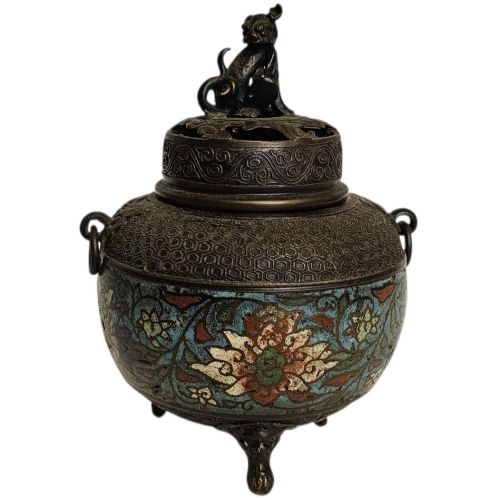
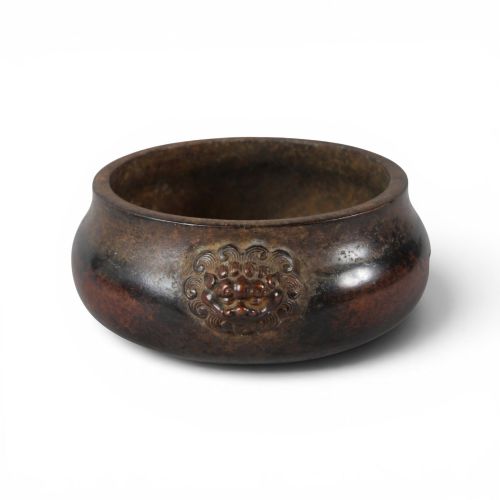
When you search for an oriental bronze lion, you encounter cast metal guardians, censers, and scholar's objects spanning the Ming and Qing dynasties through to the early twentieth century. These figures take the form of temple lions, temple guardians, Shishi, and Fu dogs, often serving as incense burners with removable finials or as heavy door plates.
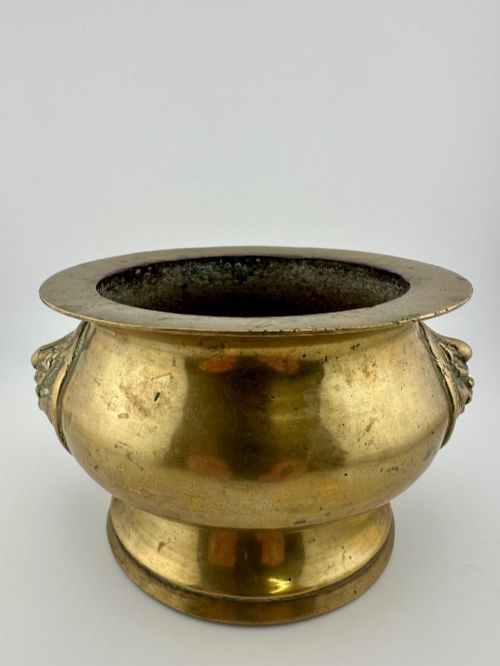
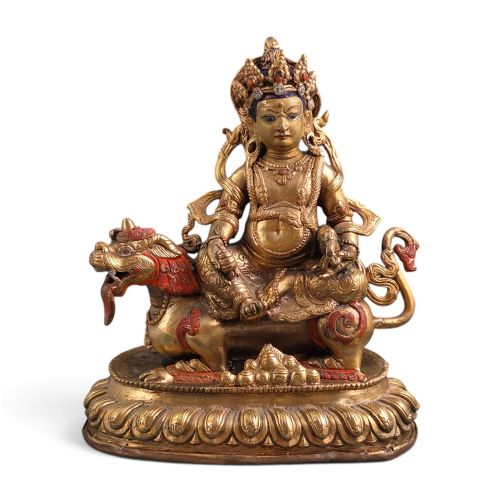
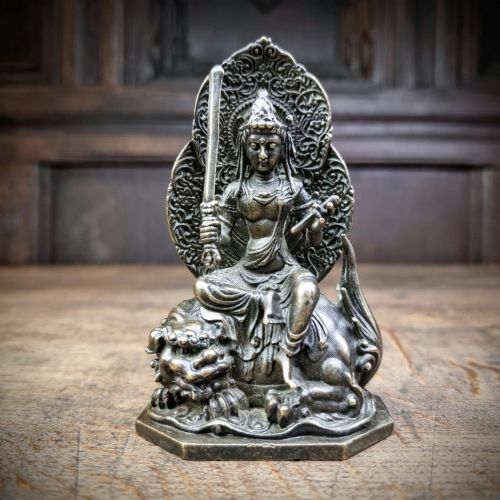
The versions most commonly met on this page include nineteenth-century censers featuring lion-mask handles and twentieth-century temple lion pairs cast in heavy bronze. Other iterations span Sino-Tibetan gilt bronzes depicting figures seated on lions and Meiji period crouching lion figures.
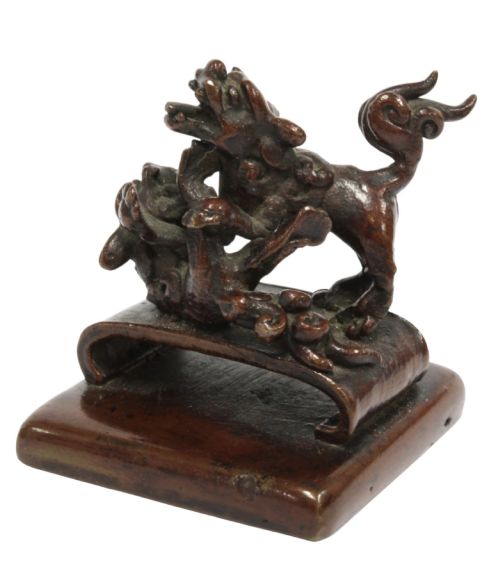
Originating across distinct cultural spheres, these pieces draw upon traditional Chinese, Japanese, and Tibetan Buddhist art styles. They range from small scholar's seals to massive temple figures weighing multiple kilograms.
Judging Quality
Quality rests upon the crispness of the cast and the depth of the chasing, where sharper musculature and clear facial expressions separate masterworks from routine foundry output. Weight is a reliable indicator, as exceptionally heavy casts demonstrate a greater commitment of metal and labour.
The integration of secondary materials, such as precise cloisonne enamel work or retained gilding, elevates an object. Surface patina also dictates quality, with undisturbed, deep oxidation pointing to age and careful preservation.
Some temple lions weigh over thirty kilos, proving that ancient guardians take their job of standing completely still very seriously.
Seiunsai Miyamoto Sei
The Oriental Bronze Lion Glossary
- Shishi
- Guardian lion of Chinese tradition, often depicted with a playful or fierce expression. These mythical beasts symbolize protection and power.
- Censer
- A vessel used for burning incense, frequently fitted with a lion or Fu dog finial or featuring lion-mask handles. They are central to ritual and scholar's desk settings.
- Cloisonne
- An enamelwork technique where metal wire forms compartments on the bronze surface to hold coloured paste. This technique creates vibrant decorative patterns across the body.
- Gilt Bronze
- Bronze coated with a thin layer of gold, often fire-gilded to achieve a lasting golden sheen. This treatment highlights sacred or imperial figures.
- Meiji Period
- The era of Japanese history spanning from eighteen sixty-eight to nineteen twelve, known for highly detailed naturalistic bronze casting. Pieces from this time often bear artist signatures.
- Tripod
- A vessel supported by three legs, commonly seen in ancient and dynastic Chinese bronze censers. This form ensures stability on ritual altars.
Oriental Bronze Lion: Frequently Asked Questions
What is a Fu dog?
A Fu dog is a popular western term for the Shishi, the mythical guardian lion found outside temples and palaces. They combine the majesty of a lion with the loyalty of a dog.
In Asian art, they protect sacred spaces and ward off negative spirits, often depicted as a male holding a brocade ball and a female with a cub.
How do I date a bronze lion?
Dating relies on stylistic markers, casting weight, and the character of the bronze alloy. Ming and Qing pieces show distinct ritual forms and patination.
Examining the underside, tool marks, and wear patterns helps distinguish nineteenth-century works from early twentieth-century examples.
Why do some lions have balls under their paws?
The ball under the paw typically represents a brocade sphere associated with imperial power and cosmic unity. It is a traditional attribute of the male guardian lion.
Companion figures often feature a cub under the paw instead, symbolizing maternal protection and lineage.
Were these lions used in homes?
Many smaller bronze lions and censers were created for scholar's desks and domestic interiors rather than grand temples. Literati scholars used them to burn incense during meditation or writing.
Larger pairs stood at temple thresholds, while medium-sized variants served practical roles as door hardware or decorative altar ornaments.