


Japanese Animal Okimono
Japanese animal okimono are sculptural ornaments depicting creatures, brought into homes to display meticulous craft and natural observation.
Japanese Animal Okimono
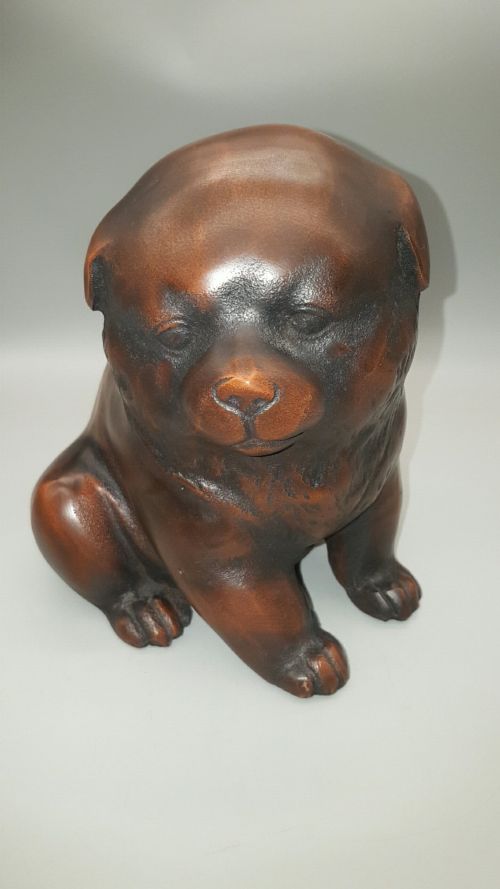
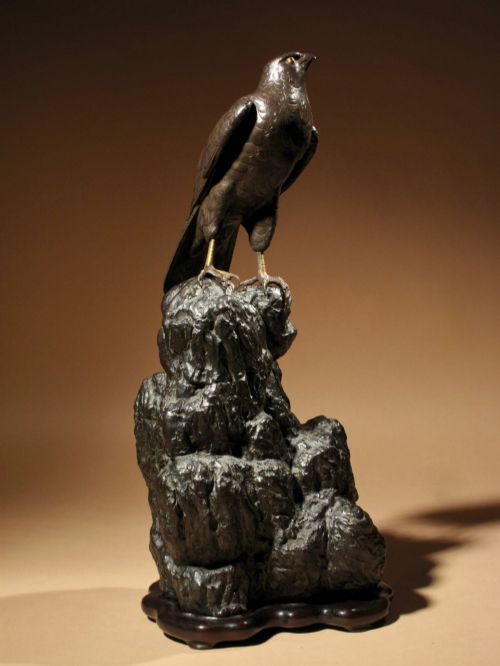
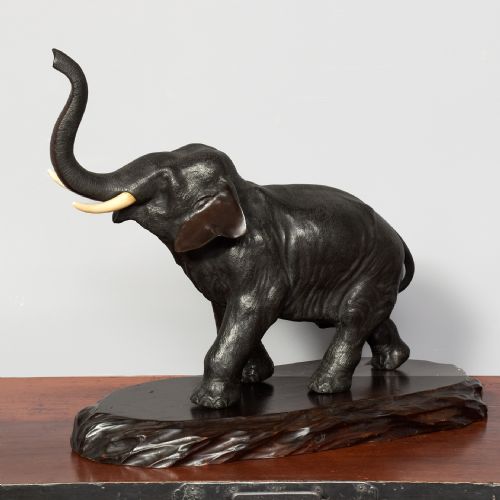
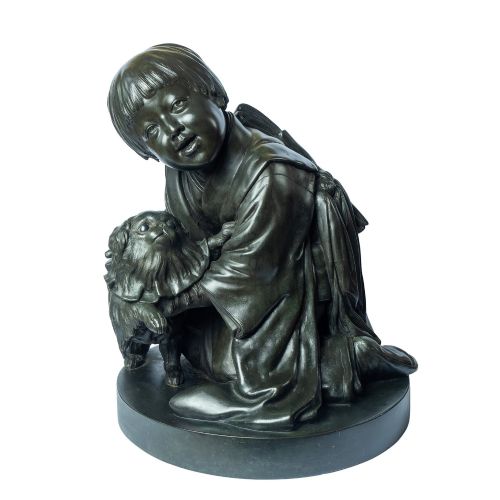
When you search for Japanese animal okimono, you encounter sculptural figures representing creatures ranging from domestic puppies and monkeys to elephants, tigers, and hawks. These pieces date predominantly from the 19th century and the Meiji period, alongside Edo and Showa examples.
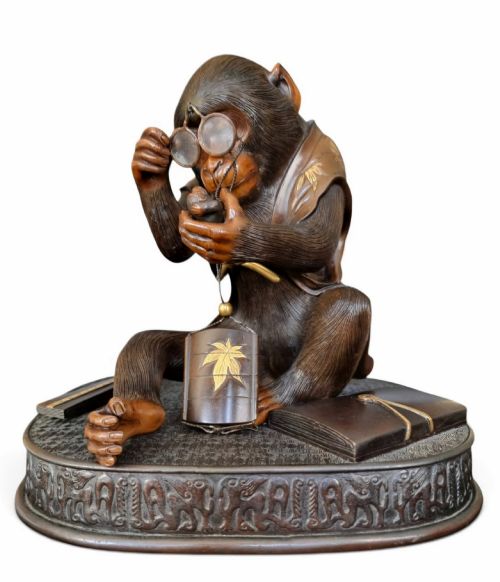
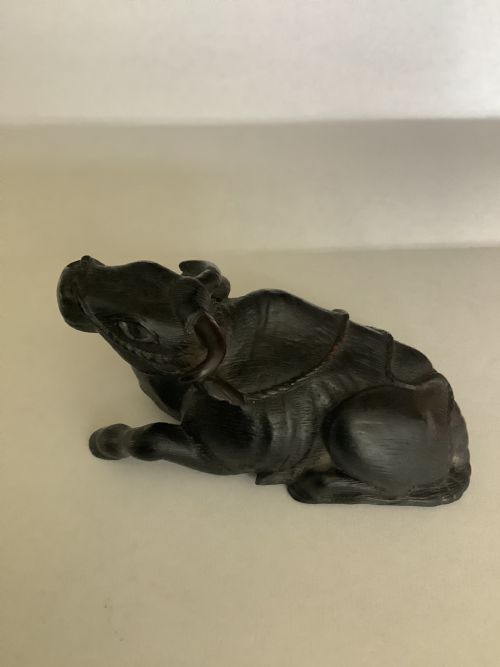
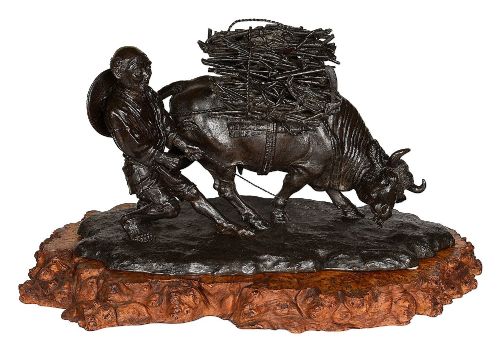
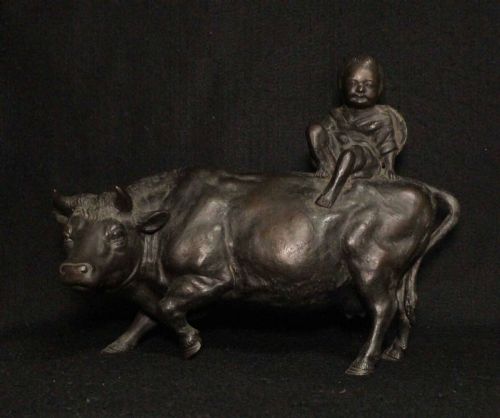
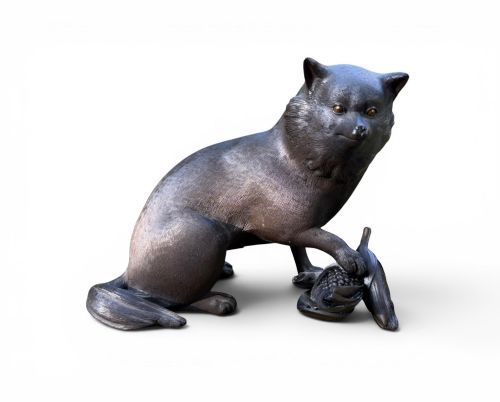
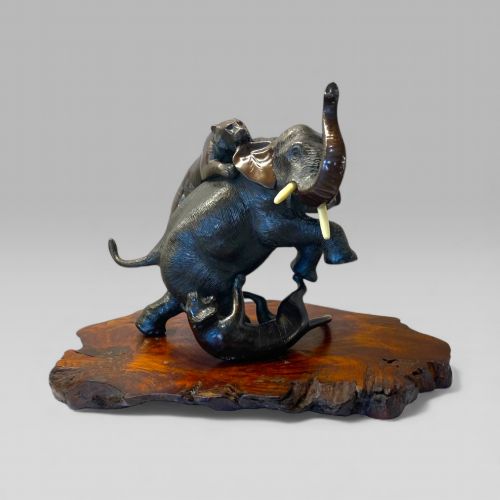
The version you are most likely to meet on this page is a bronze casting depicting a single animal or a dramatic wildlife scene, such as an elephant fighting tigers. Wood carvings of rodents, rabbits, and horses also appear.
Makers shaped these decorative ornaments for display on surfaces within the home. They function purely as sculpture rather than utilitarian objects.
How they were made
Makers utilised bronze as the primary metal, often combining it with gold inlay or mixed metals to highlight anatomical details and surface textures. Artisans also worked in carved wood, ivory, bone, horn, and porcelain.
What varies in quality
The distinction between tiers rests upon the realism of posture and the precision of surface chasing in the metal or carving in the wood. Masterworks display dynamic tension in subjects like struggling animals and subtle textural variations in skin or fur.
Signature placement also separates standard production from pieces bearing the marks of known artists and prominent foundries. The finesse of inlay work and the naturalism of the base further determine the standing of an individual sculpture.
Tsunemitsu·Shosai·Masaaki·Kaniya Kuniharu·Seiunsai Miyamoto Sei
The Japanese Animal Okimono Glossary
- Okimono
- A standalone Japanese decorative ornament designed for display on a shelf or tokonoma alcove. These sculptures range widely in subject matter.
- Meiji Period
- The era in Japanese history lasting from 1868 to 1912, noted for rapid artistic production and international export of metalwork and carvings.
- Edo Period
- The period preceding the Meiji era, running from 1603 to 1867, represented here by earlier porcelain and sculptural pieces.
- Mixed Metals
- A decorative technique combining different metal alloys such as bronze, copper, and brass to create contrasting colours within a single object.
- Showa Period
- The era spanning from 1926 to 1989, encompassing later vintage sculptural interpretations of animals.
Japanese Animal Okimono: Frequently Asked Questions
What is an okimono?
An okimono is a Japanese decorative sculpture designed specifically for display inside a home. These pieces sit on tables or shelves rather than serving a practical function.
They capture subjects from the natural world with high levels of sculptural detail.
How do I identify Meiji period bronze?
Meiji period bronzes typically feature deep patination, naturalistic subject matter, and dense surface detailing. Many pieces incorporate signature panels or stamps from the artist.
Subjects often focus on native and exotic wildlife rendered with anatomical precision.
Were these animals meant for children?
These sculptures were created as decorative art for adult collectors and homeowners rather than as toys. The delicate carving and precious mixed metals suited formal display spaces.
Their presence reflected an appreciation for nature and skilled craftsmanship.
What materials are common?
Bronze forms the largest group of materials found in these sculptures, often enhanced with gold inlay or mixed metals. Wood and ivory appear frequently in carved figural works.
Porcelain examples also occur from specific regional kilns.