


Oriental Bronze Deity Statue
These oriental bronze deity statue pieces bring centuries of sacred craft into modern rooms, offering heavy bronze forms and enduring religious iconography.
Oriental Bronze Deity Statue
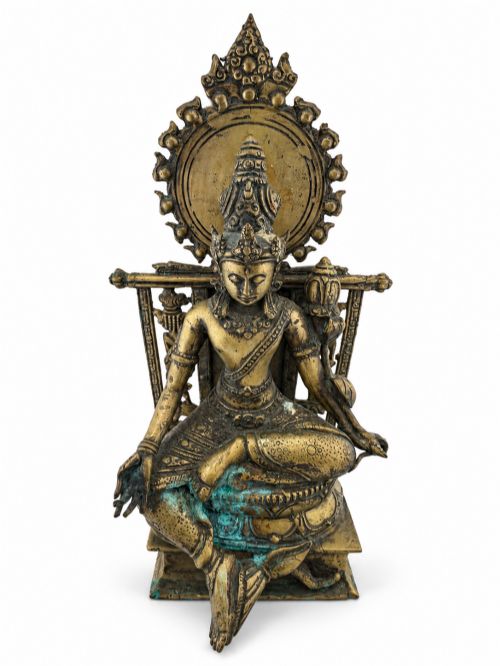
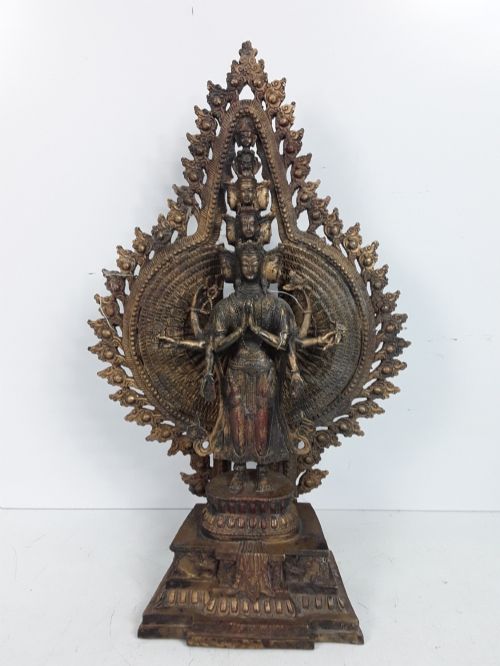
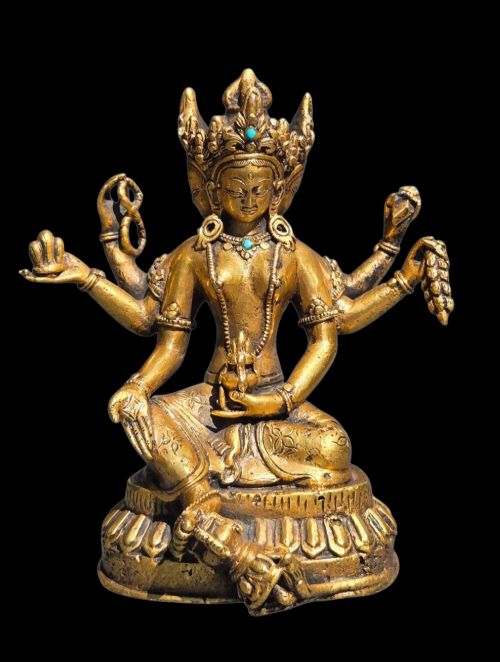
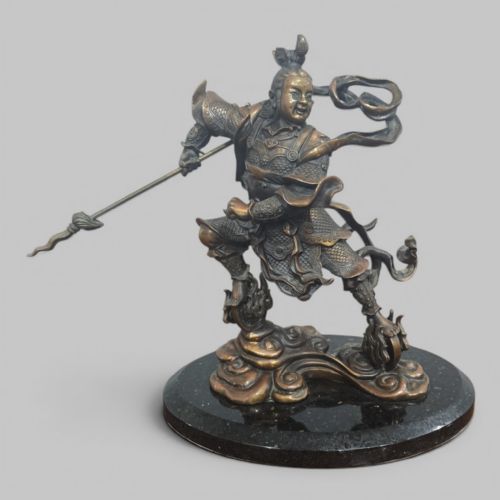
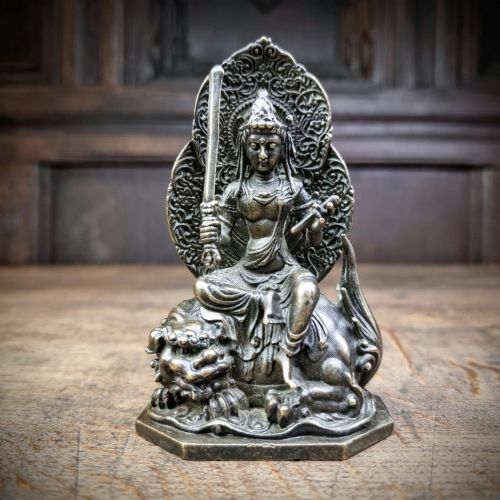
An oriental bronze deity statue represents figures from Buddhist, Hindu, and Asian traditions, spanning forms from seated Buddhas to multi-armed protective deities. Buyers browsing this selection encounter pieces originating from Tibetan, Indian, Chinese, Burmese, Thai, and Japanese workshops.
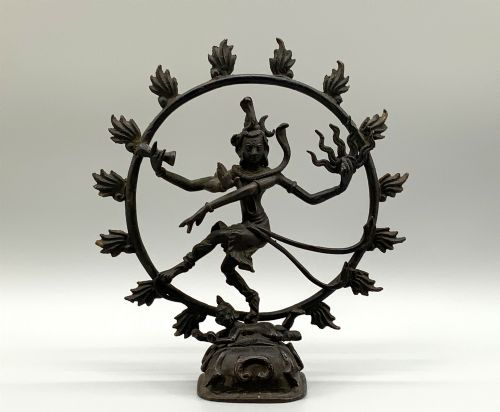
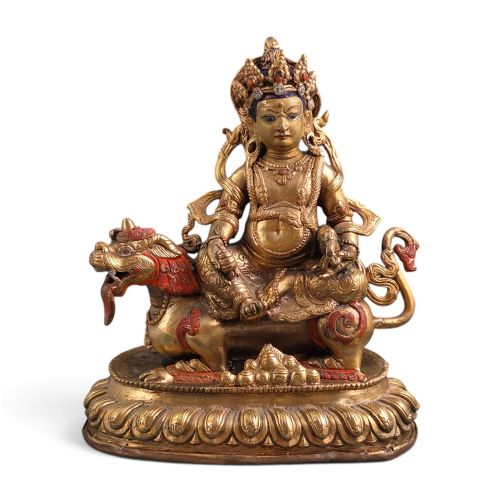
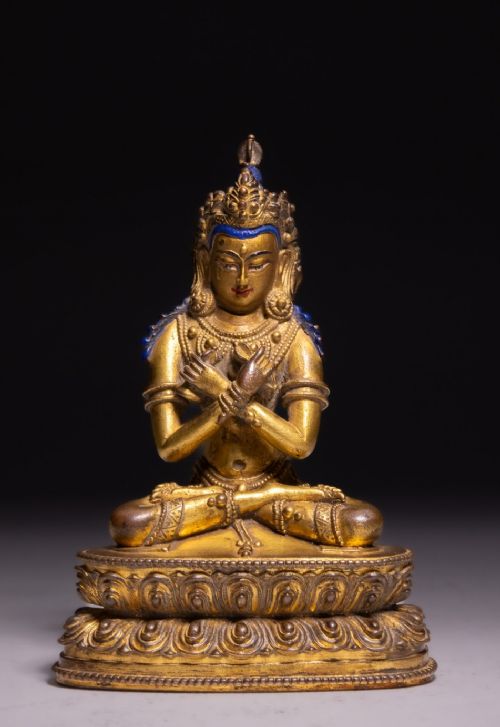
The most common examples on this page date from the nineteenth and early twentieth centuries, including Sino-Tibetan gilt bronzes and regional manifestations of figures like Tara, Avalokiteshvara, and Shiva Nataraja.
Makers shaped these sculptures for shrines, domestic altars, and temples, utilising regional casting traditions that developed over hundreds of years.
Materials and technique
Casting these figures relied on copper alloy and bronze, shaped through traditional methods that captured intricate details of drapery, expression, and iconography. Metalworkers often applied mercury gilding to produce rich gilt bronze surfaces that caught the light of temple lamps.
Listings span periods from the twelfth century through to the early twentieth century, encompassing Tibetan, Indian, Chinese, Burmese, Thai, and Japanese regional styles.
Assessing quality
Quality rests in the crispness of the chisel work, the weight of the cast metal, and the depth of the gilding or surface finish. Superior pieces exhibit balanced proportions, delicate facial expressions, and finely chased details that reveal the hand of a skilled sculptor.
Lesser examples display softer casting lines and simplified ornaments where repeated production superseded individual artistry. The presence and preservation of original mineral inlays and applied pigments elevate a piece.
The Oriental Bronze Deity Statue Glossary
- Gilt bronze
- Metal coated with a thin layer of gold, often applied using a mercury amalgamation technique in historical workshops. This finish provides a warm, luminous surface that endures across centuries.
- Copper alloy
- A broad category of metals containing copper, including bronze and brass, used extensively for historical statuary. It offers durability and accepts fine detail during the casting process.
- Sino-Tibetan
- A stylistic classification describing art that combines Chinese manufacturing techniques with Tibetan Buddhist iconography. These objects frequently display refined metalwork and distinct regional deities.
- Iconography
- The visual symbols and attributes associated with specific figures, such as hand gestures, postures, and sacred objects held by the deity. Recognising these details identifies the subject of the sculpture.
- Patination
- The surface coloration and texture developed naturally through age or intentionally through chemical treatments. It protects the underlying metal and contributes to the visual depth of the object.
Oriental Bronze Deity Statue: Frequently Asked Questions
How do I identify the deity?
Look closely at hand gestures, postures, and objects held in the hands, as these symbols reveal the identity of the figure. Attributes like multiple arms or specific head adornments point directly to deities such as Avalokiteshvara, Tara, or Shiva.
Comparing the style of the base and crown also helps determine the cultural origin and mythological context of the sculpture.
Where were these statues placed originally?
Historically, these figures stood within domestic shrines, monastic temples, and private meditation spaces across Asia. They served as focal points for devotion, offerings, and contemplative prayer.
Today, collectors place them on mantelpieces, desks, or dedicated display tables where their sculptural form can be appreciated.
How should I clean a bronze deity statue?
Dust the surface gently with a soft, dry brush to prevent the accumulation of grit within recessed details. Avoid using commercial metal polishes, water, or abrasive cloths, as these treatments strip away historical patina and delicate gilding.
Preserving the original surface skin maintains both the visual integrity and the historical value of the piece.