
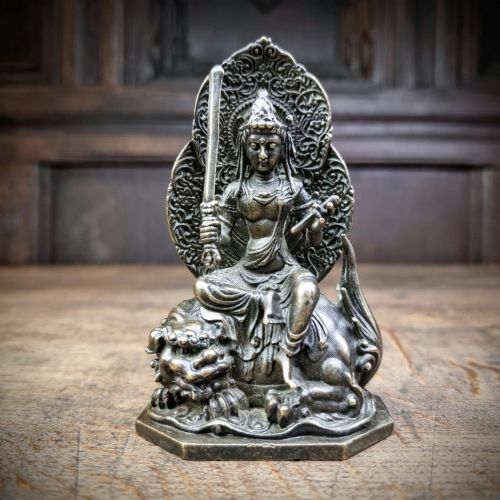


Dark Bronze Deity Figure
A dark bronze deity figure brings centuries of ritual and sacred art into the room, cast in heavy metal and patinated by time.
Dark Bronze Deity Figure
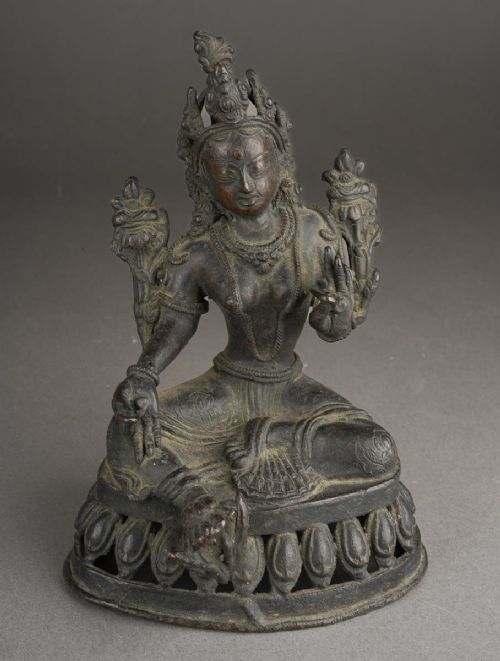
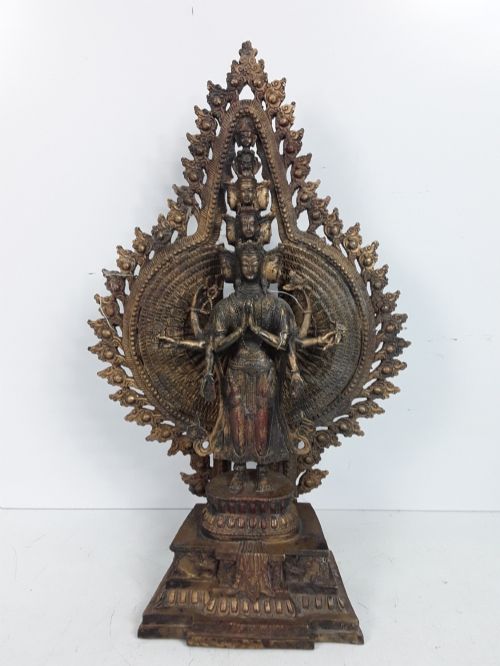
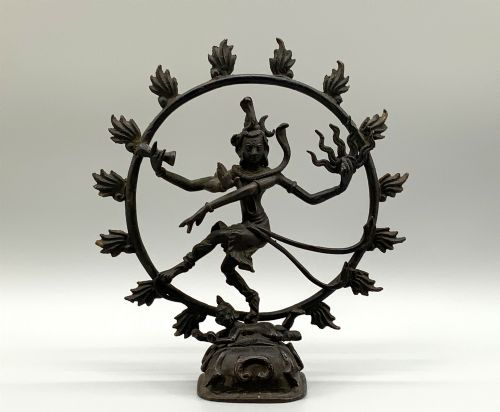
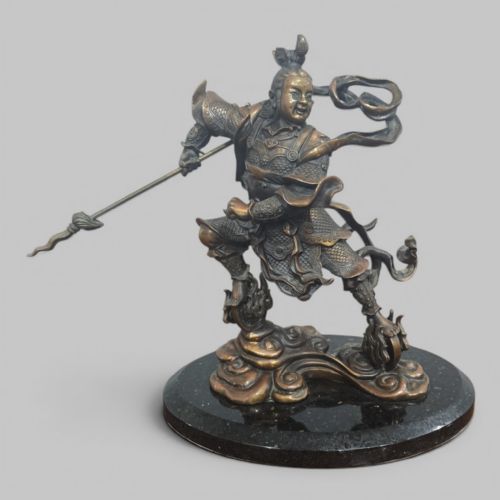
A dark bronze deity figure represents sacred figures from Hindu, Buddhist and classical traditions, taking the form of standing statues, seated Buddhas and dancing forms. These sculptures range from small portable shrine pieces to substantial temple bronzes created across Asia and Europe.
The selections available here span multiple centuries, with pieces originating from Tibetan, Indian, Burmese, Javanese, Chinese, Japanese and European workshops. Collectors frequently encounter forms such as Shiva Nataraja, Avalokiteshvara, Tara and classical deities like Mars or Athena.
Most examples rely on traditional lost-wax casting methods, yielding solid or heavy bronze figures that carry deep patination, remnants of gilding, or traces of original pigment. Their forms reflect the specific iconography and stylistic conventions of their originating culture and period.
Materials and casting methods
These figures are predominantly cast from bronze or copper alloy using the traditional lost-wax technique, allowing artisans to capture intricate details of drapery, jewellery and facial expression. Metal composition varies, with certain Javanese and Himalayan pieces incorporating silver or copper alloys within the cast.
Surfaces are finished through patination, often developing a dark, rich tone over centuries of handling and exposure. Some examples receive additional ornamentation such as gold inlay, gilt bronze highlights, or remaining traces of vermilion and mineral pigments.
Several figures retain faint traces of vermilion pigment, reminding us that ancient deities preferred a splash of colour.
Distinguishing finer examples
The depth and stability of the dark patina also contribute to a piece's standing, alongside the presence of original gilding, inlay, or pigment traces. Pieces that maintain their structural integrity and original surface without aggressive cleaning command greater appreciation.
Unno Shomin
The Dark Bronze Deity Figure Glossary
- Lost-wax casting
- A metalworking method in which a molten metal is poured into a mould that has been created by means of a wax model. Once the mould is heated, the wax melts away, leaving a cavity for the bronze.
- Patination
- The process by which chemical changes, age and handling produce a coloured skin or tarnish on the surface of bronze. Dark patination on these figures develops naturally over long periods.
- Iconography
- The traditional or conventional images or symbols associated with a subject and packed into a religious art piece. In deity figures, these include specific hand gestures, postures and holding attributes.
- Gilt bronze
- Metalwork that has been coated with a thin layer of gold or gold leaf. Surviving traces enhance the visual depth of dark bronze surfaces.
- Okimono
- A Japanese term for a small decorative statue or ornament. These figures are typically displayed in a domestic interior rather than used in formal religious ritual.
Dark Bronze Deity Figure: Frequently Asked Questions
How do I display a dark bronze deity figure?
Place the sculpture on a stable surface away from direct heat sources and moisture to protect its dark metal skin. Ensure adequate lighting from the side to reveal the fine details of the casting.
Avoid using chemical polishes, as these can strip away the historical patination accumulated over centuries. A gentle dusting with a soft, dry brush is all that is required for routine maintenance.
What is the difference between a temple bronze and a shrine figure?
Temple bronzes are typically larger and heavier, cast for communal worship and public ritual spaces. They often display bolder modelling designed to be viewed from a distance.
Shrine figures are generally smaller and more intimate in scale, intended for personal meditation or domestic altars. Their details are often finer to reward close, private contemplation.
Were these figures always used for worship?
Many Asian figures served central roles in daily religious devotion, meditation, and temple rituals. Their postures and hand gestures held specific spiritual meanings for those who used them.
Conversely, some European bronze figures, such as Grand Tour souvenirs or Japanese okimono, were created purely for aesthetic display and collecting. The context of creation dictates whether an object was sacred or decorative.