
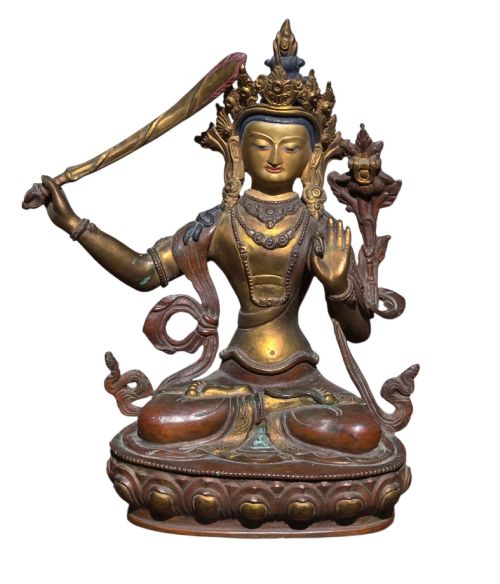
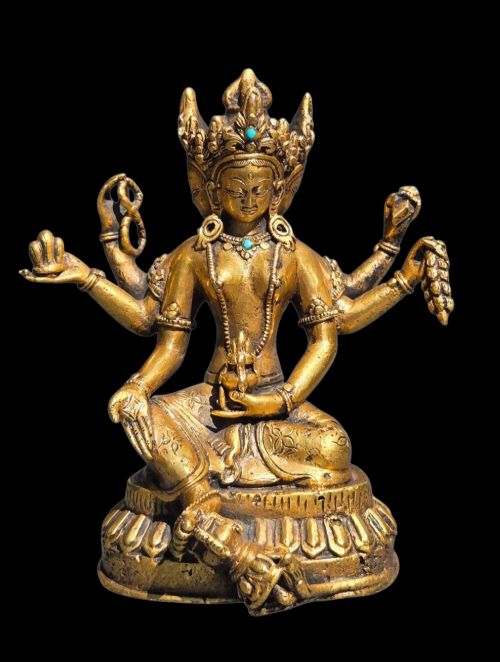
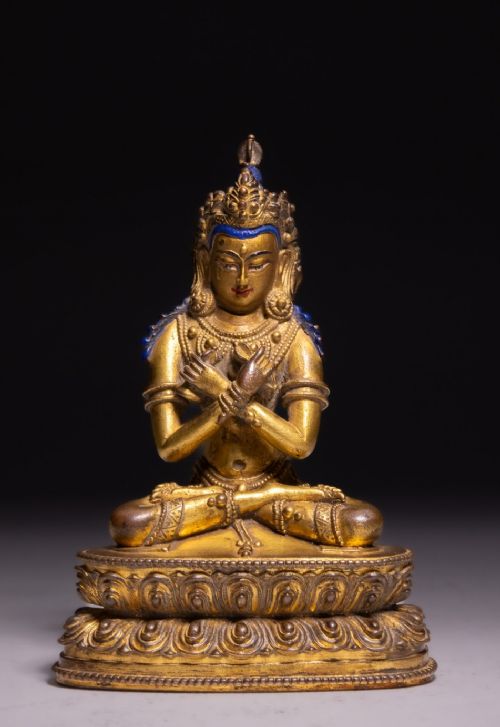


Tibetan Bronze Deity Sculpture
These tibetan bronze deity sculpture pieces bring Himalayan ritual devotion into your home through cast metal and pigment.
Tibetan Bronze Deity Sculpture
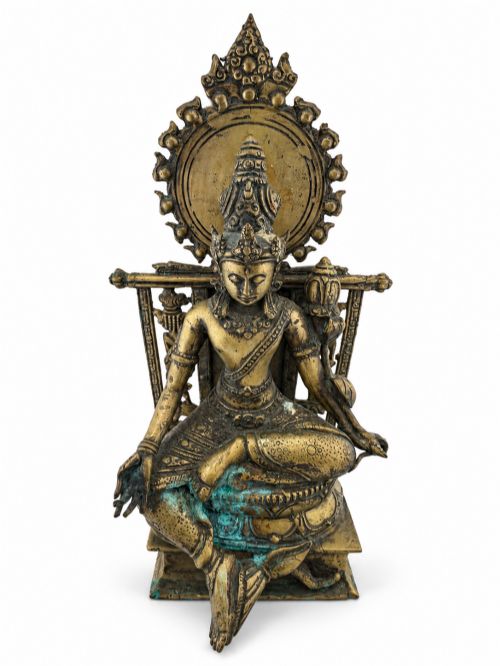
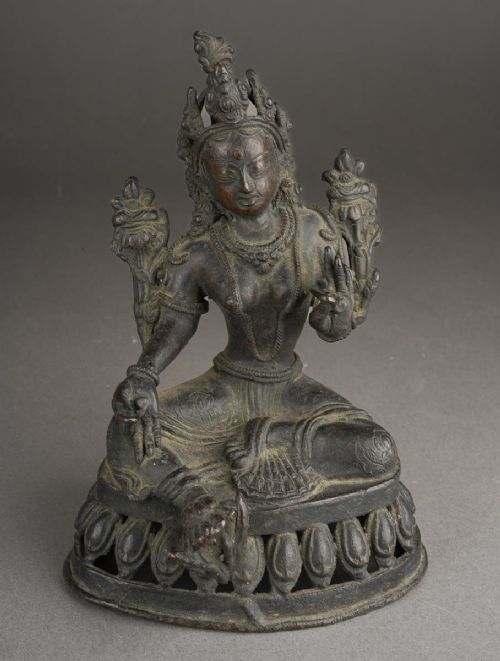
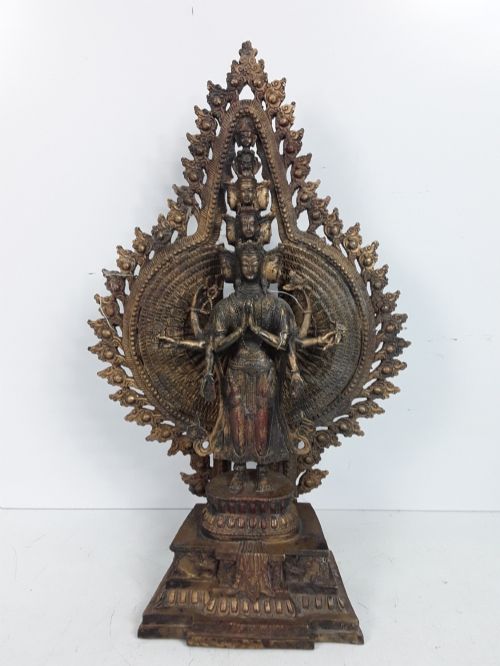
When you search for a tibetan bronze deity sculpture, you enter a world of Buddhist and Hindu figures cast across several centuries. These statues range from smaller shrine pieces to large devotional figures depicting deities such as Tara, Avalokiteshvara, and Manjushri.
The pieces you encounter most often on this page originate from the nineteenth and early twentieth centuries, alongside earlier examples from the seventeenth and eighteenth centuries. They manifest in styles spanning Tibetan, Sino-Tibetan, and Himalayan traditions.
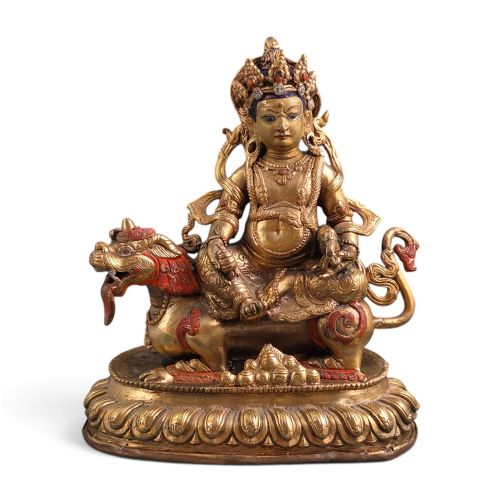
Forms include seated Buddhas, multi-armed deities, and figures mounted on lions or mythical beasts. Each statue serves as a focal point for meditation, prayer, or altar devotion within its original cultural context.
How they were made
Many examples incorporate cold-painted details alongside turquoise and coral mineral inlays set directly into the metalwork. This combination of cast bronze, applied pigment, and stone setting defines the physical presence of the objects.
Several deities sit quite comfortably atop roaring lions, proving that sacred tranquility sometimes requires an unconventional travel companion.
What varies in quality
Preservation of the original gilt surface and mineral pigments elevates a piece considerably. Careful attention to the proportions of the deity and the secure placement of inlay stones separate standard workshop output from masterwork sculpture.
The Tibetan Bronze Deity Sculpture Glossary
- Bodhisattva
- An enlightened being who delays Nirvana to assist others on the spiritual path. These figures are often depicted in rich garments with ornate jewellery.
- Gilt Bronze
- Metal coated with a thin layer of gold, frequently applied using a mercury amalgam technique in earlier periods. This finish provides a warm metallic lustre that endures across centuries.
- Turquoise
- A blue-green mineral used extensively for inlay work on Himalayan and Tibetan bronzes. It adorns crowns, jewellery, and ritual implements.
- Sino-Tibetan
- A stylistic classification describing art produced under the cultural influence of both Chinese imperial workshops and Tibetan religious traditions. These pieces often exhibit refined casting and detailed lotus bases.
Tibetan Bronze Deity Sculpture: Frequently Asked Questions
What is a tibetan bronze deity sculpture used for?
These figures served as sacred objects on household and monastery altars to aid in meditation and devotion.
Devotees directed prayers and offerings toward the specific deity represented by the sculpture.
How do I tell periods apart?
Dating relies on casting styles, facial proportions, and the wear patterns on the bronze and gilding.
Earlier pieces often show softer patination and more restrained ornamentation compared to later nineteenth-century work.
How should I clean the bronze?
Dusting gently with a soft dry brush is generally sufficient for maintaining the surface.
Avoid liquid cleaners and polishes, which can strip away remaining pigment and historic gilding.
What do the different hand gestures mean?
Hand positions, known as mudras, convey specific teachings, protection, or charitable intent.
Each gesture helps identify the particular deity and the spiritual state being invoked.