


Oriental Bronze Animal
An oriental bronze animal is a metal casting from Asia, most often depicting creatures from nature or folklore to bring character and artistry into a room.
Oriental Bronze Animal
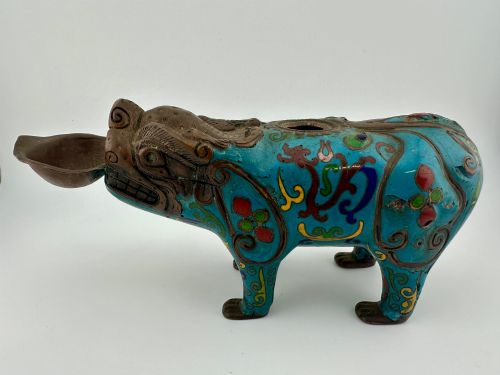
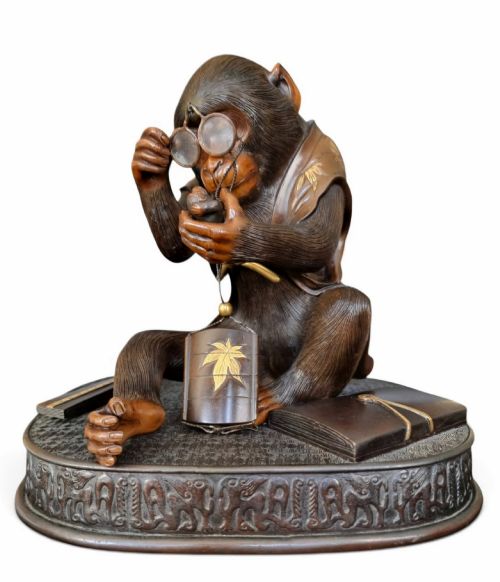
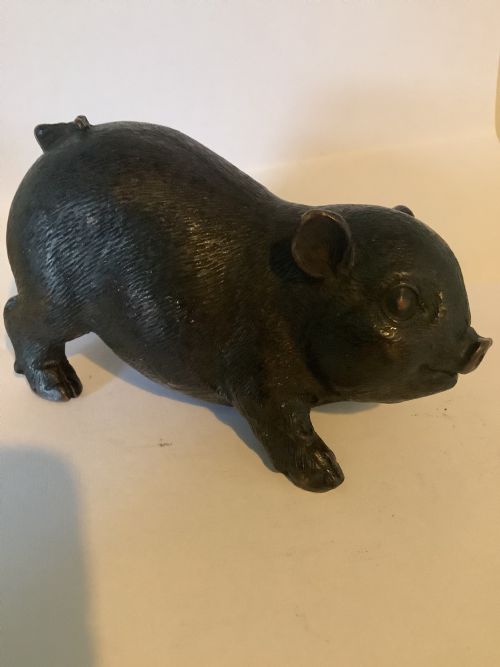
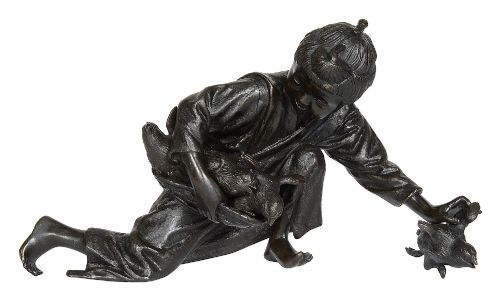
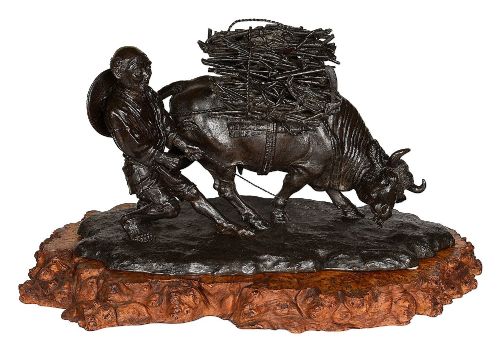
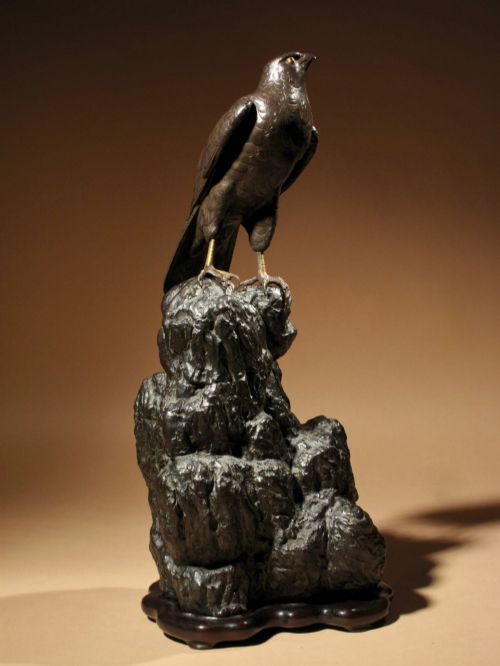
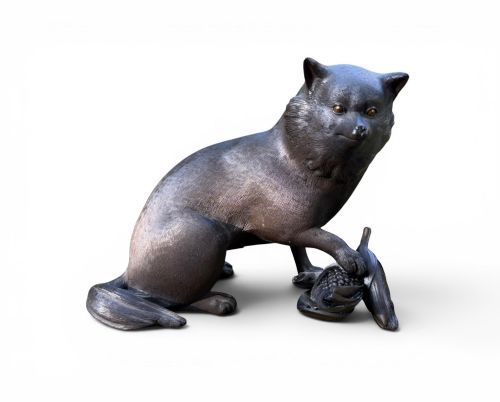
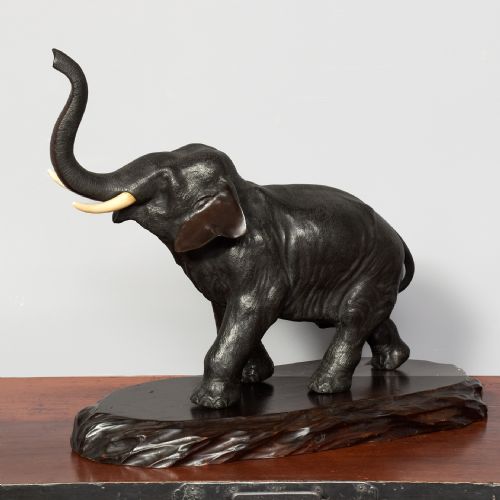
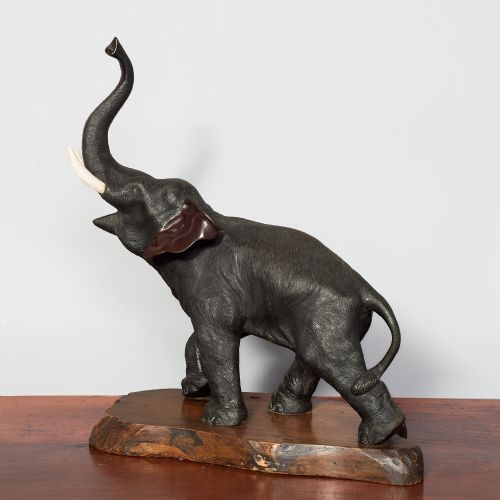
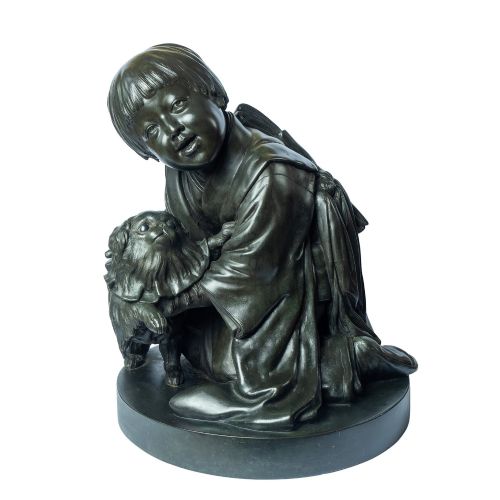
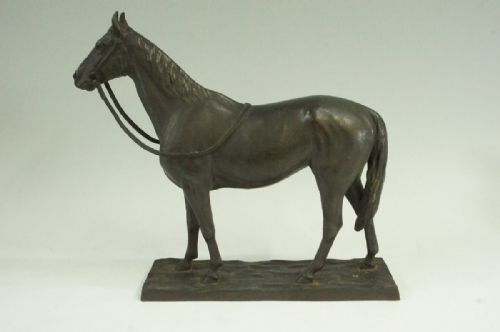
An oriental bronze animal represents a metal figure or vessel shaped as a beast, bird, or human-like creature originating from Asian workshops. When searching for an oriental bronze animal, a buyer encounters pieces predominantly cast during the nineteenth century and the Meiji period, alongside Qing Dynasty examples.
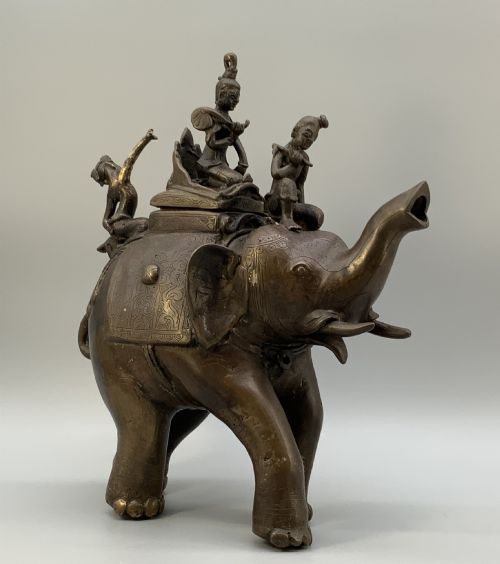
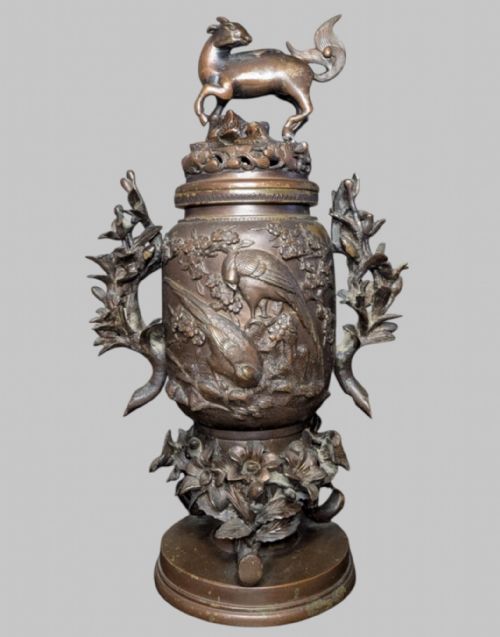
Beyond standalone figures, certain works function as incense burners with animal finials or incorporate bronze animal decoration upon hardwood tabletops. Indian, Chinese, and Burmese traditions also contribute engraved or cast forms to the available range.
Materials and casting techniques
The primary material is cast bronze, frequently enhanced with mixed metals, gold inlay, or cloisonne enamel. Workshops utilised lost-wax casting methods to achieve intricate detail in fur, feathers, and muscular forms.
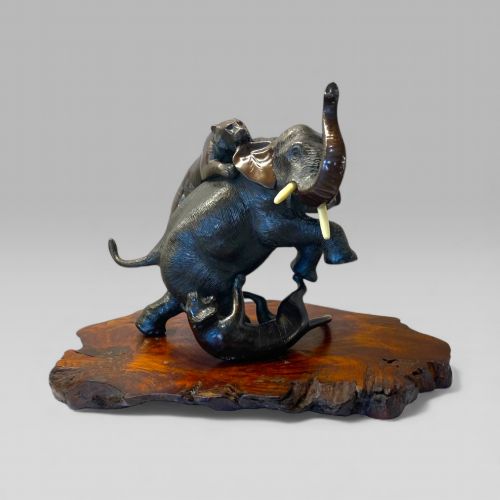
Artists incorporated contrasting elements such as ivory tusks, bone details, and diamond eyes into the metal structures. Wood and hardwood bases often accompanied these sculptures, providing stable mounts for dynamic compositions.
A crafty rat clutches a chestnut while pondering its next heist in the bronze archive.
Distinctions in craftsmanship
Quality rests in the precision of the casting and the expressiveness of the animal anatomy. Sculptures showing lifelike tension, such as struggling limbs or textured fur, display superior foundry skill compared to static models.
Signed works from notable artists or specific Tokyo foundries carry distinct artistic authority. The integration of mixed-metal patination and inlaid details further elevates the standing of a casting.
Masaaki·Kunio Itô·Tsunemitsu·Kaniya Kuniharu·Sakai Kōzan·Seiunsai Miyamoto Sei
The Oriental Bronze Animal Glossary
- Okimono
- A Japanese ornamental statue or object for display, typically placed in a traditional alcove or on a cabinet. These carvings and castings portray animals, people, and mythical subjects.
- Censer
- A vessel used for burning incense, often topped with a sculpted animal finial. Chinese cloisonne examples frequently incorporate these ritual forms.
- Meiji Period
- The era in Japanese history spanning from 1868 to 1912, marked by immense skill in metalwork and bronze casting. Works from this time often exhibit naturalistic observation.
- Cloisonne Enamel
- A technique where enamel paste is applied within compartments created by soldered metal wires on a bronze body. Firing produces vibrant decorative surfaces.
- Temple Lion
- A stylized guardian beast placed traditionally at thresholds, rendered here in large bronze pairs. These mythical creatures symbolize protection.
Oriental Bronze Animal: Frequently Asked Questions
How were incense burners used?
Incense burners, or koro, served to aromatize living spaces during quiet contemplation or social gatherings. They often feature removable lids topped by sculptural animal finials.
The body of the vessel contained burning incense materials, diffusing smoke through decorative apertures.
Where should I place these bronzes?
These figures suit tabletops, mantelpieces, and dedicated display cabinets where their patination and detail can be appreciated up close. Larger pairs, such as temple lions, require floor space and a strong foundation.
Positioning them away from direct moisture protects the metal surface and any inlaid organic elements.
How do I identify a Meiji period piece?
Meiji period bronzes are characterised by heightened naturalism, dynamic poses, and skilled patination. Many feature artist signatures or foundry marks on the underside or reverse.
Subjects often capture animals in motion or in dramatic confrontation, reflecting the era's artistic ambitions.