
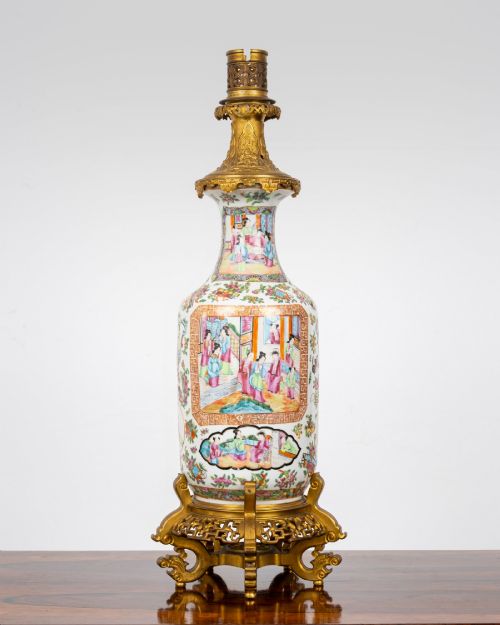


Oriental Brass Vase
An oriental brass vase brings weight and intricate surface detail to a room, drawing the eye with traditional forms and enduring metalwork.
Oriental Brass Vase
When you search for an oriental brass vase, you encounter pieces that bridge decorative metalwork and traditional vessel forms, often adapted for domestic display.
The selections on this page lean heavily towards nineteenth-century production, alongside early twentieth-century examples spanning the Edwardian period and the decades leading up to nineteen thirty.
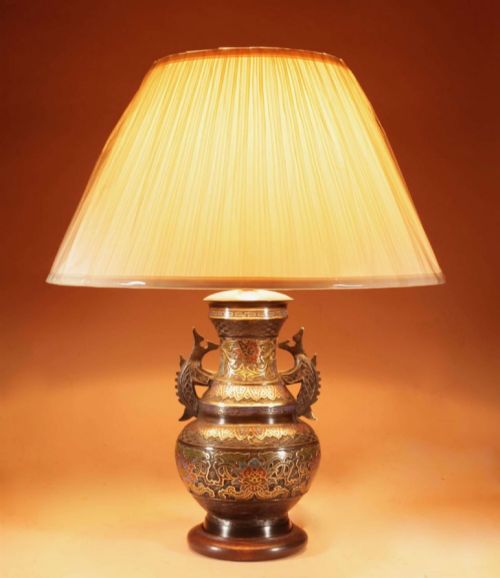
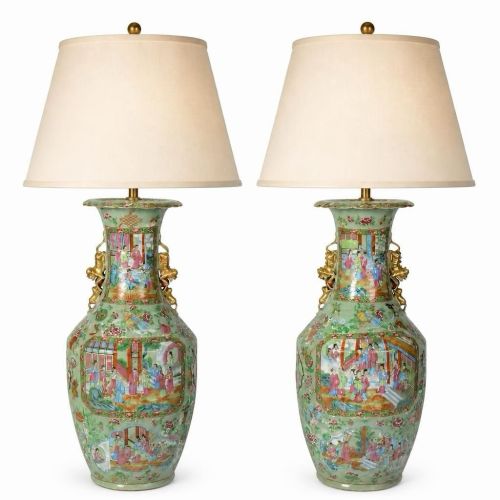
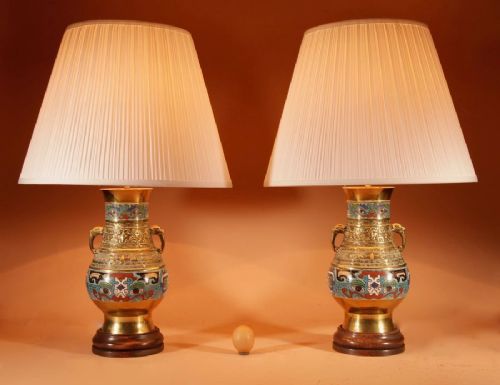
Originating predominantly from Chinese and Japanese workshops, these vessels range from modest tabletop pieces to monumental baluster forms, with many repurposed into lamps over time.
Materials and fabrication methods
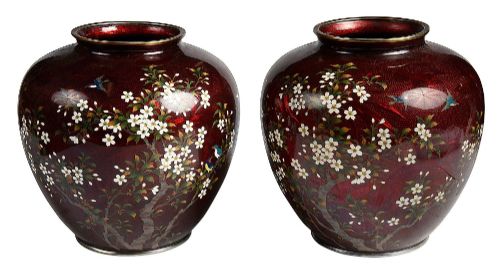
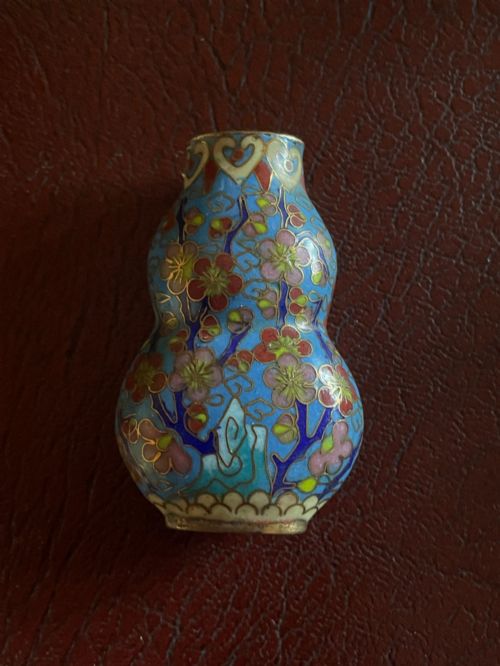
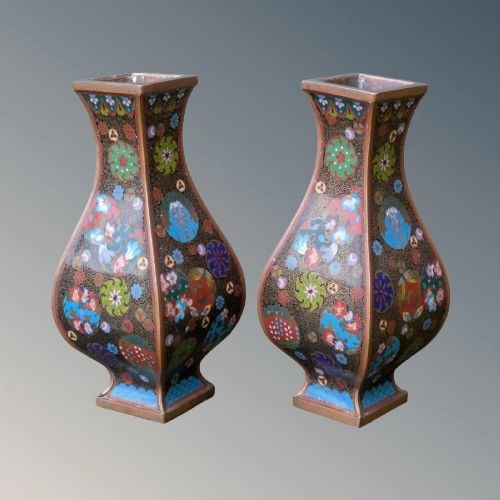
Makers utilised copper alloys and brass as the foundational structure, frequently applying champlevé and cloisonné enamel work to create coloured surface patterns.
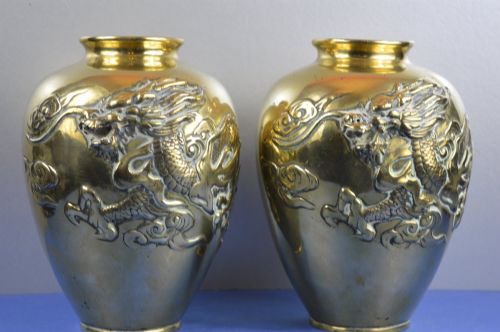
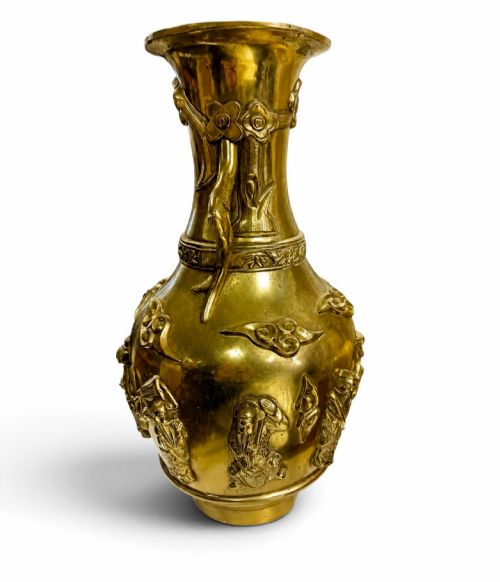
Techniques involve casting or hammering the metal before workers solder fine wire partitions for enamel or engrave detailed motifs such as dragons and floral scenes into the brass body.
Several heavy dragon vases weigh over five kilograms, offering substantial presence on any table.
Assessing quality in metal vessels
Quality rests in the crispness of the chased or engraved detail and the density of the metal, where heavier vessels signal more substantial casting and material thickness.
The precision of the enamel work separates standard production from finer examples, judged by the neatness of the wire cells and the uniformity of the fired colours.
The Oriental Brass Vase Glossary
- Cloisonné
- An enamel technique where metal wire forms raised partitions on the body to hold coloured paste before firing. This method creates distinct cellular patterns across the metal surface.
- Champlevé
- A technique where troughs are gouged into the metal surface and filled with enamel before firing. The surrounding brass remains visible as raised outlines.
- Baluster
- A tall vessel form with a rounded lower body and a narrower neck. This silhouette provides stability and balance for heavy metalwork.
- Famille Verte
- A ceramic palette dominated by green enamels, often referenced in listings where porcelain and metal pieces share similar decorative styles.
Oriental Brass Vase: Frequently Asked Questions
How are these vases cleaned?
Dusting with a dry, soft cloth preserves the original patina and protects delicate enamel work from moisture damage.
Harsh metal polishes strip away aged surfaces and should be avoided entirely to maintain the character of the brass.
Were these originally made as lamps?
Many vessels served as traditional decorative items or flower urns before receiving electrical fittings during later decades.
Conversion often involved drilling the base or mounting the piece to secure wiring and lamp hardware.
How do I date a brass vase?
Dating relies on surface patination, manufacturing methods, and stylistic cues such as Meiji period motifs or late Qing dynasty vessel forms.
Comparing the weight, base markings, and construction style against documented pieces helps narrow the production era.
Can these vases hold water?
Pieces that have been converted into lamps frequently contain internal wiring or holes in the base that prevent water retention.
Unconverted vessels require careful inspection for internal sealing before use with fresh flowers.