




Oriental Brass Blanket Box
An oriental brass blanket box brings aromatic wood and stout metalwork together for storage that doubles as a room's anchor.
Oriental Brass Blanket Box
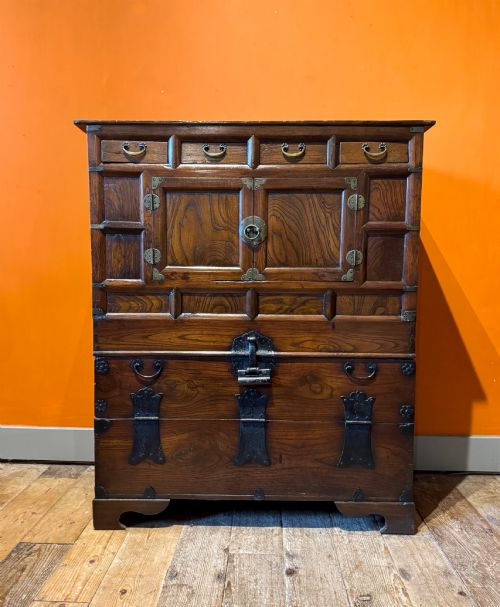
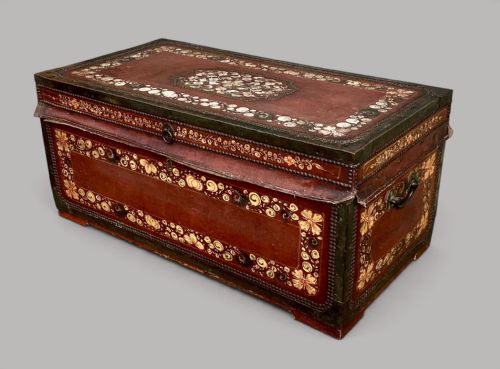
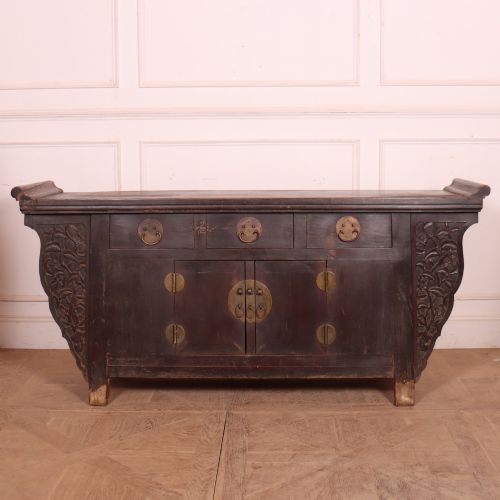
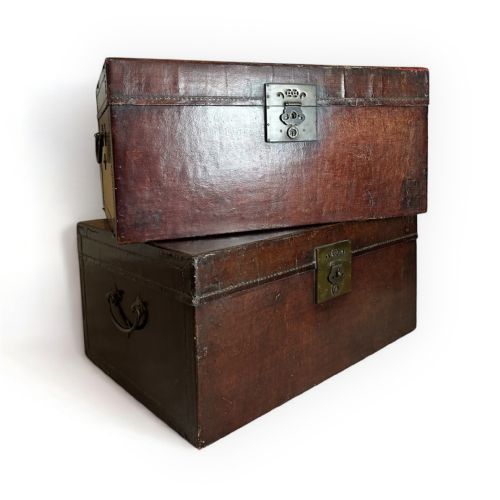
When you search for an oriental brass blanket box, you encounter chests and trunks built for travel, trade, and domestic storage across Asia and its colonial networks. These pieces range from substantial camphor wood storage boxes to leather-covered trunks and specialised chests.
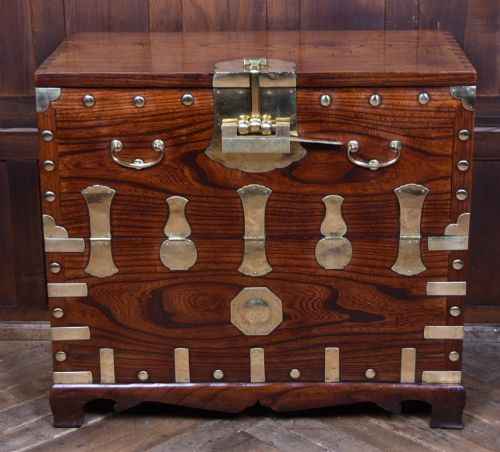
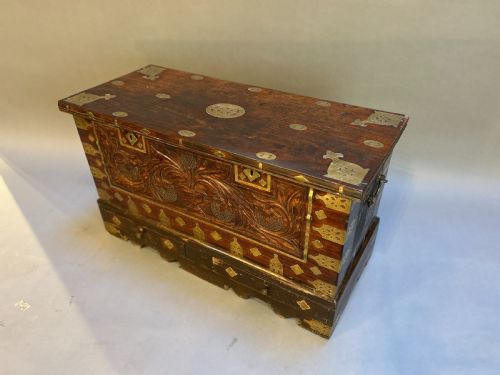
The version you are most likely to meet on this page is a camphor wood chest wrapped or bound in brass, often featuring carved surfaces or painted leather details. Dating primarily from the nineteenth century into the early twentieth century, these items originate from Chinese export workshops, Indian centres, and Zanzibar.
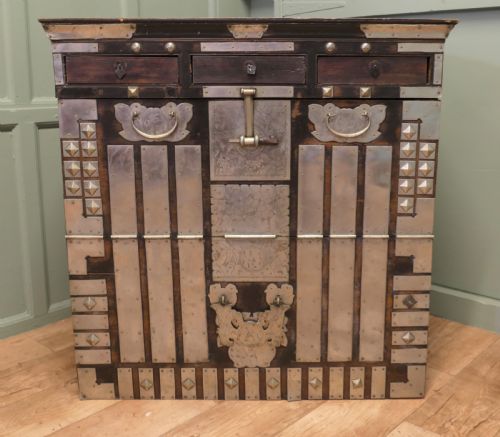
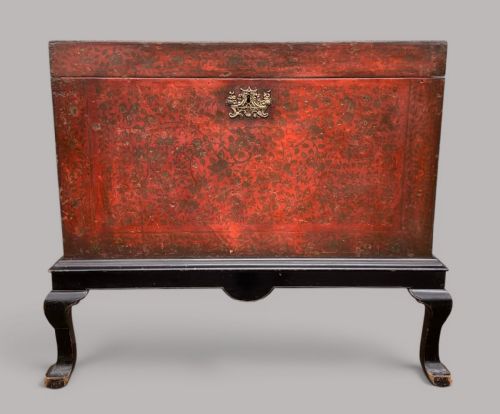
Forms vary from plain blanket boxes to elaborate wedding chests, campaign trunks, and chests on stands. They serve today as functional storage at the foot of a bed or as coffee tables in a living space.
Materials and construction
Carpenters utilised aromatic hardwoods, principally camphor wood, teak, and general hardwoods, selected for their durability and ability to deter insects from stored textiles. Panels were joined securely, occasionally combined with leather, lacquer, or copper elements.
Brass hardware defines these trunks, appearing as corner mounts, strapwork, decorative studs, and substantial lock plates. This metalwork was hand-beaten or cast, serving a structural purpose to reinforce edges and corners during transit while providing visual contrast against the timber.
Oriental Brass Blanket Box Retail Price Guide 2026
Typical asking prices for oriental brass blanket box among the pieces listed under this phrase on Sellingantiques today, from the lower quarter to the upper quarter. They describe what is for sale here now, not the wider market.
Listings span the eighteenth through the early twentieth centuries, featuring camphor wood, teak, leather, and lacquer.
Assessing quality and execution
Quality rests in the crispness of the carving, the weight and fit of the brass hardware, and the integrity of the timber. Superior pieces display deep, detailed hand-carving and heavy brass mountings that sit flush against the wood.
The condition of secondary materials, such as painted leather or lacquered finishes, distinguishes standard production from finer export pieces. Original brass fittings and hinges that remain intact elevate a trunk's standing.
The Oriental Brass Blanket Box Glossary
- Camphor wood
- A fragrant timber native to Asia, traditionally used for blanket boxes because its natural scent repels moths and silverfish.
- Chinese Export
- Goods manufactured in China specifically for Western markets, often blending traditional local forms with European design preferences.
- Zanzibar chest
- A distinct type of heavily brass-studded storage chest originating from the trade routes connecting India, Oman, and East Africa.
- Campaign trunk
- Portable furniture built for military officers or travellers, featuring reinforced corners and recessed handles for frequent movement.
Oriental Brass Blanket Box: Frequently Asked Questions
What were oriental brass blanket boxes used for?
These chests originally served to transport and store textiles, garments, and valuables during long sea voyages or overland journeys.
Today, they function primarily as blanket boxes, low tables, or statement storage pieces in residential interiors.
How do I care for a camphor wood chest?
Keep the wood away from direct heat sources and radiators to prevent the timber from splitting or drying out.
Dust regularly with a soft cloth and avoid harsh chemical polishes that might damage the original finish or brass work.
How do I date a nineteenth-century trunk?
Examine the construction methods, tool marks on the interior wood, and the style of the brass hardware.
Nineteenth-century examples often show hand-forged or cast brass mounts paired with dovetailed or pegged hardwood joints.
Can I use these chests as coffee tables?
Their flat lids and sturdy proportions make them well suited for use as coffee tables in living rooms.
Ensure you use coasters to protect the wooden or leather surface from moisture rings.