




Orange Tribal Rug
An orange tribal rug brings striking regional woolwork into a room, offering rich earthy tones and traditional village designs.
Orange Tribal Rug
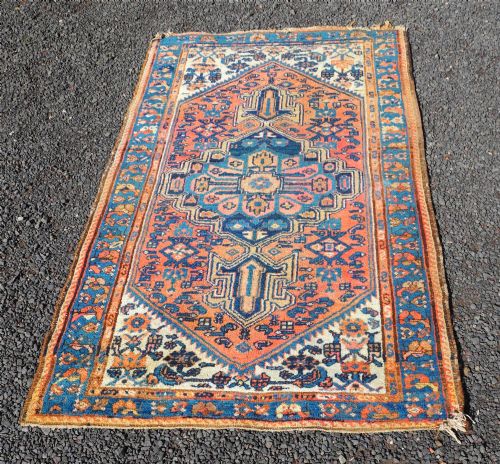
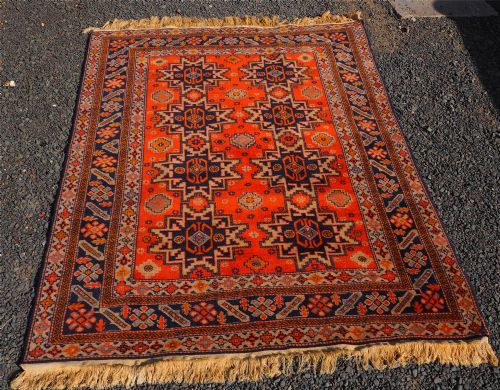
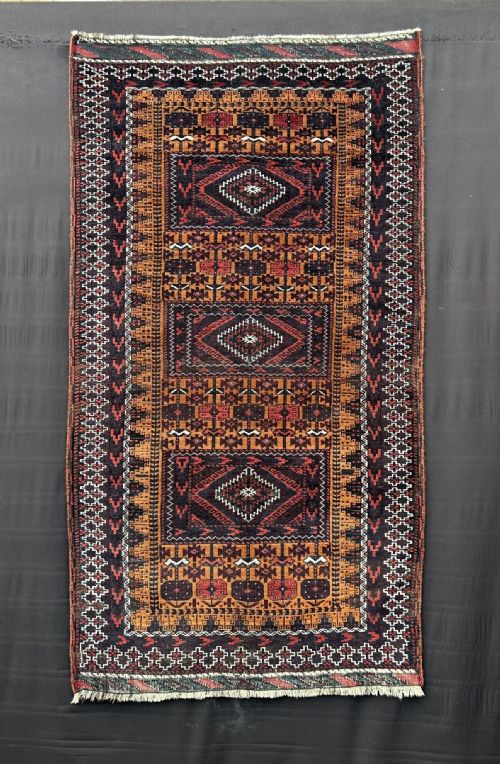
When you search for an orange tribal rug, you are looking at handwoven floor coverings and textiles originating from Persian, Anatolian, Afghan, and Caucasian weaving traditions. These pieces span from the mid-nineteenth century through the early twentieth century, encompassing village and nomadic output.
The most common formats on this page include smaller area rugs, prayer rugs, runners, and flatwoven kilims. They showcase distinct regional patterns rooted in tribal heritage, ranging from geometric field designs to symbolic borders.
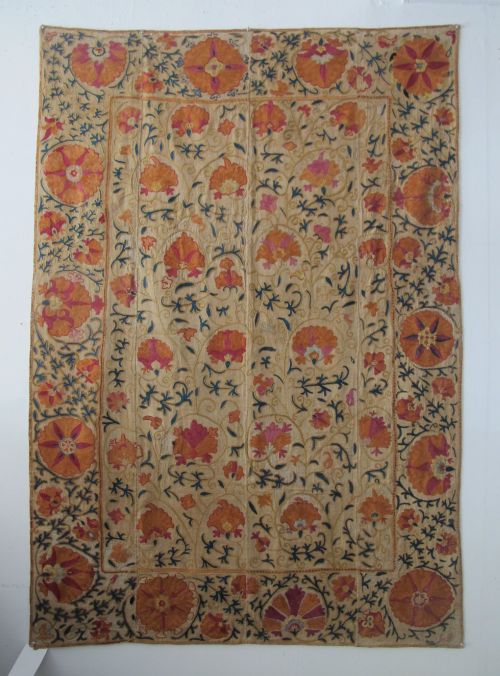
Materials consist primarily of wool, occasionally supplemented by cotton foundations or silk embroidery in related textile pieces like Uzbek suzanis. Their palettes rely on natural dyework, yielding warm terracotta, rust, and mellow amber tones.
Materials and construction
These textiles rely principally on hand-spun wool for the pile and foundation, providing durable structure and resilient texture. Cotton is also utilised for warps and wefts in specific regional workshop and village pieces.
Weaving techniques vary between knotted-pile construction and flatwoven kilim methods. Artisans applied natural dyestuffs to achieve rich colour variations that soften gracefully over decades of use.
The listings span from eighteen-eighty to nineteen-thirty, featuring wool, cotton, and silk across Persian, Anatolian, Afghan, and Caucasian traditions.
Factors of distinction
Quality rests on the density of the weave, the precision of the tribal motifs, and the depth of the natural dye palette. Finer knots and crisp geometric execution separate standard village output from superior examples.
The condition of the wool pile and the integrity of the original selvedges and ends dictate overall preservation. Balanced proportions and vibrant yet harmonious colour retention elevate a textile's desirability.
The Orange Tribal Rug Glossary
- Kilim
- A flatwoven textile produced without a pile. These pieces are created by tightly interlocking the coloured weft threads.
- Prayer rug
- A small rug featuring a mihrab or niche design, historically used for individual devotion. The orientation of the niche guides the user during placement.
- Sistan
- A historical province in south-east Persia known for distinctive regional weaving styles. Textiles from this area often incorporate unique tribal iconography.
- Suzani
- A type of embroidered tribal textile originating from Central Asia, typically worked in silk on a cotton ground. These decorative hangings feature bold floral roundels and intricate needlework.
Orange Tribal Rug: Frequently Asked Questions
How do I clean a vintage wool rug?
Gentle surface brushing and professional specialist cleaning are best for maintaining antique wool pile. Avoid harsh chemical detergents that strip natural lanolin from the fibres.
Regular light vacuuming without a rotating beater bar prevents dust accumulation in the foundation. Keep these textiles away from prolonged direct sunlight to protect the natural dyes.
What defines a prayer rug?
A prayer rug typically displays a distinctive arched niche motif known as a mihrab. This design element traditionally pointed toward Mecca during daily devotions.
Collectors appreciate these pieces for their symbolic geometry and compact proportions. They function effectively as small accent pieces on walls or occasional tables.
How are different regional styles identified?
Regional identification relies on specific colour palettes, knotting structures, and characteristic geometric or floral motifs. Persian, Anatolian, and Caucasian traditions each employ distinct drawing styles.
Comparing border arrangements and wool characteristics helps pinpoint the specific weaving origin. Village and nomadic pieces often display delightful asymmetries absent in urban workshops.