





Orange Ceramic Plates
Orange ceramic plates bring bright colour to a table, uniting centuries of global pottery traditions in domestic display.
Orange Ceramic Plates
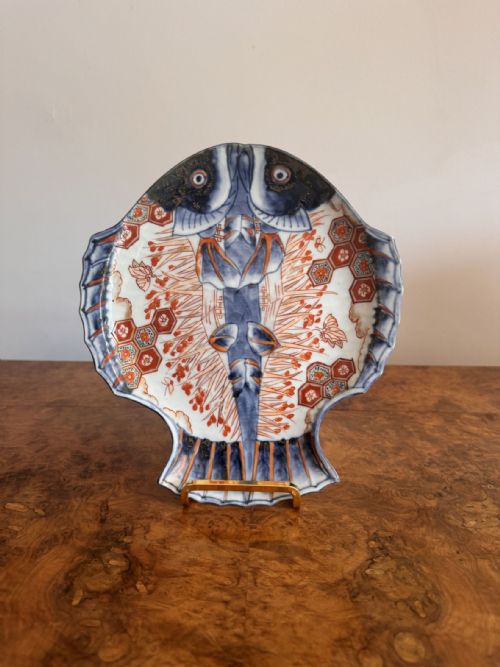
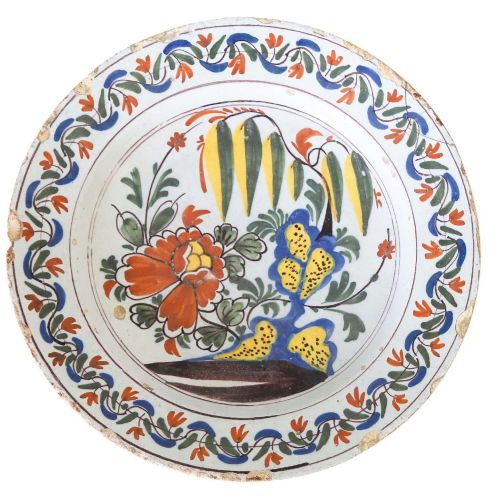
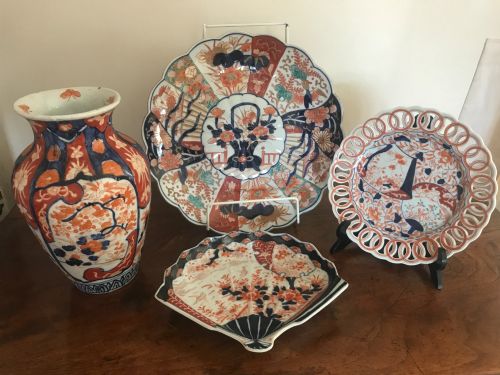
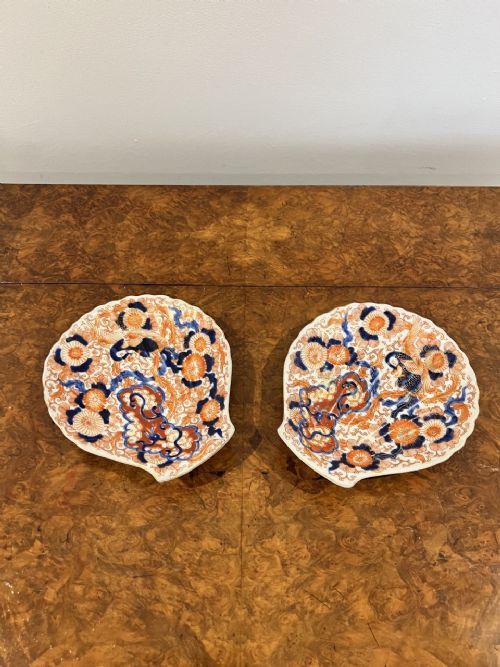
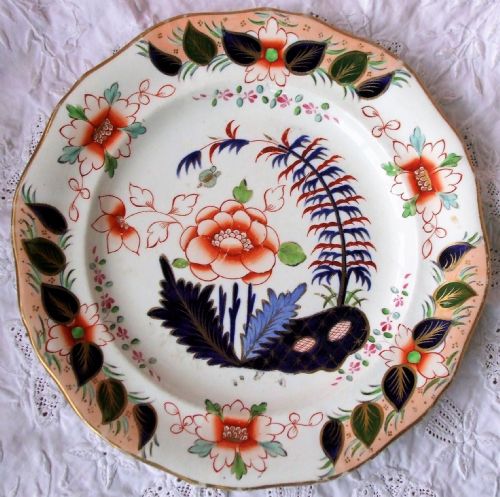
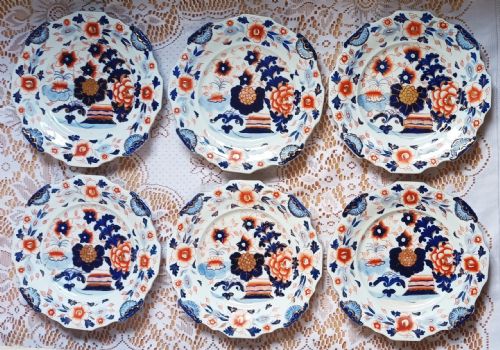
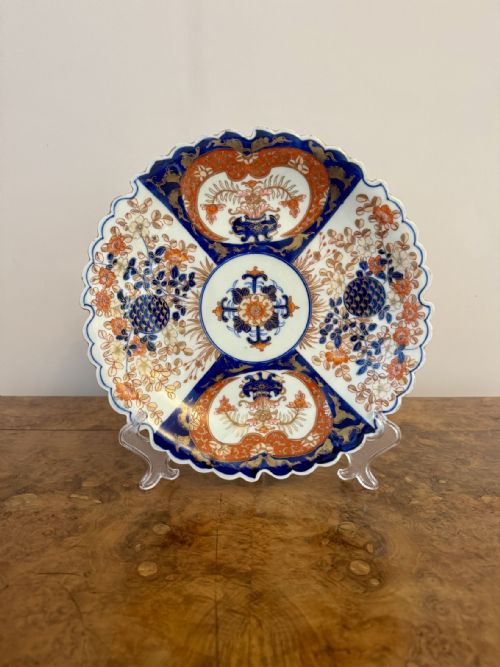
When buyers search for orange ceramic plates, they encounter a diverse selection spanning several centuries and origins. The selection on this page relies heavily on Japanese Imari porcelain and earthenware from the nineteenth and early twentieth centuries alongside English ironstone and delftware.
Most pieces take the form of chargers, dinner plates, or shaped display dishes. Japanese Imari wares dominate the selection, bringing characteristic red and orange highlights to porcelain surfaces.
English makers such as Mason and Davenport provide sturdy ironstone alternatives in distinct patterns. Eighteenth-century delftware chargers represent the earlier domestic output visible in the inventory.
How they were made
Potters relied on ceramic bases formed from porcelain, ironstone, or earthenware, finished with protective glaze. Artisans applied pigments by hand, incorporating enamel and gold leaf for detailed surface decoration.
Firing techniques determined the durability of the glaze and the vibrancy of the pigments. Twentieth-century examples sometimes utilise tubelined design to raise the outlines of the pattern before glazing.
Listings feature Japanese porcelain from the Edo and Meiji periods alongside eighteenth-century English delftware.
What varies in quality
Quality rests upon the precision of the hand-painted brushwork and the clarity of the underlying glaze. Pieces with crisp pigments and minimal firing flaws stand apart from simpler domestic wares.
The complexity of the form influences desirability, with fan, shell, and fish shapes demanding greater skill from the potter than standard rounds. Signed works and well-preserved gilt details elevate individual pieces above standard production.
John Davenport of Longport·Flight Barr & Barr·Charlotte Rhead Crown Ducal
The Orange Ceramic Plates Glossary
- Imari
- A style of Japanese porcelain featuring a palette of iron-red, cobalt blue, and gold. It gained popularity in Europe during the export trade.
- Charger
- A large decorative plate used historically for service or display on a sideboard. These pieces often measure significantly wider than standard dinner plates.
- Ironstone
- A heavy earthenware developed in nineteenth-century England to mimic porcelain durability. It provides a sturdy body for dense colourful patterns.
- Delftware
- Tin-glazed earthenware produced in England and the Netherlands during the seventeenth and eighteenth centuries. It typically displays hand-painted polychrome or blue motifs.
- Tubelined
- A decorative ceramic technique where lines of clay slip are squeezed onto the surface to form cells for different enamel colours.
Orange Ceramic Plates: Frequently Asked Questions
How do I hang orange ceramic plates?
Wall display requires a spring-loaded plate hanger that grips the rim securely without causing stress to the ceramic body. Ensure the wall fixing matches the combined weight of the charger or plate.
Heavier chargers benefit from wooden brackets or custom mounts that support the base entirely. Avoid wire hangers that bite into the glaze or weaken over time.
Are antique orange ceramic plates food safe?
Historic glazes from the eighteenth and nineteenth centuries frequently contain lead or other heavy metals that can leach into acidic foods. Display remains the recommended use for these older decorative pieces.
Modern testing kits can detect surface toxins if casual dining is intended. Most collectors prefer to keep delicate enamel and gilt wares off the dining table entirely.
How do I date an antique orange plate?
Makers' marks stamped or painted on the reverse provide the most reliable starting point for British ironstone and porcelain. Stylistic clues such as palette choices and manufacturing flaws narrow the decade further.
Japanese export pieces rely heavily on period attribution, such as the Meiji era or Edo period conventions. Comparing foot rims and glaze pooling helps distinguish eighteenth-century wares from later reproductions.