


Orange Ceramic Jug
An orange ceramic jug brings warmth and rich historic character to a room, offering both practical utility and bold decorative presence.
Orange Ceramic Jug
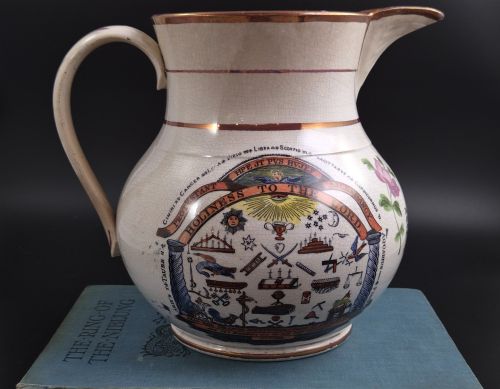
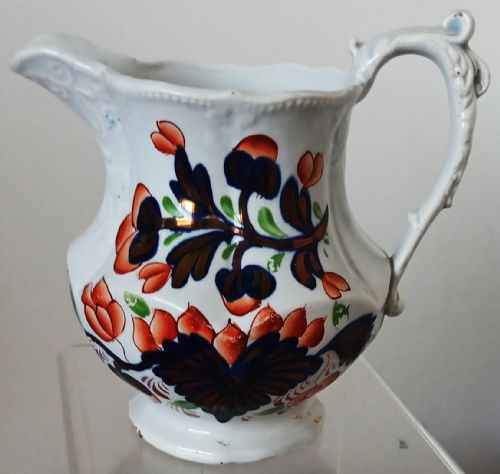
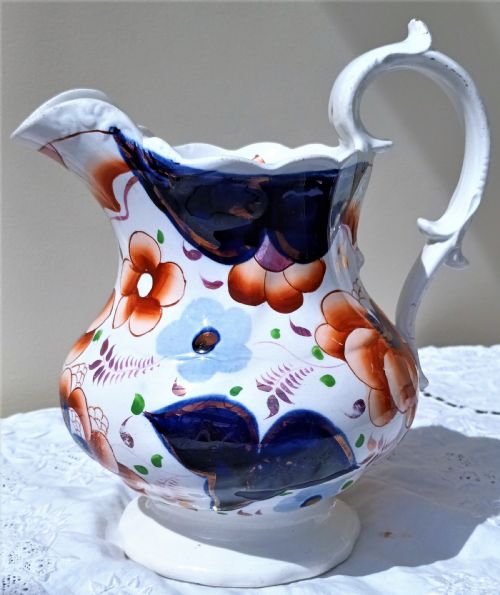
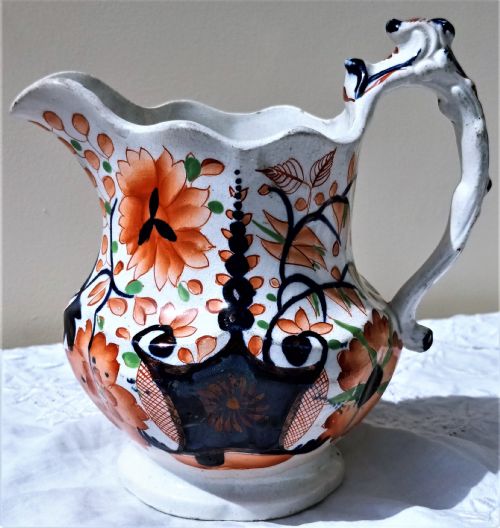
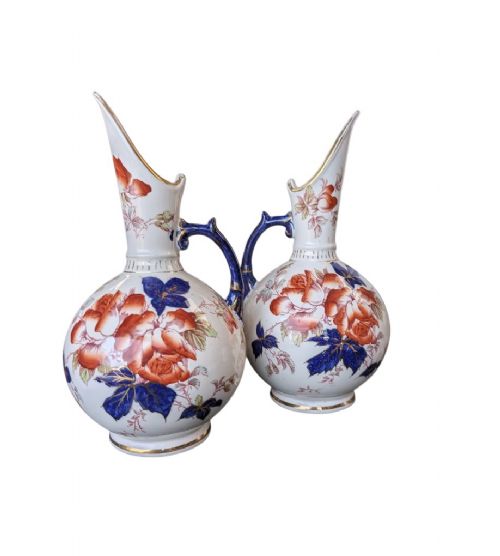
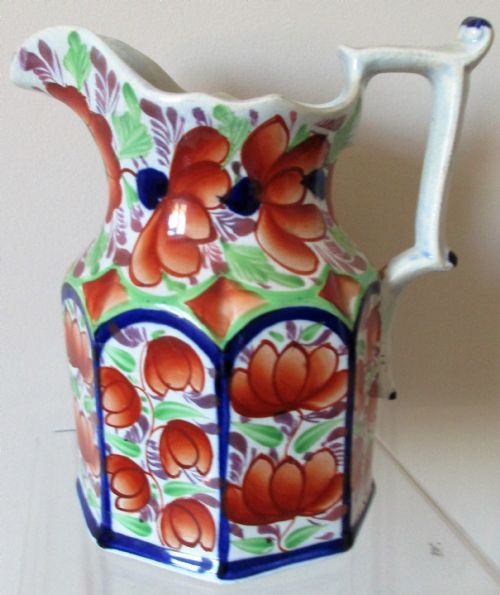
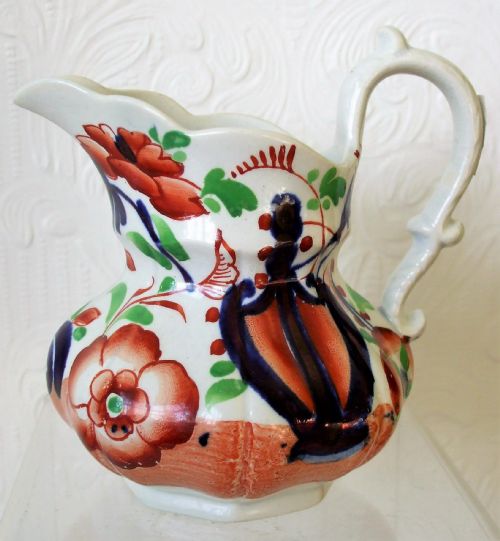
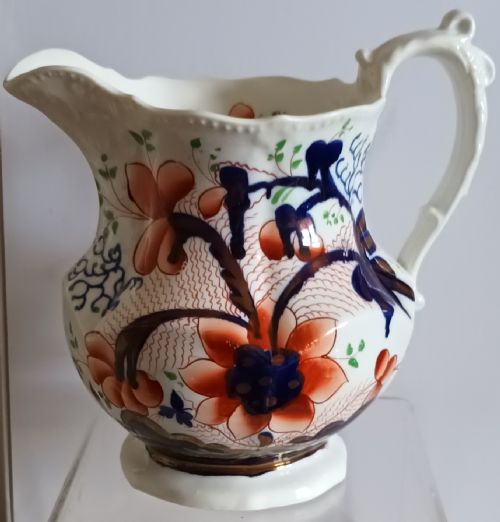
An orange ceramic jug spans centuries of production, appearing across Victorian, Georgian, and seventeenth-century eras in forms ranging from commemorative pitchers to domestic vessels. You are most likely to meet nineteenth-century earthenware and ironstone examples, particularly Gaudy Welsh patterns and pieces featuring rich metallic lustre glazes.
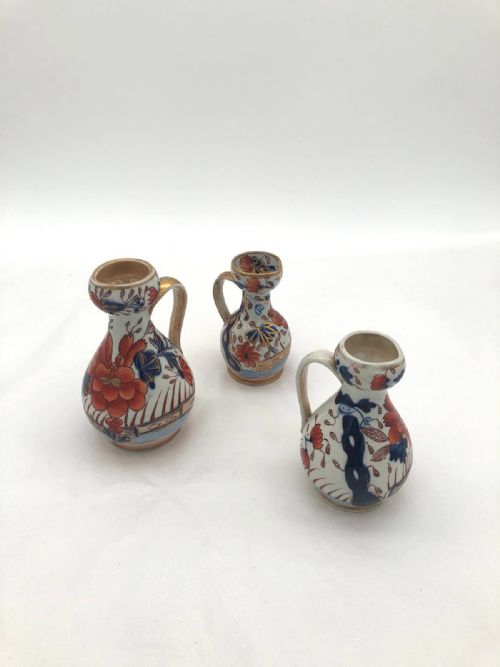
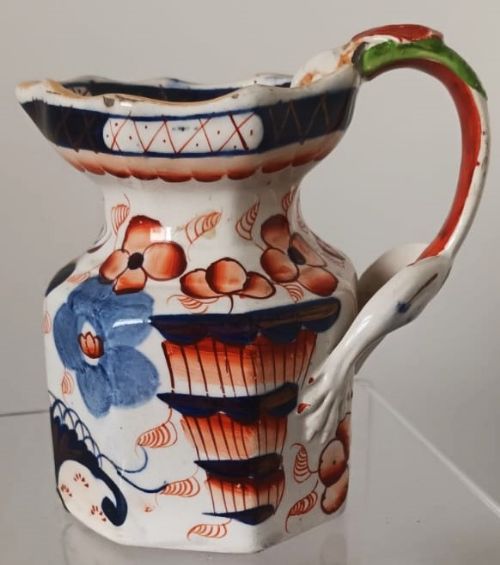
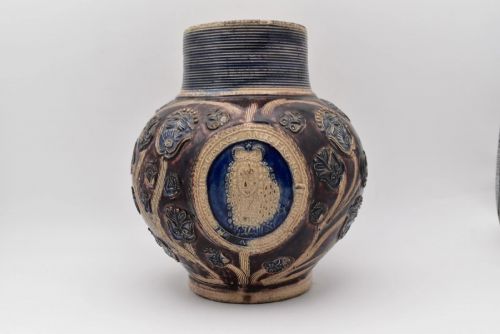
The selection includes specific regional designs such as Staffordshire commemorative pieces, Mason's ironstone jugs in the Hydra form, and Dutch slipware jars. These objects function as pitchers, decorative jugs, and pouring vessels, often decorated with polychrome enamel or transfer-printed motifs.
How they were made
Potters shaped these vessels using earthenware, ironstone, and stoneware bodies, applying glazes to seal the porous clay. Metallic lustre and enamel additions provided vibrant colour surfaces, while slipware techniques introduced layered surface patterns on earlier pieces.
Moulding and throwing techniques defined the forms, from octagonal ironstone bodies to bulbous pouch jugs and stoneware vessels. Kiln firing fixed the earthenware and ironstone structures before hand-painted or transfer-printed decoration was added.
Materials recorded across the selection include ironstone, earthenware, stoneware, pearlware, and slipware.
What varies in quality
Quality rests in the crispness of the moulding and the execution of the hand-applied enamel or lustre work. Pieces with well-defined handles, clean geometric or floral patterns, and stable glazes represent the upper range of manufacture.
The sophistication of the ceramic body also distinguishes the work, with dense ironstone and finely potted earthenware holding superior detail compared to coarser utility wares.
Mason's·Davenport
The Orange Ceramic Jug Glossary
- Ironstone
- A type of heavy, durable ceramic patented in the nineteenth century that mimics porcelain. It provides a robust body for jugs and pitchers.
- Gaudy Welsh
- A style of colourful pottery produced in the nineteenth century, characterised by cobalt blue, copper lustre, and vibrant orange and red enamels.
- Hydra
- A specific shape of jug featuring a serpent-handle and distinctive moulded spout, commonly found in Mason's ironstone productions.
- Slipware
- Pottery decorated with liquid clay applied to the unbaked body before firing, seen on seventeenth and eighteenth-century jars.
- Lustre glaze
- A metallic film applied to ceramics to produce an iridescent surface sheen, frequently utilised in nineteenth-century decorative wares.
Orange Ceramic Jug: Frequently Asked Questions
How do I date an orange ceramic jug?
Dating relies on identifying the underlying ceramic body, such as heavy ironstone, porous earthenware, or dense stoneware. Stylistic markers like Gaudy Welsh patterns or Mason's Hydra shapes also point to specific manufacturing decades.
Examining the glaze type and the application of enamel colours helps narrow down whether a piece belongs to the Georgian, Victorian, or seventeenth-century periods.
Were these jugs used for serving drinks?
Many examples served practical domestic functions as water pitchers, milk jugs, or table pourers. Their robust ironstone and earthenware construction made them suitable for daily household use.
Other pieces, such as commemorative Staffordshire items or highly decorated cabinet jugs, served primarily as display objects rather than working tableware.
How should I clean my jug?
Cleaning requires gentle hand washing with warm water and a mild soap to protect historic glazes and enamel decorations. A soft cloth prevents scratching the fragile metallic lustre surfaces found on many nineteenth-century examples.
Harsh detergents, scrubbing brushes, and dishwashers should be avoided entirely to preserve the original ceramic body and surface colours.
What is Gaudy Welsh pottery?
Gaudy Welsh pottery refers to brightly decorated ceramics produced during the nineteenth century, featuring rich cobalt blue, copper lustre, and vivid orange highlights. These patterns were widely exported and remain popular with collectors today.
Common pattern names include Dragon, Grape, and Pagoda, applied across various jug and pitcher forms.