


Orange Blue Ceramic Plate
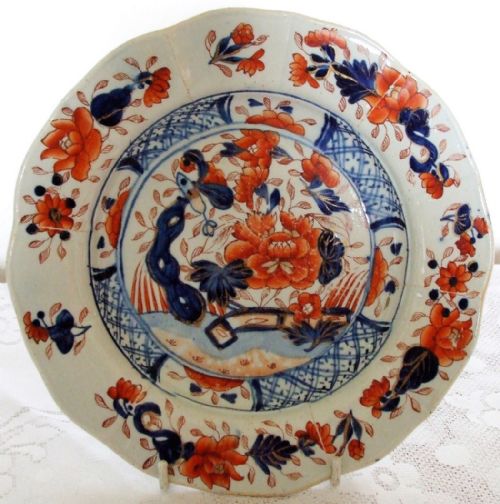
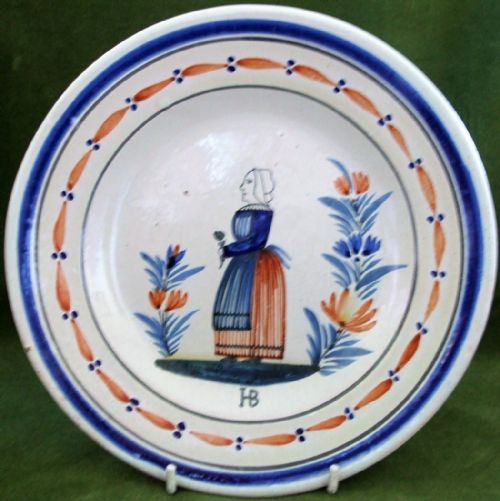
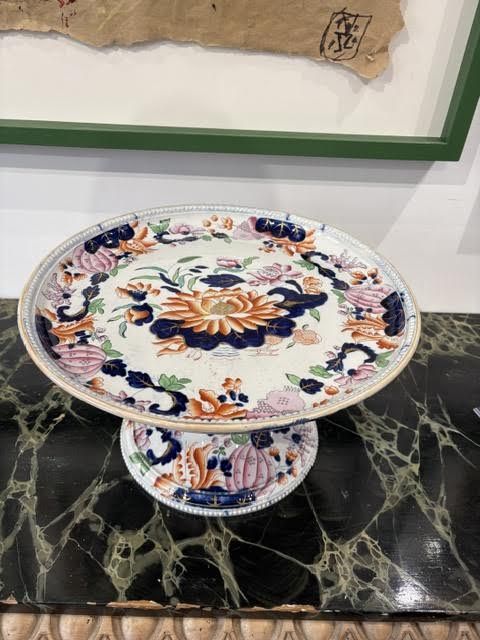
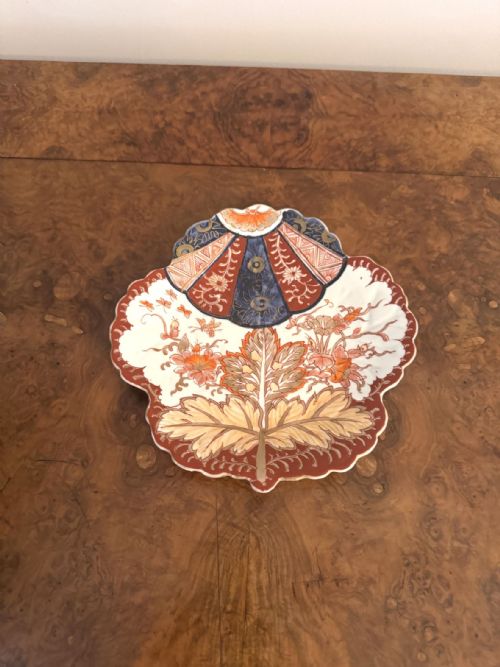
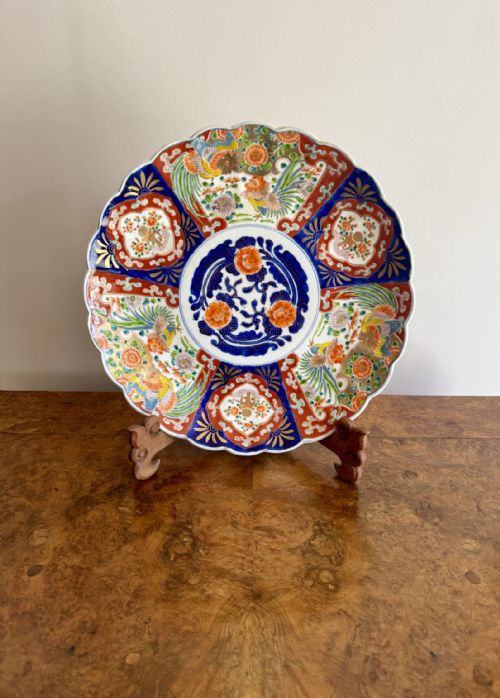
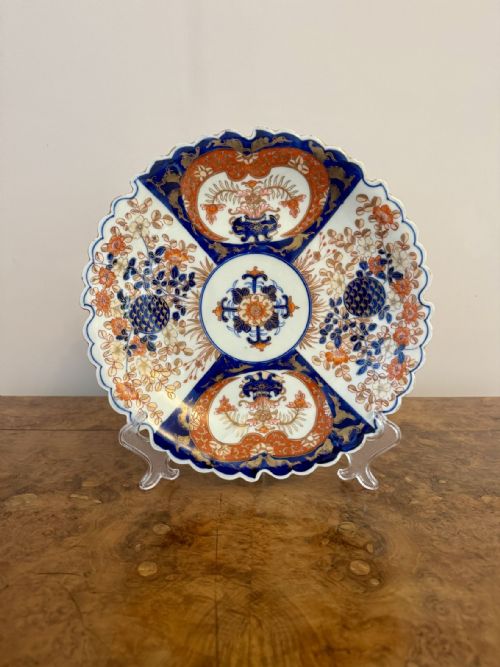
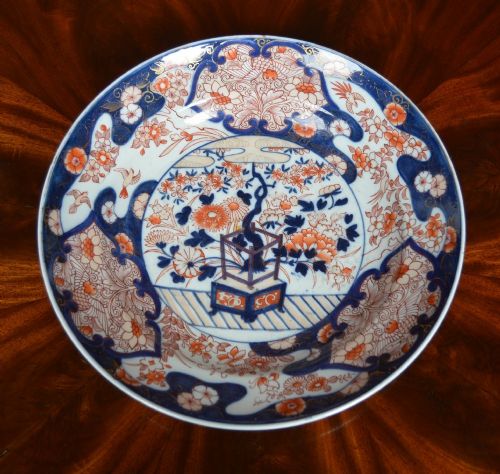
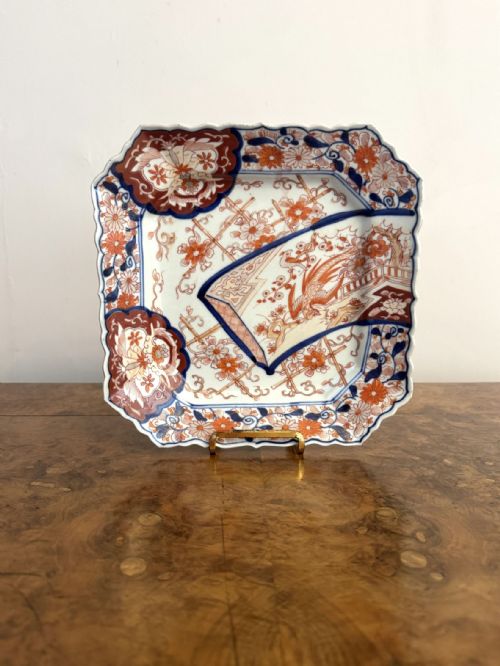
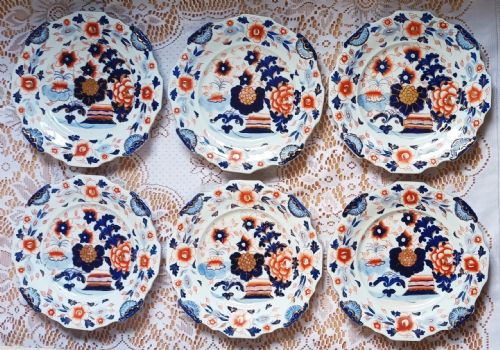
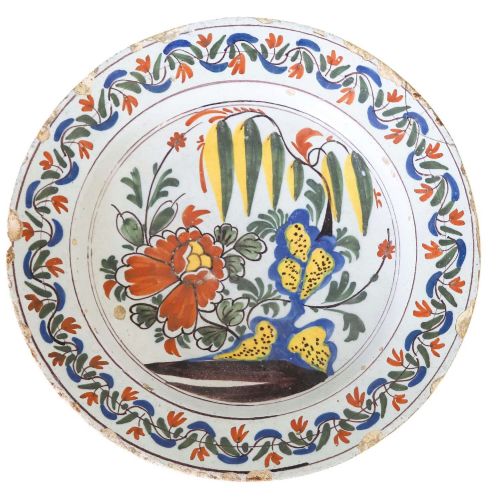
An orange blue ceramic plate brings together rich hand-painted palettes and varied forms, from traditional circular chargers to scalloped and leaf-shaped dishes.
Orange Blue Ceramic Plate
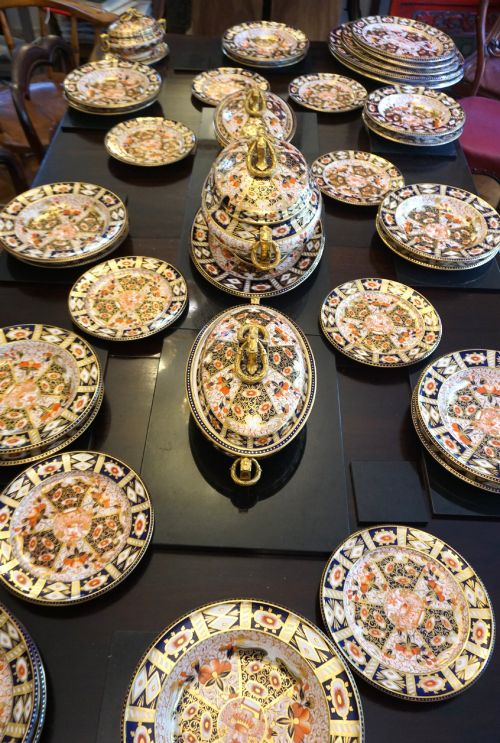
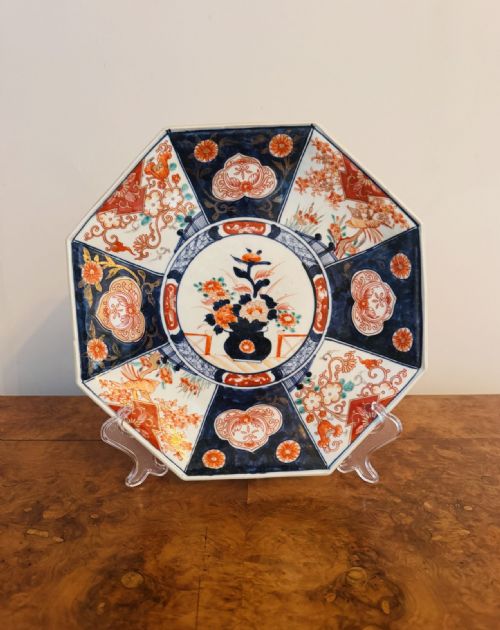
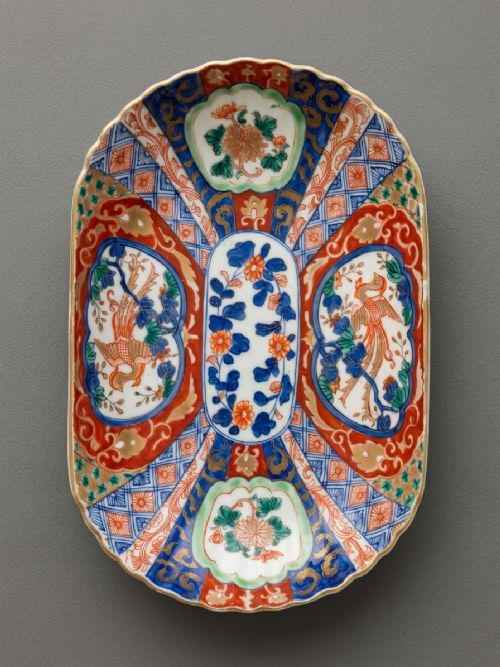
When searching for an orange blue ceramic plate, collectors encounter a diverse range of items spanning the 18th, 19th, and early 20th centuries. These pieces encompass English ironstone, earthenware, and porcelain alongside traditional Japanese Imari wares.
Buyers are most likely to find Japanese Imari wares alongside English ironstone and polychrome chargers. These items served both decorative display purposes and practical dining uses in historic households.
How they were made
The manufacturing process relies heavily on ceramic bodies formed from porcelain, ironstone, and earthenware, shaped by hand or moulded into specific configurations. Artisans applied coloured glazes and hand-painted pigments directly onto the surface.
Decoration frequently incorporates rich enamel work, sometimes accented with gold leaf or gilt details to highlight specific motifs. Firing techniques fixed these pigments into the glaze, producing durable finishes visible on surviving chargers and plates.
Orange Blue Ceramic Plate Retail Price Guide 2026
Typical asking prices for orange blue ceramic plate among the pieces listed under this phrase on Sellingantiques today, from the lower quarter to the upper quarter. They describe what is for sale here now, not the wider market.
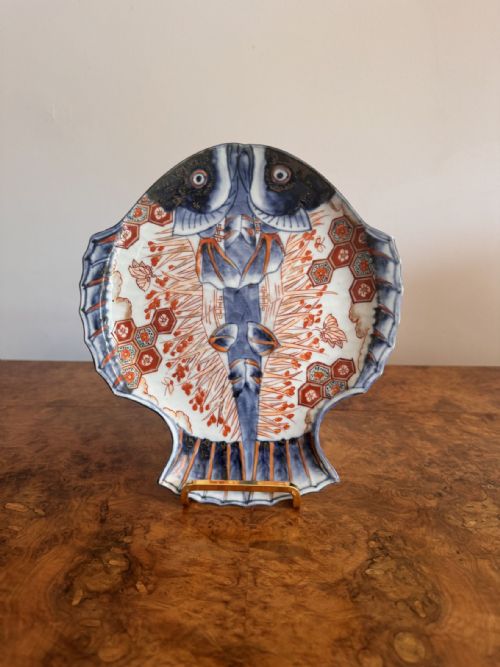
Some plates abandon standard geometry entirely, taking the lively physical form of swimming fish, folding fans, or delicate leaves.
What varies in quality
Quality in these plates rests upon the precision of the hand-painted decoration and the crispness of the moulded or thrown ceramic body. Finer examples display meticulous brushwork in the enamel palette, whereas simpler pieces show broader, less defined application.
The complexity of the form also distinguishes the range, with standard round plates sitting at one end and intricate fan, fish, or shell shapes requiring advanced moulding skill at the other. Preservation of the original glaze and any applied gold leaf further separates standard domestic wares from exceptional display chargers.
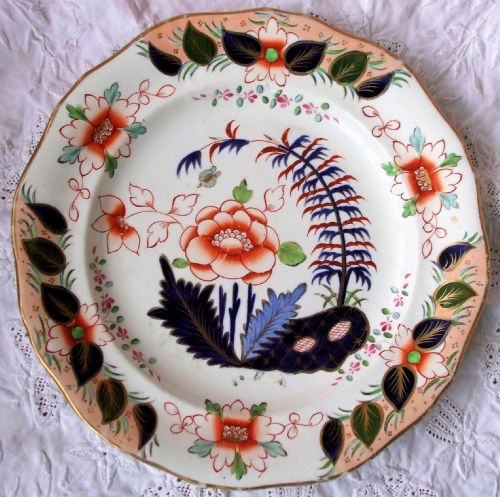
John Davenport of Longport·Masons
The Orange Blue Ceramic Plate Glossary
- Imari
- A style of Japanese export porcelain decorated in underglaze blue, iron red enamel, and gold. This palette creates the characteristic orange and blue appearance found on many antique chargers.
- Ironstone
- A type of durable earthenware patented in the 19th century. It provides a heavy, robust body suitable for domestic dinner services.
- Delftware
- Tin-glazed earthenware produced in England and Europe, often featuring hand-painted polychrome decoration. It represents an early tradition of colourful ceramic tableware.
- Charger
- A large decorative plate intended for display on a sideboard or wall rather than for everyday dining. These pieces often carry the most elaborate painted scenes.
- Earthenware
- Porous pottery fired at lower temperatures, commonly utilised for traditional folk art and everyday historical tablewares.
Orange Blue Ceramic Plate: Frequently Asked Questions
How were orange blue ceramic plates used historically?
Larger chargers served primarily as decorative centrepieces on sideboards or dining tables, showcasing wealth and artistic taste. Smaller plates saw regular use during formal dining services.
Over time, many of these colourful items transitioned into dedicated display pieces, mounted on walls or placed in cabinets to preserve their hand-painted enamel decoration.
How do I distinguish Japanese Imari from English ironstone?
Japanese Imari pieces typically utilise a fine porcelain or ceramic body decorated with characteristic iron red and underglaze blue, frequently highlighted with gold. They often feature traditional motifs such as landscapes, flowers, or mythical figures.
English ironstone plates, by contrast, present a heavier, denser ceramic fabric often stamped with maker marks or registration diamonds. Their interpretation of the Japan pattern adapts eastern motifs within 19th-century European manufacturing standards.
Can I use these antique plates for daily dining?
Most antique plates from the 18th and 19th centuries are better suited for careful display or light occasional use. The hand-painted enamel and gilt details can wear down with frequent washing and cutlery contact.
Handling these ceramics with care ensures the historical glazes and pigments remain intact for future generations to appreciate.
What periods do these ceramic plates come from?
The listings span several centuries, starting from 18th-century English Delftware and Chinese export pieces up through Victorian ironstone and early 20th-century Japanese Imari wares. Regency and Meiji period examples also appear frequently.
Each era brings distinct manufacturing techniques, glaze compositions, and stylistic influences to the orange and blue palette.