

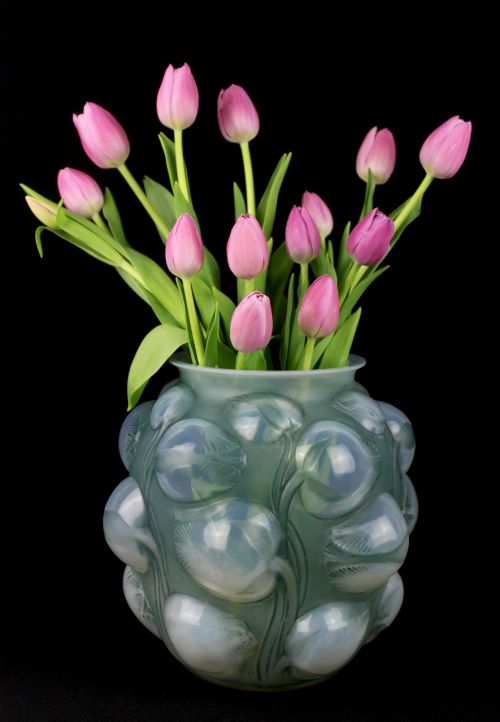
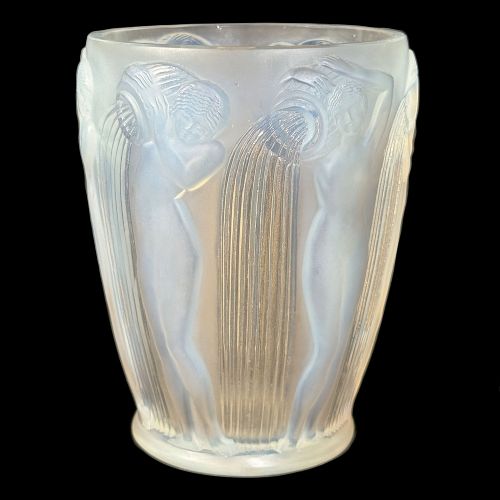


Opalescent Art Glass Vase
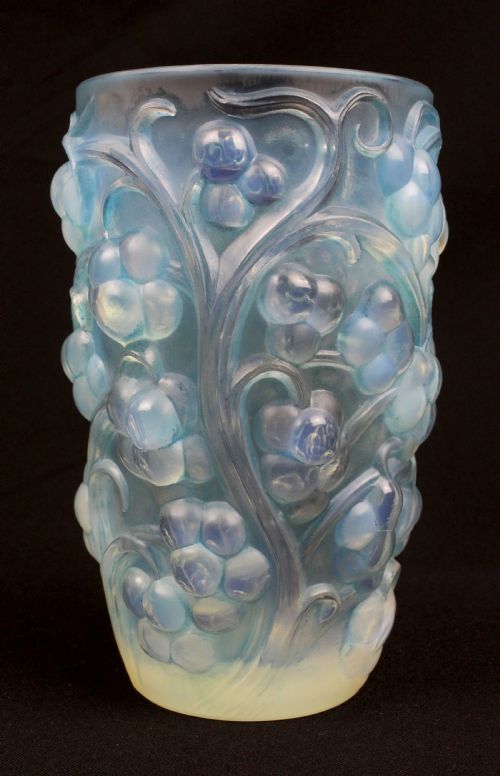
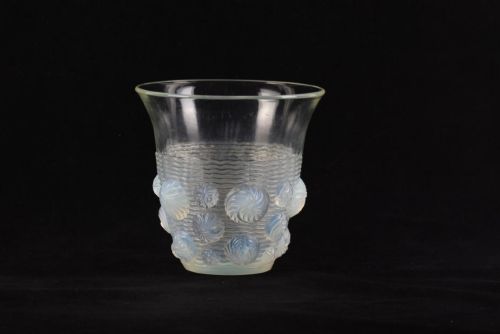
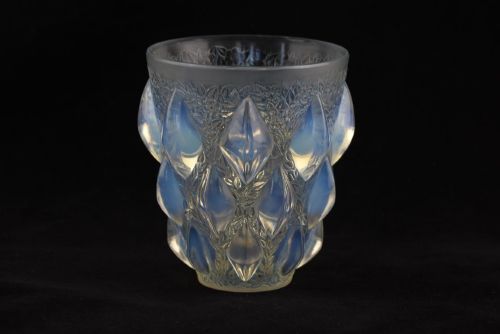
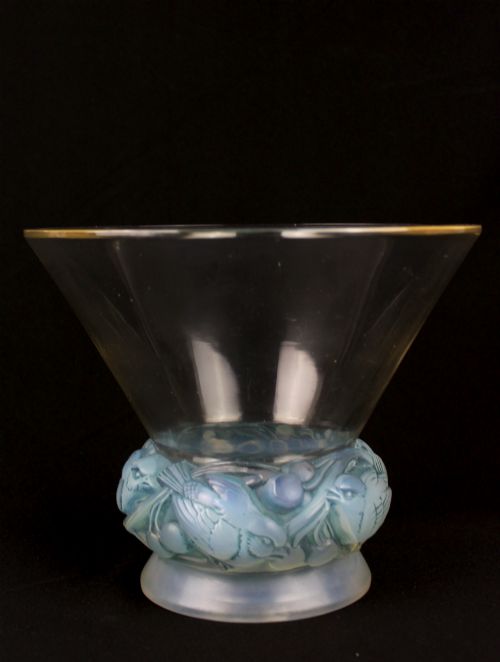
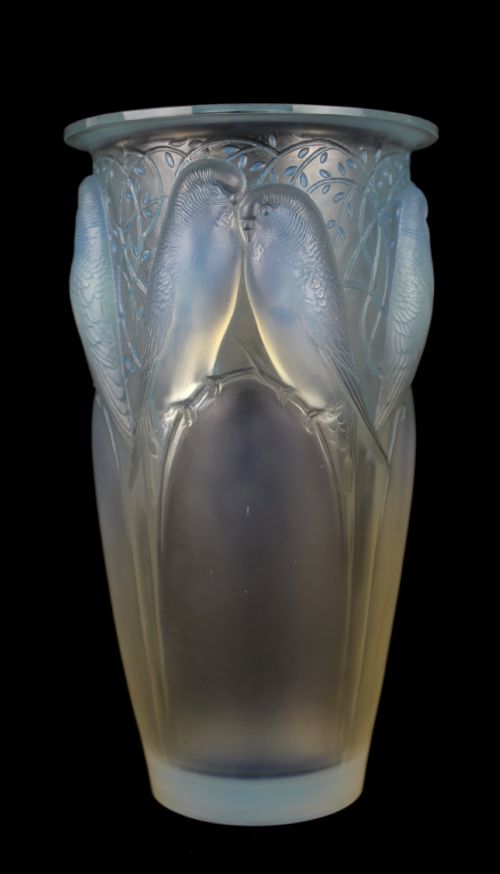
These opalescent art glass vase pieces catch the light with milky blue and amber glows that transform any room.
Opalescent Art Glass Vase
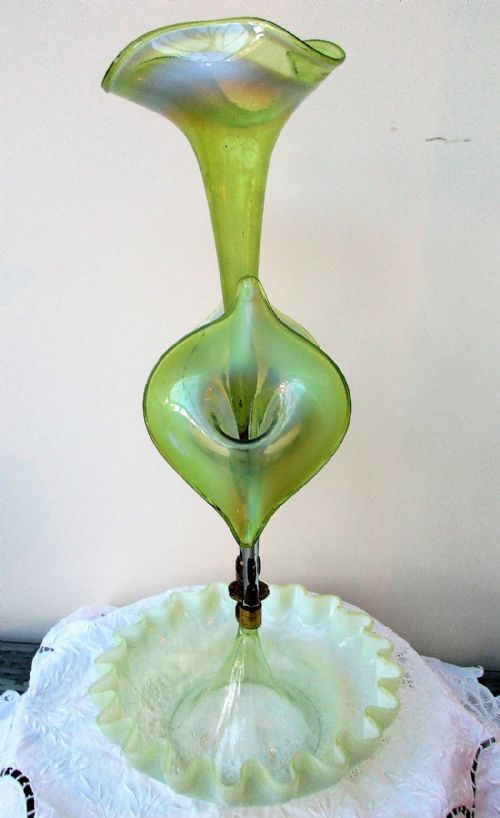
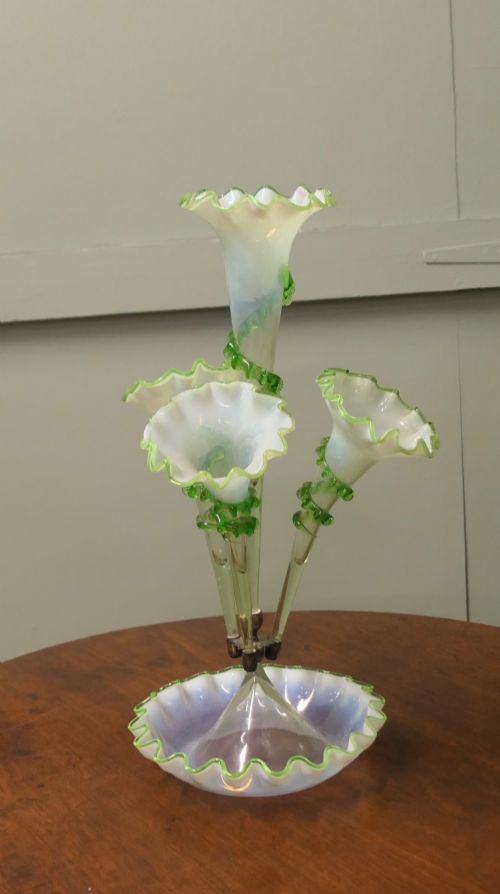
An opalescent art glass vase brings together the shifting translucence and tactile surfaces of late nineteenth and early twentieth century glassmaking. You find forms ranging from trumpet epergnes to heavy moulded vessels bearing botanical and geometric motifs.
The selection on this page leans heavily toward French production from the 1920s and 1930s, alongside Victorian English green glass and turn of the century output. Makers utilise pressing and blowing techniques to create pieces that shift in colour depending on the light source.
Vessels span simple table centrepieces to sculptural masterworks decorated with birds, fruit, and water carriers. Each item relies on the interaction of light with chemicals added to the molten batch to achieve that characteristic milky fire.
How they were made
Makers shaped these vessels using mould blowing, pressing, and freehand blowing techniques to achieve distinct body weights and wall thicknesses. Molten metal received metallic oxides to trigger the chemical reaction that produces opalescence, turning parts of the glass milky white or pale blue.
Moulded pieces often required acid etching, staining, or frosting to accentuate high relief patterns against clear or tinted backgrounds. Artisans finished surfaces by hand, polishing pontil marks and applying coloured enamels to highlight details like foliage and feathers.
Opalescent Art Glass Vase Retail Price Guide 2026
Typical asking prices for opalescent art glass vase among the pieces listed under this phrase on Sellingantiques today, from the lower quarter to the upper quarter. They describe what is for sale here now, not the wider market.
Some Victorian pieces incorporate uranium to achieve a vibrant green glow that reacts eagerly under ultraviolet light.
What varies in quality
Quality rests on the crispness of the moulded relief and the depth of the opalescent fire within the glass. Superior examples display a strong contrast between milky highlights and clear or coloured body metal without dull patches.
Execution of surface finish, such as even frosting and clean staining, separates standard production from exceptional studio work. The weight and balance of the vessel also indicate the care taken during the initial gathering and forming stages.
René Lalique·Verlys·Walsh Walsh·Julien Glass·Galle
The Opalescent Art Glass Vase Glossary
- Opalescent glass
- Glass containing specific chemical agents that scatter light, creating a milky, semi-translucent appearance with bluish or amber highlights. This effect changes dramatically when the piece is placed against dark or light backgrounds.
- Frosted glass
- Glass treated by acid etching or sandblasting to create a textured, matte surface finish. It diffuses light evenly and softens the overall appearance of moulded relief designs.
- Epergne
- A tabletop centrepiece featuring a central bowl with multiple detachable trumpets or vases. Victorian examples often utilise coloured glass to create dramatic floral arrangements.
- Moulded glass
- Glass formed by pressing molten metal into a metal or wooden matrix to create repeatable patterns and sculptural shapes. This technique allows for deep relief ornamentation across the body of the vessel.
Opalescent Art Glass Vase: Frequently Asked Questions
How do I display an opalescent art glass vase?
Place the vessel near a natural light source to allow the shifting milky tones and internal glow to emerge fully. Dark surfaces behind the glass help accentuate the characteristic blue fire.
Keep these pieces away from direct heat and damp environments to protect the surface finish and any delicate staining.
What period do most opalescent art glass vases come from?
The majority originate from the 1920s and 1930s, representing Art Deco and transitional design movements in France and Britain. Earlier Victorian examples tend to feature vibrant green glass and multi-trumpet epergne configurations.
Turn of the century pieces often showcase organic Art Nouveau motifs alongside cameo techniques.
How should I clean my opalescent art glass vase?
Wash the glass gently in lukewarm water using a mild, non abrasive detergent and a soft cloth. Avoid harsh scrubbing brushes and strong chemical cleaners that can damage frosted or stained surfaces.
Dry the vessel immediately with a lint free cloth to prevent water spots from forming on the textured areas.
What is the difference between opalescent and iridescent glass?
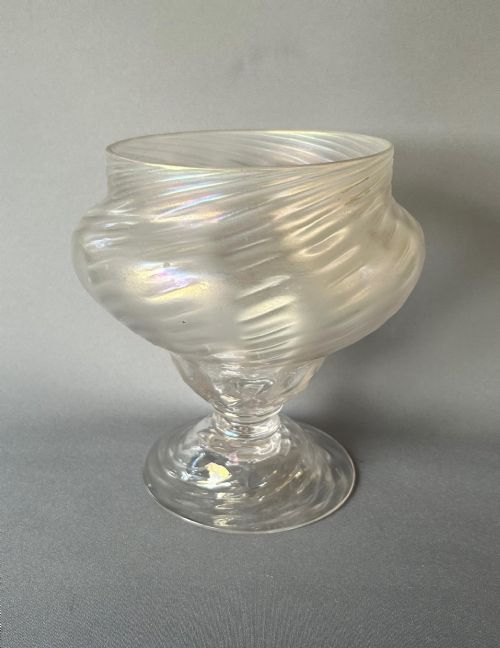
Opalescent glass scatters light internally to produce a milky, translucent effect with soft blue or amber highlights. Iridescent glass relies on a metallic surface sheen that reflects rainbow colours across the exterior.
Both finishes were used extensively during the Art Nouveau and Art Deco periods to create dynamic optical effects.