



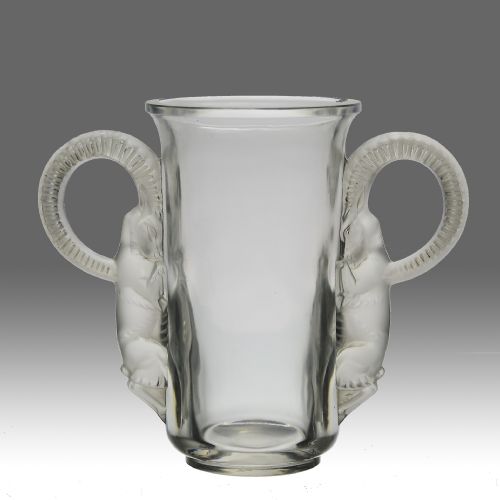

French Lalique Glass Vase
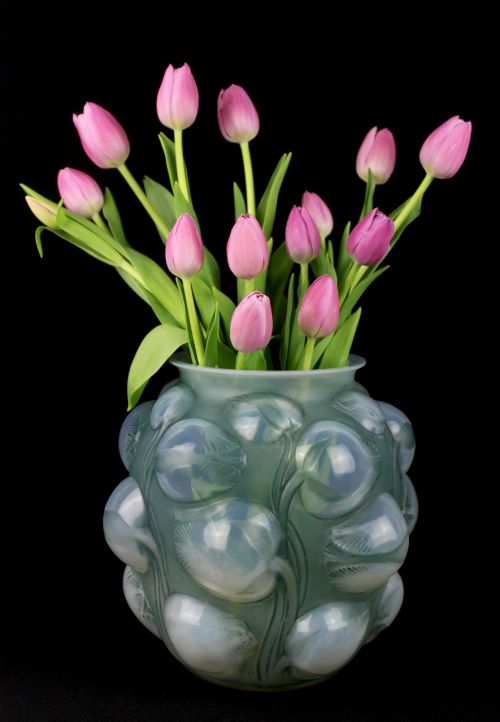
A french lalique glass vase brings the sculptural mastery of the twentieth century directly to a room through tactile frosted and opalescent surfaces.
French Lalique Glass Vase
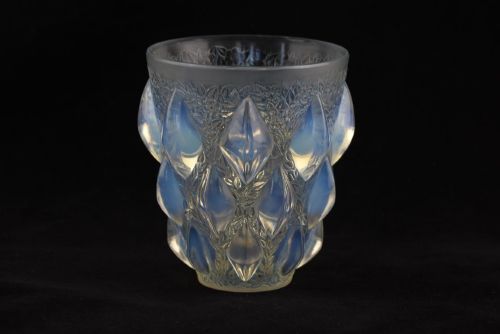
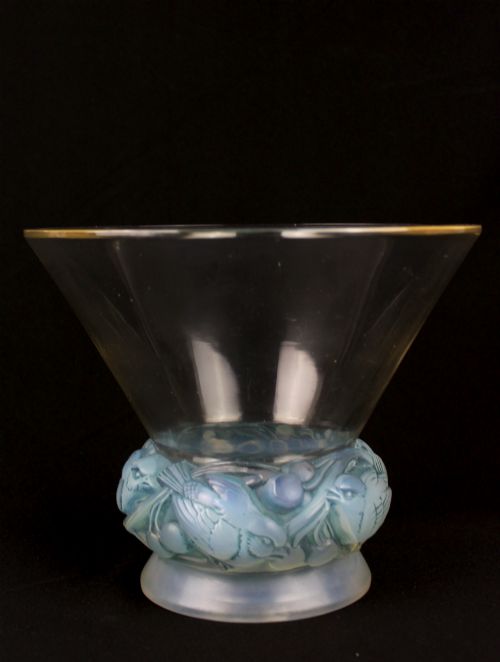
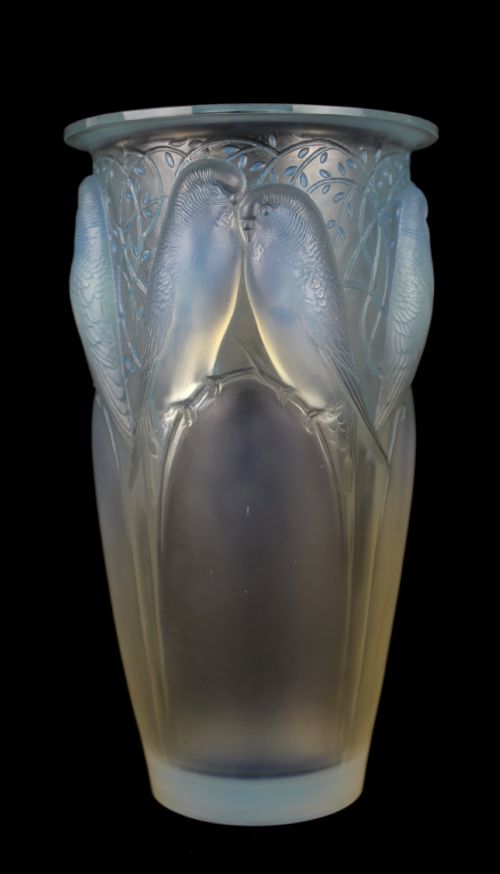
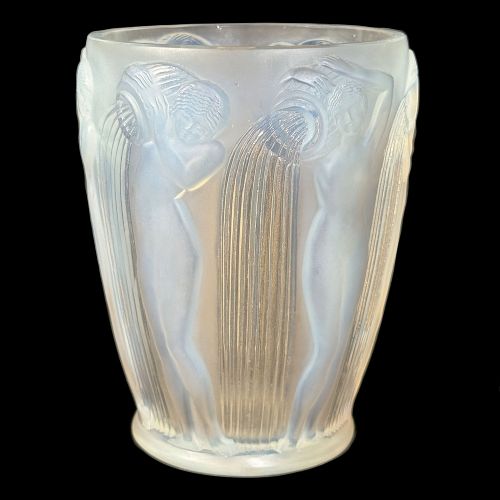
A french lalique glass vase represents the pinnacle of decorative arts from the twentieth century, emerging primarily through Edwardian and Art Deco movements. Collectors seek these pieces for their intricate relief designs, which frequently depict botanical motifs, avian subjects, and classical figural scenes.
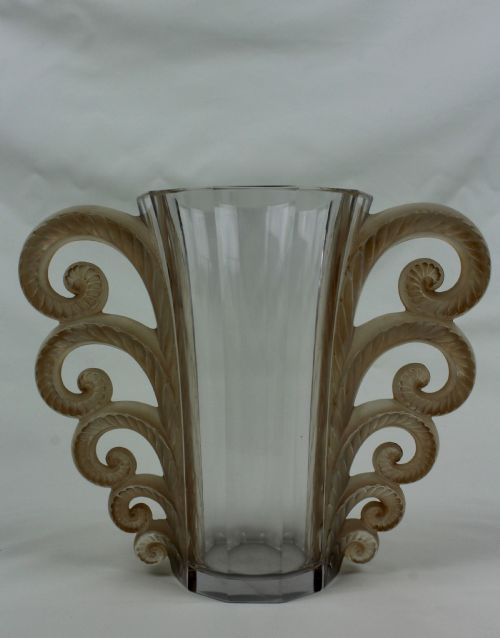
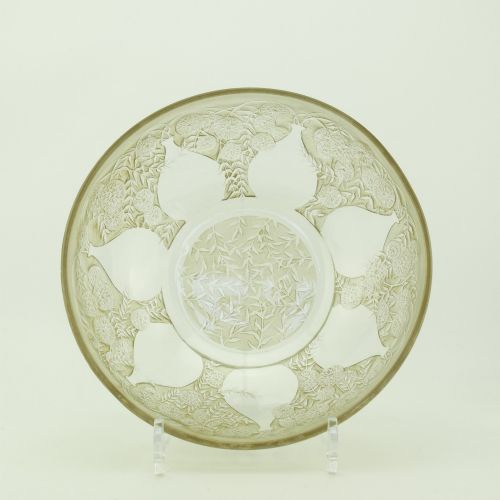
The objects available span substantial urn forms and decorative bowls, often classified simply as vases or larger coupe vessels. Pieces from the nineteen-twenties and nineteen-thirties dominate the selection, showcasing the distinct stylistic shift towards geometric clarity and organic naturalism.
How they were made
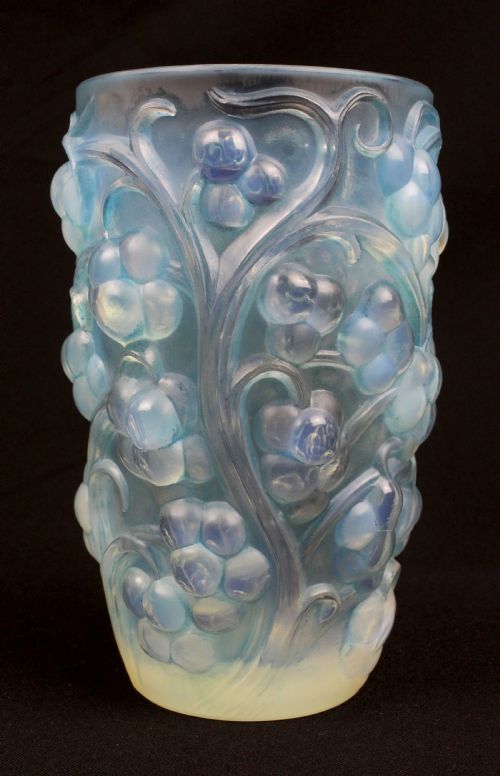
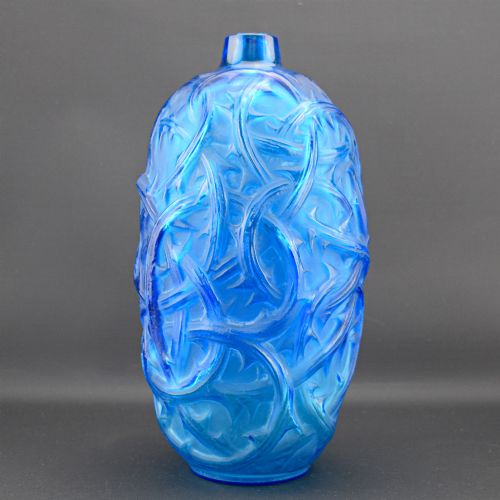
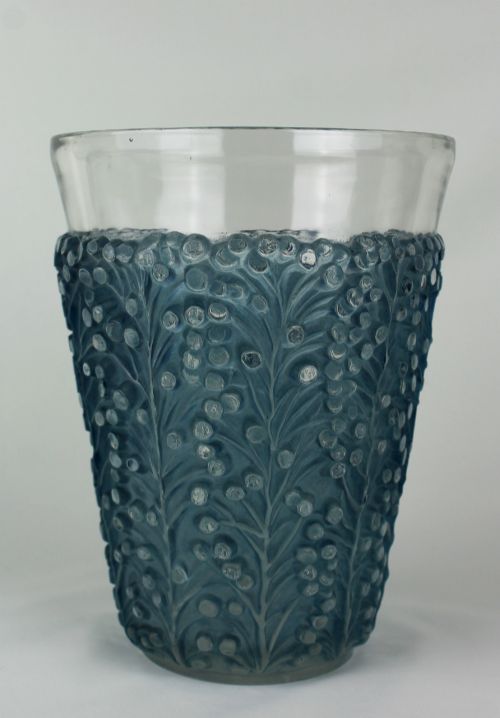
Makers utilised press-moulded and frosted glass techniques to achieve high relief and rich textural contrast across each vessel. Molten material was pressed into complex metal moulds, capturing microscopic details in botanical patterns like raisins, thibet, and guirlande de roses.
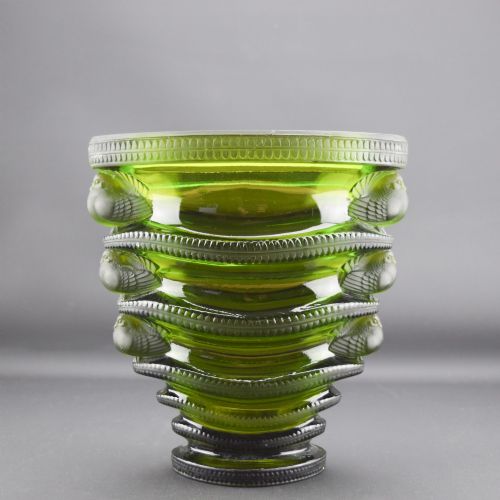
Finished surfaces frequently received coloured enamel stains, notably electric blue or green patination, applied by hand to accentuate the recessed portions of the design. Clear crystal glass and opalescent glass were also employed to manipulate light passing through the thick walls of the vase.
French Lalique Glass Vase Retail Price Guide 2026
Typical asking prices for french lalique glass vase among the pieces listed under this phrase on Sellingantiques today, from the lower quarter to the upper quarter. They describe what is for sale here now, not the wider market.
Listings feature Art Deco and French Neoclassical styles executed in opalescent, frosted, and pressed glass.
What varies in quality
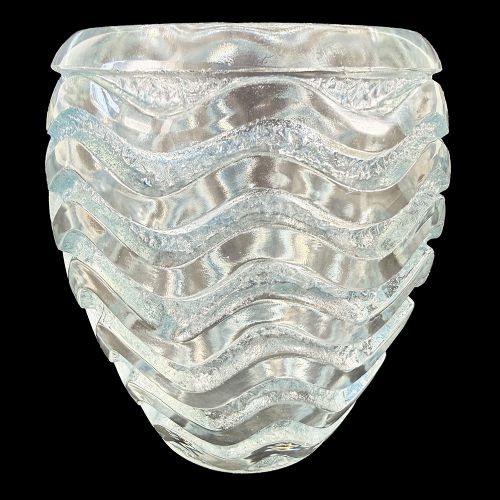
The depth of the relief moulding and the crispness of the surrounding frost dictate the visual impact of an individual piece. Superior examples maintain sharp separation between polished high points and deeply textured, shadowed backgrounds.
The presence and preservation of original coloured staining within the design recesses significantly alter the character of the object. Evenness in the opalescent fire of the glass adds another layer of distinction among similar vessel forms.
René Lalique
The French Lalique Glass Vase Glossary
- Opalescent Glass
- Glass that diffuses light to display a milky, iridescent blue or amber glow depending on the angle of illumination. This optical effect is achieved through the addition of specific mineral agents during melting.
- Frosted Glass
- A matte surface finish created by acid-etching or sandblasting the exterior of the vessel to scatter light. It provides a tactile contrast against polished transparent elements.
- Press-Moulded Glass
- A manufacturing technique where molten glass is pressed into a metal matrix using a plunger to form complex three-dimensional shapes and patterns. This method allowed for consistent mass production of high-relief artistic designs.
- Art Deco
- A design style of the nineteen-twenties and nineteen-thirties characterised by stylised motifs, symmetrical geometric patterns, and streamlined forms. It succeeded Edwardian ornamentation with a bolder, modern aesthetic.
- Stain
- Coloured pigment applied to the recessed areas of moulded glass to emphasise the details of the sculptural relief. Electric blue and dark green are traditional hues found on these pieces.
French Lalique Glass Vase: Frequently Asked Questions
What is a french lalique glass vase?
A french lalique glass vase is a decorative vessel produced in pressed or moulded glass, typically featuring high-relief plant, animal, or classical motifs.
These pieces emerged from twentieth-century design movements, combining tactile frosted textures with clear or opalescent optical effects.
How do I identify periods?
Periods are identified through stylistic markers, transitioning from Edwardian curves to the bold geometric symmetry of Art Deco.
Specific design subjects and the formulation of opalescent or stained glass also point towards production dates in the nineteen-twenties and nineteen-thirties.
Where were they made?
These vessels were manufactured in France by the workshops of René Lalique during the early and mid twentieth century.
The French production centres utilised advanced press-moulding techniques to achieve unprecedented sculptural depth in glass art.
How should I display them?
Display these vases in spaces with strong directional lighting to activate the opalescent glow and frosted contrast of the glass.
Positioning them away from direct physical traffic protects the heavy, thick-walled vessels from accidental impact while highlighting their relief work.