

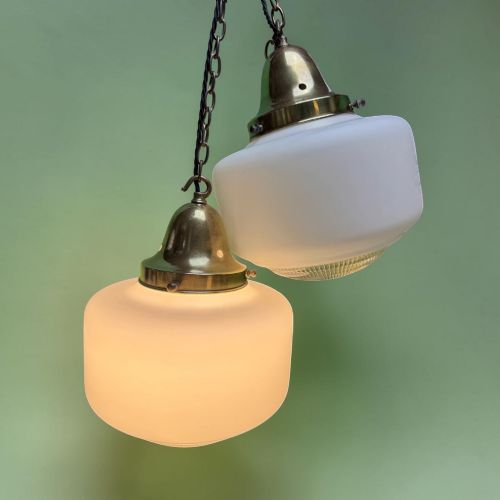
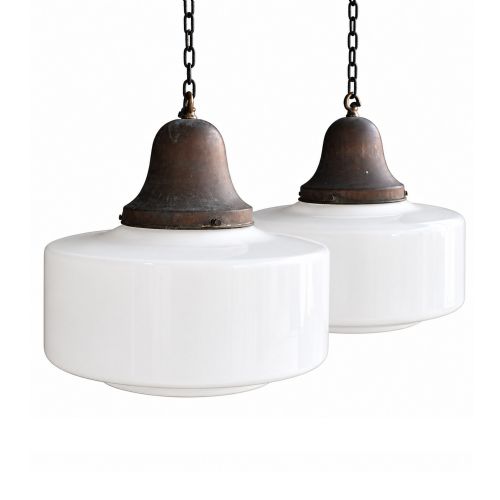
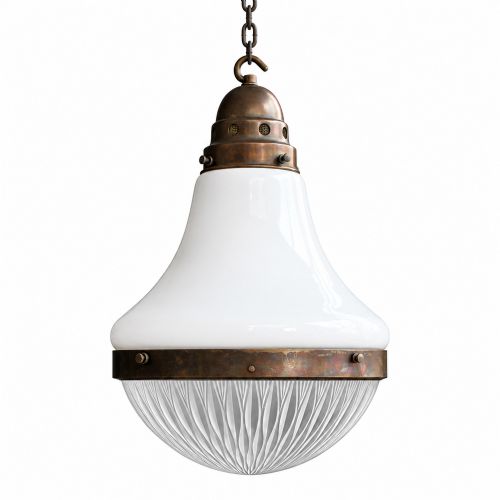
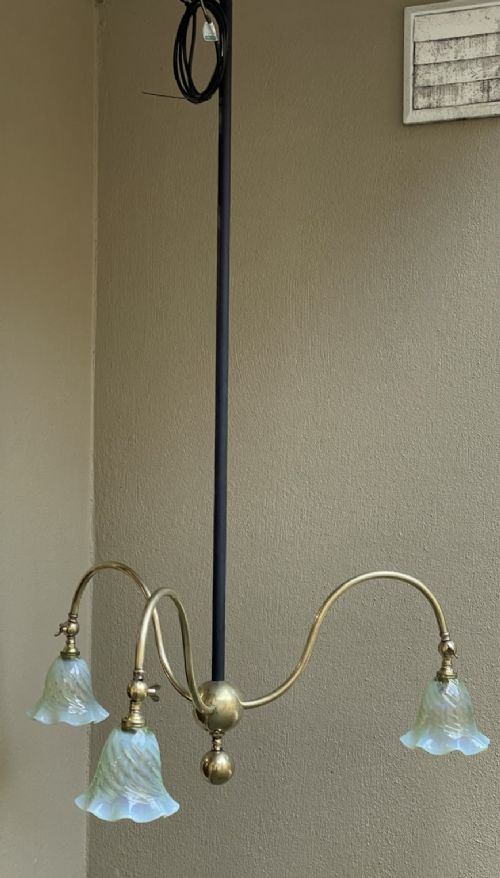


Opal Ceiling Light Shade
Opal ceiling light shade fittings offer a diffused glow that transforms a room.
Opal Ceiling Light Shade
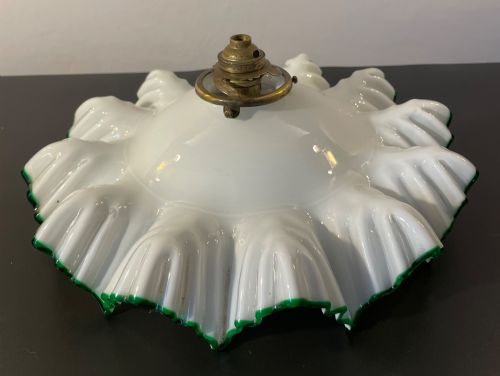
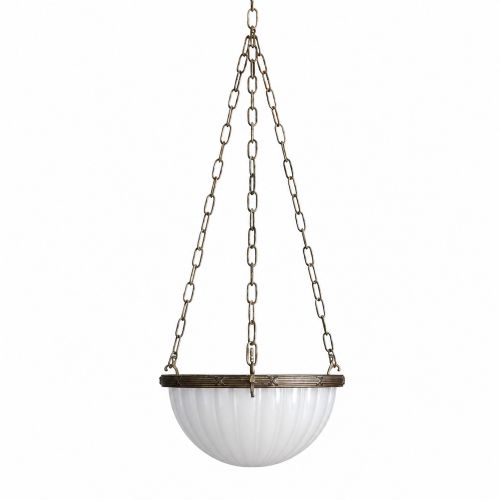
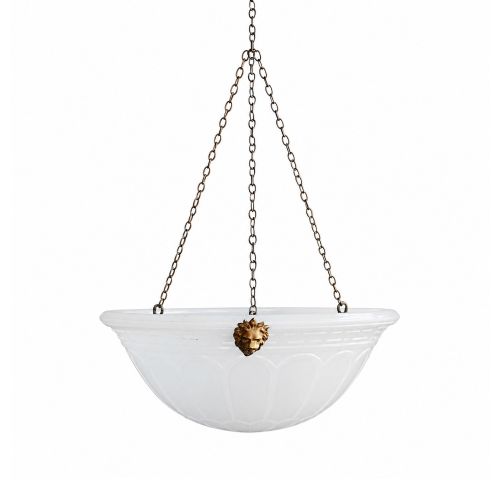
An opal ceiling light shade brings a soft, diffused illumination to interiors, emerging across periods from the nineteenth century through the nineteen-thirties. You meet these pieces in various forms including pendant lights, hanging light pendants, lampshades, and ceiling bowls.
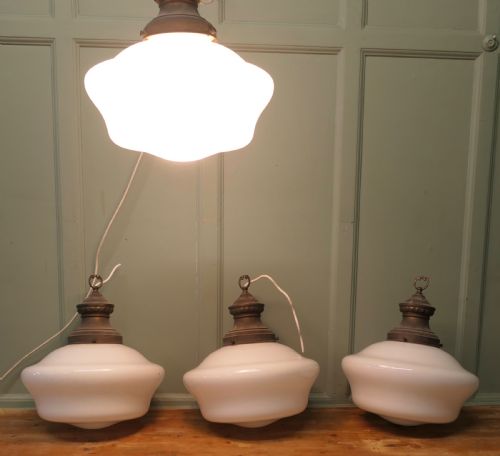
The selections span distinct stylistic traditions such as Edwardian, Art Deco, Arts and Crafts, Industrial, and Gothic Revival. Pieces range from diminutive English shades to large matched pairs and industrial ceiling lights sourced from civic and commercial buildings.
Makers and designers utilised durable metals alongside distinctive translucent glass to construct fittings that served functional roles in town halls, pharmacies, and churches. Surviving examples demonstrate how varied these domestic and institutional light fixtures remained across early twentieth-century production.
How they were made
Glassmakers produced these shades using specialised opal, opalescent, and moonstone glass recipes to achieve their characteristic milky translucency. This material successfully softens harsh bulb glare while dispersing even light across a space.
Metalwork components including brass, copper, iron, and enamelled suspensions were manufactured to support the heavy glass bowls and globes safely. These structural elements frequently reflect the architectural styles of their respective eras, from Gothic Revival brackets to industrial chains.
Opal Ceiling Light Shade Retail Price Guide 2026
Typical asking prices for opal ceiling light shade among the pieces listed under this phrase on Sellingantiques today, from the lower quarter to the upper quarter. They describe what is for sale here now, not the wider market.
Listings feature opal glass, opaline glass, and clear glass paired with brass, copper, and iron components across early twentieth-century periods.
What varies in quality
The distinction between standard utility items and finer decorative pieces rests upon the depth of the glass colour and the integrity of the original metal mounts. Heavier gauge brass and copper fittings combined with thick, evenly distributed opaline glass denote superior craftsmanship.
Provenance and scale heavily influence the standing of individual pieces, as seen in large matched pairs and examples salvaged from notable civic buildings. Refined proportions and specialised naming conventions, such as the Astroid or Jefferson patterns, separate ordinary shades from exceptional survivors.
Jefferson Light
The Opal Ceiling Light Shade Glossary
- Opal Glass
- A translucent milky glass created by adding specific opacifying agents to the molten batch. This formulation diffuses light evenly without complete transparency.
- Pendant Light
- A hanging light fixture suspended from the ceiling by a cord, chain, or metal rod. These fixtures concentrate illumination directly downwards or cast a general glow.
- Opaline Glass
- A type of semi-opaque glass popular in nineteenth and early twentieth-century lighting production. It often displays subtle tonal gradations when illuminated.
- Ceiling Suspension
- The metal hardware component that attaches a lampshade to the ceiling wiring. These assemblies include brass canopies, chains, and galleries.
Opal Ceiling Light Shade: Frequently Asked Questions
How do I date an opal ceiling light shade?
Dating an opal ceiling light shade involves examining the manufacturing characteristics of both the glass and the metal suspension. Edwardian and Arts and Crafts examples often feature hand-finished brass mounts and heavier glass bodies.
Later Art Deco and nineteen-thirties pieces tend toward streamlined conical shapes and industrial metalwork. Comparing the shade's silhouette and fitter rim size against documented period styles clarifies its age.
Where were these lights used originally?
Original locations for these fixtures included domestic parlours, municipal buildings, pharmacies, and churches. Large institutional spaces utilised robust industrial pendant lights and multi-light ceiling fittings for general illumination.
Smaller diminutive shades were typically hung in domestic hallways or bedrooms where softer, diffused lighting was preferred. Their durable construction allowed them to function reliably in both commercial and residential environments.
How should I clean an antique shade?
Cleaning an antique opal ceiling light shade requires gentle washing in lukewarm water with mild, non-abrasive soap. Harsh chemical cleaners can damage historical metal finishes and delicate glass surfaces.
Carefully supporting the glass body prevents accidental drops during maintenance. Allowing the shade to dry completely before reattachment protects the original wiring and suspension components.