

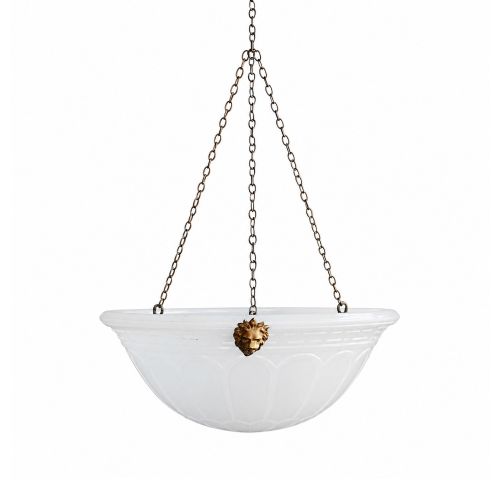


Opal Glass Shade Fixture
An opal glass shade fixture brings a soft, diffused glow to a room through milky glass and metal mounts.
Opal Glass Shade Fixture
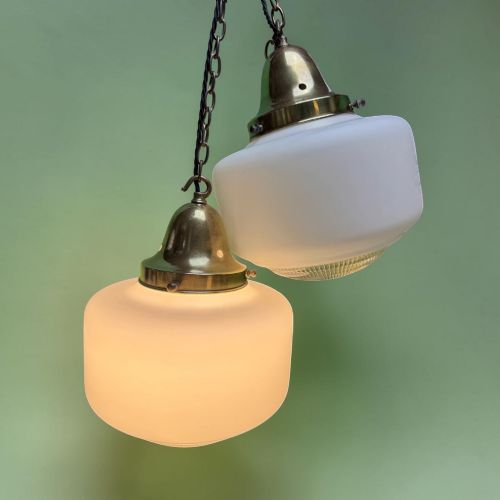
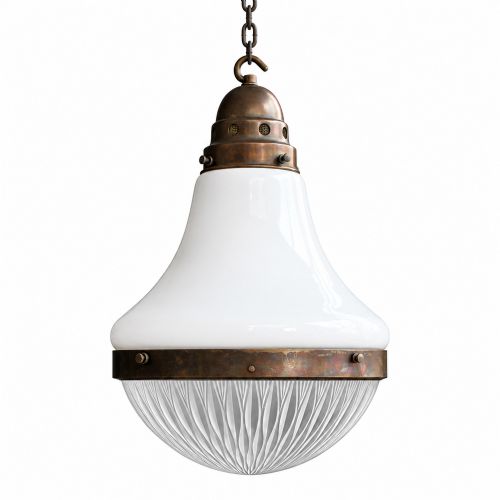
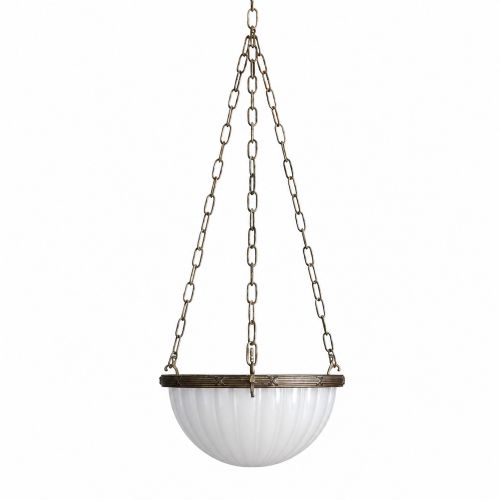
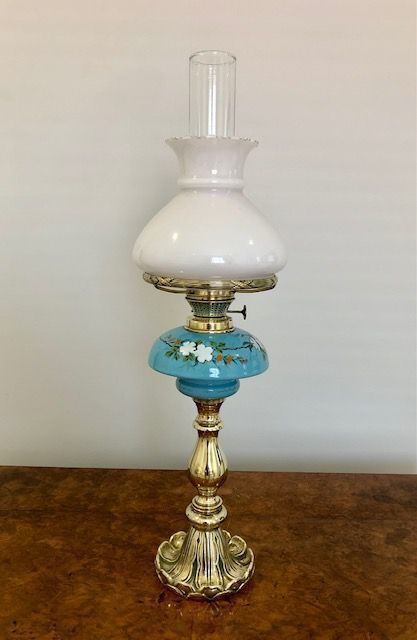
When you search for an opal glass shade fixture, you encounter a variety of lighting forms designed to spread gentle illumination rather than harsh direct glare. The selections span pendant lights, ceiling lights, and adapted oil lamps from the Victorian, Edwardian, and mid-century modern eras.
The most common examples on this page are early twentieth-century pendant lights and late nineteenth-century oil lamps featuring brass and glass components. These pieces originate from distinct stylistic movements, including Arts and Crafts, Gothic Revival, and Victorian design.
Makers and designers produced these fixtures in forms ranging from simple spherical bowls to elaborate pharmacy pendants and multi-globe chandeliers. Each object demonstrates the practical lighting needs of its period alongside decorative metalwork.
How they were made
The construction of these fixtures relies on the combination of blown or moulded glass shades paired with structural metalwork in brass and ceramic. Artisans formed the distinctive milky shades using opaline, moonstone, or opalescent glass to achieve the characteristic soft diffusion of light.
Metal mounts, chains, and galleries secure the glass bowls, utilising the durable properties of brass to support heavy lamp bodies and oil reservoirs. Enamelling and surface detailing frequently decorate the glass or metal elements, reflecting the handcraft techniques of the nineteenth and early twentieth centuries.
Opal Glass Shade Fixture Retail Price Guide 2026
Typical asking prices for opal glass shade fixture among the pieces listed under this phrase on Sellingantiques today, from the lower quarter to the upper quarter. They describe what is for sale here now, not the wider market.
Pharmacy lighting required glass tough enough to survive bustling Victorian dispensaries while keeping the apothecary's calculations free from harsh shadows.
What varies in quality
The distinction between standard items and superior examples lies in the weight and depth of the glass, where thicker moonstone or opaline specimens display a richer density and milkiness. Finer pieces maintain substantial brass mountings with crisp casting detail rather than thin, pressed metal alternatives.
Design complexity also separates the ranges, as seen in pieces incorporating enamelled decoration or specialised regional moulding techniques. The integrity of the original pairing between the shade and its brass fixture determines the overall cohesion of the antique.
The Opal Glass Shade Fixture Glossary
- Opal glass
- A translucent, milky-white glass created by adding bone ash or chemical opacifiers to the molten batch. It diffuses light evenly while obscuring the internal bulb.
- Opaline glass
- A type of fine semi-opaque glass popular in the nineteenth century, often tinted in subtle pastel shades alongside the standard white. It provides a delicate decorative finish to lighting shades.
- Moonstone glass
- A specialised glass type known for its mottled, iridescent, or softly glowing texture resembling the gemstone. It creates atmospheric lighting effects within large pendant fixtures.
- Opalescent glass
- Glass that exhibits a milky bluish or milky amber turbidity when lit from different angles. It adds visual depth to Arts and Crafts and Edwardian pendant bowls.
- Gallery
- The metal ring or collar designed to grip the neck of a glass shade securely. It forms the structural connection between the shade and the suspension hardware.
Opal Glass Shade Fixture: Frequently Asked Questions
What is an opal glass shade fixture?
An opal glass shade fixture is a vintage or antique lighting piece that uses translucent milky glass to soften and diffuse illumination. These items include ceiling pendants, bowl lamps, and converted oil lamps.
They were originally designed for homes, shops, and institutions requiring glare-free lighting. Today, they remain popular for bringing period character and warm ambiance to interiors.
How do I date an antique glass pendant?
Dating involves examining the construction methods of the brass mounts, the weight of the glass, and stylistic markers such as Arts and Crafts or Victorian motifs. Screw threads, fitter sizes, and metal patination offer further clues to the decade of manufacture.
Early twentieth-century pieces often feature heavier brass galleries and distinct moulding patterns compared to later reproductions. Comparing the shade type with documented period catalogues helps confirm the era.
Were these fixtures originally oil lamps?
Many Victorian examples began their existence as burning oil lamps before being converted to electricity during later modernization projects. This transition preserved the decorative brass reservoirs and burners while adapting the piece for modern wiring.
Converted lamps retain the substantial weight and proportions characteristic of nineteenth-century domestic lighting. They offer a unique blend of historical function and contemporary utility.
How do I clean antique glass shades?
Cleaning requires gentle washing with warm water and mild soap to remove dust and historical grime without damaging the glass surface. A soft cloth prevents scratching the delicate interior or exterior finish.
Harsh chemical cleaners and abrasive pads must be avoided to protect the original patina on both the glass and the brass mounts. Careful handling ensures the longevity of fragile antique fittings.