



Brass Hanging Light Pair
A brass hanging light pair brings balanced illumination and period presence to a hall or principal room.
Brass Hanging Light Pair
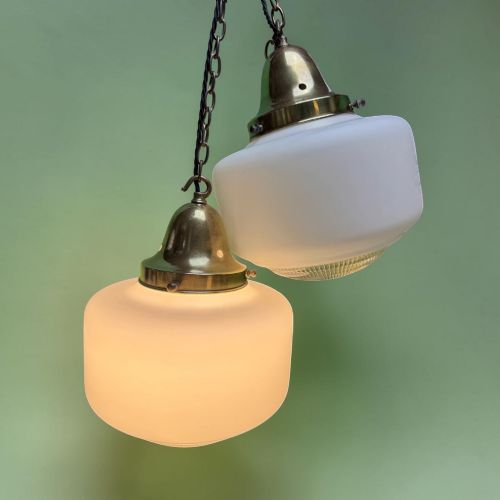
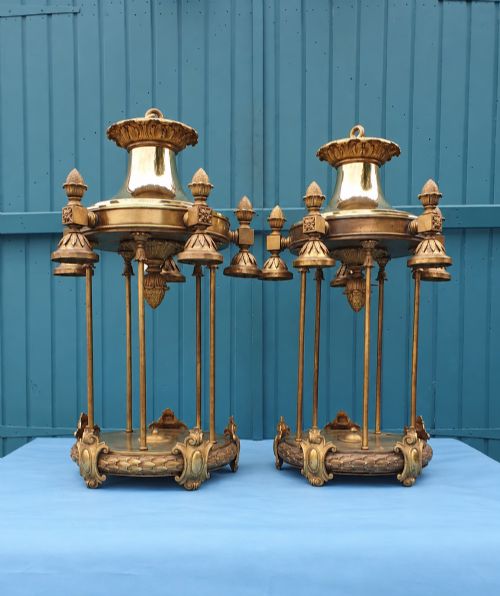
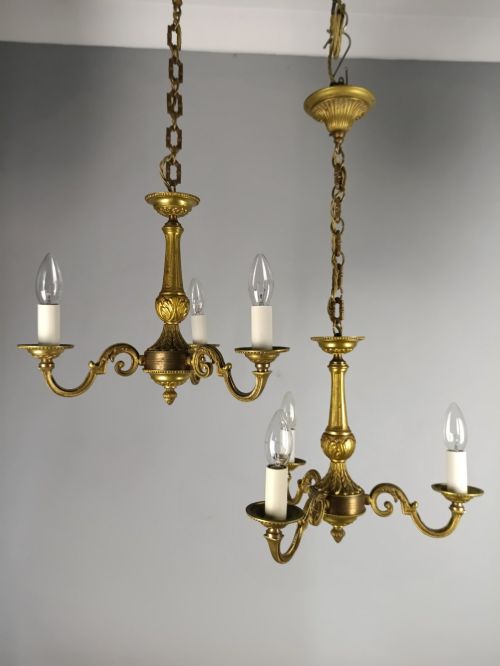
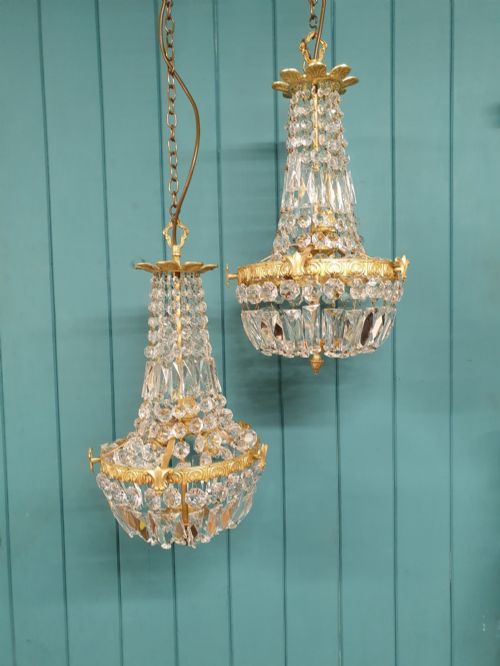
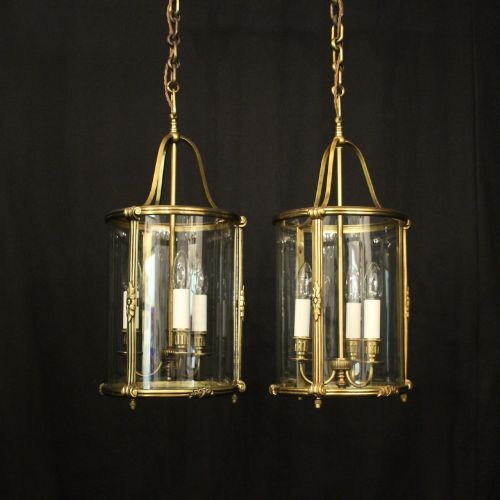
A brass hanging light pair comprises matching suspended illumination fixtures predominantly utilised in entrance halls, stairwells and reception rooms. When searching for a brass hanging light pair, buyers encounter diverse configurations spanning pendant lights, multi-arm chandeliers and enclosed lanterns. The selection ranges from compact Edwardian spike fixtures to monumental French architectural lanterns dating from the late nineteenth century to the mid-twentieth century.
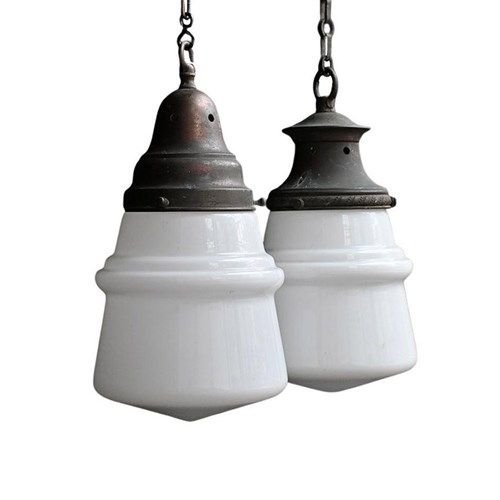
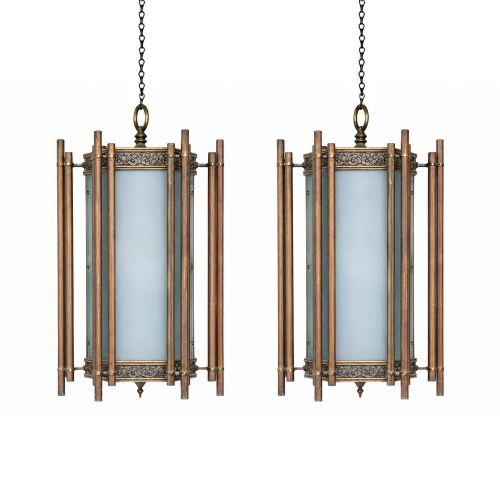
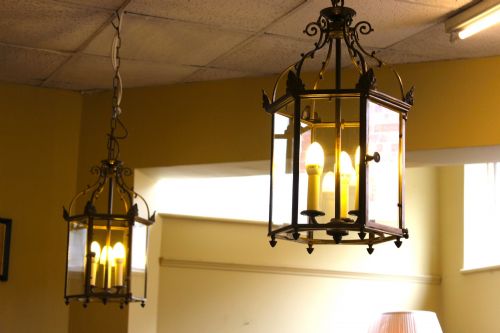
The prevalent examples on this page date from the Edwardian era through the nineteen-thirties, reflecting the stylistic shifts of the early twentieth century. Common formats include hexagonal and convex brass lanterns alongside opaline glass pendants and cut glass tent chandeliers. These matched sets provide symmetrical impact, which traditional interior schemes require for proper visual balance.
Materials and construction methods
Construction relies heavily on cast and spun brass, often paired with steel internal frames and gilded bronze or ormolu mounts. Workshops utilised robust metalwork techniques to support heavy glass elements, including leaded panels and convex panes. Many pieces incorporate decorative metal casting associated with French classical and neoclassical revival aesthetics.
Light diffusion and brilliance are achieved through integrated glass components such as cut crystal, mercury mirrored glass and opaline glass. These materials work in tandem with the metallic framework to disperse illumination effectively within large spaces. Artisans joined the metal and glass elements using traditional fixings, collars and decorative bezels characteristic of early twentieth-century lighting manufacture.
Brass Hanging Light Pair Retail Price Guide 2026
Typical asking prices for brass hanging light pair among the pieces listed under this phrase on Sellingantiques today, from the lower quarter to the upper quarter. They describe what is for sale here now, not the wider market.
The documented periods span from the nineteenth century through the Edwardian era to Art Deco and mid-century designs.
Distinctions in manufacture and scale
Quality variation stems from the intricacy of the metal casting and the depth of the finish, whether gilt bronze, silver gilt or polished brass. Superior pieces exhibit crisp chasing on bronze mounts and substantial metal gauges rather than thin pressed sheet metal. The presence of hand-cut crystal prisms or specialised opaline glass distinguishes finer production from standard commercial output.
Scale and proportion also define the upper tier of these fixtures, particularly in monumental lanterns and multi-light chandeliers designed for grand country houses. The integration of complex multi-tier frames, such as tent chandeliers with extensive crystal beadwork, indicates higher ambition in design and execution. Original surface patination and structural integrity further separate standard utilitarian fixtures from high-status decorative lighting.
The Brass Hanging Light Pair Glossary
- Opaline glass
- A milky, translucent white glass utilised in shades to soften light output and reduce glare. It became popular during the nineteenth and early twentieth centuries for pendant fixtures.
- Ormolu
- Gilded bronze, where a fine layer of gold is applied to a base of copper and zinc. This technique was frequently employed on French neoclassical and revival chandeliers.
- Tent chandelier
- A lighting fixture featuring an upper crown from which strings of cut glass beads drape downward in a tent-like canopy. These designs maximise optical refraction from internal candle-holders or bulbs.
- Hexagonal lantern
- A hanging light enclosed by six glass panes set within a rigid metal frame. This geometric form protects the light source from drafts in hallways and exterior porches.
- Spike chandelier
- A compact chandelier design featuring a central vertical spike or drop pendant from which multiple light arms radiate. They are frequently encountered in Edwardian domestic interiors.
Brass Hanging Light Pair: Frequently Asked Questions
Where should I hang a brass pair?
Matched hanging fixtures suit symmetrical spaces such as long entrance halls, flanking double doors or positioned above a central dining table. Their dual presence creates visual equilibrium that single pendants cannot achieve.
Ensure adequate ceiling height for suspended lanterns and chandeliers, particularly in high-traffic corridors where clearance is essential for movement.
How do I identify Edwardian period lights?
Edwardian lighting often combines functional brass frameworks with simpler glass shades or compact spike configurations. The decorative vocabulary draws on classical restraint rather than heavy Victorian ornamentation.
Look for honest metal construction methods, standard screw-threaded fittings of the era, and characteristic proportions designed for suburban villas and townhouses.
Can these lights be rewired safely?
Vintage electrical components should be replaced to meet modern safety standards by a qualified electrician. Most frames accommodate standard internal lamp holders without altering the exterior metalwork.
Preserving the original ceiling roses and chain suspensions while updating internal wiring maintains historical integrity alongside safe domestic operation.
What maintenance do brass and glass require?
Dust glass panels and crystal drops regularly with a soft cloth to maintain light transmission and sparkle. Avoid abrasive cleaning compounds that strip the natural age patination from brass surfaces.
Periodic checks of suspension chains and ceiling fixings ensure secure installation for heavier lanterns and multi-light chandeliers.