

Old Sheffield Plated
Old sheffield plated pieces are fused copper and silver tableware items combining warmth and lustre for everyday service.
Old Sheffield Plated
Old sheffield plated items comprise domestic and dining silverwares produced from the eighteenth century into the nineteenth century. When examining this selection, buyers encounter functional and decorative forms spanning the Georgian, Regency and Victorian eras.
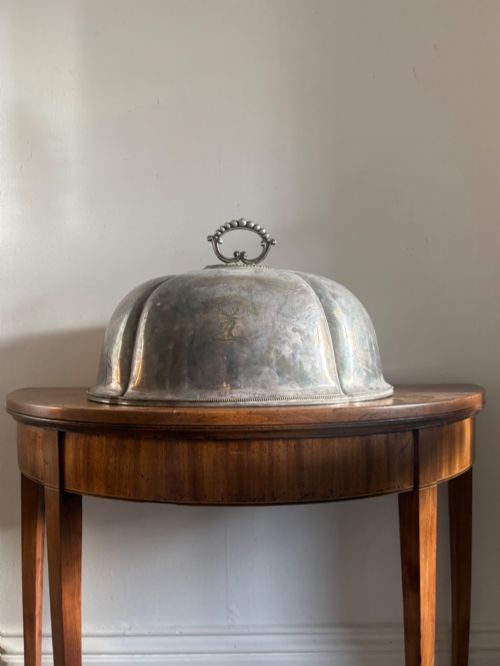
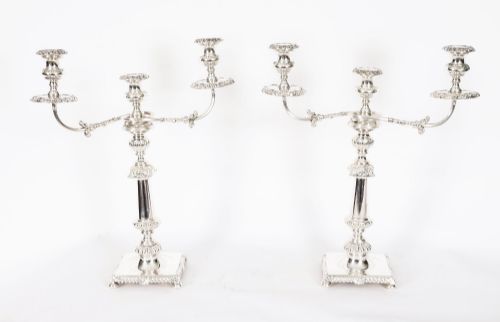
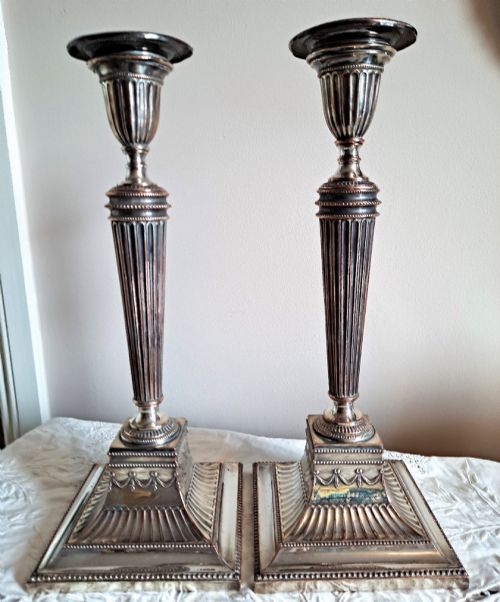
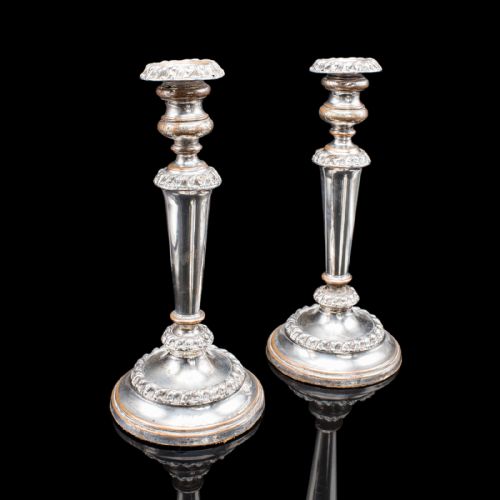
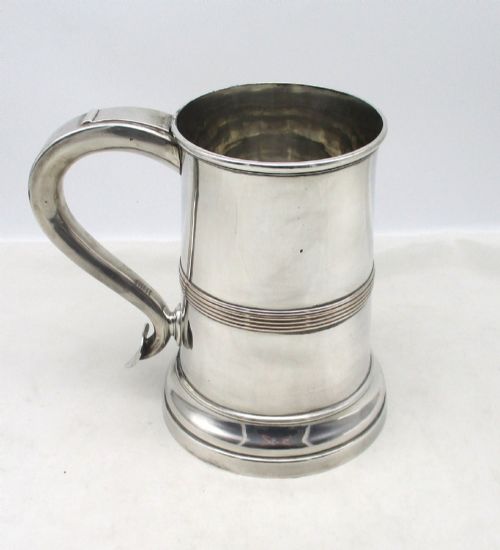
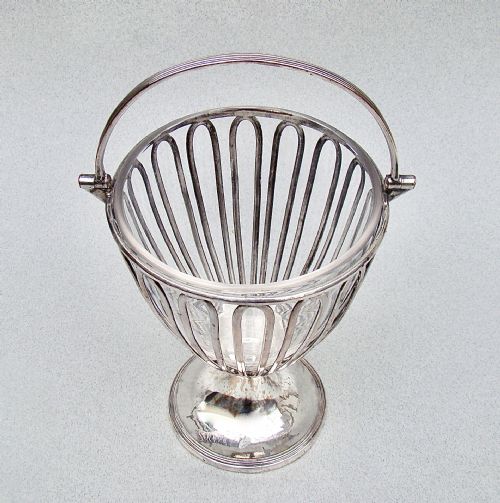
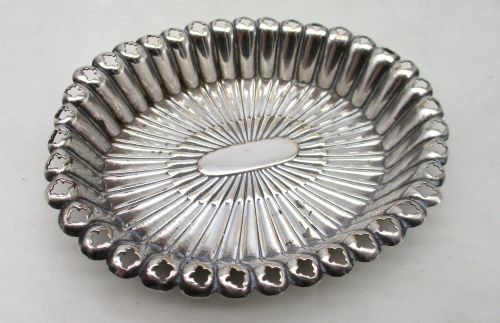
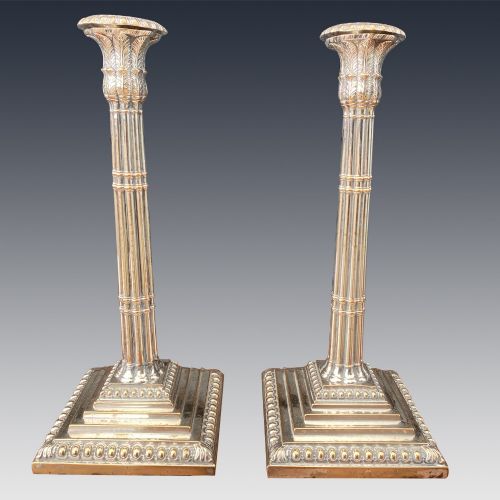
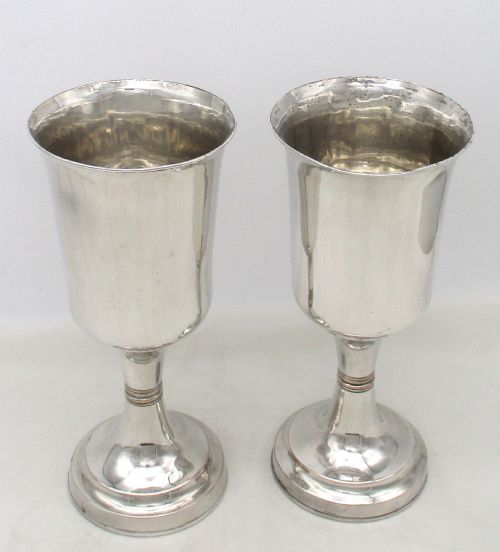
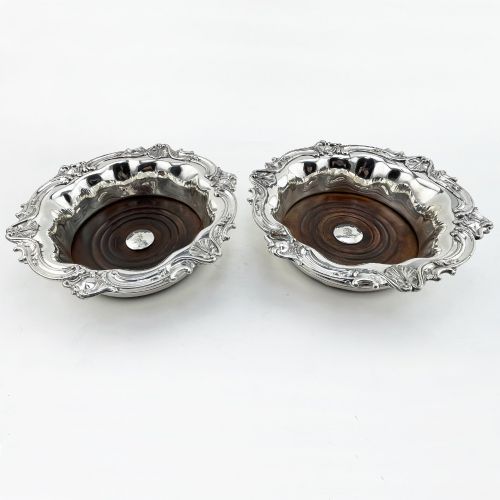
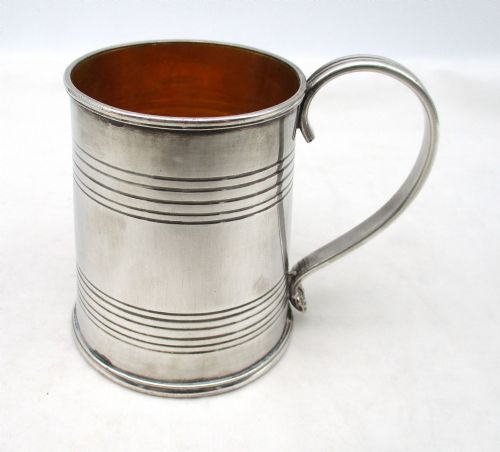
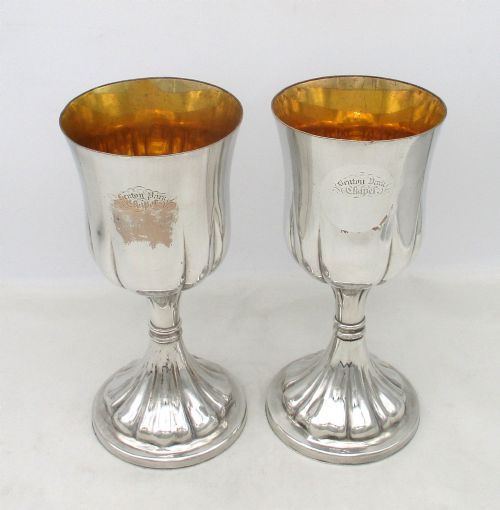
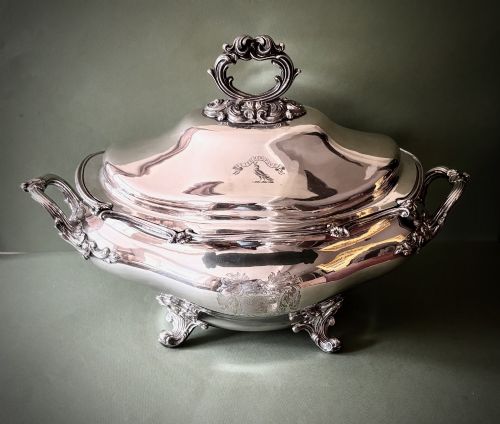
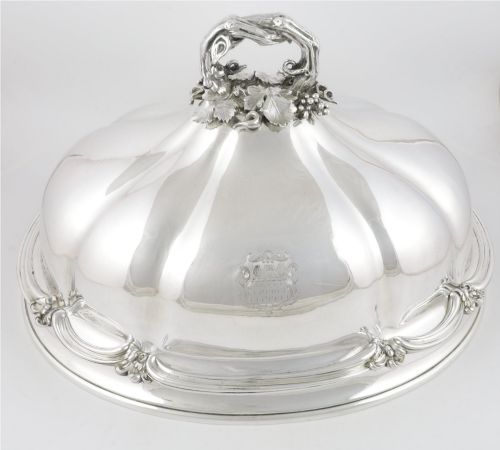
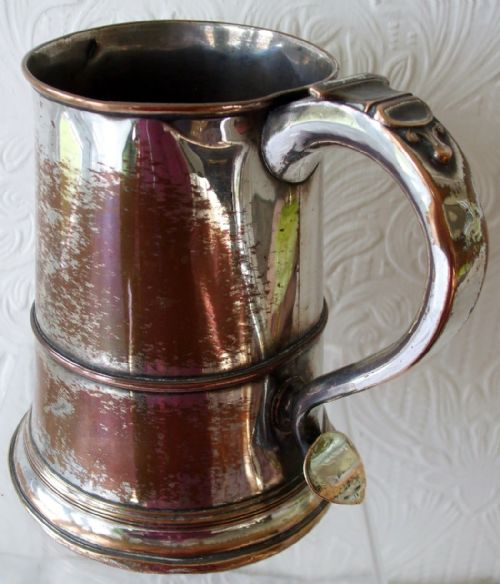
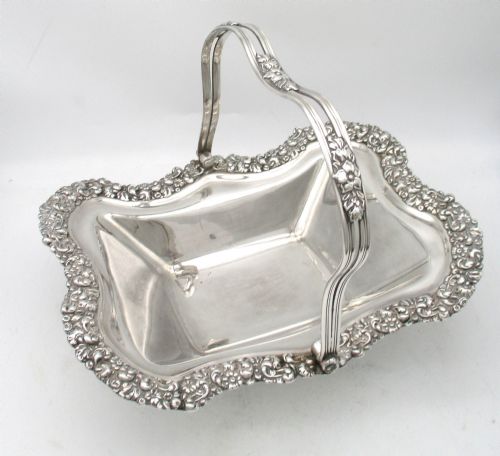
The objects appearing in this inventory include candlesticks, wine coasters, tankards, coffee pots, wine coolers, trays, chalices and meat domes. Domestic pieces such as baskets, sauce tureens, perfume funnels and sugar vases also recur across the periods.
Makers and workshops working within the Georgian and subsequent styles utilised this fused plate technique to supply households with substantial serving vessels and table ornaments. The material bridges the gap between solid silver and plated wares through its distinctive layered composition.
Materials and Technique
Old sheffield plated items were created through a fused plating method that bonded a thin sheet of silver to a thicker copper core by heating them under pressure. This fusion process resulted in a composite sheet that was subsequently hammered, spun or raised into specific forms.
Additional elements such as wirework, mahogany bases, nailsea glass and silver edges were incorporated to finish handles, rims and mounts. Details including crests and coats of arms were often engraved into the silver surface after construction.
Old Sheffield Plated Retail Price Guide 2026
Typical asking prices for old sheffield plated among the pieces listed under this phrase on Sellingantiques today, from the lower quarter to the upper quarter. They describe what is for sale here now, not the wider market.
Listings incorporate items from the eighteenth and nineteenth centuries, featuring materials such as copper, mahogany, glass and silver plate.
Variations in Quality
Quality in old sheffield plated pieces depends largely on the precision of the initial metal fusion and the preservation of the outer silver layer. Superior examples retain crispness in chased ornament and structural integrity across joints and mounts.
The relative skill involved in concealing copper seams at edges and joints distinguishes finer workshops from more utilitarian production. Proportion, weight and the clarity of maker marks or crests further separate standard domestic items from exceptional commissions.
Roberts Cadman·Henry Wilkinson·Creswick·Richard Morton·Matthew Boulton·John Hoyland·Padley Parkin
The Old Sheffield Plated Glossary
- Old Sheffield Plate
- A composite material made by fusing silver to a copper ingot. This technique preceded electroplating and produced durable tableware.
- Meat Dome
- A large cover placed over joints of meat to retain heat on the dining table. These pieces often feature engraved crests and sturdy handles.
- Wirework
- Openwork metal construction formed from intersecting wires. It appears frequently on baskets and sugar vases.
- Sconce
- The detachable nozzle fitted into the top of a candlestick to catch melting wax. Removable components assist with cleaning.
- Wine Cooler
- A vessel designed to chill bottles at the dining table. These items are often heavy and ornamented with classical motifs.
Old Sheffield Plated: Frequently Asked Questions
How do I clean old sheffield plated items?
Clean these surfaces gently using non-abrasive silver polish and a soft cloth to protect the underlying copper layer. Avoid harsh dips that can strip the remaining silver.
Regular dusting and careful handling prevent the accumulation of grime in chased details and engraved crests.
Can I use these pieces for dining today?
Many items remain entirely suitable for contemporary dining and serving use. Trays, coasters and wine coolers function precisely as intended centuries ago.
Care should be taken with moisture and acidic foods to preserve the historical surfaces and soldered joints.
How do I identify old sheffield plate from electroplate?
Old sheffield plate often reveals a thin line of dark copper visible along exposed edges where the sheets were joined or cut. Electroplated items lack this sandwich effect and typically show base white metal underneath worn spots.
Examining the weight and construction methods also helps differentiate fused plate from later manufacturing techniques.
What periods do these pieces represent?
The inventory spans the Georgian, Regency, Victorian and William IV periods, covering production from the eighteenth century through the nineteenth century. Stylistic shifts move from rococo revival and neoclassical designs toward Victorian elaboration.
Dates associated with specific items generally reflect the Georgian and Victorian eras.