



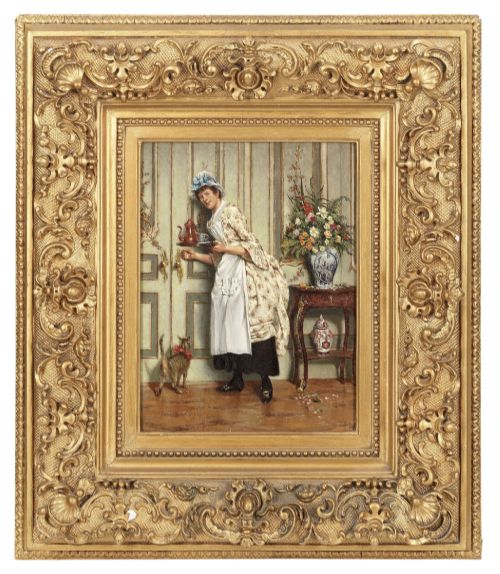
Oil Painting on Wood
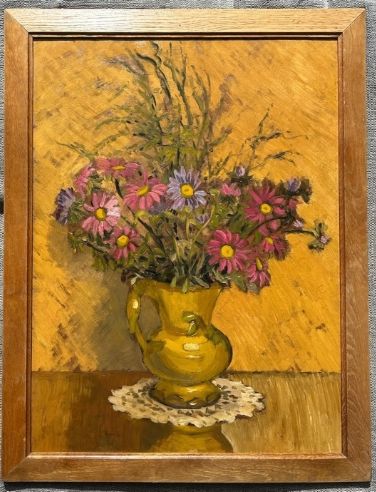
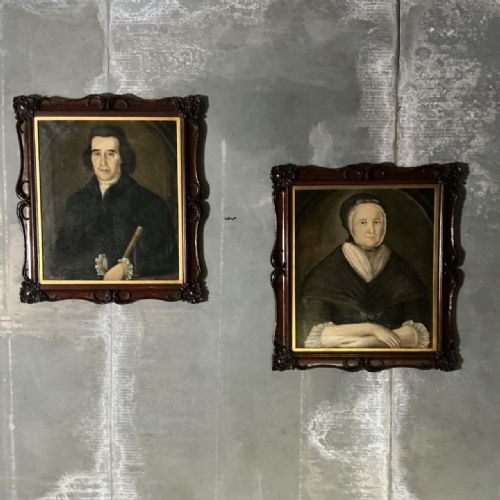
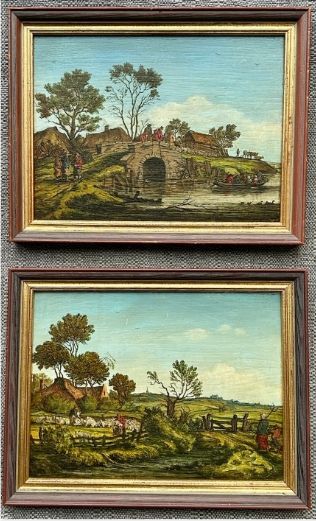
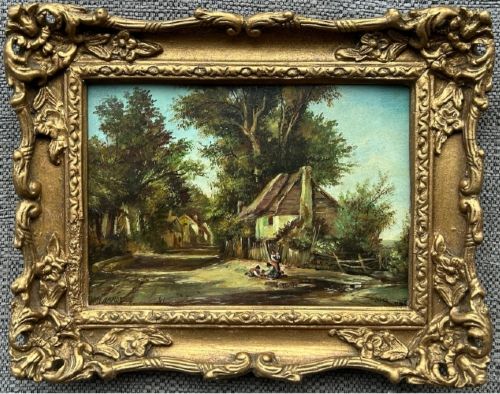
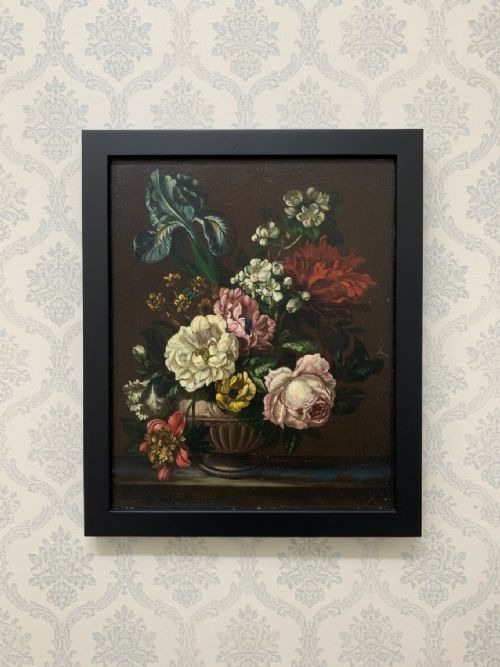
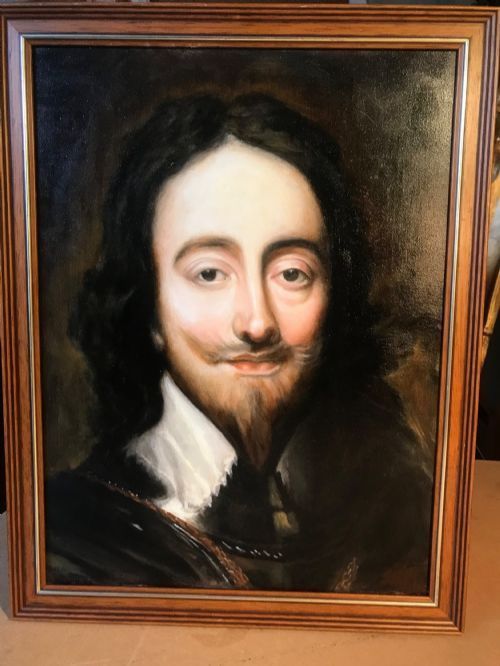
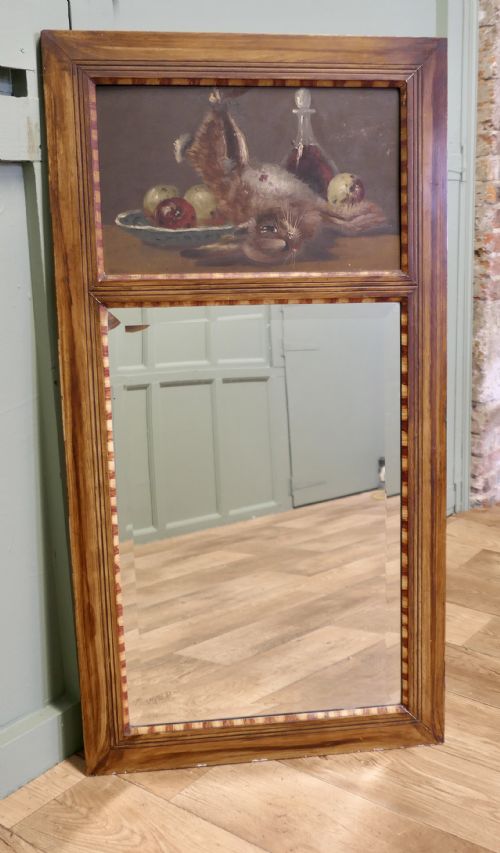
When searching for an oil painting on wood, collectors find historical portraits, pastoral landscapes and still life studies painted directly on rigid timber panels.
Oil Painting on Wood
Buyers examining an oil painting on wood encounter rigid panel supports utilised by artists across multiple centuries. The selection ranges from early portraits by the English and Dutch schools to nineteenth-century landscape scenes and mid-twentieth-century board studies.
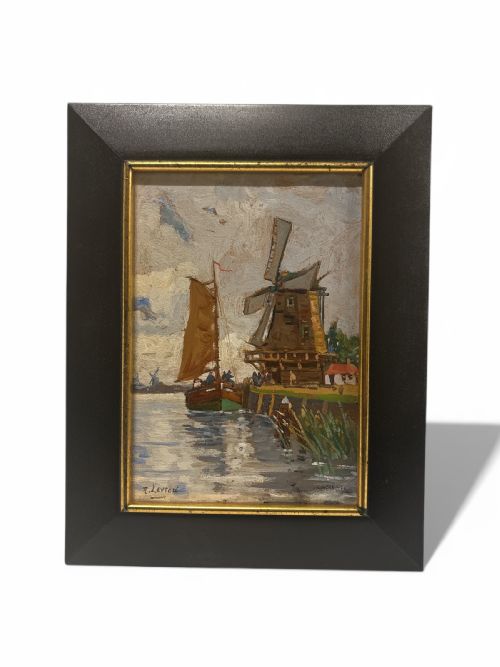
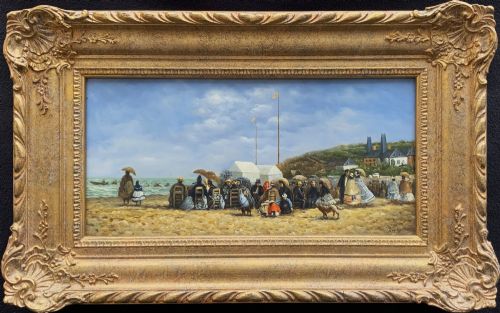
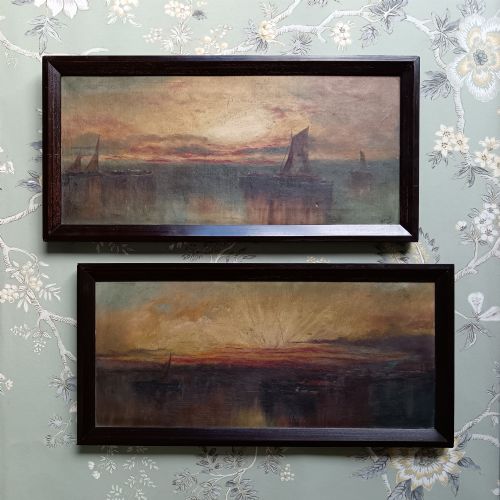
Most examples met on this page date from the nineteenth century, featuring rural English landscapes, marine views or formal portraiture executed on mahogany or oak panels. These works often display the tight grain and stable surface characteristic of older wooden supports.
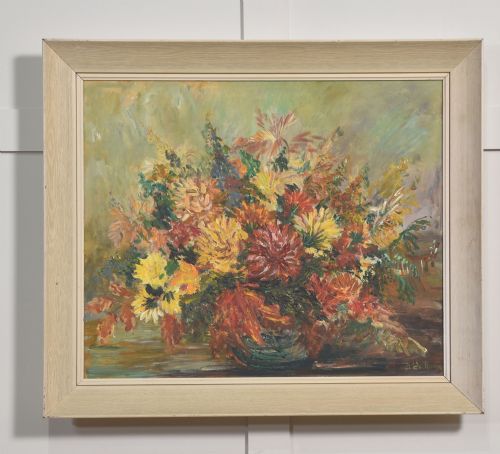
Earlier seventeenth and eighteenth-century examples appear alongside twentieth-century board paintings, offering diverse subjects from still life compositions to coastal scenes. The category bridges traditional panel painting methods and later twentieth-century board supports.
How They Were Made
Artists painted using oil pigments applied to prepared wooden panels, mahogany boards or fibrous wall boards. The preparation often involved priming the timber surface to receive the oil medium and secure the paint layer.
Makers utilised seasoned timber panels, sometimes supported by cradling frames on the reverse to prevent warping over time. Brushwork ranges from tight, academic glazing on early panels to looser, impressionistic strokes on later board supports.
Listings feature wooden supports spanning from the seventeenth century through to the nineteen-fifties, utilising oak, mahogany and prepared boards.
What Varies In Quality
The condition and preparation of the wooden panel itself influence the integrity of the piece. Stable timber without historical splits or excessive thinning provides a superior foundation for the pigment layers above.
Joseph Clover RA·Sir Joshua Reynolds·Michael Dahl·Sir Godfrey Kneller
The Oil Painting on Wood Glossary
- Panel
- A flat piece of wood used as a support for painting instead of canvas. Artists frequently selected oak or mahogany for this purpose.
- Board
- A manufactured or compressed wooden sheet utilised as a painting support, commonly seen in twentieth-century works. It offers a rigid alternative to traditional stretched fabric.
- Gilt frame
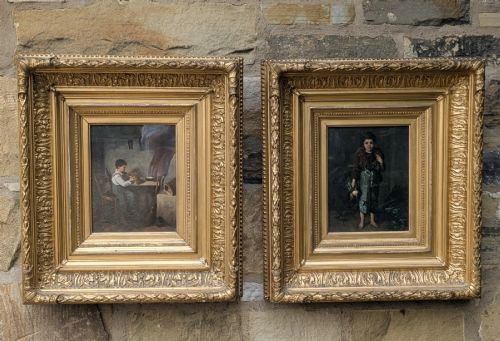
- A wooden picture surround covered with a thin layer of gold leaf or metallic gilt finish. These decorative mounts often date to the same period as the artwork.
- Still life
- An artwork depicting inanimate subject matter, typically commonplace objects such as fruit, flowers or tableware. Such compositions allowed painters to demonstrate skill in texture and light.
- Provenance
- The documented history of ownership associated with an artwork. Records of past owners help establish authenticity and historical context.
Oil Painting on Wood: Frequently Asked Questions
How do I clean an oil painting on wood?
Dust the surface gently with a soft, dry brush to remove loose particles without pressing into the paint layer. Avoid using water, household cleaners or moisture on exposed timber or pigment.
Professional conservation is required for deeper cleaning or varnish removal. Improper liquids can damage both the oil medium and the underlying wood panel.
Why did artists paint on wood instead of canvas?
Wood panels provided a completely rigid and smooth surface that allowed for minute detail and fine blending. Painters favoured timber supports before canvas became widely standardised in European art.
Panels also offered greater durability against punctures during transport. Many early portraitists and landscape painters preferred the predictable resistance of a solid wooden board.
How can I tell the age of the wooden panel?
Examine the reverse of the support for tool marks, grain patterns and method of preparation. Older panels often display hand-sawn surfaces, pegged construction or historical framer's stamps.
Wood shrinks and darkens over centuries, acquiring a dry patina on the unpainted back. Comparing the panel construction methods helps separate early works from later board paintings.
Where should I hang a panel painting?
Position the piece away from direct sunlight, heating vents and damp walls. Stable indoor environments prevent the wood from expanding or contracting too rapidly.
Wood is sensitive to humidity changes, which can cause the panel to bow or the paint to crack. Consistent room conditions preserve the stability of both timber and pigment.