







Oil Canvas Woodland
These oil canvas woodland works capture centuries of natural scenery through layered pigments and textured brushstrokes.
Oil Canvas Woodland
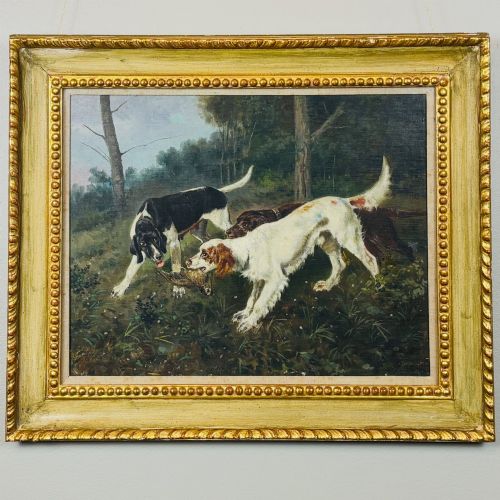
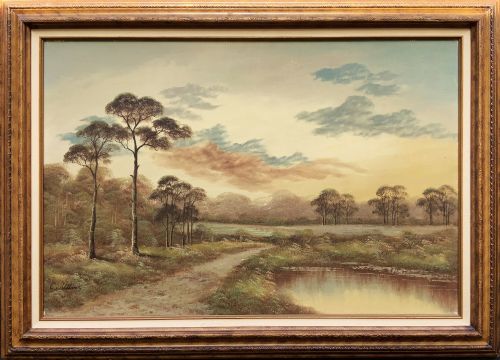
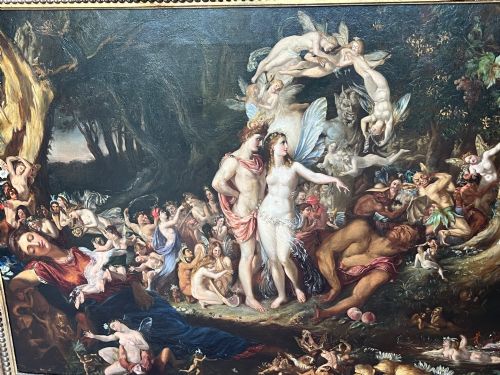
An oil canvas woodland painting presents natural landscapes, often featuring trees, paths, rivers, and occasional figures, created across multiple centuries. The selection spans Victorian naturalism and British impressionism through to mid-century and post-war interpretations.
Makers range from named regional artists and school affiliates to broader continental and British traditions. These artworks scale from intimate framed studies to large exhibition pieces depicting seasonal shifts from spring blossoms to winter frosts.
How They Were Made
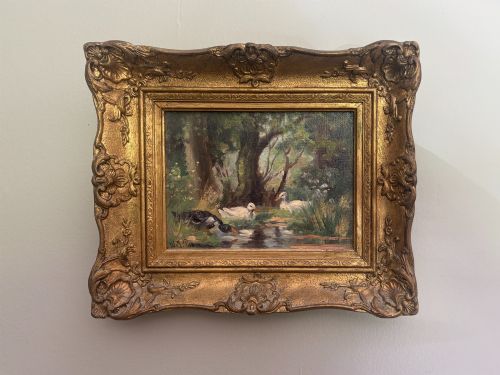
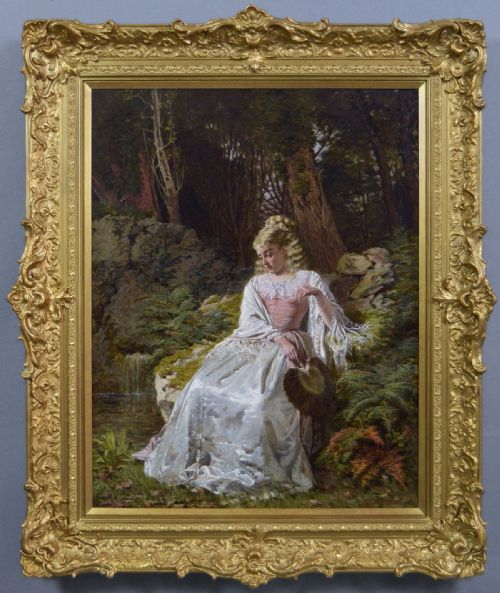
Artists painted primarily with oil pigments applied onto stretched woven canvas supports, sometimes laid over board. Gesso and giltwood frames frequently enclose the works, providing structural support and decorative borders.
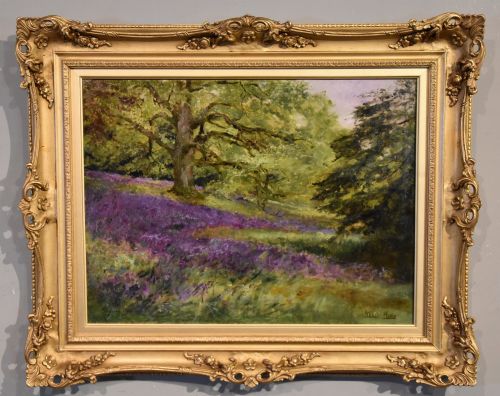
Brushwork varies from tight academic detail capturing individual foliage to loose impressionistic strokes rendering light filtering through a woodland canopy.
Oil Canvas Woodland Retail Price Guide 2026
Typical asking prices for oil canvas woodland among the pieces listed under this phrase on Sellingantiques today, from the lower quarter to the upper quarter. They describe what is for sale here now, not the wider market.
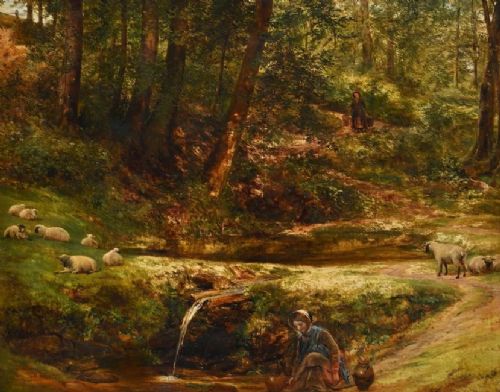
Sheep-droving scenes occasionally share forest paths with Victorian children picking wildflowers.
What Varies in Quality
Depth of atmosphere and confidence of brushwork separate master compositions from routine decorative output. A skilled hand controls the interplay of light and shadow across forest floors and tree trunks to create spatial illusion.
Condition of the pigment layer, stability of the canvas weave, and the integrity of the original frame contribute significantly to the enduring standing of a piece.
Sir Joseph Noel Paton·Richard Sebastian Bond·Thomas W Lascelles·Paul Désiré Trouillebert·Ernest Higgins Rigg
The Oil Canvas Woodland Glossary
- Canvas
- A heavy woven fabric stretched tightly across a wooden frame to serve as the foundational painting surface. It provides the tensile strength necessary to hold layers of dried oil paint.
- Barbizon School
- A nineteenth-century French movement focused on plein-air landscape painting rooted in realism. Painters within this circle emphasised natural scenery and atmospheric woodland lighting.
- Giltwood
- Wood carved and coated with a thin layer of gold leaf or metallic powder. This material frequently frames nineteenth-century paintings to enhance their visual weight.
- Impressionism
- An art style characterised by relatively small, thin yet visible brush strokes and open composition. The approach prioritizes accurate depiction of light in its changing qualities.
- Provenance
- The chronological documentation showing the custody, control, and ownership history of an artwork. Verified records help establish authenticity and past exhibition history.
Oil Canvas Woodland: Frequently Asked Questions
How do I date an oil canvas woodland?
Dating relies on stylistic clues, canvas preparation, and framing techniques typical of specific eras like the Victorian period or mid-century modernism. Signatures, inscriptions on the reverse, and documented artist working dates narrow the timeline further.
Material analysis of the stretcher bars and nails also helps confirm whether a painting originates from the seventeenth century or the twentieth century.
Where should I hang a woodland oil painting?
These landscapes suit spaces with controlled natural light, away from direct sunlight and excessive moisture sources like working fireplaces. A stable indoor climate protects both the canvas tension and the delicate oil pigments over time.
Pairing the scale of the painting with appropriate wall dimensions ensures the artwork anchors the room effectively without visual overcrowding.
What subjects appear alongside trees in these scenes?
Woodland compositions frequently incorporate figures such as travellers, children gathering firewood, figures picking flowers, or animals including cattle, deer, and dogs. Architectural elements like cabins, gates, and country lanes also appear across various periods.
These additions introduce narrative depth and scale to the overarching natural environment.
How do I care for antique oil paintings?
Maintenance involves dusting the canvas surface and ornate frames gently with a soft, dry, lint-free cloth. Avoid chemical cleaners or moisture, which can damage aged oil paint and exposed canvas weave.
Professional conservators should handle any structural repairs, canvas tightening, or deep cleaning to preserve the integrity of the artwork.