
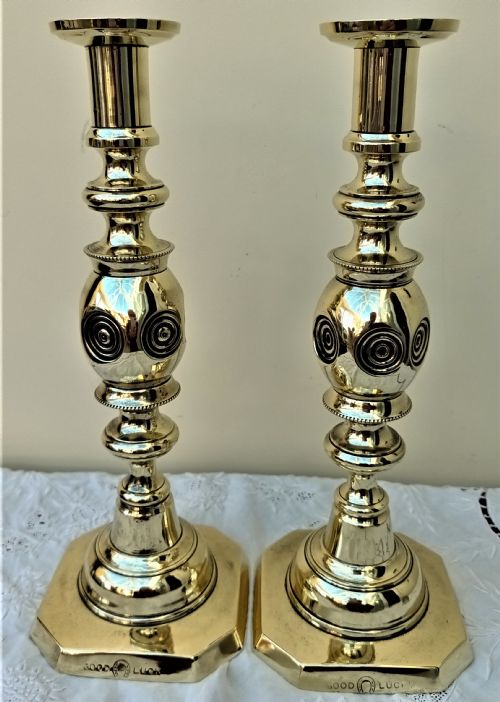
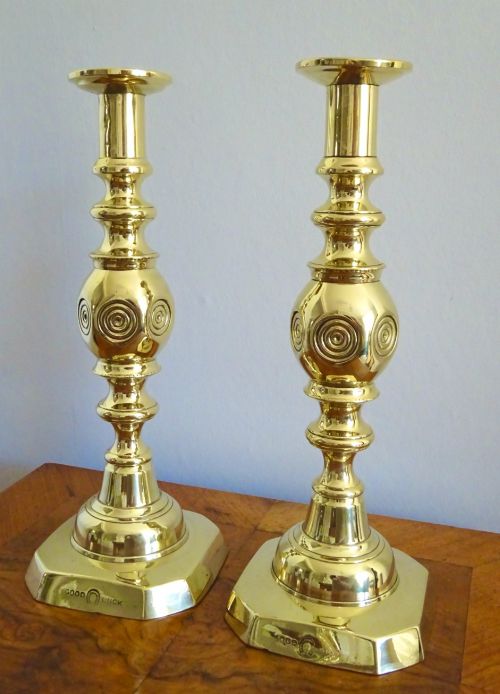


Octagonal Base Candlesticks
Octagonal base candlesticks offer a rigid geometric form that anchors a dining table or mantelpiece with architectural gravity.
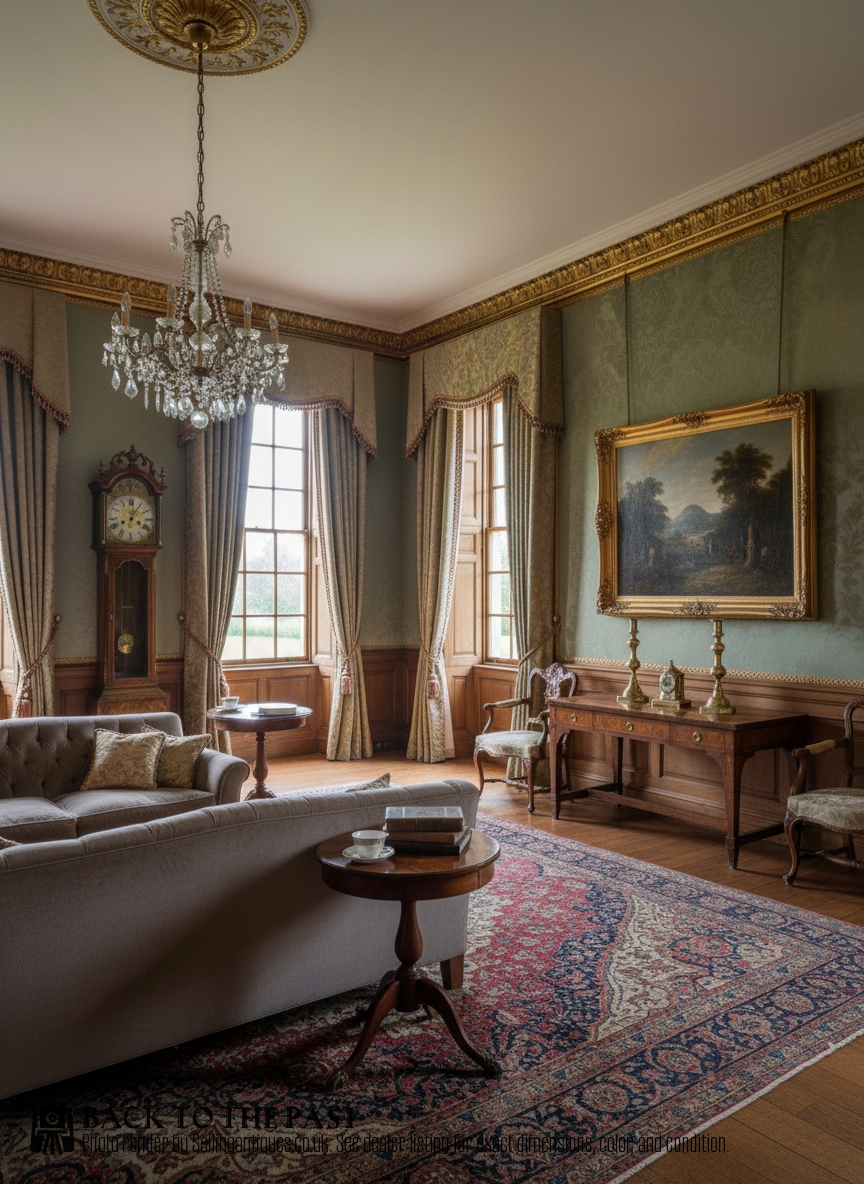
Octagonal Base Candlesticks
Octagonal base candlesticks provide a stable footing through eight-sided pedestals that transition into faceted or turned columns. These lighting pieces emerge most frequently in solid brass across the eighteenth and nineteenth centuries, alongside silver plate and sterling silver variants.
The inventory on this page spans from early Georgian and Queen Anne examples to Victorian productions and later revivals. Buyers encounter pairs predominantly, though single sticks and matched candelabra also appear alongside converted table lamps.
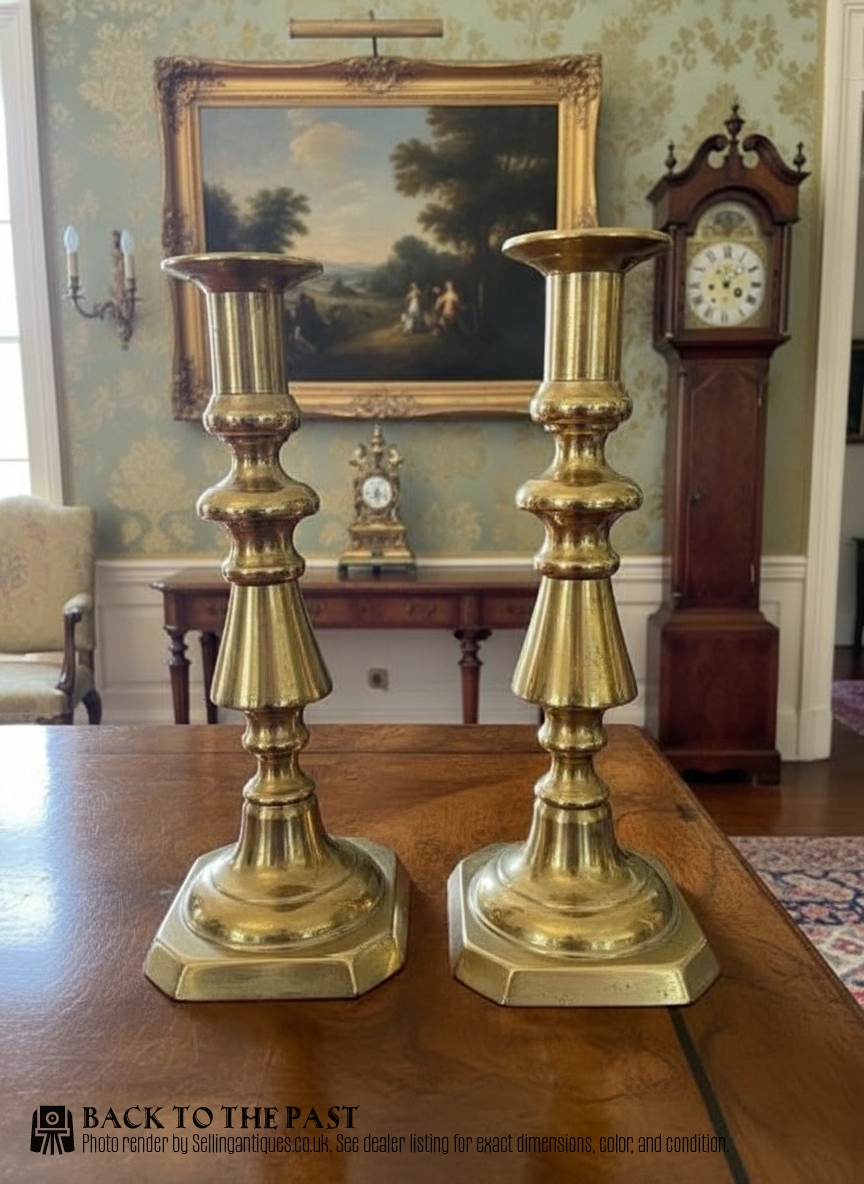
How they were made
Early brass examples utilise sand casting or lost-wax techniques, resulting in heavy components that are turned on a lathe for final definition. Silver and silver plated iterations involve sheet metal rolling, spinning, and soldering over supportive internal cores.
Makers incorporate decorative details such as tear drop columns and stepped bases to add visual depth to the metallic surfaces. Components are assembled by brazing, pinning, or screwing individual cast sections together into a single rigid structure.
Octagonal Base Candlesticks Retail Price Guide 2026
Typical asking prices for octagonal base candlesticks among the pieces listed under this phrase on Sellingantiques today, from the lower quarter to the upper quarter. They describe what is for sale here now, not the wider market.
One Victorian brass pair wears the cheerful moniker 'good luck', reminding us that brass-founders enjoyed a touch of superstition by the hearth.
What varies in quality
Quality rests in the crispness of the facet junctions on the base and the overall weight distribution of the metal. Superior examples exhibit precise geometric lines and substantial metal thickness rather than thin, pressed components that flex under pressure.
The integrity of the original construction, including unaltered sockets and undamaged bases, separates workshop pieces from heavily restored or later reproduction items. Maker stamps from established firms like Elkington and Co or James Dixon and Sons add documentary weight to silver and plated pieces.

James Dixon and Sons
The Octagonal Base Candlesticks Glossary
- Octagonal base
- A foot piece formed with eight distinct flat sides rather than a standard round or square profile. This geometry provides both stability and a characteristic play of light across the angles.
- Tear drop column
- A stem design featuring an elongated swelling shape that resembles a falling droplet of water. This form adds organic softness above the rigid geometry of the base.
- Sterling silver
- A silver alloy containing ninety-two point five percent pure silver and seven point five percent other metals, usually copper, for durability. Hallmarks stamped into the metal verify its standard and origin.
- Silver plate
- A layer of silver fused or electroplated onto a base metal such as copper or a white metal alloy. This technique offered the visual richness of solid silver at a lower production cost.
- Candelabra
- A branched lighting fixture designed to hold multiple candles simultaneously. These pieces often share the same faceted base styling as single candlesticks.
Octagonal Base Candlesticks: Frequently Asked Questions
How do I date an octagonal base candlestick?
Dating relies on observing the construction methods, wear patterns, and stylistic cues such as stepped bases or column turning. Early pieces often show cast imperfections and heavier metal weight compared to later Victorian or revival versions.
Maker marks and silver hallmarks provide exact years where present, while unmarked brass pieces require comparison with established period typologies.
Are these candlesticks safe for modern use?
These pieces were designed for traditional wax candles and generally accommodate standard taper sizes. Care must be taken to ensure the candle fits securely in the socket to prevent dripping.
Converted table lamps incorporate electrical wiring that should be inspected by a qualified professional before plugging into a modern circuit.
How should I clean antique brass candlesticks?
Maintenance requires gentle dusting with a soft cloth to preserve the accumulated surface character known as patina. Aggressive metal polishes strip away age and can damage underlying details.
If cleaning is necessary, use a mild non-abrasive soap solution and dry thoroughly immediately afterward to prevent water spotting.
What is the difference between Georgian and Victorian styles?
Georgian pieces from the eighteenth century tend to feature cleaner lines, heavier cast brass construction, and simpler architectural proportions. Victorian interpretations often introduce heavier ornamentation and stylized decorative motifs.
Revival pieces from the late nineteenth and twentieth centuries deliberately copy these earlier forms, sometimes incorporating hallmarks that reveal their true date of manufacture.