



Ochre Landscape Artwork
Ochre landscape artwork captures pastoral scenes and cities in warm, earthy tones across Victorian and mid-century periods.
Ochre Landscape Artwork
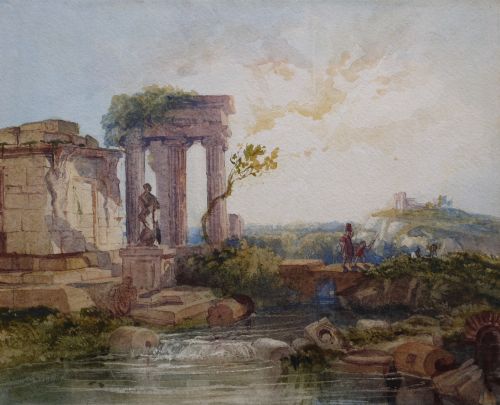
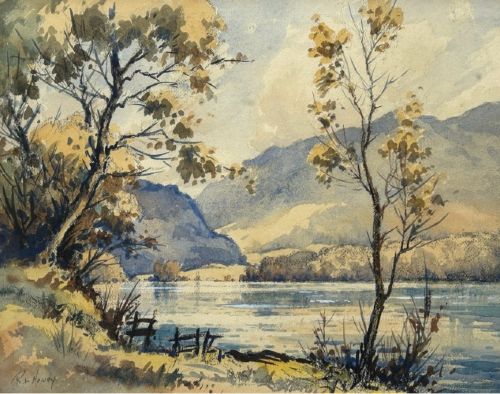
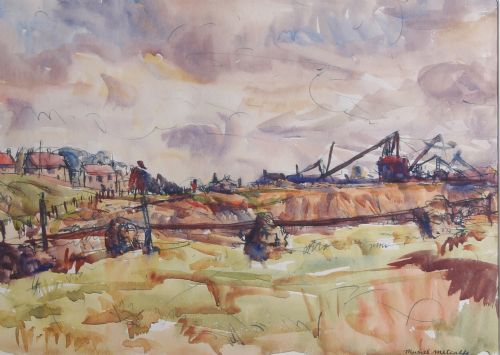
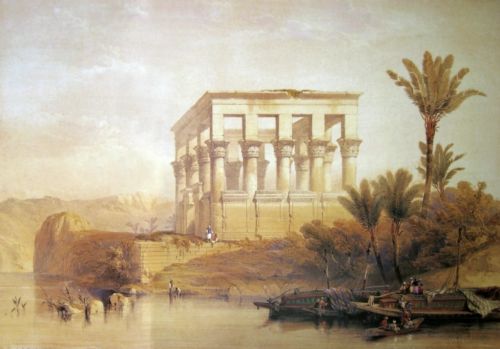
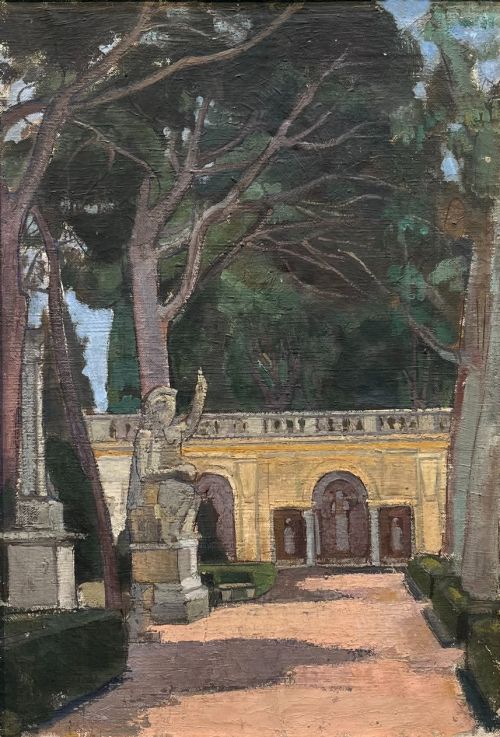
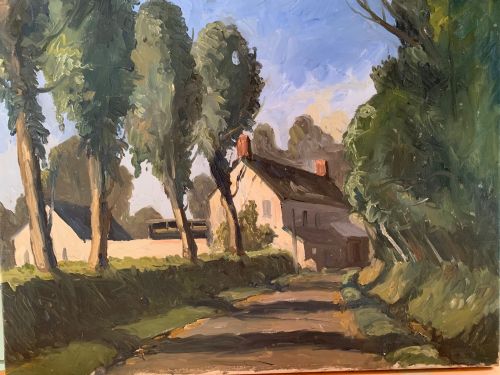
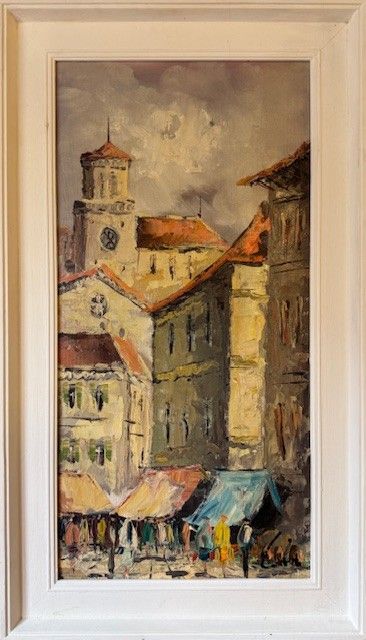
An ochre landscape artwork encompasses painted views on paper, canvas, and wood panels spanning from the nineteenth century to the mid-twentieth century. These works range from British watercolour scenes of hills and market squares to French post-impressionist plein air boards.
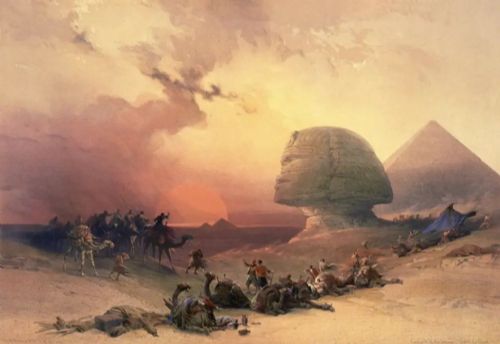
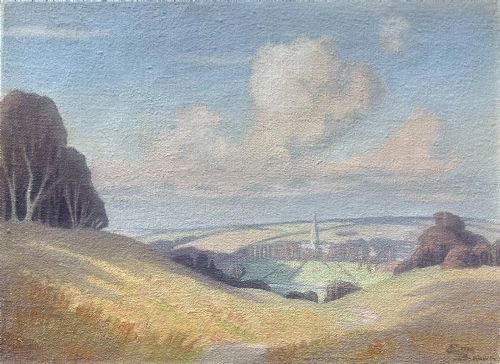
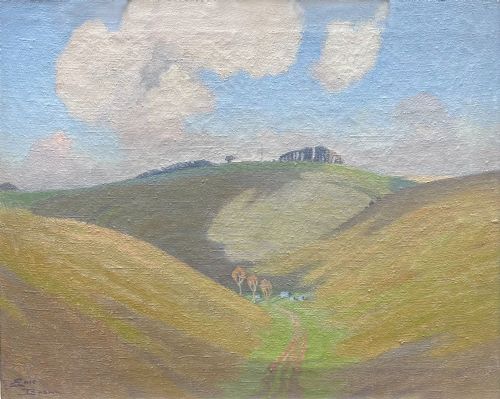
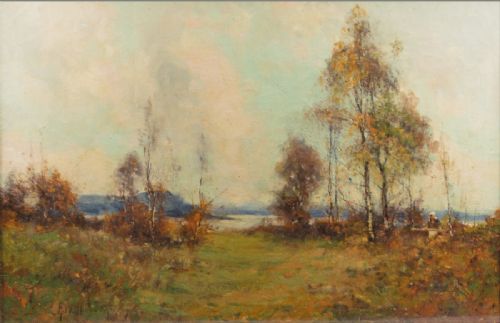
Buyers most frequently encounter watercolours and oil paintings reflecting styles such as British Impressionism, Edwardian realism, and mid-century modernism. Subjects stretch from rural Cumbrian lakes and Yorkshire evenings to Mediterranean townscapes and desert expanses.
The selection includes framed fine art pieces by named painters alongside works by unidentified regional schools. Format choices vary from intimate cabinet watercolours to expansive canvas panoramas.
How they were made
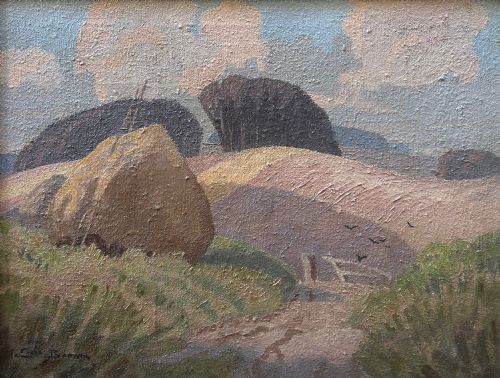
Artists painted these landscapes using oil paint, watercolour, and occasional gouache applied to canvas, stretched paper, prepared wood panels, and board supports. Oil mediums allowed for rich impasto and textured brushwork on canvas and board, while watercolours offered fluid transparency on paper.
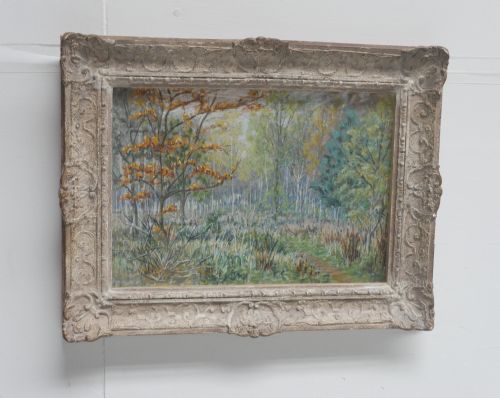
Supports were frequently housed within period wooden frames, sometimes protected beneath glass in the case of watercolours and pastels. Pigments relied on traditional earth tones to render natural light, shadows, and evening glows across rural and urban views.
Listings feature works created across eight distinct decades, spanning from the nineteenth century through to the 1960s.
What varies in quality
Quality rests upon the sureness of the brushwork and the artist's command of atmospheric light within the chosen medium. Stronger pieces display confident handling of tone and composition, whether capturing a bustling market or a quiet woodland scene.
The preservation of the paint surface and the integrity of the original support influence the standing of each piece. Works retaining their period frames and stable pigments present a more complete historical record.
Richard Principal Leitch·Thomas Ellison·Robert Leslie Howey·Muriel Metcalfe·David Roberts·Eric Brown·Alexander Wellwood Rattray·Gaston Cornil·Raymond Picque·Reginald Grange Brundrit·Cecil Rochfort D'Oyly-John·Arthur Tucker·Charles James Lauder·Ron Folland·Charles Malfroy·William George Meadows·James William Booth·Rowland Henry Hill·Claude Thomas Stanfield Moore·Sidney James Beer·Arthur Winter Shaw·Clara Montalba·Joseph W. Milliken·Frederick Mayor
The Ochre Landscape Artwork Glossary
- Watercolour
- A paint consisting of colour suspended in a water-soluble binder, traditionally applied to paper. It allows for delicate washes and translucent effects.
- Plein air
- Painting executed outdoors to capture natural light directly. This method was widely used by impressionist artists.
- Impasto
- Paint applied thickly to a canvas or board, leaving visible brush or palette knife marks that stand out from the surface.
- Gouache
- An opaque watercolour paint containing an added white pigment to create denser, solid areas of colour. It is frequently combined with standard watercolour.
- Post-Impressionism
- An art movement extending beyond impressionism to emphasise symbolic motifs, expressive brushstrokes, and unnatural colour. It forms a cornerstone of twentieth-century painting styles.
Ochre Landscape Artwork: Frequently Asked Questions
What periods do these landscapes cover?
The available works span from the nineteenth century through the Edwardian era and into the mid-twentieth century. This includes Victorian pieces alongside 1920s, 1930s, and 1950s creations.
Mid-century modern and post-impressionist examples sit alongside earlier traditional watercolours and oils.
Where were these landscape scenes painted?
Scenes originate from various British locations including London, Yorkshire, and the Cumbrian lakes, alongside Irish hill views. Continental subjects feature prominently too, depicting France, Italy, and desert environments.
Grand Tour destinations and Mediterranean townscapes frequently appear across the painted panels and papers.
How should I frame and display them?
Watercolours require framing behind glass with acid-free mounts to protect the paper from atmospheric moisture and light damage. Oil paintings on canvas or wood board are typically displayed unglazed in traditional wooden frames.
Keeping works away from direct sunlight preserves the stability of both the pigments and the organic supports.
How do I distinguish watercolours from oils?
Waterworks are executed on paper surfaces, often showing translucent washes and requiring glass protection. Oil paintings utilise heavy paint layers on canvas, board, or wood panels with visible texture.
Oils generally present a more robust surface that does not require glass encapsulation.