




Ocean Landscape Painting
An ocean landscape painting captures coastal atmospheres, harbours and open water through centuries of shifting artistic styles.
Ocean Landscape Painting
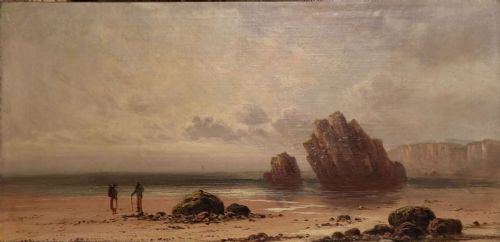
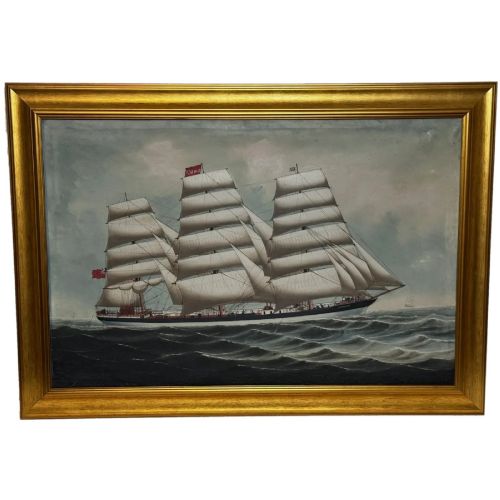
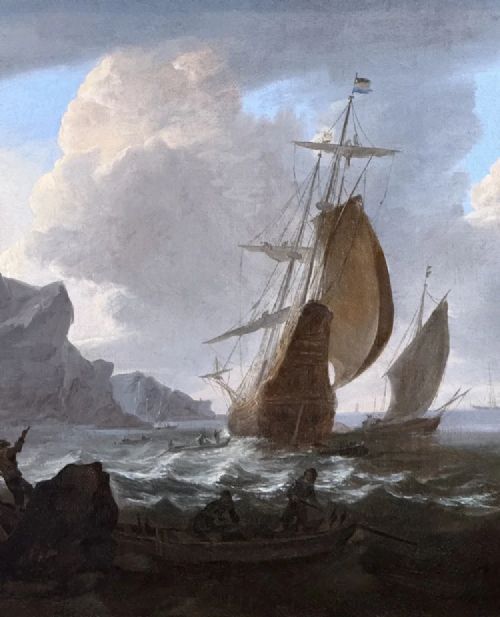
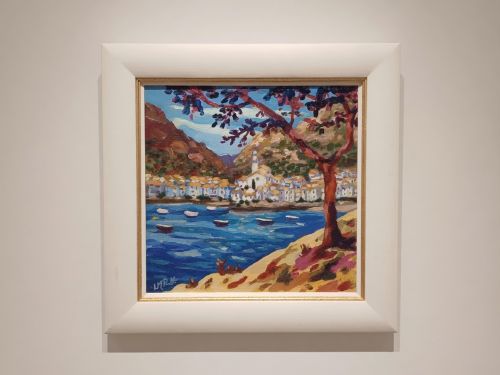
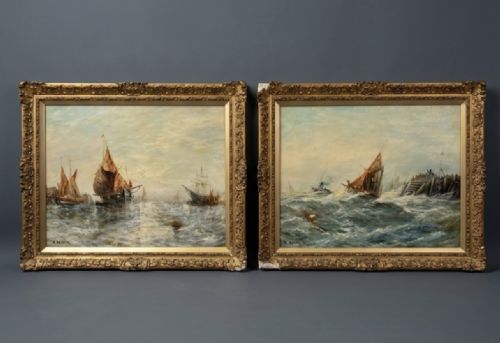
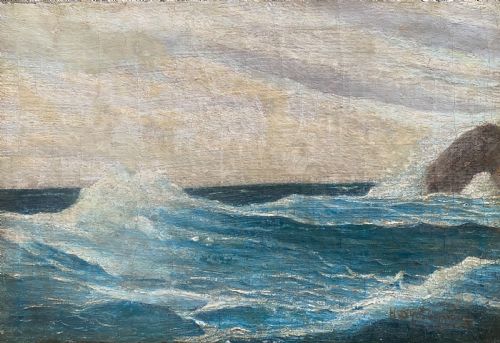
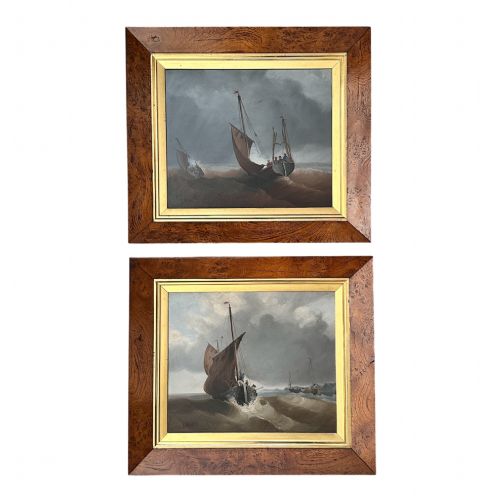
When you search for an ocean landscape painting, you encounter works spanning the nineteenth century through the mid-twentieth century, including Victorian maritime scenes and later interpretations. The selection frequently includes oil on canvas, oil on board, and watercolour paintings depicting coastal Cornwall, Scottish castles, fishing boats, and stormy seas.
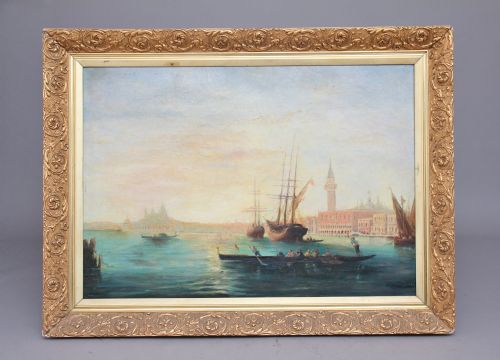
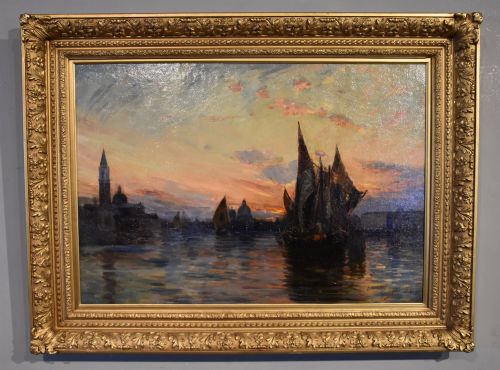
The pieces range from detailed nineteenth-century depictions of harbours to early twentieth-century en plein air coastal studies and mid-century modernist interpretations. Traditional works often record specific coastal locations like St Ives, Scarborough, and the Venetian lagoon with descriptive precision.
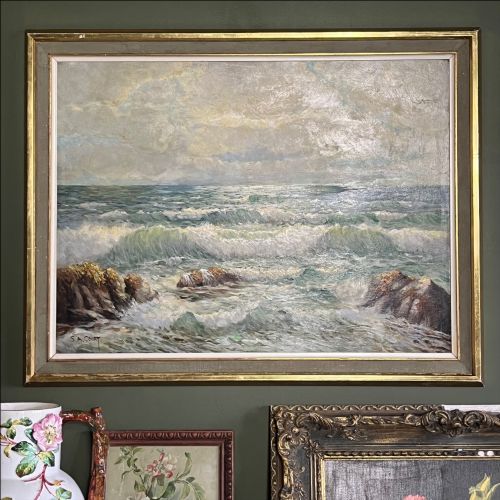
Victorian maritime art and British Impressionism dominate the earlier examples, while later decades introduce broader brushwork and varied modernist perspectives on the shore. Buyers encounter framed watercolours alongside large oil paintings housed in original gilt wood frames.
Materials and Techniques
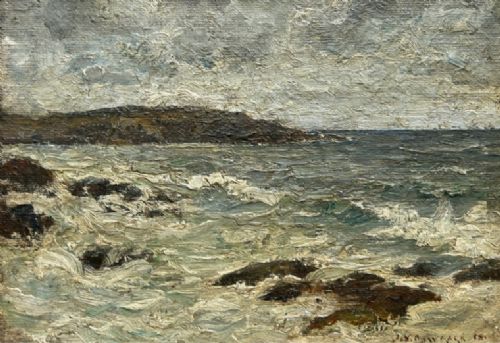
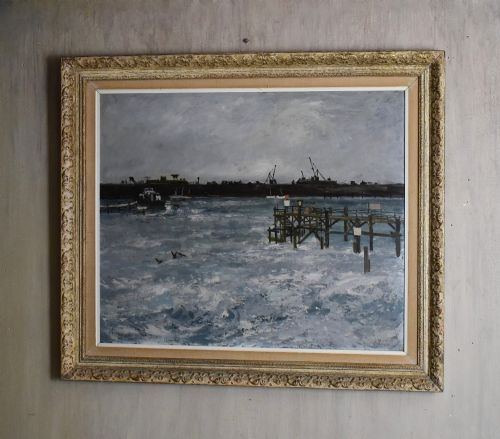
Artists relied primarily on oil paint applied to canvas or wood panels, alongside watercolours worked on paper, to capture the shifting light and moisture of marine environments. Oil pigments allowed for heavy impasto application in depicting turbulent waves, while watercolours achieved translucent atmospheric effects over coastal harbours.
Many works incorporate gold leaf or gilt wood frames that complement the maritime subjects, separating the coastal view from its immediate wall setting. En plein air techniques emerged strongly by the early twentieth century, enabling painters to record direct responses to coastal weather along British and European shores.
Listings feature works created across the nineteenth and twentieth centuries, using oil and watercolour on canvas, board, and paper.
Factors That Distinguish the Works
Quality rests upon the artist's ability to render water, light, and atmospheric distance convincingly within the chosen medium. Superior works demonstrate assured brush handling, spatial depth, and a sensitive understanding of coastal weather rather than rigid mechanical recording.
Condition of the original canvas, paper, and pigment stability influence the standing of a piece. Original gilt frames appropriate to the period also add context and integrity to the finished artwork.
Clifford Hanney·Reginald Arthur Borstel·Sidney A Court·John E Aitken·William Banks Fortescue·Bonaventura Peeters·Lucy Pratt·Peter Brannan·John Moore of Ipswich·Thomas Hodgson Liddell·William Henry Williamson·George Stanfield Walters·Henry Barlow Carter·John Moxon·Charles William Adderton·Norman Lloyd·Gustave De Bréanski·Abraham Hulk Snr·Charles Sim Mottram·Hendrik Willebrord Jansen·Roger de la Corbiere·Claude Thomas Stanfield Moore·Kate E Booth·Consalvo Carelli
The Ocean Landscape Painting Glossary
- Impasto
- Paint applied thickly to a canvas or board, leaving visible brush or palette knife marks that create physical texture.
- En plein air
- The practice of painting outdoors to capture direct natural light and atmospheric conditions on location.
- Gilt wood
- Wood surfaces coated with a thin layer of gold leaf or metallic gilt paint, frequently found on period picture frames.
- Watercolour
- A painting method in which fine pigment is suspended in a water-based, translucent solution applied to paper.
Ocean Landscape Painting: Frequently Asked Questions
What periods do these paintings come from?
The available selection spans from seventeenth-century works through nineteenth-century Victorian maritime pieces up to mid-twentieth-century modernist interpretations.
Most pieces date from the Victorian era and the early twentieth century, reflecting a sustained British and European interest in coastal subjects.
How were these marine paintings displayed?
Historically, these artworks were housed in domestic interiors within decorative gilt wood frames designed to complement the maritime subject matter.
Original framing often survives with the canvas or board, providing period context for the painting.
How do I care for an antique oil painting?
Keep paintings away from direct sunlight and fluctuating humidity levels to protect both the canvas support and the oil pigments.
Dust surfaces gently with a soft, dry brush and avoid liquid cleaners on the paint layer.
How do I distinguish watercolour from oil paintings?
Watercolour works utilise pigment on paper, generally displayed under protective glass, highlighting translucent washes and fine paper texture.
Oil paintings feature textured paint layers on canvas or wood boards, allowing for heavier impasto and opaque coverage.