
Occasional Tea Table
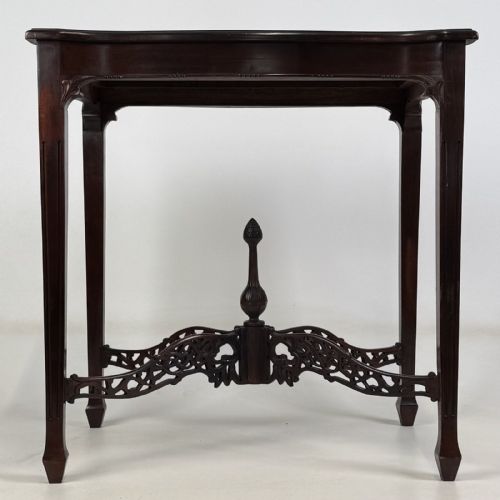
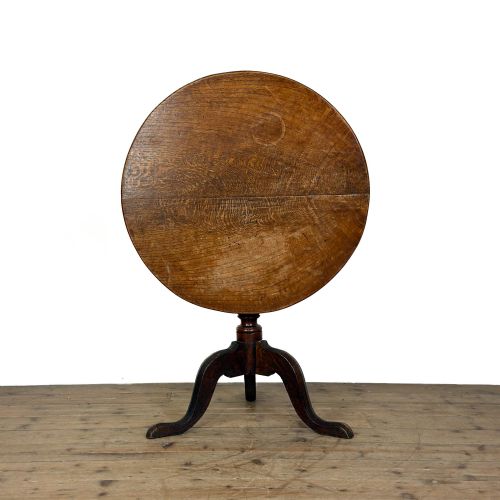
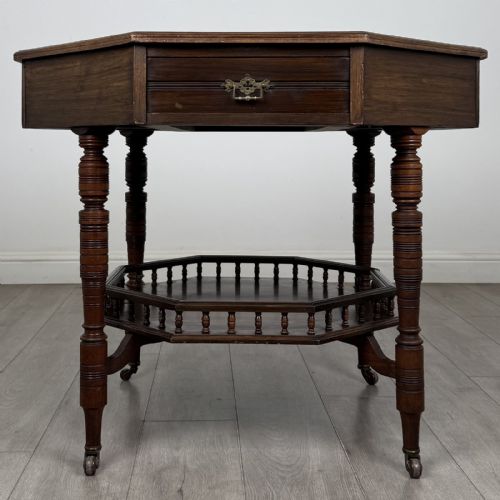
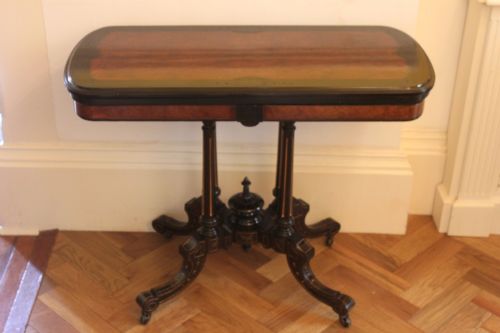
An occasional tea table brings flexible surface area and historic character into a room, spanning forms from tilt-top tripod designs to drop-leaf models.
Occasional Tea Table
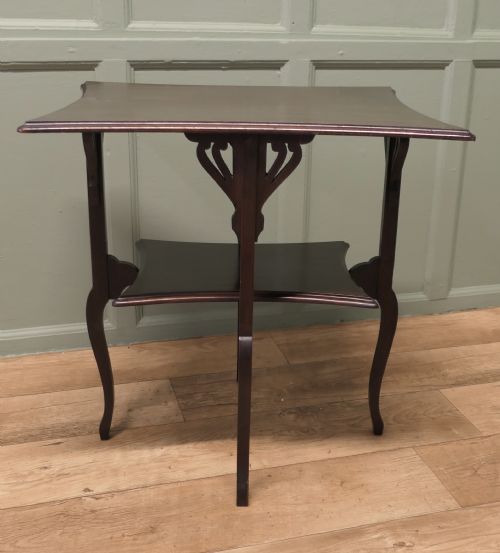
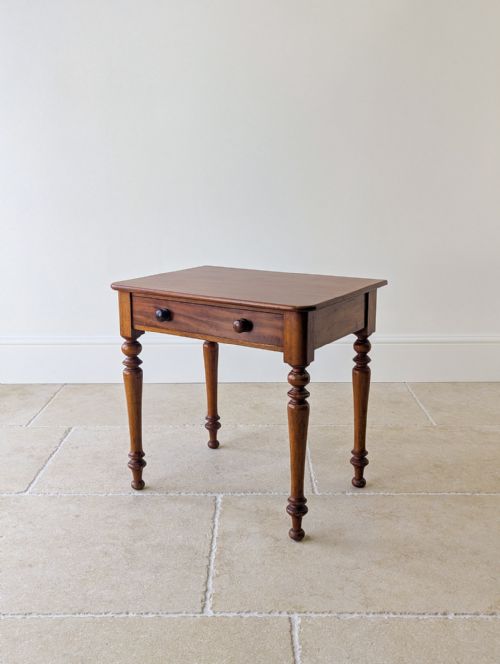
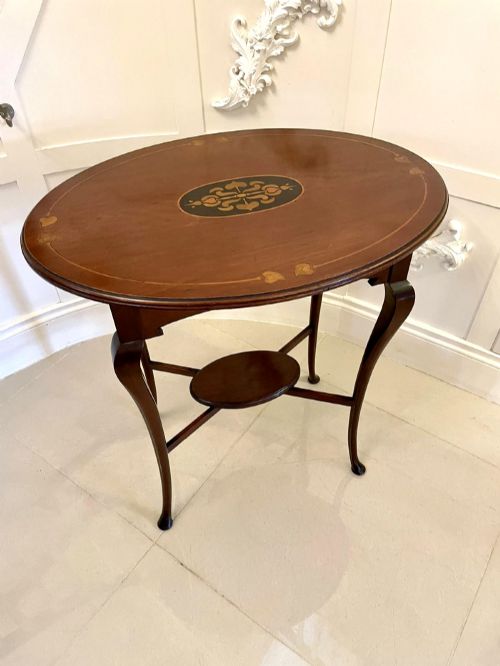
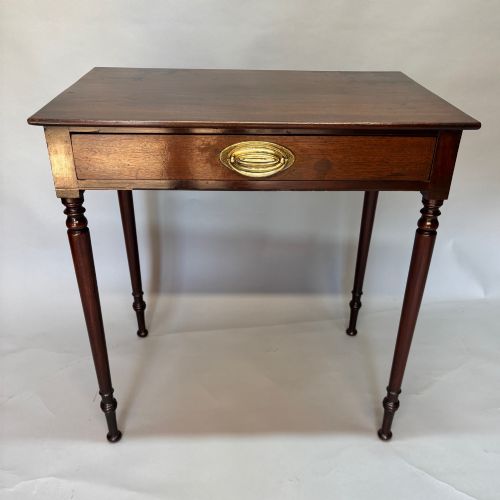
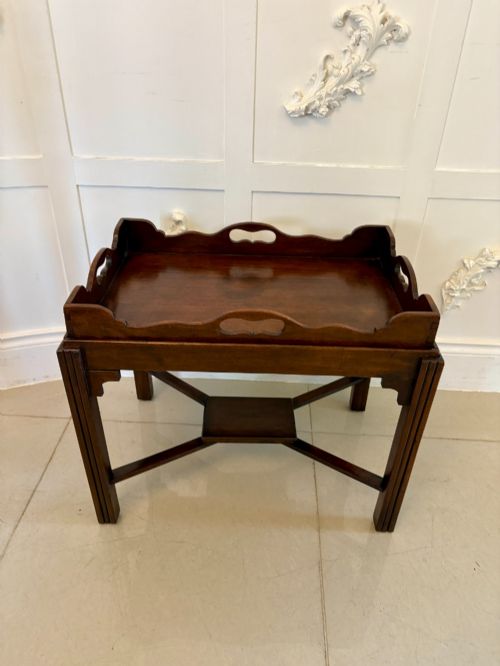
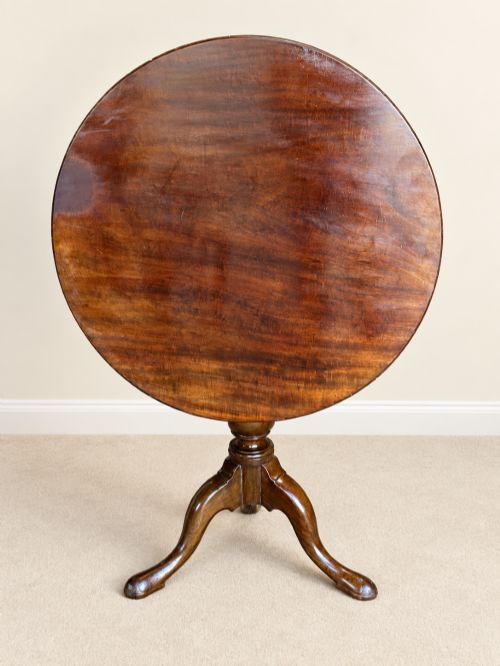
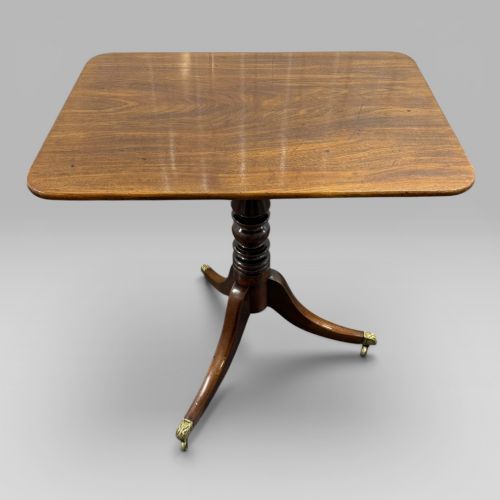
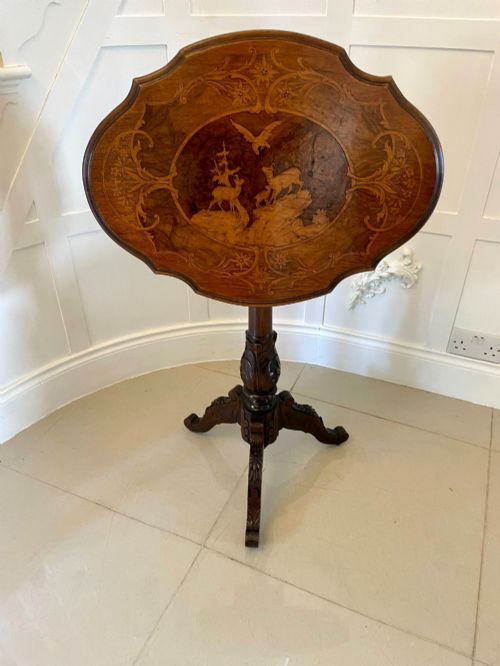
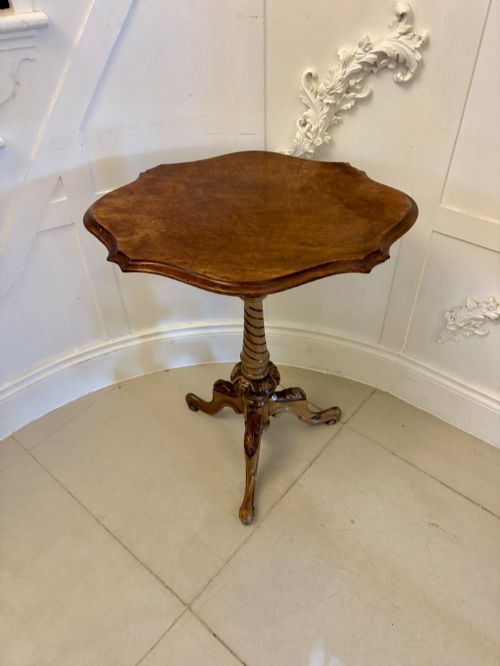
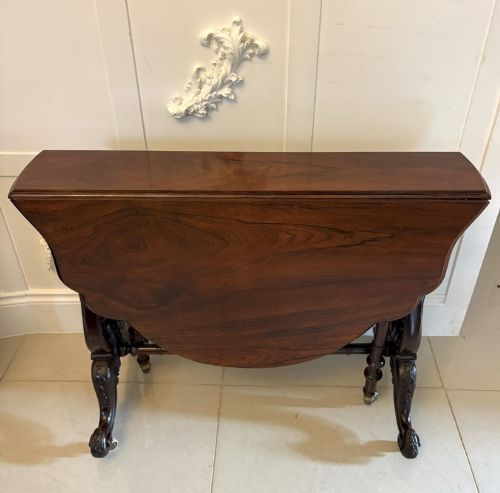
When searching for an occasional tea table, buyers encounter a diverse group of lightweight, movable tables designed for social hospitality, serving drinks, or holding lamps. The selection ranges from 18th-century Georgian tilt-top tripod pieces to Victorian walnut models and Edwardian inlaid examples.
The form adapts to many rooms, functioning beside seating as a lamp table, a low coffee table, or an expanding drop-leaf surface. These pieces emerge from periods including the Georgian era, the Victorian decades, and the Edwardian years.
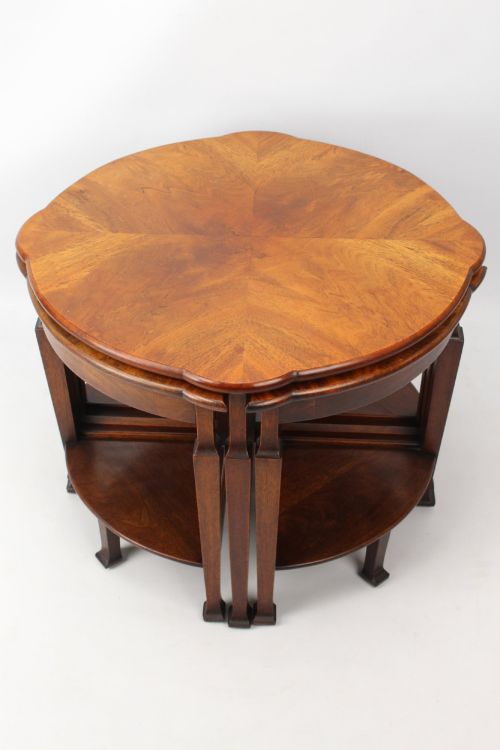
Makers utilised various formats, from nests of tables to multi-tiered étagères and folding camp styles. Buyers find both British hardwoods and imported exotic timbers represented across the records.
Materials and construction
Makers constructed these pieces primarily from solid hardwoods and decorative veneers, with mahogany, walnut, and teak appearing frequently alongside oak and satinwood. Cabinetmakers incorporated brass mounts, bone inlay, and marquetry details to enrich the surfaces.
Joinery methods varied by period and region, employing turning, pedestal tripod bases, drop-leaf hinges, and folding mechanisms for portability. Carved elements, parcel gilding, and pie crust edges demonstrate specific stylistic periods from Chippendale influence to Art Deco.
Listings span centuries from 1750 through the Art Deco era, recording mahogany, walnut, teak, and brass inlay.
Determinants of quality
Quality rests in the selection of timber figures, such as flame mahogany or burr walnut, and the crispness of hand-carved details. Structural integrity in tilt mechanisms, folding actions, and pedestal joints separates superior examples from ordinary production.
Refinement in secondary woods, precision in marquetry or inlay work, and the reputation of recorded makers like Joseph-Emmanuel Zwiener or Trevor Page elevate individual tables within the range.
Trevor Page·Joseph-Emmanuel Zwiener
The Occasional Tea Table Glossary
- Tilt-top table
- A table with a hinged top that pivots vertically to save space when not in use. These typically rest on a central pillar and tripod base.
- Sutherland table
- A narrow drop-leaf table with exceptionally slender folding leaves supported by swing legs. This design folds down into a compact footprint.
- Pie crust table
- A round table featuring a raised, carved edge shaped in undulating curves resembling pastry work. This decorative moulding often tops Georgian tripod tables.
- Tea poy
- A small cabinet or box on a pedestal used to store loose tea leaves before brewing. These occasionally double as refined occasional tables.
- Marquetry
- The art of applying pieces of veneer to a structure to form decorative patterns or pictures. Craftsmen utilise contrasting timbers to achieve pictorial depth.
Occasional Tea Table: Frequently Asked Questions
How do I use an occasional tea table today?
These pieces serve effectively beside sofas as lamp tables or drink surfaces. Their historical mobility allows easy repositioning around sitting rooms.
Fold-down mechanisms and drop leaves also provide adaptable space when hosting guests. They function naturally as display areas for books or decorative objects.
What is the difference between Georgian and Victorian tables?
Georgian tables often favour restraint, clean lines, and mahogany timbers, frequently utilising tripod bases and tilt mechanisms. Proportion and classical joinery define this earlier aesthetic.
Victorian pieces introduce heavier walnut and rosewood construction, intricate marquetry inlay, and darker finishes. Sutherland and Sutherland-style drop leaves become prominent during this later era.
Are teak tables considered antique?
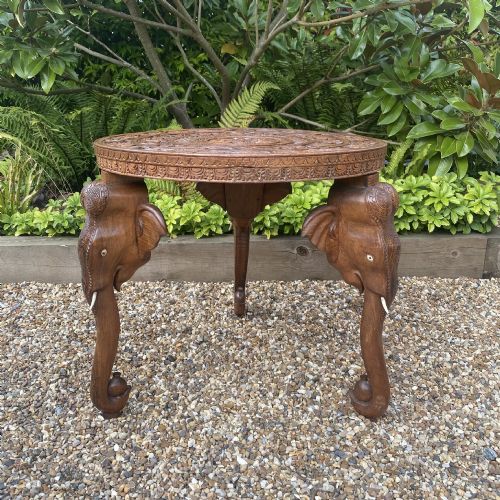
Many teak examples originate from 19th-century and early 20th-century Anglo-Indian workshops, produced during the British colonial period. These pieces frequently feature intricate hand-carved motifs and folding frames.
Collectors prize them as distinct regional variants alongside traditional English hardwood furniture. Their sturdy construction made them practical for both travel and domestic display.
How do tilt-top mechanisms work?
A traditional tilt-top relies on a wooden catch or a brass spring lock beneath the surface. This allows the top to pivot ninety degrees on a birdcage or block pivot.
When locked flat, the mechanism provides a stable surface for dining or tea. When released, the table rests flush against a wall.