

Occasional Games Table
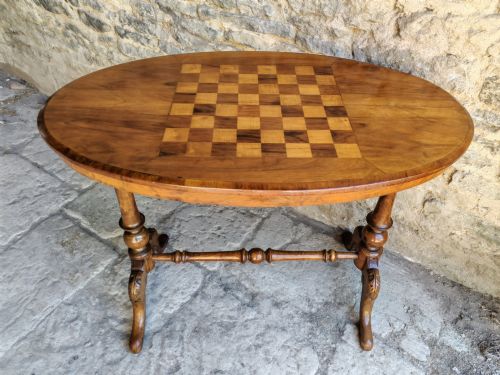
An occasional games table combines daily domestic utility with dedicated playing surfaces, offering clever folding leaves and inlaid boards for chess, cards, and checkers.
Occasional Games Table
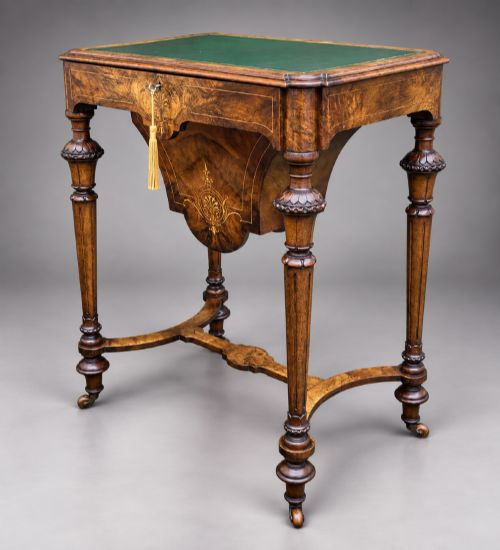
When you search for an occasional games table, you encounter versatile multi-functional furniture designed for entertainment and parlour use. The examples appearing most frequently span the nineteenth century, including Victorian burr walnut designs and Regency rosewood folding pieces.
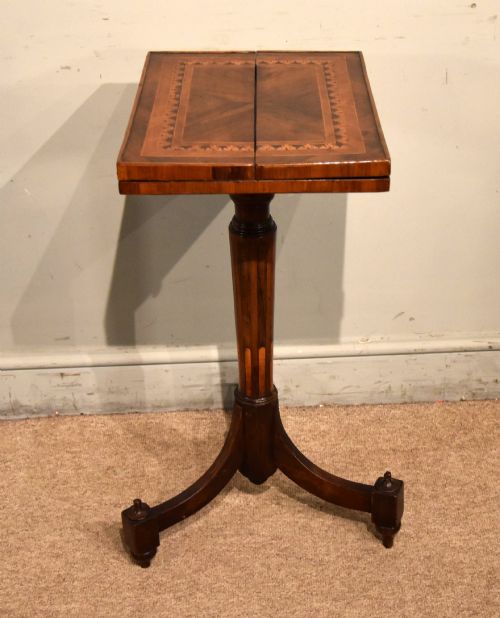
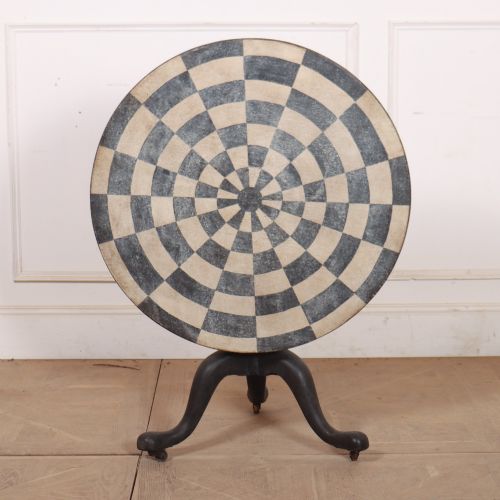
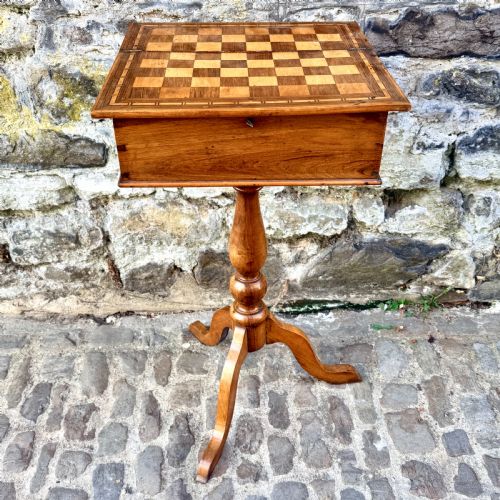
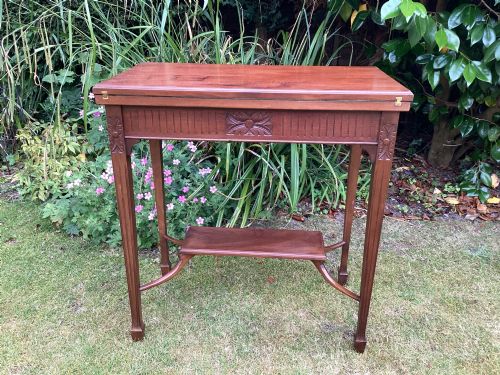
These items serve dual purposes, functioning as standard tea, lamp, or side tables before transforming via swivel tops, fold-over leaves, or removable panels into dedicated surfaces for cards, chess, and backgammon. Many incorporate fitted interiors, drawers for counters and dice, or lower shelves.
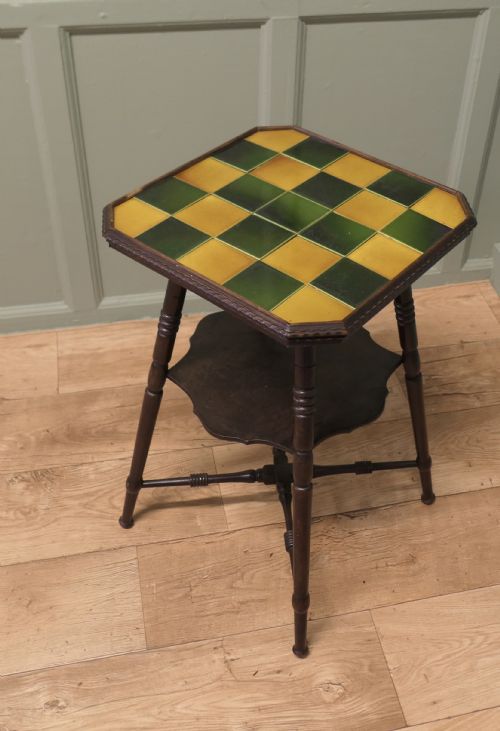
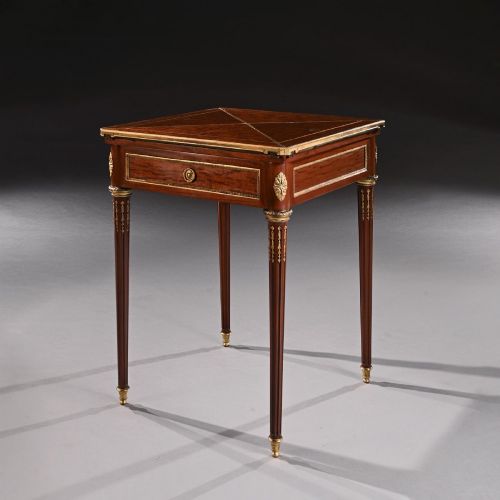
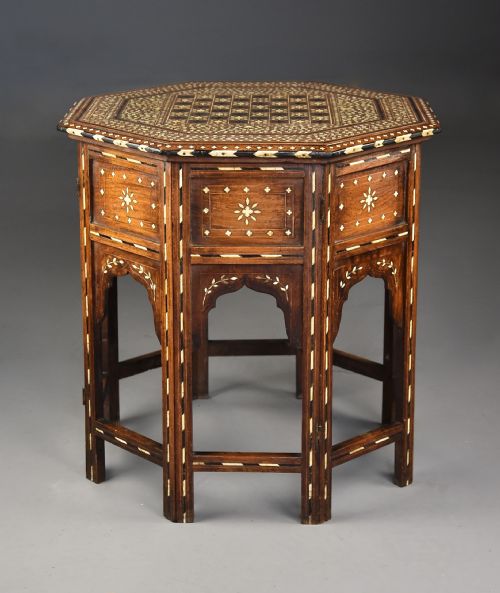
Origins vary widely across English workshops, French ateliers, and Anglo-Indian production centres, yielding forms from octagonal occasional tables to nested quartetto sets and envelope tables.
Assessing craftsmanship and condition
Quality rests upon the precision of the mechanics, ensuring that fold-over leaves, swivelling tops, and sliding panels operate smoothly without sagging or binding.
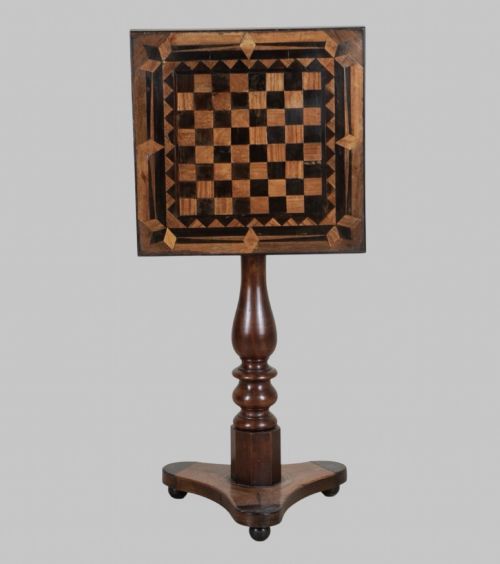
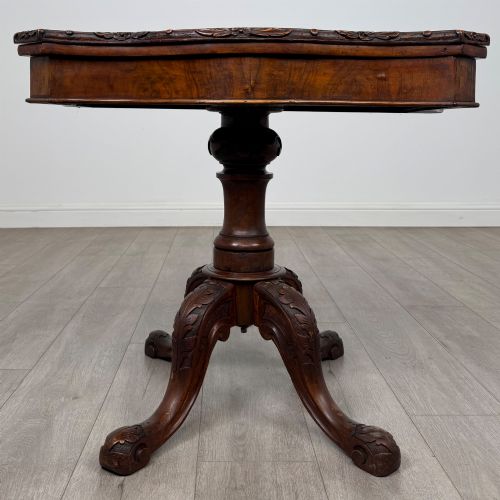
The selection and matching of timber veneers, the crispness of inlaid wood or pietra dura work, and the integrity of carved details distinguish standard production from exceptional pieces.
Several tables manage to conceal entire chess sets and folding board games inside furniture originally intended to hold afternoon tea.
Shapland and Petter·Antoine Lampre·Gillows
The Occasional Games Table Glossary
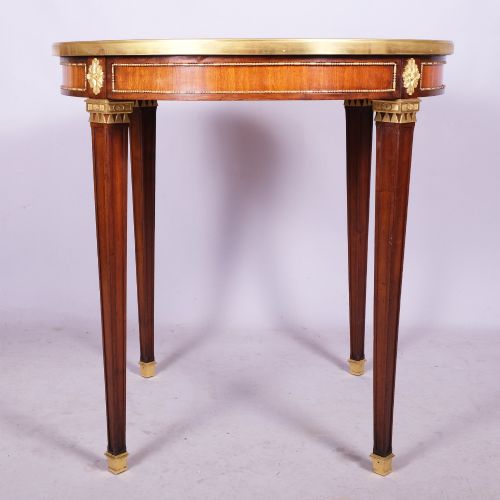
- Bouillotte table
- A small French card table with a raised brass gallery around the circular marble top, designed for a specific game of chance.
- Envelope table
- A square card table featuring four triangular leaves that fold inward and outward in a rotating motion to reveal a baize-lined surface.
- Pietra dura
- An artistic technique using cut and fitted polished coloured stones to create geometric or pictorial inlay work on table tops.
- Quartetto nest
- A set of four graduating occasional tables designed to slide neatly one beneath another when not in use.
- Marquetry
- The art of applying decorative pieces of veneer to a structural structure to form intricate pictorial or geometric designs.
Occasional Games Table: Frequently Asked Questions
What is an occasional games table?
An occasional games table is a small piece of furniture designed to perform daily domestic tasks like holding lamps or tea while containing hidden boards or folding tops for pastimes like chess and cards.
These hybrid pieces became especially popular during the nineteenth century, allowing households to maximise space in drawing rooms and parlours without sacrificing entertainment options.
How do fold-over games tables work?
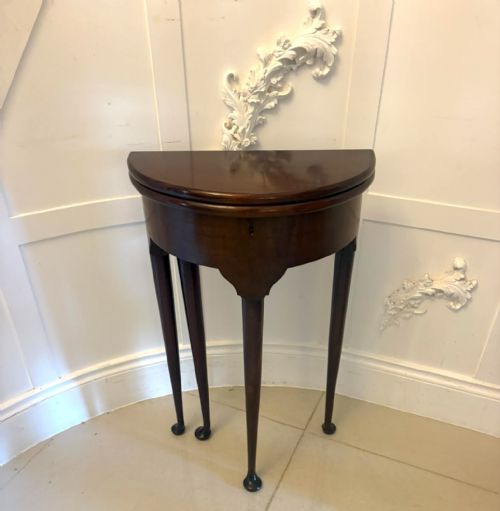
Fold-over tables typically feature a hinged top that opens like a book to double the surface area, resting on a pivoting leg or a rear gateleg action for support.
Opening the top often reveals a concealed storage well beneath for storing playing cards, counters, and dice sets.
How do I identify a Victorian games table?
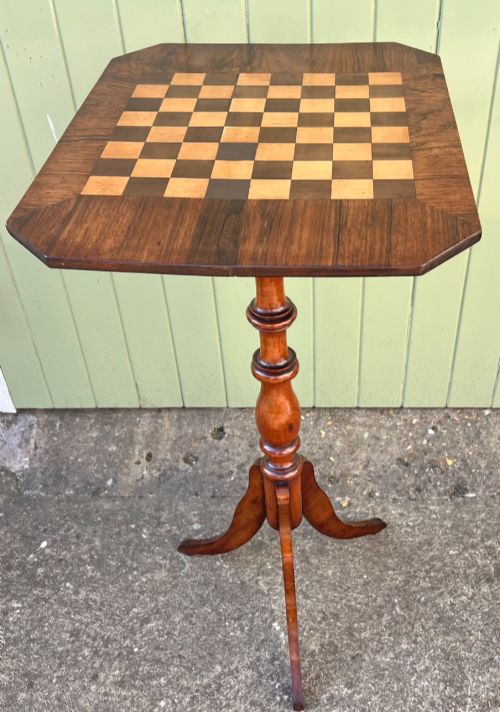
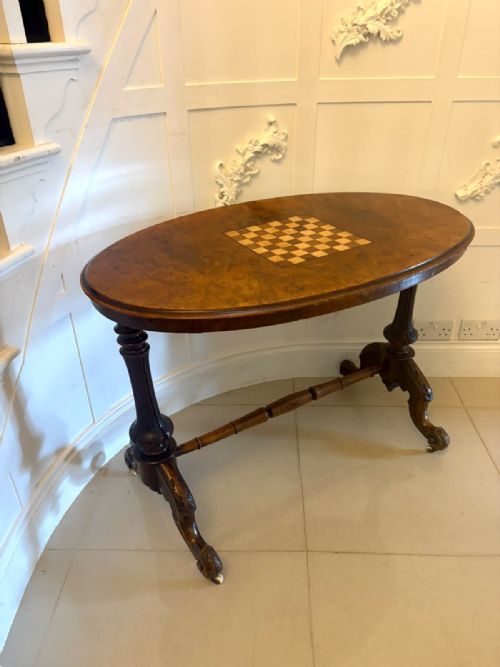
Victorian examples frequently showcase figured timbers like burr walnut and rosewood, often featuring heavy carved pedestals, platform bases, and inlaid wooden chequerboards.
Many incorporate fitted interiors with compartments or delicate marquetry work characteristic of mid to late nineteenth-century cabinetmaking.
Where were bouillotte tables used?
Bouillotte tables originated in France and served as compact card tables for playing the game of bouillotte during the eighteenth and nineteenth centuries.
Their raised brass galleries prevented chips and cards from sliding off the marble top onto the floor during play.