

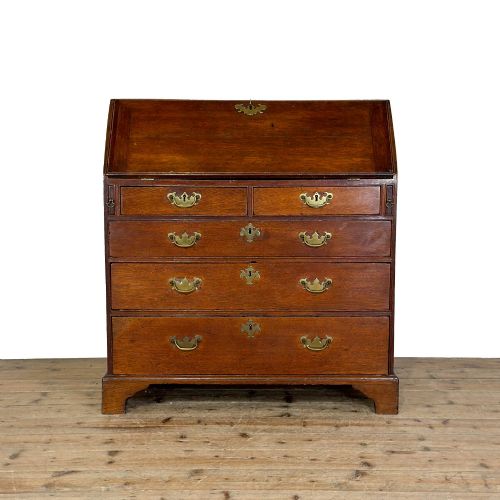
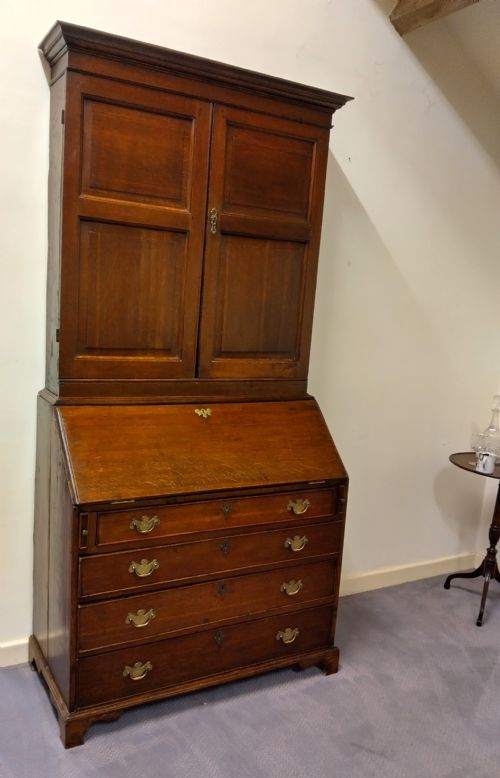
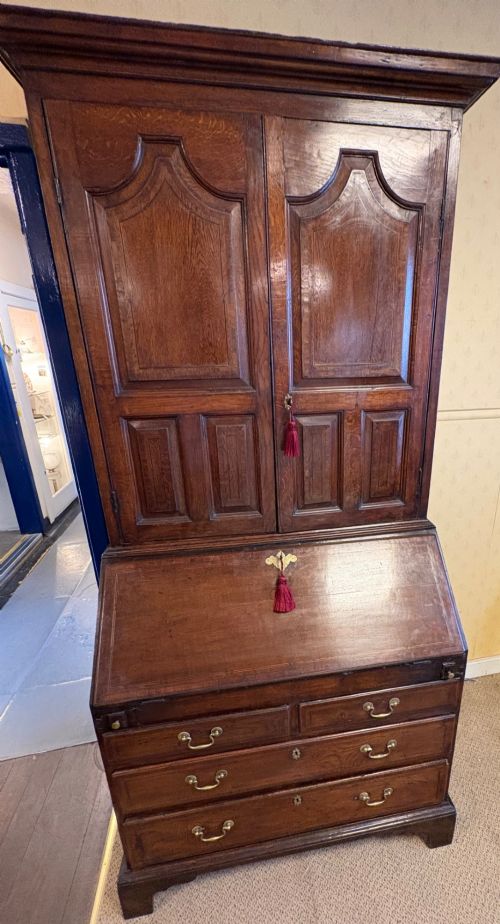
Oak Writing Bureau Desk
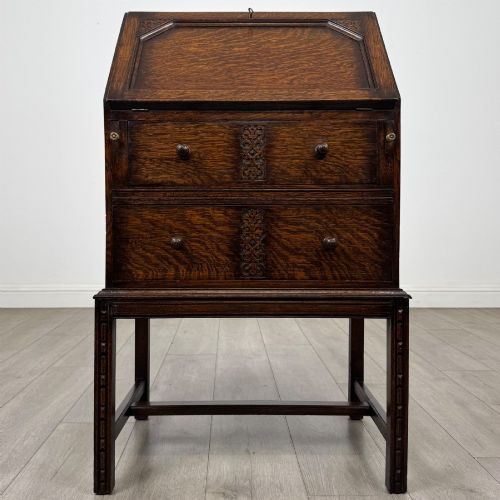
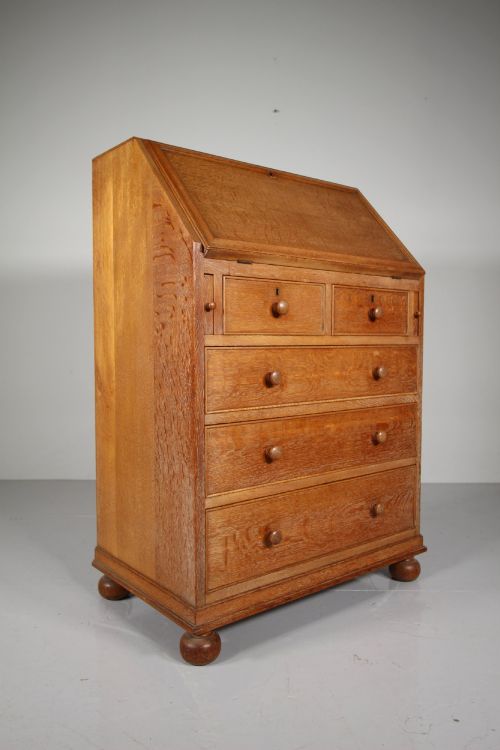
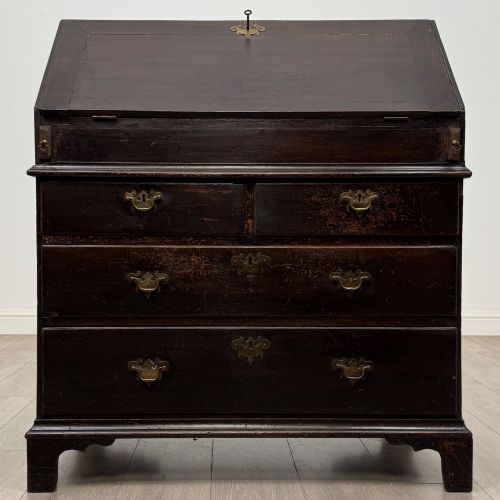
When choosing an oak writing bureau desk, you are selecting a practical workspace with a hinged fall-front panel that conceals fitted interior compartments.
Oak Writing Bureau Desk
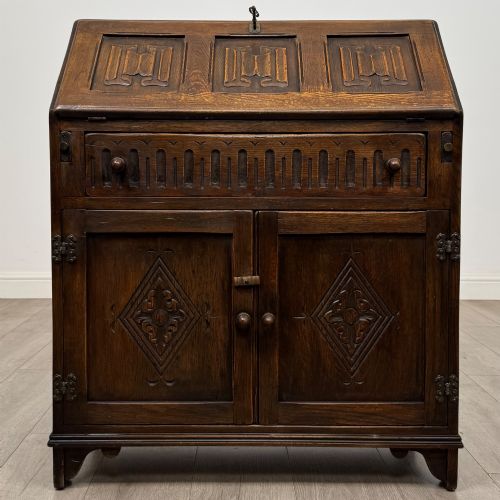
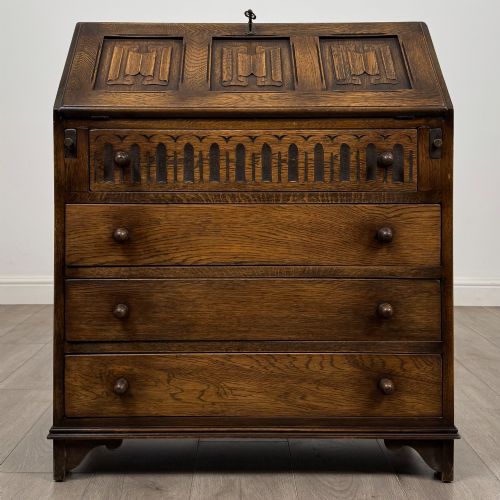
An oak writing bureau desk combines a sloping or folding writing surface with internal pigeonholes and drawers, often positioned above further drawers or storage space. Buyers seeking this phrase encounter formats ranging from compact Edwardian and 1930s examples to substantial Georgian and 18th-century cabinet pieces.
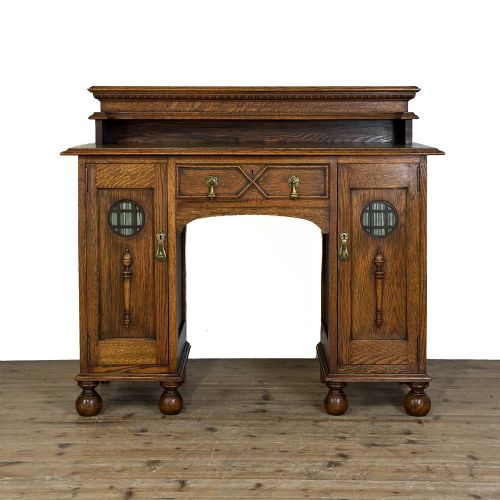
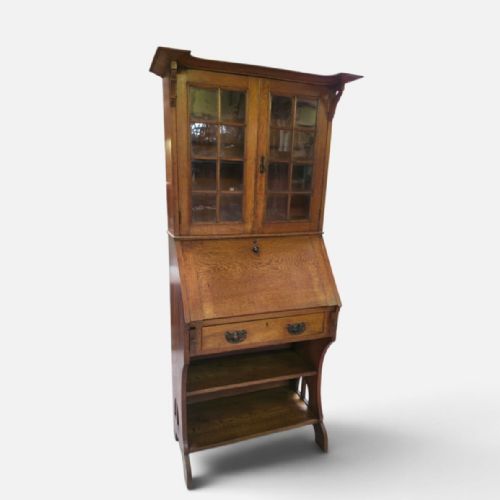
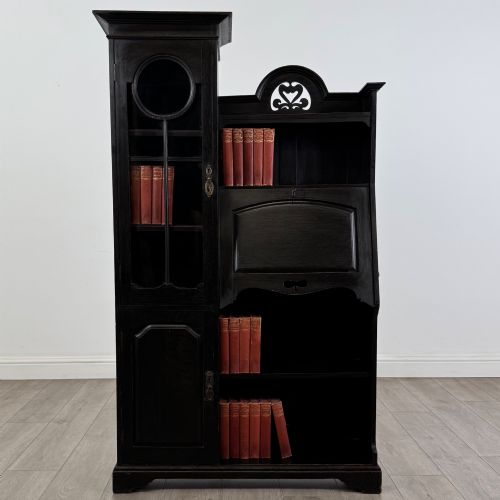
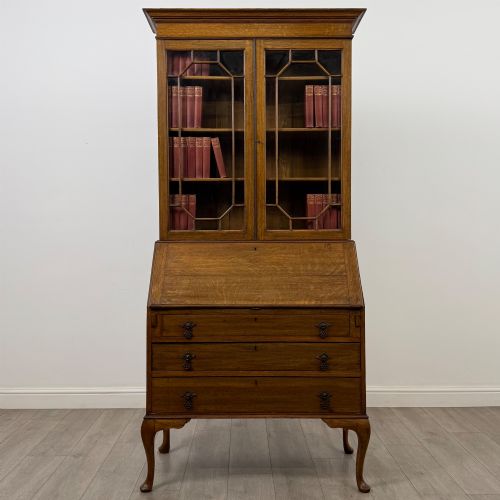
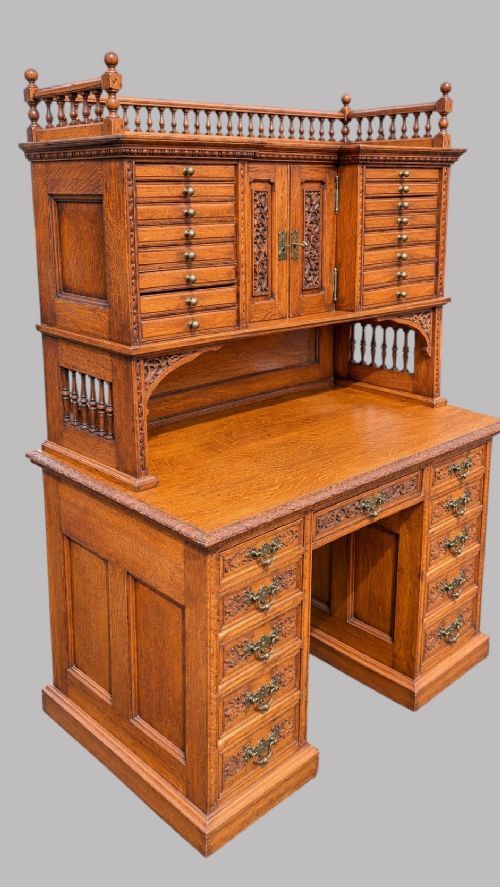
The selection includes standard fall-front bureaux, bureau bookcases with upper glazed shelving, pedestal desks, and roll-top variants. Many examples show revival influences, including Jacobean, Tudor, and Arts and Crafts styles, alongside plain Golden Oak surfaces.
Materials and construction
Makers utilised solid oak alongside supporting materials like brass handles, leather inserts, glass panels, and iron hardware. Interiors frequently incorporate smaller fitted drawers and compartments fashioned from lighter secondary woods.
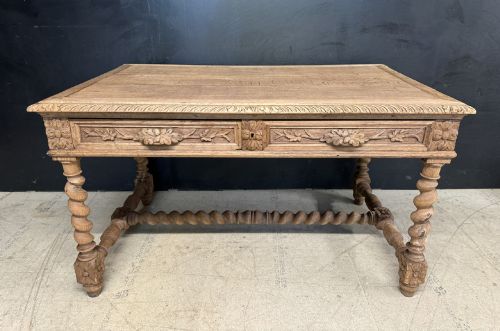
Joinery techniques span from early hand-carved panels and linenfold motifs to later production methods. Surfaces range from plain waxed finishes to ebonised treatments, carved Green Man details, and barley twist supports.
Materials recorded across these desks include solid oak, brass handles, glass, leather writing inserts, and iron hardware.
Judging the standard
Quality rests upon the crispness of carved details, the thickness of the solid timber used for structural parts, and the complexity of the interior stationery fittings. Pieces featuring stepped drawers, secret compartments, or maker labels reflect a higher standard of workshop production.
The integrity of the fall-front hinges and the smooth operation of the internal writing flap distinguish superior examples from simpler utilitarian desks.
Heals of London·Arthur Basil Reynolds·Stanley Webb Davies·Wylie and Lochhead·Liberty
The Oak Writing Bureau Desk Glossary
- Bureau
- A desk featuring a sloping hinged lid that drops to form a writing surface and conceals small drawers and pigeonholes. This form has served letter-writing and document storage for centuries.
- Fall Front
- The hinged writing flap on a bureau that closes vertically to hide the desk interior. When lowered for use, it rests at a horizontal angle supported by pull-out lopers.
- Lopers
- Wooden arms that slide out from beneath the desk surface to support the weight of the open fall-front flap. They prevent the hinge mechanism from bearing the full downward pressure.
- Pigeonholes
- Small, open compartments built into the upper interior of a desk to hold stationery and letters. They form part of the fitted interior revealed when the writing flap opens.
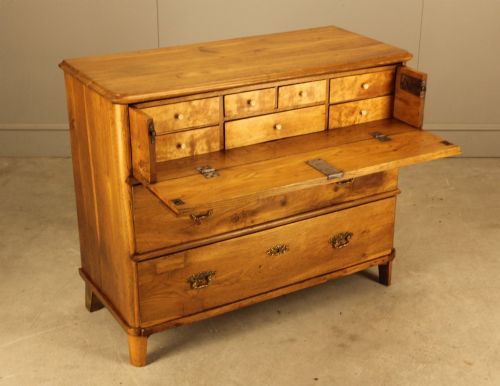
- Secretaire
- A cabinet or chest containing a pull-out or drop-down drawer configured for writing. These units integrate desk functionality into standard drawer carcases.
Oak Writing Bureau Desk: Frequently Asked Questions
What is a bureau bookcase?
A bureau bookcase combines a lower writing desk section with an upper shelving unit enclosed by wooden or glass doors. This tall furniture form serves both working and display functions.
Lower sections typically feature a fall-front writing surface above drawers, while upper sections hold books or display items.
How do I use a bureau desk?
To write at the desk, pull out the wooden lopers to support the hinged flap, then lower the fall-front panel into a horizontal position. This reveals the pigeonholes and small internal drawers for storage.
When writing is finished, return papers to the interior compartments, lift the flap back to its vertical position, and push the lopers home.
How do I date an oak bureau?
Dating relies on construction methods, timber selection, and decorative styles visible across the piece. Early examples from the 17th and 18th centuries often display hand-carved panels, pegged joinery, and simpler internal layouts.
Edwardian and 1930s variants frequently incorporate machine-cut dovetails, golden oak finishes, and revival motifs like linenfold carving or barley twist legs.
Where should I place my bureau?
Position the desk in a room with adequate natural light falling across the workspace, ensuring sufficient clearance in front for the fall-front flap to open fully. Placing the piece away from direct heat sources protects the solid oak from drying out.
Allow enough space to pull out a chair comfortably beneath the lowered writing surface.