


Antique Oak Secretaire Bookcase
An antique oak secretaire bookcase combines a functional writing desk with upper shelving, offering robust storage and sturdy charm for the home.
Antique Oak Secretaire Bookcase
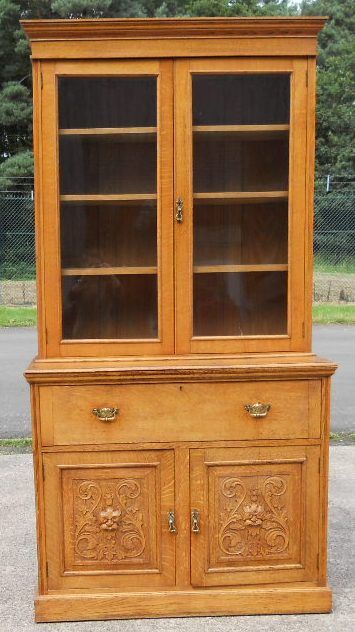
An antique oak secretaire bookcase combines a shelved upper display area with a hinged drop-front writing drawer that conceals a fitted interior of small drawers and pigeonholes. These items serve both as practical writing desks and imposing library furniture for domestic spaces.
The pieces appearing in these listings span several distinct periods, including Georgian, Victorian, Edwardian, and Arts and Crafts examples, alongside vernacular and earlier centuries. Buyers frequently encounter Edwardian and Victorian interpretations alongside robust Georgian forms and Arts and Crafts variants.
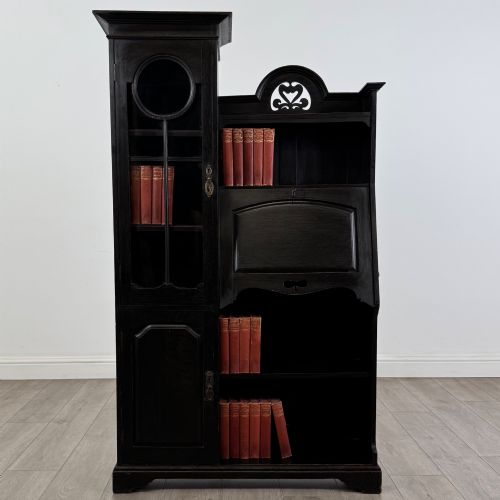
Beyond standard upright bookcases and bureau bookcases, variations such as press cupboards and ebonised or brass-panelled desks appear within the broader category. Each form retains the defining characteristic of the fall-front writing compartment integrated beneath open or glazed shelves.
Materials and Construction
Makers utilised solid oak, golden oak, and pollard oak or burr pollard oak to construct these substantial items, frequently enhancing surfaces with wood inlay and brass hardware. Glass panels are integrated into the upper bookcase doors to protect volumes while allowing visibility.
Cabinetmakers combined traditional joinery with structural timber frames to support the heavy weight of books and fitted desk interiors. Surfaces were finished to highlight the natural grain patterns of the wood, from plain timber to highly figured pollard growths.
Distinctions in Quality
The refinement of the fitted interior within the drop-front desk compartment separates standard workshop output from exceptional cabinet work. Elaborate pigeonholes, concealed compartments, and fine wood inlay demonstrate superior craftsmanship.
The choice and figuring of the timber dictate the visual distinction of the piece, with burr pollard oak and golden oak veneers offering markedly richer grain patterns than plain utility oak. The integration of decorative hardware, such as brass panels or specialised glazing, also distinguishes finer examples.
gillows
The Antique Oak Secretaire Bookcase Glossary
- Secretaire Bookcase
- A tall piece of furniture combining an upper bookcase with a lower section containing a drop-front desk drawer.
- Pollard Oak
- Timber taken from trees that have been pollarded, producing a dense, highly figured grain pattern prized for decorative veneers.
- Bureau Bookcase
- A related form featuring a slanted flap desk beneath shelving rather than a horizontal drawer drop-front.
- Press Cupboard
- A traditional large storage unit combining shelving and enclosed cupboard space, sometimes adapted to include writing functions.
- Ebonised
- Wood treated with a finish to imitate the appearance of ebony, creating a dark, uniform surface seen on specific Edwardian examples.
Antique Oak Secretaire Bookcase: Frequently Asked Questions
How do I use a secretaire bookcase?
Lower the hinged drop-front drawer to reveal the fitted interior, providing a stable writing surface complete with compartments for stationery and small items.
The upper shelving accommodates books and display items, while the lower cupboards or drawers offer ample concealed storage for household goods.
Where should I place an oak bookcase?
Position the piece against a sturdy wall in a study, library, or living room away from direct sunlight and strong heat sources to protect the oak timber.
Ensure there is sufficient clearance in front of the unit for the drop-front writing flap to open fully without obstruction.
How do I distinguish Edwardian from Georgian oak?
Georgian pieces typically exhibit traditional proportions and construction methods characteristic of the eighteenth century, often with simpler vernacular styling or formal classical detailing.
Edwardian examples frequently incorporate lighter golden oak finishes, Arts and Crafts influences, or machine-assisted decorative elements typical of the early twentieth century.