
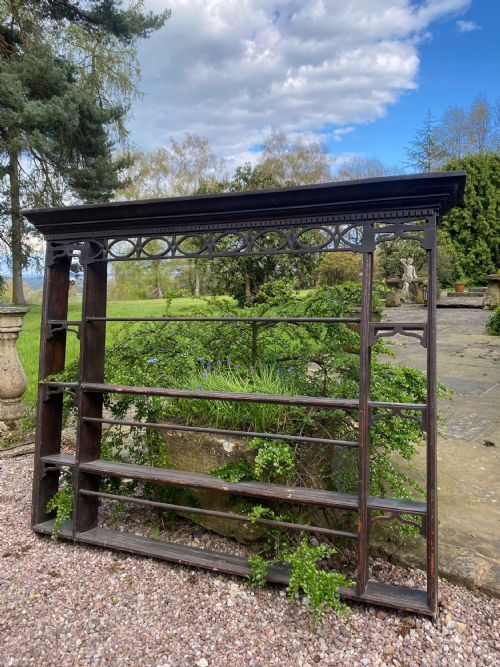
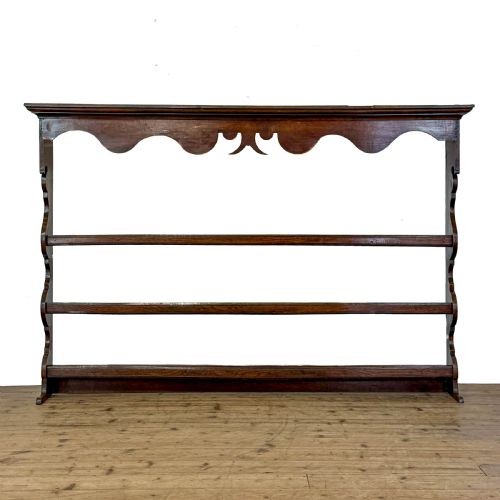
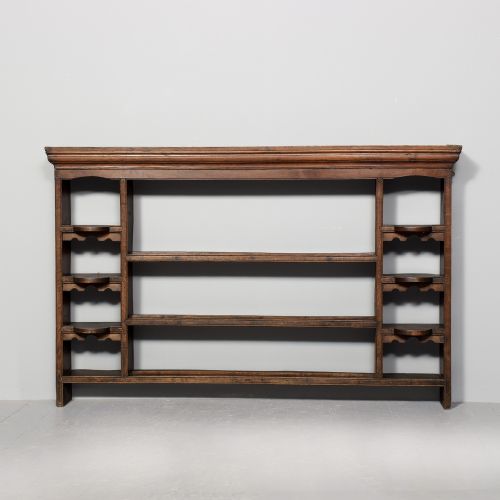


Oak Wall Dresser Rack
An oak wall dresser rack is a practical period display shelf for plates and platters, built to hang securely in a kitchen or dining room.
Oak Wall Dresser Rack
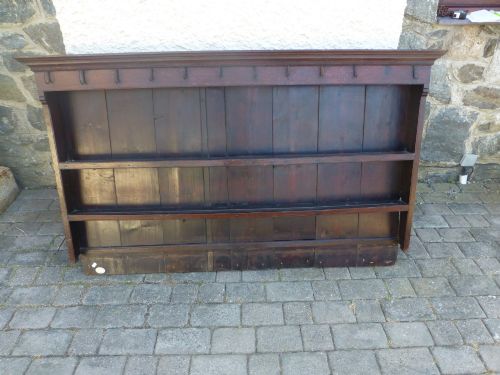
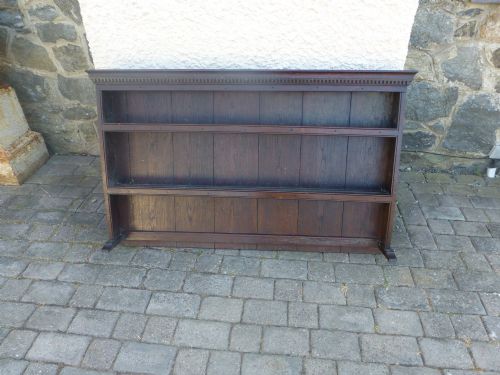
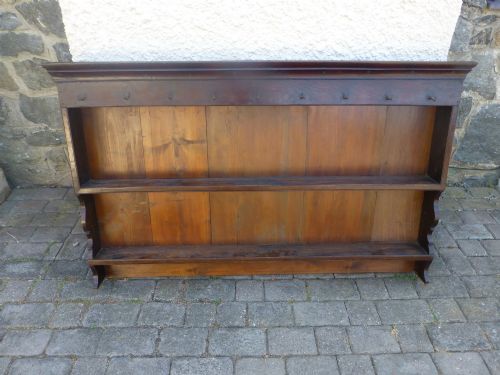
An oak wall dresser rack provides open shelving designed specifically to display ceramic plates and platters directly on a wall. When you search for an oak wall dresser rack, you find hanging structures originating predominantly from the eighteenth century, alongside Georgian and occasional nineteenth-century or Arts and Crafts examples.
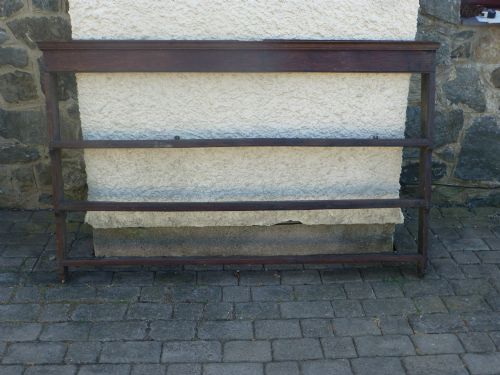
The form typically combines horizontal rails with vertical board backs and multiple plate slots. Most pieces encountered on this page function as standalone wall-hanging shelves detached from their original base dressers.
Origins stretch from early country workshops to refined Georgian parlours, encompassing styles such as English Country, Gothic Revival, and Renaissance Revival. These wall shelves survive as functional plate racks, delft racks, and dresser racks.
How they were made
Makers constructed these racks primarily from solid oak, sometimes integrating pine for internal backingboards or secondary elements. Iron hooks, brass fittings, and occasional carved details complete the construction of these traditional wall furniture pieces.
Joinery methods rely on pegged mortise and tenon frames, rebated backboards, and moulded plate retainers. Surface treatments range from unpolished timber to stained oak finishes developed over centuries of domestic use.
Many an antique plate rack bears the subtle ghost marks of generations of delftware sliding against the timber.
What varies in quality
Quality rests in the proportion of the moulding and the integrity of the original timber. Early eighteenth-century examples exhibit crisp joinery and substantial board thicknesses compared to later vernacular interpretations.
The presence of architectural details, such as Corinthian columns or period carved elements, elevates a piece above standard utility racks. Surface preservation and the survival of original hanging mechanisms also dictate the standing of an individual wall rack.
The Oak Wall Dresser Rack Glossary
- Delft rack
- An open wall shelf featuring grooved ledges and retaining rails designed to display tin-glazed earthenware plates upright without slipping.
- George III
- A British stylistic period spanning the mid to late eighteenth century, characterised by refined proportions and classical architectural influences in vernacular furniture.
- Arts and Crafts
- A design movement valuing handcraftsmanship and simple construction, visible in unusual slim cottage racks from the early twentieth century.
- Corinthian columns
- Classical carved pillar supports occasionally incorporated into the uprights of eighteenth-century country furniture.
- Pine
- A secondary softwood utilised alongside oak for structural backing panels and concealed areas within hanging dresser racks.
Oak Wall Dresser Rack: Frequently Asked Questions
How do I hang a heavy oak wall dresser rack safely?
These solid timber shelves require sturdy fixings screwed directly into wall studs or masonry anchors to support the combined weight of the rack and ceramic plates.
Distributing the load across multiple mounting points ensures the historic frame avoids undue stress during daily use.
Were these racks originally attached to lower dressers?
Many eighteenth-century plate racks were manufactured as independent wall-hanging units rather than top sections separated from base cupboards. Contemporary listings include both detached hanging racks and pieces originally paired with country dressers.
Examining the top edges and side panels reveals whether a rack rested upon a base or functioned solely as wall furniture.
What is the difference between an 18th-century rack and a later copy?
Early examples show hand-planed surfaces, pegged joinery, and timber shrinkage consistent with age. Later revivals often display machine-cut elements and standardised hardware.
Nail types and backboard construction provide clear indicators of period manufacture versus later reproduction.
How should I clean and maintain an antique oak wall rack?
Dust the timber regularly with a dry cloth and apply occasional high-grade beeswax to nourish the dry oak surface. Avoid modern liquid polishes that build up residue and soften the historic patina.
Keeping the rack away from direct heat sources prevents the oak panels from splitting.