

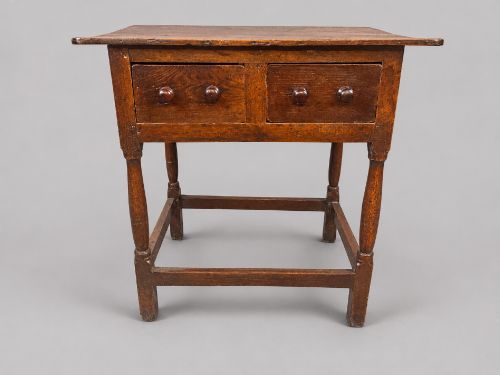
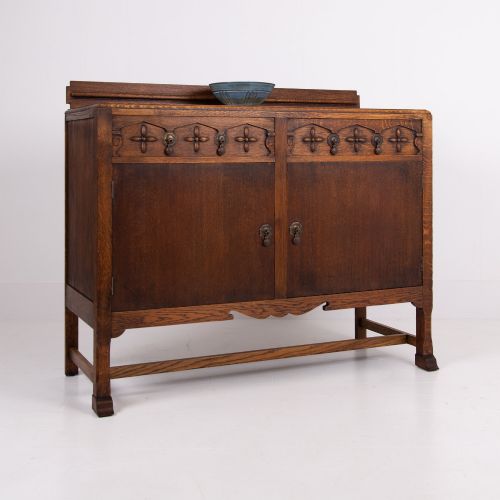
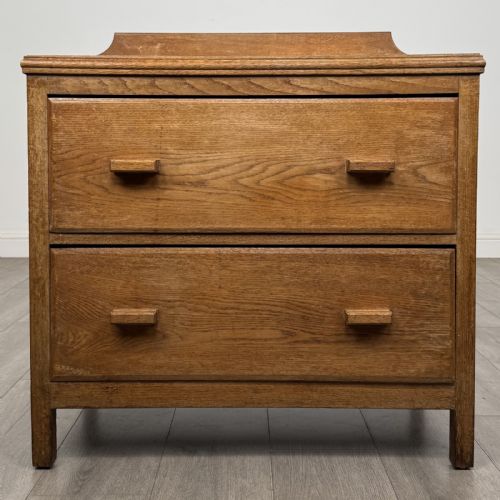
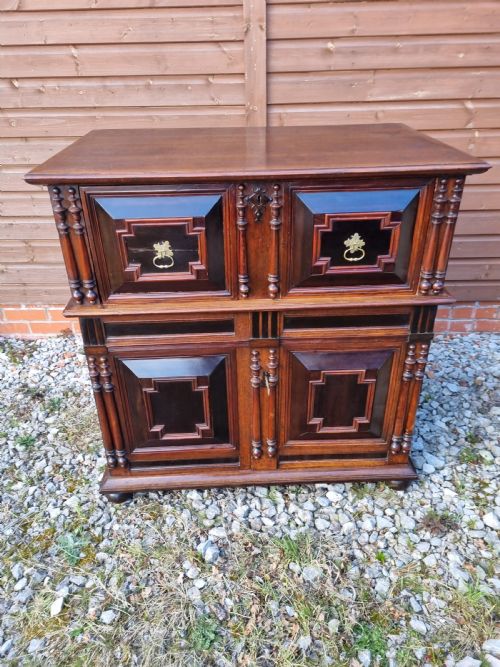

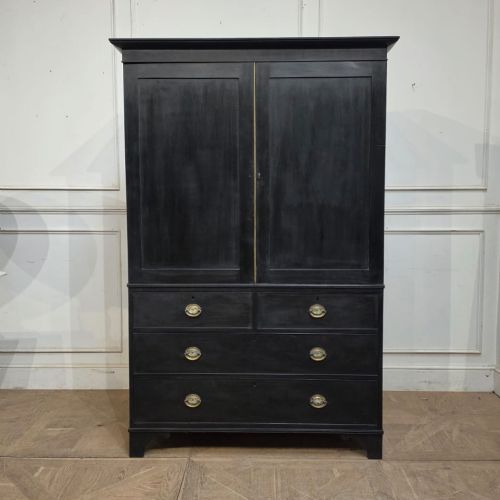
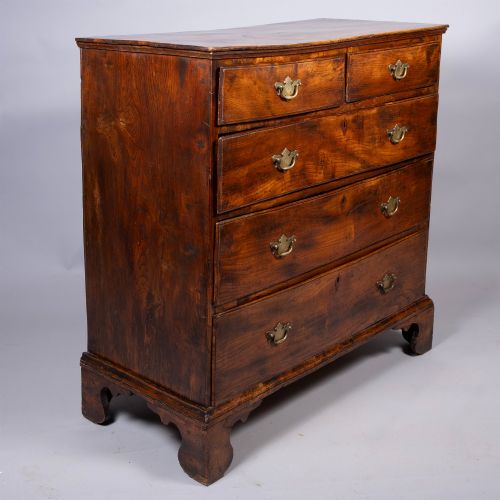
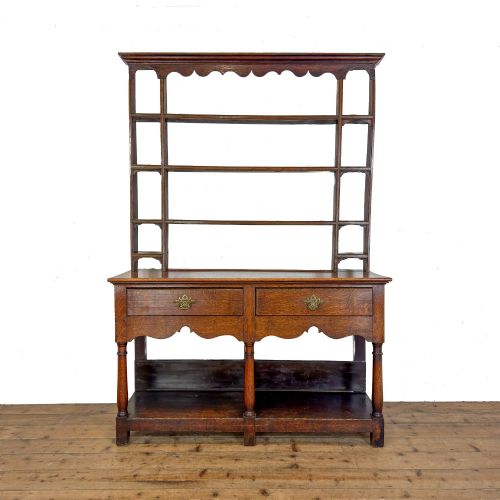

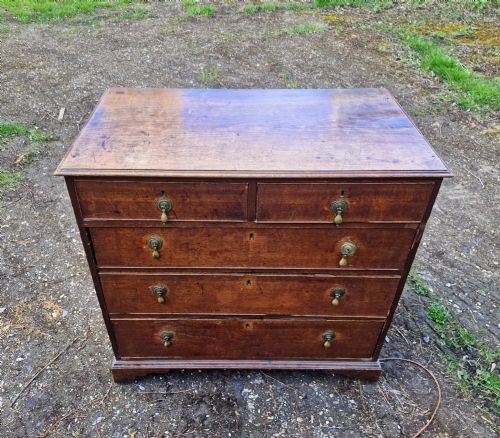


Oak Two Drawer Cabinet
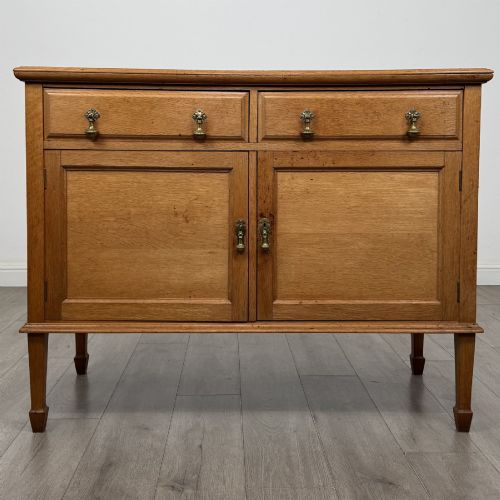
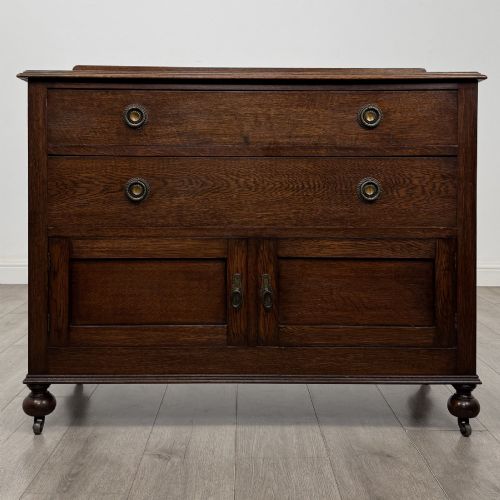
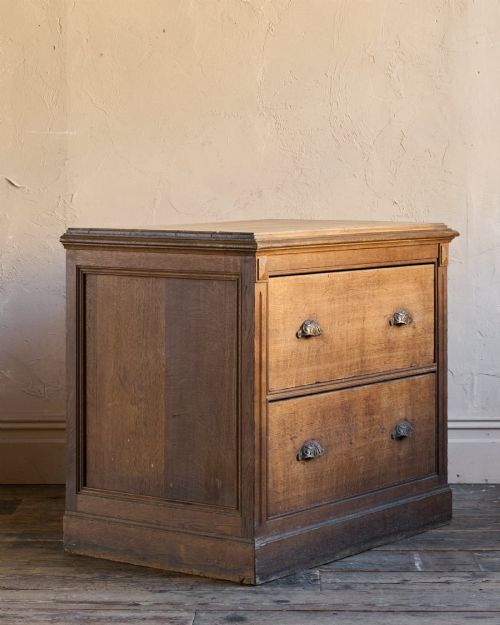
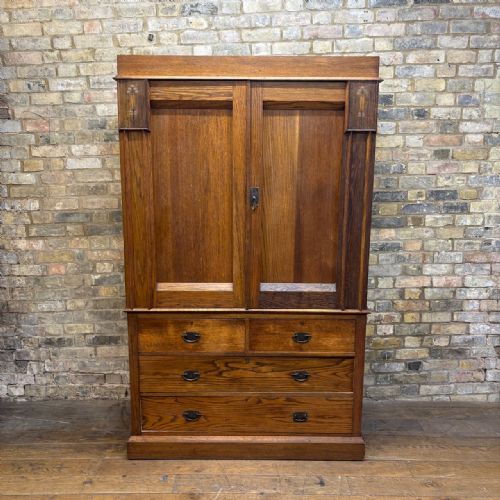
An oak two drawer cabinet offers enduring timber construction and compact storage, grounding a room with practical utility.
Oak Two Drawer Cabinet
An oak two drawer cabinet brings together robust hardwood construction and modest proportions, serving as a versatile storage piece across multiple rooms. When exploring this selection, buyers frequently encounter pieces spanning from the seventeenth century through the twentieth century, encompassing styles from plain country utility to polished Georgian and Edwardian designs.
The objects take various functional forms on this page, including side tables, sideboard cabinets, haberdashery-style chests, and two-part chests on stands. Oak remains the primary timber, often paired with brass hardware, glass panels, or contrasting details in ebony and sycamore.
The nineteenth century and the 1930s provide a strong numerical presence among these listings, offering both straightforward domestic furniture and specialised filing formats. Each piece demonstrates how makers adapted the two-drawer configuration to changing household needs over successive generations.
How they were made
Joiners and cabinetmakers relied primarily on solid oak, utilising its natural strength for structural frames, panels, and drawer construction. Secondary woods such as sycamore appeared in decorative banding or interior elements, while metal components like iron and brass provided hinges, drop handles, and escutcheons.
Construction techniques evolved from heavy framed panels held by pegged joints in seventeenth-century pieces to finer dovetailing in later drawer boxes. Surface treatments ranged from natural wax finishes that highlighted the grain to ebonised sections and painted applications seen in eighteenth-century examples.
Oak Two Drawer Cabinet Retail Price Guide 2026
Typical asking prices for oak two drawer cabinet among the pieces listed under this phrase on Sellingantiques today, from the lower quarter to the upper quarter. They describe what is for sale here now, not the wider market.
Listings feature oak cabinets spanning five centuries, from seventeenth-century joined work to 1930s utility pieces.
What varies in quality
The standard of timber selection and figure sets superior examples apart, where quarter-sawn oak displays pronounced medullary rays across the surface. Construction integrity in the drawer framing, including tight dovetails and smooth running tracks, distinguishes better workshop output.
The integrity of original hardware, such as brass drop handles and working locks with keys, influences the overall coherence of a piece. Finer items retain their original surface patination and uncompromised structural timbers, whereas lower tiers show heavy later alterations or replaced elements.
Maple and Co·Whytock and Reid of Edinburgh
The Oak Two Drawer Cabinet Glossary
- Oak
- A durable, heavy hardwood with a prominent grain pattern that forms the primary material for these cabinets.
- Dovetail
- A traditional interlocking joint used to secure drawer corners with high tensile strength.
- Escutcheon
- A protective metal plate surrounding a keyhole, frequently cast in brass.
- Chest on stand
- A form where a primary storage chest elevates on a separate open base or frame with legs.
- Patina
- The surface sheen and colour depth developed through age, handling, and polishing over centuries.
Oak Two Drawer Cabinet: Frequently Asked Questions
What is an oak two drawer cabinet used for?
These cabinets serve as versatile storage units in hallways, living areas, or bedrooms, holding smaller household items while providing a sturdy surface display space.
Their compact footprint allows them to fit into tight spaces where larger case pieces would overwhelm the room.
How do I identify the period of my cabinet?
Dating relies on examining construction methods, such as hand-cut dovetails, timber thickness, and joinery styles ranging from seventeenth-century pegged frames to twentieth-century production.
Secondary materials, handle types, and surface finishes also offer clear chronological markers.
How should I care for antique oak furniture?
Maintain the wood by applying natural beeswax sparingly and buffing with a soft cloth to preserve the surface sheen without building up heavy residue.
Keep the cabinet away from direct heat sources and dramatic humidity shifts to prevent timber movement.
Are these cabinets made of solid oak?
Most pieces utilise solid oak for primary structural elements, drawer fronts, and frames, though some later examples incorporate veneered panels over secondary timbers.
Examining the interior drawer sides and cabinet backs reveals the construction method and timber consistency.