



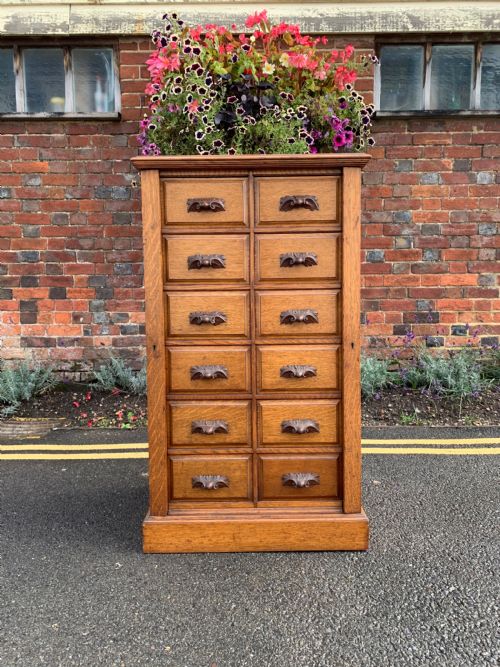


Brown Oak Filing Chest
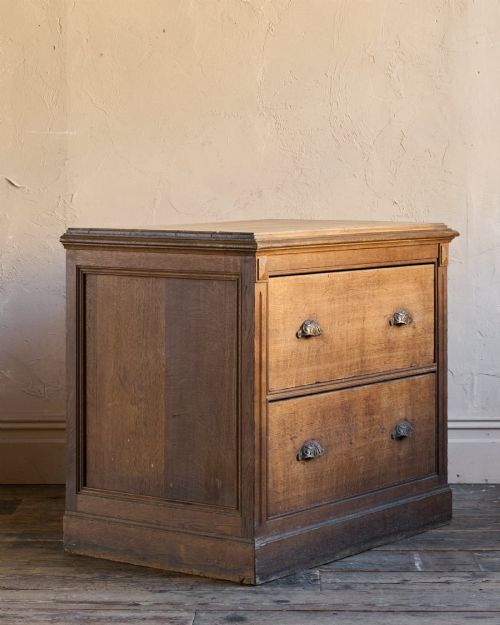
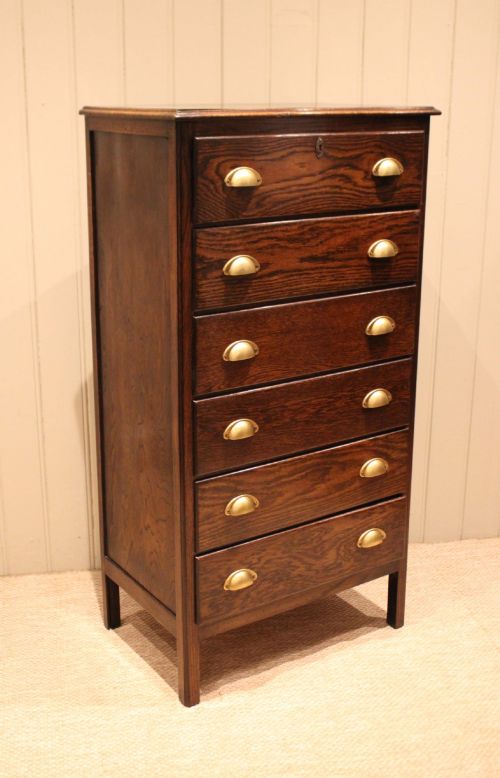
A brown oak filing chest is a practical storage piece in timber and brass that brings period utility to a modern workspace.
Brown Oak Filing Chest
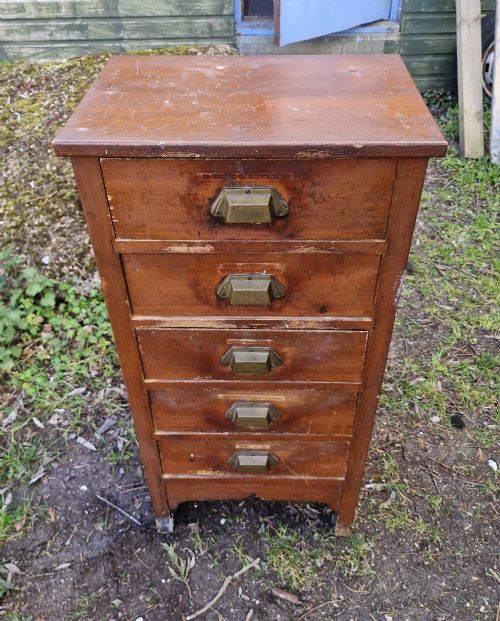
When you search for a brown oak filing chest, you are looking at utilitarian office and library furniture from periods including the late nineteenth century, the Edwardian era, and the nineteen-twenties and thirties. These pieces take forms such as office cabinets, music filing cabinets, banks of drawers, desktop drawers, and Wellington chests.
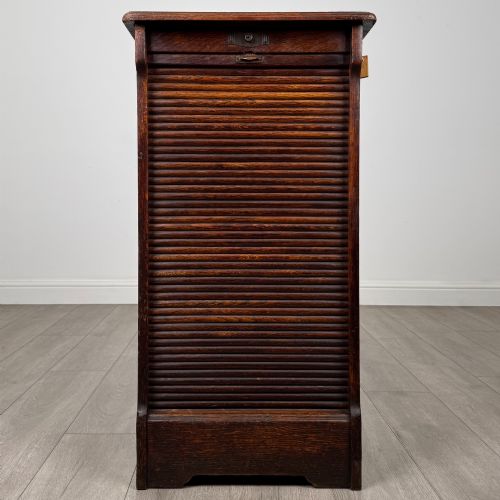
The version you are most likely to meet on this page is an early twentieth-century or nineteen-twenties oak office cabinet fitted with multiple drawers or a tambour shutter. They originate from commercial and domestic settings where systematic paper organisation mattered, combining solid timber construction with functional internal mechanisms.
Makers such as Shannon and Amberg shaped this category through patented letter files and specialised filing systems housed within oak carcases. Alongside these, standard office and music cabinets provide the varied drawer capacities and adjustable shelving that collectors encounter today.
How they were made
These pieces rely on solid oak for their primary carcases and drawer structures, often paired with secondary woods like pine for internal elements. The timber is selected for its grain and durability, forming robust frames designed to withstand daily commercial use.
Metal and brass feature prominently in the hardware, providing structural reinforcement and functional operation through period handles, label holders, and patented mechanism components. Canvas is also utilised within specific filing formats to support documents and internal dividers.
Brown Oak Filing Chest Retail Price Guide 2026
Typical asking prices for brown oak filing chest among the pieces listed under this phrase on Sellingantiques today, from the lower quarter to the upper quarter. They describe what is for sale here now, not the wider market.
Listings span periods from the nineteenth century through the Edwardian era to the nineteen-thirties, utilising oak, brass, metal, canvas, and pine.
What varies in quality
The distinction between standard utility items and finer examples rests on the sophistication of the mechanism and the integrity of the timber. Cabinets featuring specialised systems like Amberg's patent or smooth tambour shutters demonstrate higher manufacturing ambition than basic banks of drawers.
Hardware selection marks another tier of distinction, where substantial brass handles and fitted label holders lift a piece above plain commercial utility. The quality of the oak joinery, particularly in the drawer construction and carcase framing, determines how well the chest survives heavy use.
Amberg·Shannon
The Brown Oak Filing Chest Glossary
- Tambour
- A flexible shutter made of narrow strips of wood glued to canvas, allowing it to slide in tracks around a curve to enclose a cabinet. This mechanism saves space and offers secure closure for office furniture.
- Wellington chest
- A vertical chest of drawers secured by a hinged vertical locking bar on one side that fastens with a padlock. It takes its name from the Duke of Wellington and provides compact security for papers.
- Bank of drawers
- A multiple-drawer unit designed for desktop or floor placement to sort documents or small objects. They are common in Edwardian and early twentieth-century offices.
- Patent cabinet
- A filing unit incorporating a proprietary mechanical system for indexing and holding letters securely. Amberg cabinets are notable examples of this engineering.
- Music cabinet
- A specialised shallow drawer unit originally designed to hold sheet music. They double effectively for modern paper and stationery storage.
Brown Oak Filing Chest: Frequently Asked Questions
What is a brown oak filing chest?
A brown oak filing chest is a piece of utilitarian office furniture designed for sorting and storing documents, letters, or music during the late Victorian and Edwardian periods up to the nineteen-thirties.
These cabinets utilise oak timber alongside brass hardware and sometimes canvas components to create durable storage solutions for professional and domestic workspaces.
How do I date an oak filing cabinet?
Dating relies on examining the construction methods, hardware styles, and any patent marks or maker's brass plaques attached to the carcase. Pieces range from late nineteenth-century Wellington chests to nineteen-thirties small oak drawer units.
Stylistic cues such as Edwardian tambour doors or nineteen-twenties office handles help place the cabinet within a specific decade or broader period.
Were these chests used in homes?
While many were built for commercial offices, law firms, and libraries, smaller versions like music cabinets and desktop drawers found a place in domestic studies and living rooms.
Their organised interior layouts made them suitable for private correspondence and household paperwork as well as business administration.
How do I care for antique oak furniture?
Antique oak benefits from stable room temperatures away from direct heat sources and strong sunlight, which can dry out the timber and brass.
Applying a traditional beeswax polish occasionally maintains the finish and protects the wood grain without building up synthetic residues.