


Oak Timepiece Mantel Clock
An oak timepiece mantel clock brings solid domestic timber and dependable mechanical movement together on the shelf.
Oak Timepiece Mantel Clock
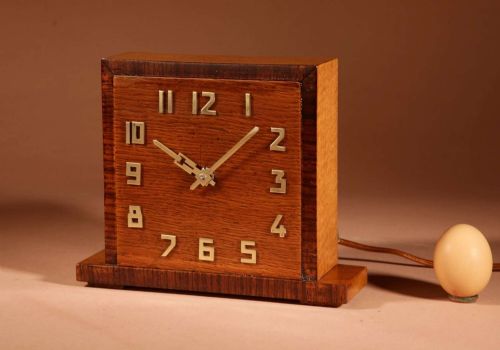
An oak timepiece mantel clock is a compact domestic timekeeper designed to sit on a shelf, mantelpiece or bracket, driven by a mechanical or electrical movement housed in a timber case. When buyers search for an oak timepiece mantel clock, they encounter sturdy domestic clocks spanning the late nineteenth century through the Edwardian era, Art Deco period, and mid-twentieth century. The version most commonly met on this page is the Edwardian or nineteen-twenties solid oak case, often housing a straightforward movement designed for daily or eight-day operation.
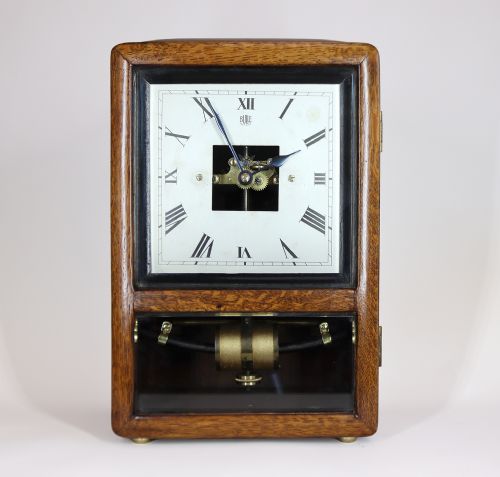
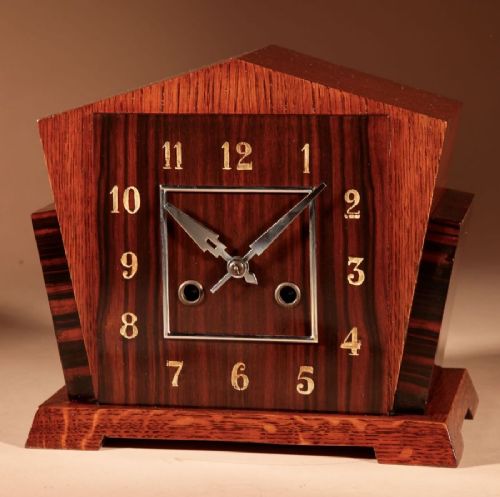
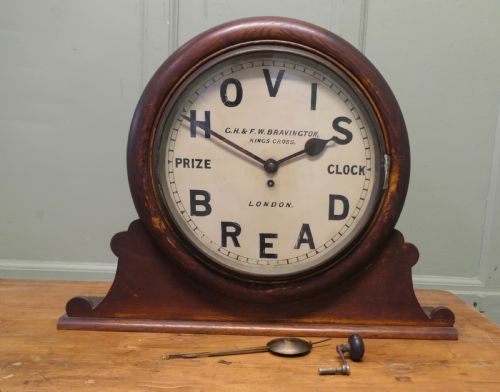
The architectural and decorative styles visible across these pieces range from plain solid forms to elaborate carved surfaces, inlaid banding, and geometric Art Deco designs. Makers utilised native and exotic woods alongside brass bezels, silvered or enamel dials, and bevelled glass panels to house the mechanisms. Examples stretch from simple architectural boxes to specialised pieces such as electric Bulle clocks, prize clocks, and military mess pieces.
Standards of Quality
Quality in these clocks rests upon the selection and working of the timber, distinguishing simple production boxes from carefully figured grain, pollard oak, or skilled hand-carving. The crispness of the brass fittings, the execution of any inlay, and the weight and finish of the cast bezel mark the distinction between standard commercial output and finer work.
Movement sophistication further divides the range, moving from basic timepieces to fusee movements, striking mechanisms, or specialised electrical systems by notable makers. The integration of the dial, the preservation of original hands, and the clean proportion of the case determine the standing of an individual piece.
Listings feature oak timbers combined with brass, enamel, and rosewood across styles from Victorian to mid-century military.
G.H & F.W Bravington London·Jas Whitelaw of Edinburgh·Payne & Co of London·Webster
The Oak Timepiece Mantel Clock Glossary
- Timepiece
- A clock that tells the time without a striking or chiming mechanism. This term specifically denotes a movement geared solely for motion.
- Fusee
- A conical pulley used in spring-driven clocks to maintain equal power as the mainspring unwinds. This mechanism ensures more consistent timekeeping throughout the power reserve.
- Bulle clock
- An electromechanical clock driven by a pendulum moving through a magnetic field. Invented in the early twentieth century, it uses a battery to sustain the swing.
- Inlay
- Pieces of contrasting wood or other material fitted flush into the surface of the oak case. This technique creates decorative borders or geometric patterns.
- Bracket clock
- A portable clock designed originally to sit on a wall bracket or table. The term persisted for larger mantel clocks regardless of whether a wall bracket was present.
Oak Timepiece Mantel Clock: Frequently Asked Questions
What is a timepiece clock?
A timepiece is a clock that displays the hours and minutes without a striking mechanism or chiming train. It focuses entirely on the measurement of time.
These simpler movements require less internal depth and fewer components than striking clocks, allowing for more compact or varied case designs.
How do I wind my oak mantel clock?
Winding involves using a matching key inserted into the winding holes on the dial to tension the mainspring gently. Care must be taken not to over-wind the mechanism.
Frequency depends on the movement type, with many standard clocks requiring attention every eight days while simpler timepieces vary.
How do I date an oak mantel clock?
Dating relies on stylistic clues such as cabinet proportions, dial materials, and the presence of Edwardian inlay or Art Deco geometric forms. Movement stamps and maker signatures also help establish a timeframe.
Construction methods, screws, and keyhole escutcheons offer further physical evidence for placing a piece in the nineteenth or twentieth century.
Where should I place a mantel clock?
These clocks sit best on level surfaces such as mantelpieces, shelves, or desks away from direct heat sources and damp environments. A stable foundation ensures the pendulum or balance wheel operates evenly.
Allowing sufficient clearance behind and around the case helps with daily operation and easy access for winding.